
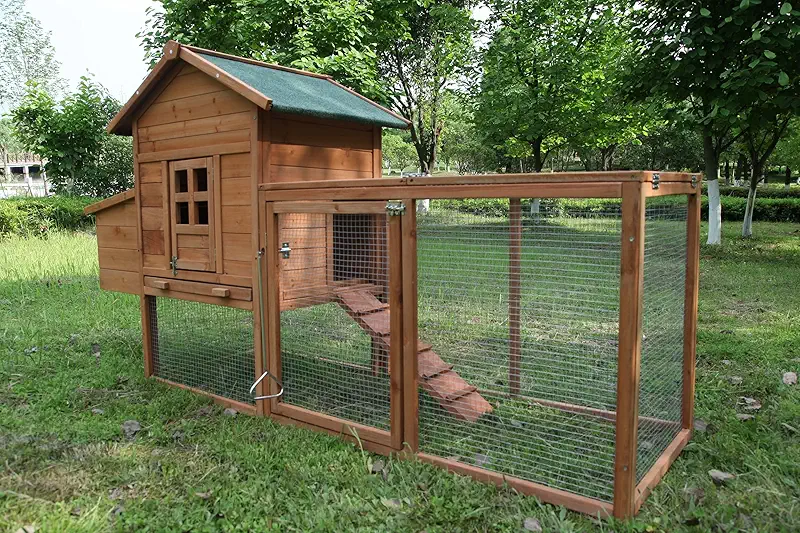
What I Mean By “Chicken Coop Restaurant”
When I say chicken coop restaurant, I don’t mean anything fancy with white tablecloths. I mean a coop and run set up so your hens get what they need, when they need it, in a clean and easy way. A place that’s safe, dry, calm, and always has good “food service” and fresh “drinks” on tap.
Think about it this way: hens don’t ask for much. They want:
- Reliable feed and clean water
- A roof over their heads and dry bedding
- Enough space so they don’t pick on each other
- Quiet, dark nesting spots to lay their eggs
- Fresh air and a bit of sunshine
If you give them those basics, plus a few treats now and then, your chicken coop restaurant will be fully booked every day, and those egg trays will stay nice and full.
Setting Up the “Dining Room”: The Coop Itself
Over the years, I’ve tried a little bit of everything: old sheds, homemade wooden coops, and ready-made kits. These days, I like a solid, well-built coop that’s easy to clean. Life’s too short to crawl around in a muddy, rickety shack.
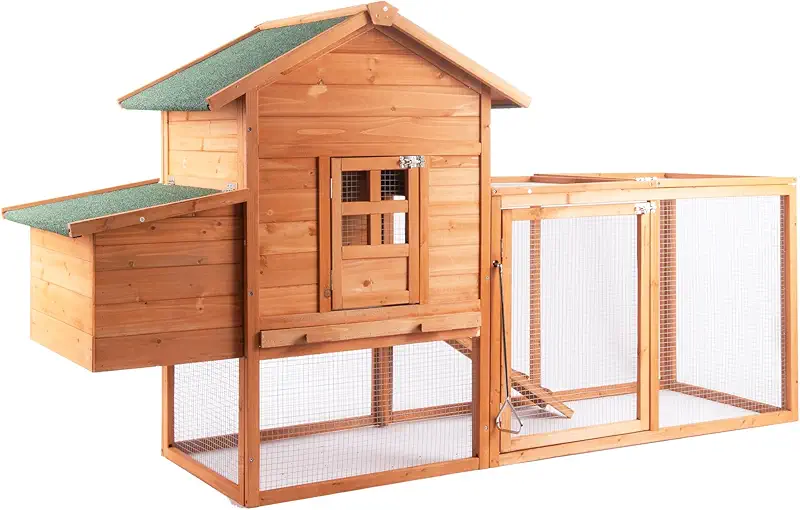
When you pick or build a coop for your own chicken coop restaurant, pay attention to a few key things:
1. Space Per Hen
Folks always ask how many birds they can squeeze into a coop. That’s the wrong question. You should be asking, “How much space can I give them?”
- Inside the coop: Aim for about 3–4 square feet per hen.
- In the run: Aim for 8–10 square feet per hen, more if you can.
Anytime I’ve gotten greedy and packed them in tight, I paid for it with feather picking, bullying, and fewer eggs. Cranky hens don’t lay well. Give them elbow room.
2. Easy Cleaning (This Saves Your Back)
A chicken coop restaurant needs good “kitchen hygiene.” You don’t want spilled feed and droppings piling up. Look for:
- Big doors or panels that open wide for easy scooping
- Smooth floors you can rake or shovel without snagging
- Removable roost bars so you can clean under them
On my place, I lay down a nice layer of pine shavings or chopped straw and rake it out regularly. Your nose will tell you when it’s time. If you walk in and it smells like a gas station bathroom, you waited too long.
3. Ventilation Without Drafts
Hens hate damp, stale air more than they hate cold. You want vents high up along the walls, so warm, moist air can escape without blowing directly on their backs while they roost.
I learned this one winter when I sealed a coop up too tight trying to keep it “nice and warm.” Ended up with condensation and a couple hens with frostbitten combs. Now I keep upper vents open year-round, and everyone does much better.
The Menu: Feed Options For Your Chicken Coop Restaurant
Feeding hens isn’t complicated, but it is important. Think of your hens as little egg factories. If you don’t ship in the raw materials, they can’t send out the product. Simple as that.

Main Feed
For laying hens, a good quality layer feed around 16% protein is your main dish. I keep it in a hanging feeder inside the coop or right under cover in the run. That way, it stays dry and clean.
I’ve tried skimping with cheaper mixes before. The egg shells got thin, and the hens looked rough. These days, I’d rather cut corners somewhere else than on feed. Cheap feed is expensive in the long run.
Grit And Calcium: The “Side Dishes”
Your chicken coop restaurant needs a little self-serve bar:
- Grit: Chickens don’t have teeth. They use small stones in their gizzard to grind food. Put grit out in a separate container, especially if they don’t free-range.
- Calcium: Crushed oyster shell or similar. This keeps egg shells strong. I keep a small dish of it out so the hens can pick at it when they want.
Treats: Dessert For Happy Hens
Now, I’ll admit it: I spoil my hens. They get kitchen scraps, a handful of scratch grains, and sometimes a few mealworms. But treats should be just that—treats. If more than about 10% of their diet is junk food, egg production can drop.
My old Rhode Island Red, Daisy, used to come running when she heard the treat bucket. If I gave her too much scratch, she’d slow down on eggs. Once I cut back and got back to good layer feed as the main course, production picked right up again.
Water Service: The Most Important Part Of The Restaurant
If I had to choose between running out of feed for a day or running out of water, I’d rather miss a feeding. A hen without water stops laying fast, and on hot days, it can be downright dangerous.

In my chicken coop restaurant, I like:
- One main waterer hung at back-height so they don’t kick dirt into it
- A backup waterer in the run for hot days
- Winter-proofing: heated waterers or swapping fresh water often when it freezes
Every morning I give the waterers a quick look. If the water looks cloudy or has bedding in it, I dump it and refill. It only takes a minute, and it keeps the hens healthy. Sick hens don’t lay, and vet bills are no fun.
The Dining Schedule: How Often To Feed
Folks new to chickens often ask me, “Should I feed them twice a day like a dog?” The answer, for most backyard flocks, is simpler: keep the feeder topped up and let them decide.
With free-choice feed, hens wander back and forth all day, eating little bits. It fits how they naturally behave. Just don’t leave feed where wild birds, rats, or raccoons can throw a party at night.
In the evening, I toss a small amount of scratch grain into the run. They get excited, scratch around, and it helps settle them before bedtime. You can almost hear them saying, “Nice dessert, thanks.”
Seating Arrangements: Roosts And Nesting Boxes
No chicken coop restaurant is complete without good “seating.” Hens need a place to sleep and a place to lay, and they’re picky about both.

Roost Bars
Give your birds a solid roost about 2 inches wide, with rounded edges. A 2x4 laid flat works well in colder areas, so they can sit on their feet and keep them warm.
- Mount roosts higher than the nesting boxes
- Allow about 8–10 inches of bar per bird
- Keep them away from windows and drafts
Any time I gave too little roost space, lower-ranking hens ended up sleeping in nesting boxes. That means dirty eggs in the morning, and nobody likes that.
Nesting Boxes
For nesting, I aim for one box per 3–4 hens. They’ll all argue over the same favorite box anyway, but more options keep the peace.
Line nests with soft shavings or straw. Hens want a quiet, dim, cozy spot. When I made my nesting area too bright once, some of the girls started laying on the floor instead. Darkened the nests a bit, and that fixed it.
Keeping The Restaurant Safe: Predators And Weather
Nothing ruins your mood like walking out in the morning and finding a busted-up coop. Around here we’ve got raccoons, foxes, hawks, and the neighbor’s dog that thinks she’s on patrol duty.

For a safe chicken coop restaurant:
- Use hardware cloth, not chicken wire. Chicken wire keeps birds in, but it doesn’t keep predators out very well.
- Lock doors at night. I use sturdy latches, not simple hooks that raccoons can flip open.
- Bury wire around the run. I either dig it 12 inches down or flare it out on the ground like an apron to stop diggers.
As for weather, a good roof and raised floor make a world of difference. Chickens handle cold better than damp, as long as they’re dry and out of drafts. In summer, shade and airflow are your best friends.
Daily Rhythm In My Chicken Coop Restaurant
Let me walk you through an average day with my hens. It’s not fancy, but it works and keeps egg baskets heavy.
- Morning: Open the coop, check feed and water, quick look at the birds to be sure everyone’s bright-eyed.
- Late morning: Gather the first round of eggs, fluff up any nesting boxes that got kicked out of shape.
- Afternoon: Let them scratch around the yard if it’s safe, toss a handful of treats, and enjoy the clucking.
- Evening: One more egg check, small handful of scratch, count heads on the roost, then close the door.
It doesn’t take much time, but doing these little routines every day keeps the whole operation smooth. Hens like consistency, just like people do.
If you’re just getting started or your old coop is driving you crazy, a well-designed ready-made coop can make feeding, watering, and cleaning a whole lot easier. Look for solid wood, secure latches, and enough room so you’re not apologizing to your hens every time you walk by.
Let me see optionsLittle Extras That Make Hens Happy
Over time I’ve added a few things to my chicken coop restaurant that aren’t strictly necessary, but sure make life nicer for the birds and for me.

- Dust bath area: A box or corner with dry sand, dirt, and a bit of wood ash. Hens love to roll in it and it helps with mites.
- Perches in the run: Branches or simple bars give them a place to hop up and survey the world.
- Hanging treats: Cabbages or treat balls keep them busy and less likely to pick on each other.
I like to say a bored hen is a naughty hen. Keep them busy and they stay friendlier and healthier.

Why A Good Coop Pays For Itself
When you look at a sturdy coop and decent gear, the price tag can make you swallow hard. I get it. But here’s how I look at it after a lot of years with hens:
- Better housing means fewer sick birds and vet bills
- Comfortable, safe hens lay better and longer
- Easy cleaning saves your back and your time
- Secure runs save you heartache from predators
For me, investing in a solid setup turned chicken keeping from a chore into something I actually relax doing. I can stand by the coop with a cup of coffee, listen to the clucks, and know everything’s in good shape. That peace of mind is worth a lot.