
Chicken coop roof material
Chicken Coop Roof Material: what I learned the hard way after a few leaky mornings.
I have been raising laying hens in the States for more than three decades now. I have watched roofs peel off in a thunderstorm, cave in under wet snow, and drip ice-cold water right on a poor hen’s back at 4 a.m. When you live with birds that depend on you, you learn fast that your chicken coop roof material is not the place to cut corners.
The roof is the first and last line of defense between your flock and whatever the sky decides to throw down that day. Rain, snow, blazing summer sun, even sneaky drafts – it all starts at the top. A good roof keeps hens dry, calm, and laying steady. A bad roof gives you sick birds, smelly bedding, and a whole lot of repair work right when you do not have time for it.
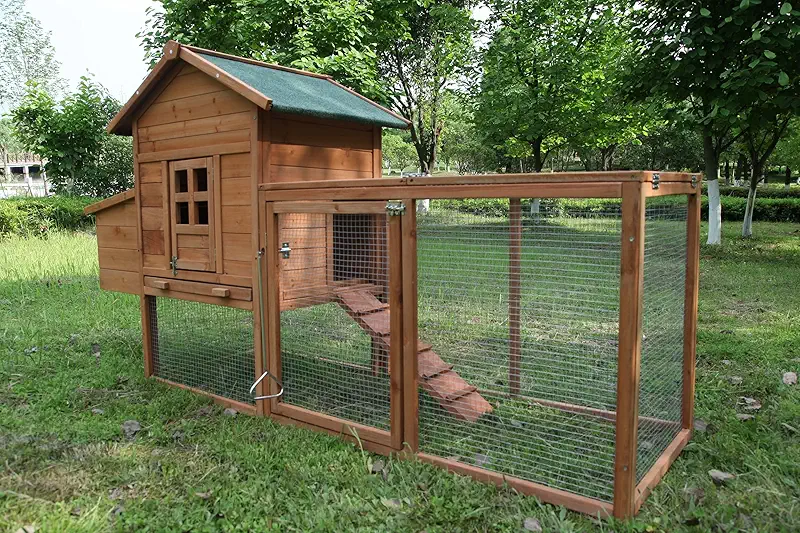
A solid roof and relaxed hens: that is half the battle won.
Over the years I have tried just about every chicken coop roof material that a hardware store can sell: metal, shingles, plastic panels, old barn tin, and even a “temporary” tarp that somehow stayed up for two winters. Below I will walk you through what has actually worked on a working farm, in plain language. No fancy talk, just the kind of advice I would give my neighbor over a cup of coffee in the mudroom.
If your roof can keep you comfortable while you sit under it with a cup of coffee during a storm, it will be good enough for your hens. If you would not sit there, your birds should not either.
Before we dive into specific chicken coop roof material options, keep three big questions in mind:
- Weather: What hits your coop most – heavy snow, hard rain, or brutal sun?
- Maintenance: Are you the weekend tinkerer, or do you want to nail it once and forget it?
- Noise and comfort: Can your birds handle loud rain on metal, or do you want things quieter?
Keep those in your back pocket as we walk through the choices. That is how you match the roof in your head to the roof your hens actually need.
Main chicken coop roof material options (from my barns and backyards)
I will break down the main chicken coop roof material choices I have used or seen on working farms. Each one has its place. None of them are perfect, and anyone who tells you there is a “perfect roof” has not cleaned out a coop in February.
Metal is my personal favorite for most coops. Corrugated panels shed snow like a duck sheds water, and the wind has a hard time getting under them if you fasten them right. The first time I swapped from old shingles to metal on my main coop, I noticed two things: the leaks stopped, and the snow slid off before it could weigh the roof down.
Pros
- Very long-lasting when installed right
- Sheds snow and rain fast
- Lightweight yet strong
- Easy to clean bird droppings and leaves off
Cons
- Can be loud in heavy rain or hail
- Needs screws with proper washers, not shortcuts
- Gets hot in direct sun if you skip insulation or shade
On my big layer coop I paired a light-colored metal roof with a thin insulated board inside. That kept the summer heat down and took the drumbeat out of the rain noise. The hens did not flinch during storms after that.
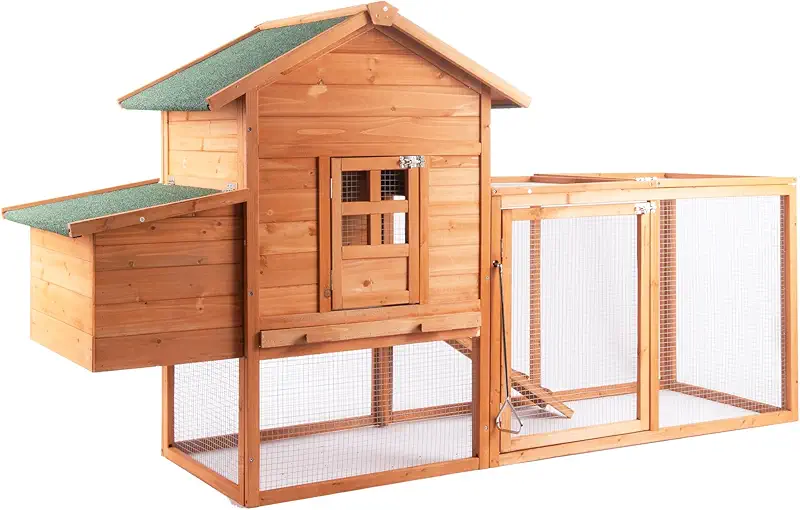
Metal panels shed water fast when pitched right.
Shingles look tidy and familiar, and folks like them on backyard coops right up against the house. I have used shingles on a couple of smaller coops close to the porch. They blend in, they are quiet in the rain, and if you are handy with a hammer, they are not hard to install on a simple roof.
Pros
- Quieter in rain than metal
- Easy to repair small spots
- Looks like a mini version of your house
Cons
- Heavier load on the coop frame
- Can curl and leak if poorly installed
- Not my first pick in deep snow country
On one shingled coop I added a small metal “snow slide” strip along the eave. That kept snow from hanging on the very edge and kept ice dams from forming. A little thing but it made winter chores easier.
Clear or translucent panels can bring a lot of light into the coop. I use them only in sections, never as the whole roof on a laying coop. Chickens like light, but they also like shade and to feel tucked in. A bright roof can warm the coop nicely on sunny winter days, but without ventilation it can turn into a slow cooker in July.
Pros
- Lets in natural light
- Lightweight and easy to cut
- Good for covered runs or small roof sections
Cons
- Can yellow or get brittle over time
- Gets very hot in full summer sun
- Needs careful fastening so wind does not rip it off
I like these panels above a covered run more than over the sleeping area. The birds get light for scratching and dust bathing, but they still have a solid shaded coop to retreat to.

A mix of solid roof and light panels can work well if you balance shade and sun.
I will be honest: I have slapped felt over plywood “just for one winter” more than once. Sometimes “one winter” turned into two. It can work as a short-term chicken coop roof material, especially if you plan to upgrade later. But felt alone does not like wind or rough weather, and it tears easier than folks think.
Pros
- Cheap and fast to throw up
- Fine for a grow-out coop or temporary shelter
- Easy to upgrade later with metal or shingles
Cons
- Not truly long-term
- Edges tear and curl in wind
- Leaks once it has taken too much sun and rain
One year I trusted felt alone on a “short-term” coop and a spring windstorm peeled a whole strip off during the night. I found grumpy soggy hens the next morning, and I have not trusted bare felt for more than a season since.
Now we are talking farmer style. I have re-used plenty of old corrugated tin sheets from barns and sheds. If you sort through and pick solid pieces, they can serve well on a coop. Just keep in mind: when you reuse old tin, you also inherit old nail holes and rust spots.
Pros
- Cheap or even free if you have old buildings
- Has that “farm charm” look
- Strong if not too rusted
Cons
- Extra work sealing old nail holes
- Edges can be sharp on hands and birds
- Rust may shorten lifespan
I run a bead of good roofing sealant under and over any old holes, and I always file or bend over sharp corners so a hen does not slice herself hopping up near the eaves.
How roof material affects egg production and hen health
It might sound dramatic, but the wrong chicken coop roof material can show up in your egg basket. Stress a hen enough with drafts, drips, or heat, and she will slow down or stop laying. I learned that the hard way during one ugly rainy spring, when an old roof started leaking over the back row of nest boxes.
Those nests were damp, the straw smelled off, and the hens started laying in the corners instead of the boxes. I fixed the roof, dried things out, and within a week, the basket went back to normal. A dry coop is not just about comfort; it is about steady eggs and healthy lungs.

Dry bedding and calm hens start at the roof line.
Moisture, mold, and ammonia
Any roof that lets water sneak in will cost you in bedding and bird health. Wet litter breaks down faster, and chicken droppings turn into ammonia gas. If you open the coop and your eyes sting, your roof and ventilation are failing you.
- Good metal or shingle roofs with sound underlayment keep water where it belongs – outside.
- Loose panels or torn felt let rain track down along rafters and drip in sneaky places.
- Condensation on uninsulated metal can drip like rain in cold climates if the coop is too sealed.
Temperature swings and drafts
Chickens handle cold better than damp, but big drafts from a bad roof will chill them right down to the keel bone. Your roof and ceiling should block direct wind while still letting moist air escape near the top.
High vents under the eaves, low drafts blocked at chicken level. Your roof material needs to work with that: tight where you need it tight, and open only where you choose to open it.
Matching chicken coop roof material to your climate
What works on my Midwestern farm might not be perfect for a salty coastal breeze or a high mountain winter. When folks ask me what chicken coop roof material they should use, I always ask them two things first: “What is your worst winter like?” and “What does July feel like?”
Cold and snowy areas
If your shovel lives by the front door and you are on a first-name basis with lake-effect snow, your biggest enemy is weight. Wet snow will sit heavy on a flat or low-pitched roof.
- Favor metal roofing on a decent pitch, so snow slides off.
- Avoid flat roofs or heavy roofing that your framing cannot hold.
- Watch for ice dams at the eaves; that is where leaks start.
I once watched a neighbor’s little flat-roof coop sag inch by inch under an Easter snow dump. We were out there with push brooms in the dark. Build and choose a roof like that memory might be yours one night.
Hot, sunny, or desert climates
Down south or out west, heat is the bully in the yard. Here, your chicken coop roof material should reflect sun and help vent hot air.
- Pick light-colored metal or shingles that do not soak up heat.
- Use overhangs to shade walls and windows.
- Consider vented ridge or gable vents under the roof peak.
On my hottest coop I added a small shade tree and a white metal roof. That dropped the inside temperature by a few degrees on summer afternoons, enough that the hens quit panting so much.

Pitch, color, and overhangs matter just as much as the material itself.
Wet, windy, or coastal zones
If gales and sideways rain are common, you need a chicken coop roof material that will not try to leave town without you.
- Use screws not nails on panels, with proper washers.
- Install drip edge and flashing anywhere water can creep in.
- Make sure roofing overlaps the run enough so rain does not blow straight in.
I have seen more roofs lost to wind than to rot. Take your time fastening it, and you will only need to worry about feeding birds, not chasing tin across the field.
Small details that make a big difference
Once you pick your main chicken coop roof material, the little choices make that roof either a partner or a headache.
Overhangs and drip lines
A roof that stops right at the wall edge will splash rain down the siding, rot the wood, and turn your doorway into a mud rink. I like at least a modest overhang on all sides, a bit more over the pop door where birds come and go.
Gutters and water management
On my larger coops I run a simple gutter and barrel system. Not fancy, but it keeps water away from the foundation and gives me a handy place to dip a bucket for washing feeders. On small backyard coops, just watch where that drip line lands and maybe lay gravel or pavers there.

A simple overhang can save you hours of repair down the road.
Predator and pest considerations
Raccoons have fingers like tiny burglars. If your roof leaves a gap where the wall meets the rafters, they will test it. I always:
- Cover soffit gaps with hardware cloth, not chicken wire.
- Seal under the roofing edges so critters cannot weasel in.
- Avoid loose tin that flaps – that is an open invitation for trouble.
Choosing a ready-made coop with the right roof
Not everyone has the time or tools to build from scratch, and there is no shame in that. When I help friends pick out a prebuilt coop, I start by looking at the roof before I look at anything cute like little windows or paint color.
Here is what I check first on any ready-made coop:
- What chicken coop roof material did they use? Thin, soft panels that flex with your hand are a bad sign.
- How is it fastened? Screws with washers beat tiny nails every time.
- Is there any overhang? If the roof ends right at the wall, expect wet walls later.
- Can you see daylight where roof meets wall? Some light up high is fine, but gaping cracks are not.
Remember, your hens will live under that roof every day. A strong roof and a plain paint job beat a cute paint job and a flimsy cover every time.

Look past the cute trim and study how the roof is built.
Taking care of your coop roof year after year
A good chicken coop roof material will last, but not if you ignore it until something fails. I walk past my coops every single day; a quick glance up is part of the chore routine.
My simple seasonal checklist
- Early spring: Look for winter damage, lifted edges, and any new leaks after snow melt.
- Mid-summer: Check for warping, loose fasteners, and heat buildup inside the coop.
- Late fall: Clear leaves, check gutters, and make sure everything is fastened before storms.

A quick look up during chores can save you from surprise leaks later.
I like to joke that my hens pay rent with eggs, and my end of the deal is a dry, safe roof over their heads. If I keep that promise, they keep filling the basket. It is a simple trade, but it starts with choosing the right chicken coop roof material and giving it a little attention now and then.
FAQ about chicken coop roof material
If you are just starting out and want something forgiving, I usually suggest simple metal panels on a decent pitch. They are light, not too hard to install, and they shed water and snow well. Just use the right screws with rubber washers and do not rush the job. If you are nervous about noise, you can staple a thin layer of insulation board underneath.
Metal can be noisy in a hard rain, that is true. My experience is that the birds get used to the sound faster than we do. What really matters is that there are no leaks or drafts. On my noisiest metal-roof coop, I added insulation and hung a bit of plywood under the rafters. It softened the sound, and the hens did not miss a beat. Noise alone has never hurt egg production in my flocks.
A tarp can be a short-term bandage, but I would not trust it as your main long-term chicken coop roof material. Wind shreds tarps, sun makes them brittle, and once they start to rip, they go fast. I have used tarps over runs and as emergency covers, but I always plan to replace them with something solid as soon as I can.
You do not have to insulate every coop roof, but it can help in very hot or very cold areas. Insulation under metal keeps condensation from dripping and helps with temperature swings. Just make sure the birds cannot peck at it – cover any soft insulation so curious beaks cannot reach it. In milder climates, good ventilation and dry bedding are often more important than insulation.
With decent materials and a bit of care, a coop roof can last many years. Metal can easily go a decade or more. Shingles might need attention sooner, especially on tiny, hot roofs that see a lot of sun. I do not think in years so much as in signs: if you see curling, rust holes, soft spots, or recurring leaks, it is time to plan a replacement before the next big storm hits.
Ready to look at different coop roofs?
Choosing chicken coop roof material is one of those chores that can feel small until something goes wrong. After that, you never forget to check the roof first. Whether you end up with metal, shingles, or a mix, remember: your hens do not care what it looks like. They care that it is dry, safe, and steady through the seasons.
When you look at different coop options, imagine yourself standing under that roof during a storm. If you would feel dry and calm there, your birds probably will too. If you would be reaching for a bucket, keep on walking.
Discover all the chicken coop roofs available
If you are like me, it helps to see a few real-world examples before you decide. Different chicken coop roof material setups, different shapes, and different little details at the eaves and vents can give you ideas for your own flock.
Take your time, picture your weather, and think about the hens you will be tucking in at night. They are counting on you, even if they show their thanks mostly by knocking over the waterer just after you fill it.