
Out here on the farm I learned early that a chicken coop roof can make or break your flock. A tight, dry roof means steady eggs, quiet nights, and hens that don’t look at you like you forgot something important.
I have fixed more leaky coop roofs than I care to admit. I’ve watched hens stand under a drip, look up, and give me that “really, buddy?” face. Over the years, I figured out what keeps rain, snow, and summer sun off their backs without turning the coop into an oven.
In this guide I’ll walk you through how to choose, build, and care for a chicken coop roof that holds up to real weather, not just pretty catalog pictures. I’ll keep it simple, straight, and honest — the way we talk at the feed store.
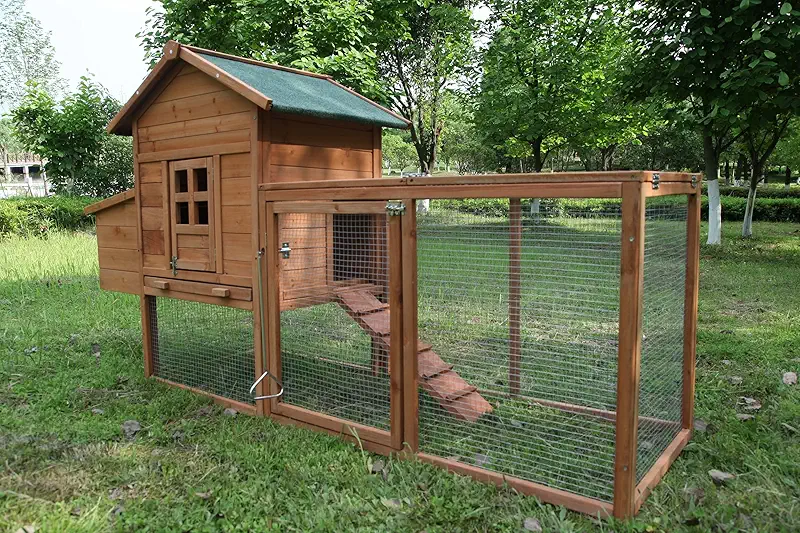
Chicken Coop Roof
Why the Roof Matters More Than Folks Think
Most new chicken keepers get excited about cute windows and fancy paint. I smile and nod, then I walk around back and look straight at the chicken coop roof. That’s where the truth lives. If the roof is solid, the rest you can fix later.
Chickens hate drafts, damp, and sudden temperature swings. A good roof protects them from all three. When your hens stay dry and feel safe, they eat better, lay better, and stay calmer. When the roof leaks or sweats inside, you get sick birds, moldy bedding, and a smell that’ll curl your nose hairs.
I’ve seen two coops, same number of hens, same feed, same breed. The only difference? One had a strong, tight roof with proper ventilation. The other had thin panels nailed down in a hurry. Guess which flock kept laying all winter and which one slowed to a crawl. It wasn’t feed, it was that roof.
If you want to skip the guesswork and look through ready-made coops with different roof styles, there are plenty of choices you can browse calmly, no hammer needed.
Let me compare roofsBest Chicken Coop Roof Materials (From Years in the Mud)
I’ve tried just about everything I could haul home: metal, shingles, plastic panels, even one experiment with old barn tin that sounded like a freight train in the rain. Here’s how the main options shake out in real life.
Metal Roof Panels
Metal is my first pick for a chicken coop roof when the budget allows. It sheds water fast, laughs at snow, and lasts a long time if you don’t cheap out on the screws and flashing.
- Pros: Long life, easy to clean, great in heavy rain and snow.
- Cons: Can be noisy in storms, gets hot without shade or insulation.
On my main laying coop I added a layer of thin plywood under the metal and left a small air gap. That simple trick kept the coop cooler in August and quieter during hail season, when the sky likes to throw rocks at us.
Shingles on Plywood
Asphalt shingles on good sheathing look tidy and work fine if you build them like a small house roof. Most backyard coops that leak with shingles don’t fail because of the material, they fail because somebody got “almost level” and “close enough” with the pitch and underlayment.
- Pros: Familiar to most DIY folks, quieter in storms.
- Cons: Heavier, can leak if not flashed and sloped right.
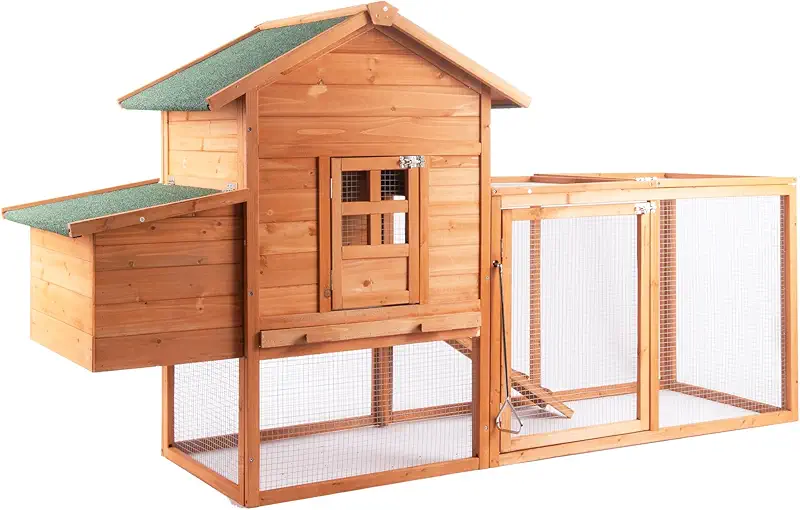
Different roof styles, same goal: keep birds dry, shaded, and calm in every season.
Clear or Translucent Panels
These let in extra light, which is handy in winter, but you have to use them wisely. A full clear roof turns your coop into a slow cooker in July. I like them as small sections or over the run instead.
- Pros: Brings in daylight, light to handle.
- Cons: Overheats fast, can get brittle over time.
My Simple Rule for Roof Choice
If you get heavy snow or serious rain, I lean metal. If your weather is mild and you’re comfy roofing like a shed, shingles can do just fine. No matter what you pick, the important thing is slope, overlap, and how you handle the edges and vents. The fanciest material won’t save a lazy install.
Roof Shape: Gable, Shed, or Something Fancy?
I’ve seen coops with cuter roofs than my house, and I’m not sure how I feel about that. Truth is, chickens don’t care what it looks like. They care if it leaks, drafts, or bakes them on hot days.
Shed Roof (Single Slope)
A simple single slope roof is my go-to for backyard coops. One wall a bit taller than the other, roof panels slanting down. Water runs off one side, and you can tuck vents high on the tall wall under the overhang.
- Easy to build with basic tools.
- Less places for leaks to start.
- Nice space for a high vent or window.
Gable Roof
Two slopes meeting in the middle. Looks like a classic little barn. Gives more headroom and can help snow slide off if the pitch is right.
- More attic airspace to buffer temperature.
- Good place for ridge vents or gable vents.
- More cuts and joints to get right.

Simple roof shapes are usually stronger and easier to keep weather-tight than fancy ones.
Flat Roofs (Why I Avoid Them)
A “flat” coop roof is just a sagging roof waiting to happen. Water stands, wood swells, and sooner or later you’re out there with a bucket and some new words for the dictionary.
If you must go low-slope, give it a decent pitch and use material made for that, or cover it with one continuous sheet that doesn’t mind sitting water. Otherwise, do yourself a favor and tilt that thing.
Around here, the coops that survive long winters and sloppy springs are the plain ones: shed or gable, enough overhang to keep water off the walls, and a smart spot for vents that don’t drive cold air straight onto the roost.
Keeping Hens Dry: Roof Pitch, Overhangs, and Gutters
A chicken coop roof isn’t just about what you nail down on top. It’s how water behaves all around it. Where it falls, where it runs, and where it decides to sneak inside when you’re not looking.
Pitch: Let the Water Run
Too shallow and water sticks around, working its way into every little crack. Too steep and you’re hanging off a ladder like a squirrel. For most coops, a pitch somewhere between “clearly sloped” and “shed roof” works just fine.
I go steeper if I expect heavy snow, so it slides off instead of making a heavy blanket. Light snow is pretty; wet snow is a roof test you didn’t ask for.
Overhangs: Your Best Cheap Insurance
A decent overhang on a chicken coop roof is one of the best tricks I know. Even four to eight inches can keep rain from streaming straight down your walls and around your windows.
- Keeps walls drier, so wood lasts longer.
- Gives a spot for vents under cover.
- Helps keep windows from getting pounded by rain.

A simple overhang and a bit of slope keep water away from walls, doors, and nest boxes.
Gutters: Optional but Handy
On my bigger coops I added little gutters to catch roof runoff and direct it away from the run. Chickens don’t enjoy standing in puddles, and neither do I when I’m hauling feed in the dark.
You don’t need a fancy system. Even a basic gutter and short downspout pointing downslope from the coop makes your life cleaner and your bedding drier.
Ventilation and the Chicken Coop Roof
Here’s the part most folks get backwards: the coop needs to be draft-free down low, but it still needs a way for moist, warm air to escape high up under the chicken coop roof. That’s how you avoid frostbite and that old-sock smell.
High Vents Under the Roofline
I like vents right under the eaves, on at least two sides, with the openings protected by sturdy hardware cloth. That way warm, moist air can drift up and out, while the roosting birds stay below the draft line.
- Place vents higher than the roost bars.
- Cover them with 1/2" hardware cloth, not flimsy screen.
- Use the roof overhang to shield vents from direct rain.
In winter, I’ll slide covers over part of the vents if the wind gets nasty, but I never seal them all. A slightly chilly but dry coop beats a warm, damp, moldy one every single time.

Good roof vents let damp air escape high up, while hens sleep in still air below.
Skylights and Clear Panels
A small clear section near the top can bring in light, which hens appreciate on short winter days. Just don’t turn half your roof into a greenhouse unless you want omelets before they leave the hen.
If you’re in a hot climate, I lean toward solid shade and use windows instead of clear roofing for light.
Weather, Predators, and a Tough Chicken Coop Roof
A good chicken coop roof doesn’t just fight rain and snow. It also laughs at raccoons, keeps hawks from noticing weak spots, and stands up when the wind starts making threats.
Predator Resistance Up Top
Most folks focus on fences and forget the roof. Raccoons, possums, and even foxes will climb, squeeze, and pry. If your roof panels are thin and just stapled, you’re inviting night visitors to run a test.
- Use proper screws with washers on metal or panels.
- Secure roof edges so nothing can peel them back.
- Cover any roof vents with real hardware cloth.
One summer I found little muddy footprints up the side of the coop, all the way to the roof edge. The raccoon didn’t get in that night, but he sure filed a complaint.

Strong fasteners and tight edges keep curious critters from turning your roof into a door.
Wind and Storms
A storm is when shortcuts show themselves. I’ve watched tarps fly, thin panels peel back, and even one whole coop slide a few feet because someone figured “those two screws are plenty”.
Keep the roof well anchored to the frame, and the frame well anchored to the ground. On lighter coops, I’ve driven ground anchors at the corners with straps up to the frame, like tying down a stubborn tent.
Daily Life Under a Solid Chicken Coop Roof
Let me paint you two mornings from my own farm.
First morning was with my old, slap-together coop. A light rain turned into an all-night soaker. I stepped inside at sunrise and found drips in three places, damp shavings, and one very offended hen standing in the only dry corner of the nest box. Egg count that week dropped, and the coop smelled like a wet dog in a barn.
Second morning was after I rebuilt the coop and gave that chicken coop roof some real respect. Rain came down all night again, but this time the inside was dry, quiet, and calm. Hens hopped off the roost, shook out their feathers, and headed straight for the feeders. Egg numbers held steady, and the shavings stayed dry and fluffy.
What a Good Roof Feels Like Inside
- Dry floor even after days of rain.
- Still, calm air around the roost at night.
- No cold drips hitting combs in winter.
- Light but not blinding sun on hot days.
Chickens may not talk, but they vote with their feet. When they choose the same roost spots every night and lay in the boxes instead of the corners, that’s your roof and airflow doing their job quietly.

Calm birds, dry bedding, and steady eggs — that’s what a solid roof gives you day after day.
Maintenance Tips for a Long-Lasting Chicken Coop Roof
A good chicken coop roof doesn’t need pampering, just a little respect now and then. I spend more time drinking coffee on the porch than fixing roofs these days, because I follow a few simple habits.
Seasonal Checkups
- Look for loose screws, popped nails, or lifted shingles after big winds.
- Clear off leaves and branches that hold moisture against the roof.
- Check around chimneys, vents, and edges for gaps or soft spots.
I give the coop roof a quick glance every time I walk by with feed. If something’s going to fail, it usually tells you quietly before it shouts.
Inside Signs Your Roof Needs Help
- Damp or dark patches on the ceiling or rafters.
- Wet clumps in what should be dry bedding.
- Strong musty smell that doesn’t clear with fresh litter.
- Frost or condensation up high in winter.
Catch those early and you can fix a small patch instead of rebuilding half the coop. A little tube of sealant or a handful of screws is cheap; a full tear-off is not, in money or time.

A quick look after storms and before winter keeps your coop roof ahead of trouble.
When to Upgrade Instead of Patch
If you find yourself climbing up there every season and using more patch than original material, it might be time for a fresh start. I finally retired one old coop after the third “temporary fix” turned into a permanent headache.
These days, if a roof is tired all over, I’d rather put that effort into a sturdier setup from the start. There are ready-made coops with better roof designs than some of my first builds, and I’m not too proud to admit it.
FAQ: Common Questions About Chicken Coop Roofs
If you’d like to look through different coop styles and roof setups without digging through lumber piles, you can browse ready-made options and see what fits your yard, your birds, and your weather.
Show me all coopsJust remember: whatever you choose, give that chicken coop roof the same respect you give your morning coffee. Life runs smoother when both are solid.