
Chicken coop roost ideas
Chicken Coop Roost Ideas
Practical roosts from a tired but happy old farmer who’s fixed every mistake you’re about to make.
I have been raising laying hens here in the States for more years than I care to admit. I’ve built roosts that worked like a charm and roosts that made my hens look at me like, “Nice try, buddy.” Over time, I learned that good chicken coop roost ideas are less about being fancy and more about being safe, comfy, and easy to clean.
In this page I’ll walk you through what I’ve learned from cold mornings, muddy boots, and a whole lot of trial and error. We’ll talk roost height, spacing, wood size, poop management, and how to set things up so your girls stay healthy and your chores stay simple. I’ll sprinkle in some stories from my own coop, plus some practical suggestions if you want ready-made setups instead of breaking out the saw.
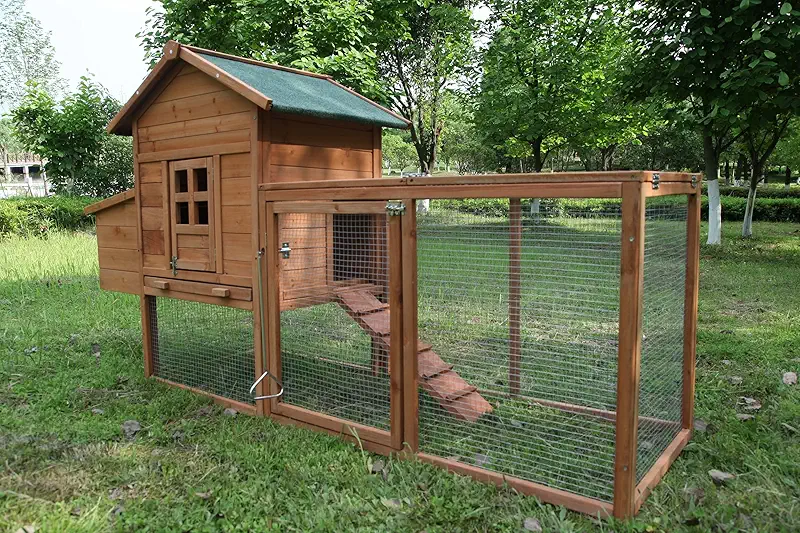
What a good roost really needs
Let’s start simple. A good roost is just a safe, comfortable place for your chickens to sleep up off the ground. That’s it. But that “simple” thing touches almost everything that matters: pecking order, health, egg production, and how much time you spend cleaning up after your flock.
Back when I built my first coop, I thought any old board would do. I threw in a skinny round pole, called it a day, and wondered why half my birds were sleeping in the nesting boxes. Turned out the roost was too narrow, too smooth, and too high for the timid hens. That little mistake gave me dirty nests and cranky chickens.
Key traits of a good roost
- Strong and steady: no wobble, no bending, no “surprises” when three heavy hens land on it at once.
- Comfortable on feet: wide enough for them to rest their toes flat, not wrapped like a parrot on a perch.
- High enough, but not crazy: off the ground for safety, but not so high that birds hurt legs jumping down.
- Easy to clean around: you’ll be dealing with droppings every morning, trust me.
- Laid out with peace in mind: enough room so the low-ranking hens don’t get bullied off the bar.
Whenever you think, “Eh, that board is probably strong enough,” add another support. Chickens will always prove you wrong on “probably.”
The best roost height, size, and spacing
If you only remember one part of this page, let it be this section. Getting the basic sizing right will solve half your roost problems before they start.
How high should chicken roosts be?
Chickens like to sleep higher than the ground. It makes them feel safe, the way wild birds roost up in trees. But that doesn’t mean you should hang a 6-foot-high gymnastics bar in there.
- Starter flocks / heavy breeds: 18–24 inches off the floor works well.
- Lighter or more active breeds: 24–36 inches is usually just fine.
- Older birds or mixed ages: offer a lower “step” roost and a higher main roost.
On my farm, I keep most roosts around 26–30 inches and then add a little “ladder” roost for the older ladies. They appreciate it about as much as my knees do.
How wide should the roost bar be?
This is where new keepers often copy parrots instead of chickens. Chickens don’t want to curl their toes around a tiny dowel. They want to sit on a flat-ish surface and wrap their toes slightly over the edges.
- 2x3 or 2x4 lumber (on the flat) is ideal.
- Rounded edges help so they don’t dig into the foot.
- Aim for about 3–4 inches of width they can stand on.
In colder climates, a 2x4 laid flat lets them cover their toes with their feathers, which keeps frostbite away. Seen enough blackened combs and toes around here to say that’s no joke.
How much space per chicken on the roost?
Everyone says “8–10 inches per bird,” and that’s a good starting point. But real life is messier. Tight-knit flocks will pack shoulder to shoulder; others like a little elbow room.
- Standard rule: 8–10 inches per bird.
- Big breeds (Orpingtons, Brahmas): lean closer to 12 inches.
- Nervous or mixed flocks: give extra space to cut down on squabbles.
I always build for more birds than I have. That way, when two hens decide they absolutely must sleep six inches from everybody else, they actually can.

Chicken coop roost ideas that actually work
Now let’s dig into some chicken coop roost ideas you can put to work. I’ve tried all of these at one time or another. Some came from hard lessons, others from watching what the birds chose when I gave them options.
1. Single straight roost
This is the plain, reliable pickup truck of roosts. One strong bar, well-supported at each end, with nothing directly under it except a poop board or the coop floor.
- Perfect for small backyard flocks.
- Makes cleaning simple because droppings fall in one line.
- Reduces fights over “tiers” because there’s just one row.
I use this in my smaller side coop. Eight hens line up like little feathery loaves of bread every night, same order, no drama.
2. Ladder-style roosts
Ladder roosts step up in gentle heights, like a staircase for chickens. Birds hop up from one rung to the next, which is great for older or heavier hens.
- Good for mixed-age flocks.
- Each rung can share the same “status” if all are at similar heights.
- Easier on legs than jumping down from a single high bar.
My older Rhode Island Red, Rosie, always chooses the second rung from the top. Not too high, not too low—kind of like her opinion of my singing.

3. Staggered parallel bars
This is handy when you have a longer coop and more birds. Bars run parallel, one behind the other, but each bar is a bit higher than the one in front.
- Makes good use of coop width.
- Still allows droppings to fall clear if you offset them right.
- Gives high-status hens a “top row” without towering too high.
4. Removable roost bars
My back loves this idea. Roost bars that lift out of brackets make cleaning and deep scrubs much easier. When mites show up (and at some point they will try), being able to pull bars out and really treat them is a blessing.
- Great for deep-clean days.
- You can swap or sand bars as they age.
- Lets you re-arrange for flock size changes.
Don’t overbuild. Simple, strong, and easy to reach beats fancy designs every time. Chickens don’t care if you saw it on a design blog; they care if they can hop up without slipping.

Dealing with droppings: poop boards, trays, and bedding
This part isn’t pretty, but it’s where a lot of smart chicken coop roost ideas really shine. Every night, your hens sit on the roost and… contribute to your compost pile. Planning for that from the start saves you time, smell, and health problems.
Poop boards under the roost
My favorite setup is a nice wide shelf directly under the roosts, covered with a layer of dry material like pine shavings. Each morning, I scrape it clean. Takes maybe two minutes for a small flock, and the coop smells like a coop instead of a barnyard.
- Use smooth plywood or something you can scrape easily.
- Make the board at least 12–18 inches wider than the roost alignment.
- Line it with shavings or sand for easy collection.
Deep bedding under roosts
If you don’t want a board, at least plan for heavier bedding under the roost area. The birds will drop most of their manure in the same spot every night, so that’s where you’ll be working.
- Keep bedding dry and fluffy to control ammonia.
- Stir it now and then; think of it as slow compost right under the birds.
- Don’t let it stack too high under the roost, or they end up too close to the ceiling.

Why roost design matters for health
Poor roost design shows up as problems a few weeks or months down the road, not on day one. That’s why some folks don’t realize the roost is the issue.
- Low roosts in damp bedding? Expect foot issues and respiratory trouble.
- Narrow or sharp-edged bars? Watch for bumblefoot and sore pads.
- No space between bars? You’ll get poop showers from birds above.
- Roosts higher than nest boxes? You reduce sleeping in nests and dirty eggs.
Stand in your empty coop at “chicken height.” Picture where droppings will fall, where air will flow, and how you’ll scoop things out on a cold morning when you’d rather be inside. Build for that version of you.
Keeping peace on the roost: pecking order and layout
If you’ve watched your flock at bedtime, you know that roost time is when the office politics of chicken life show up. Who gets the corner spot, who gets the highest bar, who gets pushed down a rung—your layout either helps or hurts that nightly drama.
Same height, less fighting
One of my favorite tricks is putting all roost bars at the same height when I can. If there’s no “highest” bar, the birds have less reason to shove each other off the better seat.
In one of my coops, I had a high back row and a lower front row. Every night, certain hens would launch themselves over others to get that high line. Once I leveled them out, bedtime went from rodeo to quiet shuffle.
Avoiding drafty and cramped spots
Chickens can handle cold better than we do, as long as they’re dry and out of drafts. Roosts placed directly in front of vents or windows can leave them getting blasted by wind all night.
- Keep roosts out of the direct line of vents.
- Leave at least a foot from walls or ceiling so they aren’t rubbing feathers off.
- Make sure there’s clear flight space to hop up and down.
Nest boxes vs. roosts
Here’s a simple rule: the roosts should always be higher than the nest boxes. If nests are higher or more inviting, guess where your hens will sleep? Right on the eggs, pooping in your breakfast.
When a young pullet decides the nest is a hotel room, I gently move her to the roost after dark for a few nights. With good roosts at the right height, they usually catch on quick.

Using prefabricated coops and roost systems
Not everyone wants to spend Saturday covered in sawdust. Around here, we’ve mixed and matched: some coops were built board by board, others came mostly ready and just needed smarter roosts inside.
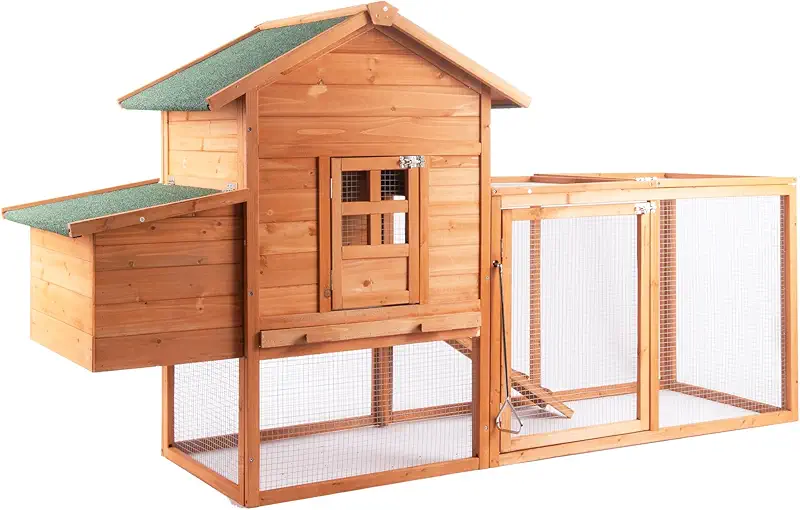
Many prefabricated chicken coops and roost systems already come with perches, but they’re not always sized or placed the way a seasoned flock would prefer. The good news is, most of them can be adjusted with a drill, a few screws, and an afternoon.
What I look for in pre-built roost setups
- Real wood or sturdy metal bars, not flimsy little dowels that flex.
- Bars placed higher than the nest boxes but still reachable.
- Enough linear length that each hen has at least 8–10 inches.
- Room under the bars for poop boards or deep bedding.
If a coop checks most of those boxes, it’s easy to tweak the rest. I’ve taken factory bars out of a small coop and replaced them with thicker lumber, and the hens took to it right away.

Frequently asked questions about chicken coop roost ideas
For most backyard flocks, I keep roosts between 18 and 30 inches off the floor. Heavy or older hens do best on the lower end, agile birds can handle a bit higher. The key is that they can hop up and down without crashing into walls, feeders, or each other. If you see birds jumping down and landing hard, add a lower “step” or drop the main roost a bit.
My go-to is a 2x3 or 2x4 board laid flat, with the edges slightly rounded. That gives a 3–4 inch surface for the birds to stand on, keeps their feet supported, and in cold weather lets them cover their toes with feathers. Avoid skinny round dowels; they’re harder on feet and don’t match how chickens naturally like to roost.
Yes. Roosts should always be higher than nest boxes. Chickens naturally head to the highest safe spot they can find, especially at night. If the nests are higher, they’ll sleep in them, and you’ll wake up to dirty eggs and messy bedding. Once you raise the roosts a bit above the nests, most birds switch over pretty quickly.
Plan for 8–10 inches of roost bar per average-sized hen. Large breeds do better with closer to 12 inches, while bantams can get by with a little less. I always give more than the bare minimum so timid hens can keep a bit of distance from the bossy ones. Extra space also helps during hot weather, when they don’t want to cram in as tightly.
They can, but the higher bars will always be the “premium seats.” If you use multi-level roosts, try to keep height differences moderate and make sure every level is sturdy and roomy. For calmer flocks, I like putting bars at the same height. That small change cuts down on shoving and chasing right at bedtime and makes the whole coop feel more relaxed.
Bringing your roost plan together
Designing roosts isn’t about impressing anyone on the internet. It’s about giving your hens a safe, calm place to sleep and giving yourself a setup you won’t hate cleaning when it’s 20°F and the wind is howling. Simple bars, solid supports, the right height, and smart planning for droppings will do more for your flock than any cute paint job.
When I walk into the coop after dark and see my birds lined up, quiet and content, that’s how I know the roosts are right. No flapping, no squawking, just a soft murmur and the rustle of feathers. Build for that feeling, and you’ll be on the right track.
Whether you decide to build from scratch or lean on ready-made chicken coops with good roost options, picture your hens at bedtime as you plan. If you can see them hopping up easily, spaced comfortably, and waking up dry and clean, you’ve nailed it.
See all chicken coop options
If you’re like me, ideas are easier when you can see real examples. Different chicken coops come with different roost layouts, from simple straight bars to multi-level systems with built-in trays. Browsing through them can spark new chicken coop roost ideas you can copy, tweak, or improve for your own flock.
Some folks start small and upgrade later, others start with something roomier and grow the flock into it. Either way, pay attention to where the roosts sit, how much room each bird gets, and how easy it’ll be to rake out what they leave behind every night.