
Chicken coop run extension
Out here on the farm I learned one thing very fast: cramped hens lay stressed eggs. Give them space, and they pay you back every morning. A good chicken coop run extension is how you turn a crowded pen into a calm, steady egg factory.
More space, calmer hens, steadier eggs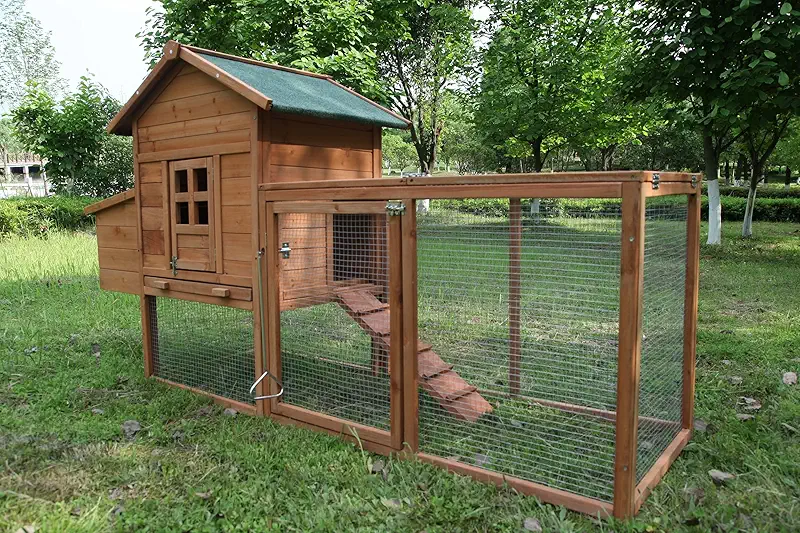
I have been raising laying hens in the U.S. for more years than my knees like to admit. I have seen winters that froze the waterers solid and summers so hot that my old rooster Stan insisted on dust baths under my truck. Through all that, one quiet upgrade made the biggest difference to egg count and bird health: giving them a larger, safer run.
When folks ask me why their hens are loud, feather‑picked, or laying less, my first question is, “How much room do they really have to wander?” Most times, the answer is, “Well… less than I’d like.” That is exactly where a solid chicken coop run extension earns its keep.
Why a chicken coop run extension matters more than fancy feeders
I like nice feeders and clever waterers as much as anyone, but space is what really changes a flock. Years ago, I started with a small prefab coop that looked cute in the yard. The box said it fit six hens. After one season I learned the hard truth: maybe six toy hens, not six real‑life Rhode Island Reds.
The girls were cramped. They paced the fence. They yelled at me. One hen, Betty, turned into the neighborhood bully and started pulling tail feathers. Egg shells got thinner, and production dropped just when I hoped it would rise.
So I added a chicken coop run extension, nothing fancy, just a solid wire run bolted to the old coop. Overnight, the whole mood of the flock changed. Betty stopped picking fights and started scratching in the dirt again. I got more eggs and fewer complaints from both hens and neighbors.
Real benefits you notice in a week
- Calmer hens with fewer pecking problems.
- Cleaner ground because waste is spread out.
- More natural behavior: scratching, dust bathing, exploring.
- Better egg production and shell quality over time.
- Less smell close to the house, because the run is larger.
You do not need a barn the size of Texas. Just a well‑planned extension you can attach to your existing coop or connect to a new one. The right chicken coop run extension turns a small starter setup into a long‑term home for your flock.
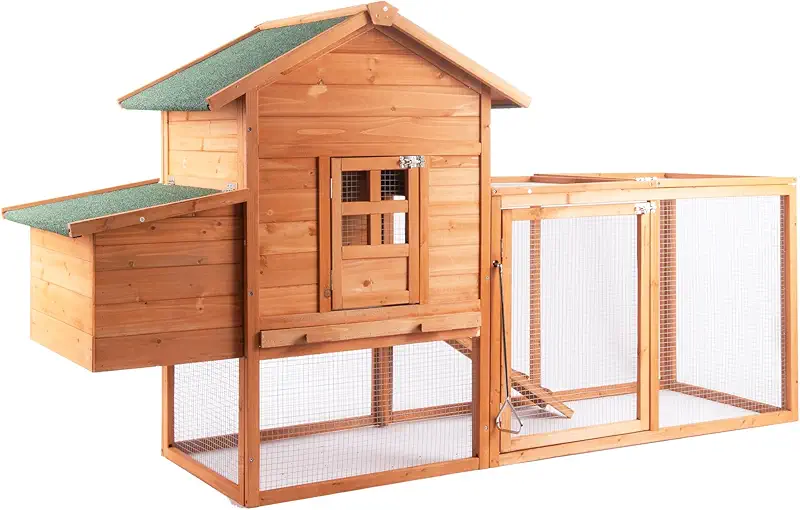
Quick space check for your flock
My rule of thumb, from years of scraped boots and collected eggs:
- At least 8–10 square feet of run space per hen if they are mostly confined.
- 4–5 square feet per hen if they free‑range daily, and the run is just backup.
- More room for bigger breeds, lazy birds, or if you work long days and cannot let them out often.
If you stand by the fence and think, “I would not want to live in there,” your hens are telling you the same thing in chicken language.
Key features to look for in a chicken coop run extension
When you start looking around, it is easy to get lost in shiny pictures. Out here on the farm, I keep things simpler. I ask, “Will this hold up through a storm? Will a raccoon laugh at it? Can my grandkids open the gate without a wrestling match?” Here is how I size up any run extension.
1. Strong wire that beats claws and teeth
Predators are the main reason I stopped trusting thin, decorative wire. Raccoons, dogs, foxes, even a determined opossum will test every weak spot. Look for:
- Sturdy metal mesh instead of flimsy poultry netting for the main walls and doors.
- Small openings so raccoon hands cannot reach in and grab a sleeping bird.
- Secure fastening to the frame: clips, screws, or heavy staples, not loose twists.
I once trusted that cheap, shiny netting on a little pen by the garden. A stray dog came through like it was cooked spaghetti. I spent the next day chasing hens and fixing damage I could have avoided.
2. A frame that does not sag by next summer
We get heavy snow in winter and hot sun in summer. Anything flimsy does not last. When I look at a chicken coop run extension, I want:
- Galvanized metal tubing or treated lumber that resists rot and rust.
- Cross‑bracing so the run does not wobble when you lean on it.
- Decent height so you can walk in without crawling like a scared possum.
Your back will thank you later. I built a short pen once, and after a week of bending in there I swore I would never build anything under my own shoulder height again.
3. A simple, honest door system
Doors are where humans get lazy and predators get bold. A good extension should have:
- A human‑sized door wide enough for a wheelbarrow or feed bucket.
- Strong latch system that a raccoon cannot open with its clever little hands.
- Easy alignment so it closes tight even after a few seasons of use.
I use double latches on my main runs: one at the middle for daily use, one higher for when storms roll in. A little extra habit saves a lot of birds.

Designing the perfect chicken coop run extension for layers
Folks often ask me, “How big should my chicken coop run extension be?” My honest answer: bigger than you think, smaller than your dreams, and built in a way you can expand again.
Step 1 – Count your birds, and the birds you will “accidentally” add
Nobody stops at three hens. You tell yourself you will, but then you see a new color egg or a pretty breed and here we go again. Plan your run extension for the flock you will likely have in two or three years, not just what you have today.
- Start with your current number of hens.
- Add 20–30% extra space for “future additions.”
- If you think you are immune to chicken math, double that number.
Step 2 – Choose the right shape
Long, narrow runs make birds pace. Squarer runs give them places to move around, dust bathe, and hide from the boss hen when she is in a mood. I like runs that:
- Attach along the long side of the coop, not just the short end.
- Have at least one corner where I can stack straw bales or place a dust bath.
- Leave room around the outside for mowing or trimming weeds.

Step 3 – Think like a predator
I love my birds, but I also respect the critters that want to eat them. When I plan any chicken coop run extension, I walk around and ask, “If I were a fox, how would I get in?”
- Look above – is there a roof or netting to stop hawks and owls?
- Look below – is the wire skirted out or buried to stop diggers?
- Look at the corners – are they braced tight, or bending already?
Do that little walk‑around often. A small weakness today becomes a big hole next month, usually on the one rainy night you skipped evening chores early.
My daily routine with an extended run
Let me walk you through a regular morning with my hens, because that is where you really feel the difference a chicken coop run extension makes.
With a decent‑sized run, I can:
- Refill feeders without birds underfoot, because they have space to wander.
- Scatter a handful of scratch grain so they go busy scratching instead of yelling at the door.
- Check every corner of the run for weak spots in under two minutes.
On muddy days, I lay a new layer of straw in one section. On hot days, I hang a tarp or shade cloth over the sunniest side. None of that would help much if the hens were crammed into a tiny pen. With an extension, they can choose: sun or shade, straw or dirt, company or a quiet corner.

Simple add‑ons that make a run extension even better
Once you have the basic chicken coop run extension in place, a few small touches can make it feel like a real chicken playground. I am not talking about cute decorations for social media. I mean things that your hens actually use.
Shade and weather cover
Hens do not handle heat as well as cold. In summer, I stretch shade cloth over part of the run or use a solid roof panel on one end. That:
- Keeps the ground dry during storms so there is always one good dust bath spot.
- Gives the birds a place to cool down mid‑day.
- Protects feeders from getting soggy and molded.
Perches and clutter
Chickens get bored staring at the same patch of dirt. I toss in:
- Old tree branches at different heights as perches.
- Straw bales for them to climb, scratch, and eventually tear apart.
- A shallow pan of dry soil, wood ash, and sand for dust bathing.
The boss hen cannot be everywhere at once, so the underdogs find their own corners. That alone cuts down on bullying more than any “no‑peck” gadget I have seen.

Modular extensions you can move or expand
I am a fan of modular panels and sections. Life changes: flocks grow, gardens move, neighbors build new fences. A run extension that can be:
- Detached and reattached.
- Connected to a second coop.
- Stretched with extra panels down the line.
…gives you options. You might start with one side of the coop and later “wrap” it around the back to create new grazing ground.
FAQ about chicken coop run extensions
Choosing a chicken coop run extension that fits your life
At the end of the day, the “best” chicken coop run extension is the one that fits your yard, your budget, and the time you actually have on a Sunday afternoon. Some folks love building from scratch. Others would rather click once, bolt a few panels together, and get back to watching hens scratch.
When you look over different options, keep this simple checklist in mind:
- Does it give each bird at least a few good steps in every direction?
- Can you walk inside easily to clean, refill, and gather stray eggs?
- Is the wire strong enough that you would trust it overnight?
- Can you add more panels later if the flock grows?
- Does it sit well on your ground, even if the yard is not perfectly flat?
If you can nod “yes” to most of those, you are on the right path.

I have built runs out of rough lumber, old fencing, and fancy panels. The birds do not care how pretty it looks. They care that it is safe, roomy, and gives them something to do between sunrise and roost time. If you keep that in mind, you will make good choices.

If your hens seem restless, loud, or crowded, giving them more safe room to roam is one of the kindest gifts you can offer. A good chicken coop run extension does not just protect your birds. It protects your peace of mind.
Take a quiet minute, picture the kind of yard you want your hens to have, and look over the different run styles until one just feels right for your flock and your chores.
I’ll browse coops now