
Chicken coop run
Chicken Coop Run
Out here on the farm, a good chicken coop run is the difference between happy hens and daily headaches. Let me walk you through what really matters, from a farmer who has chased more than one hen across the yard at sunrise.
If you’re thinking about a new chicken coop run, or trying to fix the one you’ve got, I’ll share what’s worked (and what’s gone sideways) with my own flocks over the years.
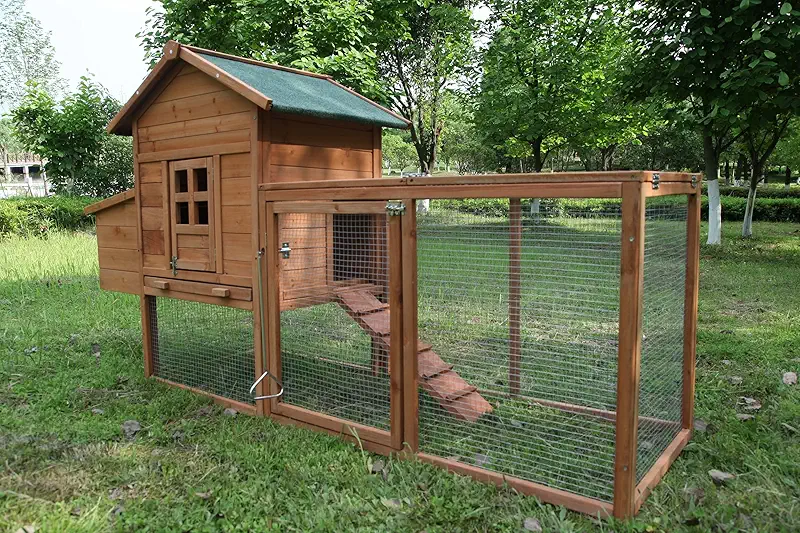
Why a good chicken coop run matters more than folks think
When people ask me about keeping laying hens, they usually start with, “What coop should I get?” I always smile and answer, “Let’s talk about your chicken coop run first.” The coop is where they sleep and lay. The run is where they actually live their day. That’s where they stretch, scratch, gossip, argue, and work on those eggs.
Years ago, when I hurried my first set‑up, I thought any fenced area would do. I was wrong. I built a tiny run, didn’t cover the top, and laid the wire right on the ground. Within a month I had muddy birds, missing feathers, and one very proud raccoon who thought I had opened an all‑you‑can‑eat buffet.
Once I took the chicken coop run seriously, egg production climbed, feather picking stopped, and the girls started greeting me at the gate instead of hiding in the corners. Funny how much smoother farm life gets when the animals are content.
- Healthy hens: more room and clean ground mean stronger immune systems and prettier feathers.
- Better eggs: less stress gives you steady laying and nice, hard shells.
- Less smell: a well‑planned run doesn’t hit you in the nose from across the yard.
- Less work: good design means you rake and clean smart, not hard.
- Peace of mind: strong fencing and a roof keep predators guessing and hens resting.
How big should your chicken coop run be?
This is the question I wish I’d asked before I bought my first batch of 20 pullets. My rule now is simple: give them more room than any chart on the internet says, if you can. Charts are written by people with dry boots. Real hens make mud, dust, and chaos.
On my place, I aim for at least 15 square feet per hen. When I pushed it down around 8–9 square feet, I saw more fighting, more pecked combs, and hens pacing the fence like bored teenagers at a school dance.
If you’re working with a smaller yard, focus on:
- Vertical space: perches, branches, and platforms give them more places to spread out.
- Rotation: if you can, have two runs and let one rest while they use the other.
- Deep litter: build up clean, dry ground instead of letting everything turn to muck.
Don’t beat yourself up if you can’t build the “perfect” chicken coop run. Just remember: every extra foot of space you give them pays you back in quiet, steady eggs.
Floor, fence, and roof: building a run that actually holds up
Most of the trouble I’ve ever had with chickens came from one of three weak spots: something dug under, slipped through, or flew over. Predators are patient. Once they figure out your chicken coop run, they’ll keep coming back like it’s a drive‑thru.
1. The ground under their feet
First time I set up a run, I just parked it on bare dirt. Looked fine for about a week. Then rain came, the chickens scratched, and I found myself with a mud wrestling pit that happened to contain birds.
These days, I think in layers:
- Base soil: Slightly sloped if you can, so water runs off and doesn’t pool.
- Wire apron: Hardware cloth laid flat around the outside, 12–18 inches out, covered with soil. Stops diggers like dogs, foxes, and raccoons.
- Top layer: Sand, wood chips, or a mix, at least a few inches deep. Dry, drainy material is your friend.
Sand close to the coop door and heavier wood chips farther out has worked well for me. Sand stays easy to rake where traffic is heavy, and the chips help keep the rest of the chicken coop run from turning into a swamp.
2. The fence that keeps everyone honest
I’ve watched a determined raccoon test a fence like a jail inmate checking for loose bars. If you ever think, “Eh, that’s probably good enough,” just know there’s a raccoon somewhere who would like to prove you wrong.
For a solid chicken coop run fence, I look for:
- Hardware cloth at the bottom: 1/2 inch or 1/4 inch, at least 24 inches up from the ground. Keeps out most varmints and rats.
- Stronger wire above: Welded wire or good quality mesh is fine higher up where critters can’t easily chew.
- Sturdy posts: Set in the ground, not just stuck in soft soil. Wind and snow have opinions, too.
A lot of modern chicken coop run kits use a mix of panels and mesh. That’s fine, as long as the bottom two feet are tough and tight.
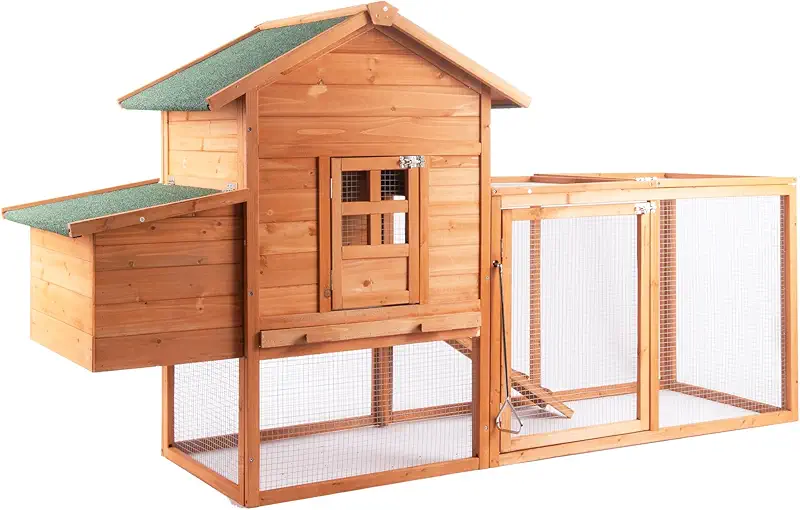
3. Don’t forget the roof
I used to think, “My birds don’t fly that high, they’ll be fine.” Then one day I walked out and found a hawk sitting on the fence, giving me a look that said, “You mind if I grab lunch?” That was the last day I left a chicken coop run uncovered.
- Solid roof: Great near the coop door to keep mud down and give shade.
- Wire roof: Works well over the rest of the run to keep hawks and owls out.
- Netting: Better than nothing, but needs checking and tightening.
A mix of solid over part and wire over the rest is my favorite set‑up. Hens get a dry spot for dusty days and a sunny patch for scratching.
Designing a chicken coop run for happy laying hens
Hens don’t need fancy, but they do need a few simple things: room to move, dry feet, fresh air, and something to do besides fuss at each other. When I started treating my run like a little outdoor living room instead of just a pen, the whole flock settled down.
Lay down a thicker layer of chips or straw where rain tends to hit. Hens hate standing in cold mud as much as you do.
Give them both. Mine love scratching in a sunny patch on cold mornings, then napping in the shade after lunch.
A few sturdy branches or boards up off the ground let shy hens escape the bossy ones.
A low box or pit of dry soil, sand, and a little wood ash keeps mites off and hens happy.
Spread them out so low‑ranking birds can eat and drink in peace. I learned that one the hard way.
A pallet leaned against the fence or a small panel makes a hide‑away for picked‑on hens.
My best layers over the years have always been the ones who seemed relaxed in the run – not the biggest birds or the fanciest breeds, just the ones who could scratch, dust bathe, and nap without getting pushed around.
When you look at ready‑made chicken coop run setups, I like to picture how a hen actually moves through the space. Can she get from the coop door to feed, to water, to shade, to a dust bath, without being trapped in tight corners? If the answer’s yes, you’re on the right track.
My experience with different chicken coop run setups
Over the years I’ve tried just about everything: homemade scrap‑wood runs, welded‑wire rectangles, covered units on skids, and some nicer prefab runs that came in more boxes than a kid’s Christmas morning.
Here’s what stands out from all those experiments:
- Built‑from‑scratch runs: Strong and custom, but took me more weekends than I care to admit.
- Simple panel runs: Quick to set up, easy to move, but needed extra hardware cloth at the bottom.
- Covered walk‑in runs: Easiest on my back – I could walk in, rake, and clean without ducking.
- Light mobile runs: Great in dry weather, less fun in a wet spring when ground gets soft.

Walk‑in height is one of those things you don’t think about until you’re cleaning on a rainy day. I’ve shoveled out low runs on my knees, and I’ve cleaned tall ones standing up. My knees cast the deciding vote: tall wins.
When I look over a new chicken coop run option nowadays, I ask myself:
- “Can I fix or strengthen this if I need to?”
- “Can I walk in and clean without crawling?”
- “Can I move it, or is it staying put for good?”
- “Will this still feel sturdy after five winters and a few storms?”
If you look at different chicken coop run styles and think, “I’d like to see all the shapes and sizes side by side,” you’re not alone – that’s exactly how my brain works too.
Keeping your chicken coop run clean and low‑smell
A chicken coop run doesn’t have to stink. If you can smell it from the driveway, something’s off. When neighbors tell me, “We’d love hens but we don’t want the smell,” I just shake my head. A well‑kept run smells mostly like dry earth and a little like a barn – which, to me, smells like home.
My simple cleaning routine
Here’s how I keep things in shape without living out there with a rake:
- Daily: Knock down wet spots under the waterers, toss a little dry litter over fresh droppings.
- Weekly: Quick rake to level high spots and pull out any big clumps or wet areas.
- Seasonal: Add a new layer of chips, shavings, or straw a few times a year, depending on weather.
Deep litter in the run – building up layers instead of stripping everything out – can work well as long as it stays dry and fluffy on top. If it ever gets soggy and smells sharp, it needs fresh air and more carbon (wood chips, straw, shredded leaves).

Water and mud control
Chickens are messy drinkers. I like gravity waterers or nipple systems hung at back‑height so they can’t kick bedding into them. I keep water on a small platform of bricks or boards, with sand or gravel under it. That keeps most of the mud in one small area instead of halfway to the garden.
If you’re setting up a new chicken coop run, plan your water spot first. It will save you a lot of muddy boot prints later.
Predator‑proofing your chicken coop run
I like to say every predator in the county got a text message the day I brought home my first batch of pullets. It felt like they all showed up at once to check my fencing.
Around here we deal with raccoons, foxes, coyotes, neighborhood dogs, hawks, and the occasional owl. Your area may be different, but one truth holds everywhere: if they can fit their head through a hole, they’ll try.
- Diggers: Use a hardware cloth apron or bury wire 8–12 inches deep along the fence line.
- Climbers: Raccoons can climb like monkeys. Tight mesh and a roof are your friends.
- Fly‑ins: Hawks love an open run with nowhere for hens to hide. Provide cover and overhead protection.
- Rodents: Small mesh at the base keeps rats from sneaking in after feed.
I also like a simple routine of walking the chicken coop run each week, looking for:
- Loose staples or screws.
- Gaps where the ground has settled.
- Any bent wire or chewed spots.

One thing I learned the hard way: raccoons are smart with their hands. If a latch is as simple as lifting a hook, they can figure it out. I use double‑action latches or carabiners. If I have to use two fingers to open it, I figure that slows the raccoons down a bit.
Making your chicken coop run work year‑round
Chickens handle cold better than heat, but an exposed, soggy run is hard on them in any season. I’ve stood out there in a January wind, watching hens tuck one foot up to stay warm, and promised them, “I’ll do better next year.” Over time, I did.
Winter tweaks
When the cold sets in, I:
- Add extra dry bedding in the run, focusing near the coop door.
- Wrap the windward side with a windbreak (not fully sealed – they still need air).
- Shovel paths through deep snow so they can walk out without disappearing.
A well‑covered chicken coop run lets hens get fresh air and exercise even on chilly days, which helps keep eggs coming and combs bright.
Summer comfort
In hot weather, shade and water rule. I hang extra waterers, make sure there’s airflow, and sometimes hose down a small patch of sand so they can stand on cool ground. A bit of afternoon shade over part of the chicken coop run can make a big difference.

No matter the season, I like runs that let me make small changes – add a panel here, shift a shade cloth there – without rebuilding the whole thing.
Choosing a chicken coop run that fits your life
There’s no single “best” chicken coop run. There’s the one that fits your yard, your weather, and your back. I’ve had young years where I didn’t mind hauling heavy panels around, and busier years where I wanted something simple and steady I could mostly ignore.
When friends ask me what to look for in a run, I tell them to think about:
- Yard size: Can you go wider, or do you need to go taller and make use of vertical space?
- Predators: If you know you’ve got raccoons and hawks, don’t skimp on mesh or roofing.
- Moving vs. staying put: If you want green ground more often, lean toward lighter, mobile styles.
- Time and tools: If you don’t own many tools, a kit with pre‑drilled parts can save your weekend.
- Flock size today and tomorrow: We both know chicken math is real – leave yourself some growing room.

I like to browse different chicken coop run styles side by side – walk‑in, low, covered, open‑top, small backyard models, and bigger farm units. Seeing all those options together helps you picture what will actually sit well on your land.
Chicken coop run FAQ
Bringing it all together
A good chicken coop run doesn’t have to be perfect, just thoughtful. Give your hens space, dry ground, fresh air, and solid fencing, and they’ll pay you back in eggs and peaceful mornings. I’ve had fancy set‑ups and rough‑cut, make‑do ones, and the runs that worked best were always the ones I could keep clean and secure without breaking my back.
If you’re looking over your yard right now, trying to imagine where a run would sit best, that’s exactly how I started too. Take a walk, watch how the sun moves, notice where water sits after rain, and picture yourself carrying a feed bucket through there in February. Build for those real days, not just pretty pictures.

When you’re ready to see different chicken coop run sizes and styles side by side, it helps to browse a whole range in one place – small backyard runs, walk‑in models, long covered tunnels, and sturdier farm‑grade setups. Somewhere in that mix is the one that fits your birds, your land, and your daily routine.