
I’ve raised hens on this dusty old patch of American soil for more years than I’ve had birthdays I want to count. When a good chicken coop sale pops up, folks get excited and click fast. Problem is, a cheap coop that falls apart in the first storm will cost you more than a solid one ever would. Let me walk you through how I think about coops, eggs, and happy hens, so you can choose something that actually works in the real world.
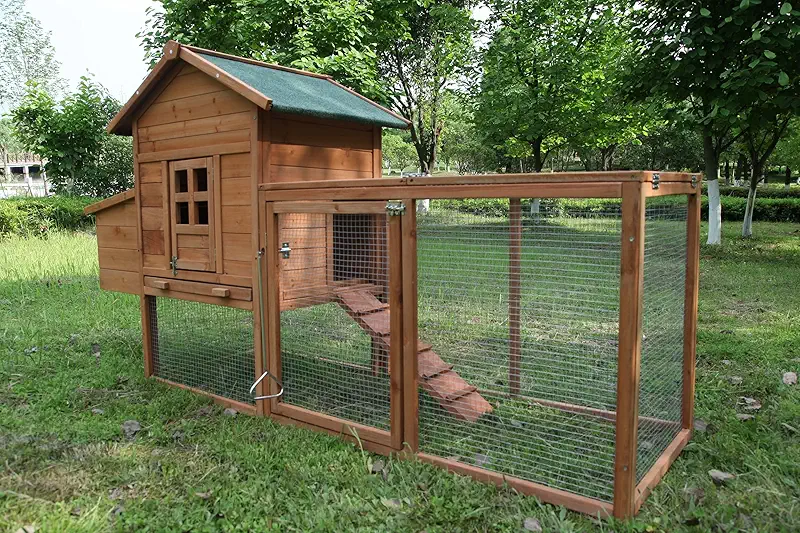
I’ll talk like a farmer, not a salesman. You decide what feels right for your flock.
Chicken Coop Sale
What I Look For When A Chicken Coop Is On Sale
A “chicken coop sale” sounds mighty tempting when you’re dreaming of fresh eggs and clucking hens in the backyard. But out here on the farm, I’ve learned that a bargain coop that sags, leaks, or lets in a fox isn’t a bargain at all. When I scroll through a sale page, I don’t look at the price first. I look at what’s going to keep my birds dry, safe, and laying steady.
I like to say the hens pay their rent in eggs, but only if we do right by them. That starts with four simple things in any coop:
- Strong frame that won’t wobble after one windy night
- Dry floor and good roof so your birds never sit in damp bedding
- Real ventilation that doesn’t turn into a draft straight on the birds
- Predator protection that makes raccoons swear and go elsewhere
When you’re looking through a chicken coop sale, keep those in your back pocket. Fancy colors and cute trim don’t mean anything if your hen wakes up eye-to-eye with a possum.
Wood, Metal, Or Plastic: What Survives Real Farm Life
Over the years I’ve kept hens in just about everything that could stand upright: old sheds, store-bought coops, home-built monsters only a farmer could love. Each material has its own personality, and during a chicken coop sale you’ll usually see all three: wood, metal, and plastic.
Wooden Coops
Wood looks nice and feels “farmy”, and a solid wooden coop can serve you for a decade if you take care of it. Trouble is, on the cheaper end, you get soft wood that warps, swells, and starts to flake like a biscuit in a rainstorm.
- Pros: Warm look, easy to repair, simple to add roosts or nest boxes.
- Cons: Can rot, soak up moisture, and invite mites if not maintained.
On a sale page, I look for close-up photos of the boards. If I can almost count the growth rings, that’s good. If it looks like thin, fuzzy pallet wood, I pass.
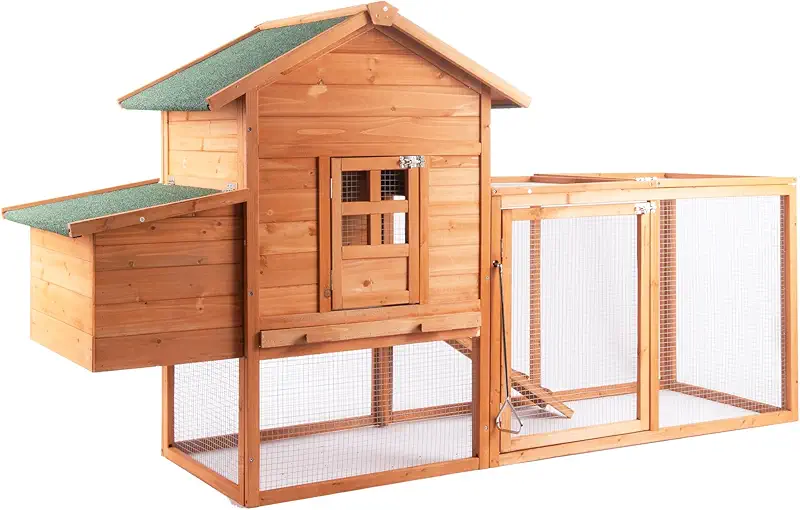
Metal Coops
Metal coops can be sturdy and predator-resistant, but they can also turn into an oven in July and a freezer in January. I don’t mind metal panels if they’re paired with good shade and ventilation.
- Check for vents along the roofline or gable ends
- Look for reviews mentioning summer heat inside the coop
- Make sure sharp edges are covered; chickens are curious and clumsy
Plastic Coops
Plastic used to make me raise an eyebrow, but some of the newer molded coops aren’t half bad. They’re easy to hose out and mites don’t love smooth plastic. On the downside, they can be lighter and easier for the wind to shove around.
During a chicken coop sale, plastic coops can be tempting because they’re quick to assemble. If you’re going that route, I like to see:
- Thick panels that don’t flex too much when you push on them
- Good locking latches, not just little plastic tabs
- Vent holes high up, not down where the birds roost
How Big Should A Coop Be For Your Flock?
Folks ask me all the time, “How big should my coop be?” My answer is always, “Bigger than you think, because chicken math is real.” You start with four hens, then someone offers you a pretty pullet, then you spot another breed on sale, and next thing you know the coop’s full.
A common rule of thumb is:
- Inside the coop: 3–4 square feet per hen for laying breeds
- Outside run: 8–10 square feet per hen
| Flock size | Minimum coop space | Comfortable coop space | Run size (minimum) |
|---|---|---|---|
| 2–3 hens | 6–9 sq ft | 10–12 sq ft | 20–30 sq ft |
| 4–6 hens | 12–18 sq ft | 18–24 sq ft | 40–60 sq ft |
| 8–10 hens | 24–40 sq ft | 32–48 sq ft | 80–100 sq ft |
| 12–15 hens | 36–60 sq ft | 48–72 sq ft | 120–150 sq ft |
When I scan a chicken coop sale page, I grab the tape measure and compare those numbers to the product dimensions. Pictures can make a tiny coop look like a barn. The numbers don’t lie.

Keeping Hens Laying Through The Seasons
A good coop doesn’t just keep birds alive; it keeps them comfortable enough to lay well. I’ve watched egg numbers drop every time the coop got too hot, too cold, or too crowded.
Ventilation Without Drafts
Think of a coop like your pickup cab. You want fresh air, but you don’t want the wind slapping you in the face. Same for hens. Ventilation should be above their heads, not blowing across their backs on the roost.
- Look for vents or windows up high, near the roof
- Make sure openings are covered with hardware cloth, not flimsy chicken wire
- A small window you can crack open in summer is worth its weight in omelets
Light And Nest Boxes
Hens like a little light to move around and a little darkness to lay. I prefer coops with windows that let in morning sun, and nest boxes that feel cozy and hidden.
If the coop you’re eyeing during a chicken coop sale doesn’t show the inside of the nest boxes, I look for at least these details in the description:
- One nest box for every 3–4 hens
- Low lip at the front so eggs don’t roll out
- Easy exterior access so you’re not crawling in for eggs
Predator Protection: The Part The Fox Hopes You Ignore
Out here, everything with teeth and free time wants a chicken dinner. Raccoons have hands like locksmiths, foxes can dig, and hawks watch from up high like they’re shopping.
When a coop is on sale, sometimes the first corners cut are the latches and the wire. I’d rather save ten bucks on paint than two bucks on the lock that keeps my hens alive.
Latches And Doors
- Look for metal latches that need two motions to open, not simple hooks
- Sliding pop doors should have a way to lock them closed at night
- Egg doors should shut snugly with no big gaps
Wire And Run
There’s a big difference between “chicken wire” and “hardware cloth”. Chicken wire keeps chickens in, but doesn’t always keep predators out.
- Hardware cloth (small square mesh) is best for weak spots and windows
- Bury wire 8–12 inches into the ground or bend it outward like a skirt to discourage digging
- Check that the run framing is strong enough not to twist when you push on it
Assembly, Maintenance, And The Truth About Cheap Coops
Let me be honest: most “flat-pack” coops that show up at your door will need a little farmer tinkering. Pre-drilled holes don’t always line up, a screw might be missing, and a board might need an extra brace.
That’s not always a dealbreaker. I just plan on adding a handful of my own screws and a little extra sealant, especially if the price was good.
Before You Click On That Sale
- Read the worst reviews first and see if problems are fixable
- Check how many people say “flimsy” or “smaller than expected”
- Look for real photos from backyards, not just pretty catalog pictures
I treat a chicken coop sale like buying a used truck. I expect a few scratches, but I don’t accept a bad engine. With coops, the “engine” is the frame, roof, and predator protection.

Real-Life Daily Care: How Your Coop Helps (Or Hinders)
A coop isn’t just where chickens sleep. It’s where you’ll spend a few minutes every single day, in the cold, in the heat, in the rain, wondering why you didn’t make things easier on yourself.
Doors, Height, And Access
When I was younger, I didn’t mind crawling into tight spaces. These days, my knees protest like a union. So I look for coops that respect the human caretaker too.
- Can you reach every corner with a rake or scraper?
- Is the door wide enough to carry a feeder or bedding bale?
- Can you collect eggs without stepping in fresh droppings?
A chicken coop sale is the perfect time to upgrade from “I can squeeze in there” to “I can easily reach everything without a yoga class.”
Cleaning And Bedding
A coop that’s easy to clean is a coop that actually gets cleaned. I like:
- Removable trays under roosts or at least smooth floors with no deep cracks
- A door or panel that opens wide so I can shovel bedding straight into a wheelbarrow
- Roosts that lift out if I really need to scrub
My hens repay that effort with cleaner eggs and healthier lungs. Dust and ammonia build up fast in tight spaces, especially in winter when everything’s closed up.

Mobile Coops, Stationary Coops, And Backyard Setups
Not everyone has a pasture and an old red barn like I do. Maybe you’ve got a city backyard, a small suburban lawn, or a few acres with trees. The right coop for you depends a lot on where it’s going to sit.
Mobile “Tractor” Coops
These are coops you can drag or wheel to fresh grass. Hens love new ground, and your lawn loves free fertilizer.
- Look for strong wheels that won’t sink in soft soil
- Check the handles or frame—can one person move it?
- Make sure the run part sits flush to the ground so nothing sneaks under
Stationary Coops
Bigger, heavier coops that sit in one spot are usually better for larger flocks or colder climates. With a good chicken coop sale, you might find a solid, walk-in style coop that gives you room and stability.
Just remember: once you set it down and fill it with birds and gear, you’re probably not moving it again without a tractor.
My Simple Checklist For Any Chicken Coop Sale
To keep myself from getting distracted by cute windows and barn-style trim, I use a simple checklist whenever I look through a chicken coop sale online. You’re welcome to borrow it and make it your own.
- Size: Enough room for current hens plus at least two more
- Frame: No obvious wobble, decent thickness on boards or metal
- Roof: Sloped, with an overhang to push water away from walls
- Floor: Stays dry, high enough off the ground or well-drained
- Ventilation: Vents or windows high up, not just gaps around doors
- Predator safety: Hardware cloth where it counts, solid latches
- Access: Egg door, clean-out door, and easy human access
- Reviews: Real photos and plenty of feedback from folks who’ve used it a few seasons
If a coop passes most of that list and the price is fair, I start to get that little tickle of excitement. Not “shiny new toy” excitement—more like “my hens are going to like this” excitement.
Why A Good Coop Makes Better Eggs
I can usually tell how well a flock is housed just by looking at the eggs. Thin shells, dirty shells, or hens that stop laying early in the year—there’s often a coop story behind it.
A coop that stays dry, gives hens space, and keeps stress low leads to:
- Cleaner eggs with fewer cracks
- Steadier laying even when the weather swings
- Calmer birds that don’t pick on each other
So when you’re scanning a chicken coop sale and trying to justify the cost, remember you’re not just buying wood and wire. You’re buying a little egg factory for years to come—powered by feathers and scratch feed.


Starting Small, Growing Smart
If you’re just starting with chickens, I’d rather see you in a modest, sensible coop than some big fancy setup. Chickens don’t care how it looks on Instagram. They care how it feels at roost time.
I often suggest beginners:
- Start with 3–4 hardy laying hens
- Pick a coop that fits 6–8 birds so you have wiggle room
- Spend a little extra effort on predator proofing right away
Then, after you’ve gone through a full year—summer heat, fall molting, winter cold snaps, and muddy spring—you’ll know exactly what you want in your next upgrade.
FAQs About Choosing A Coop During A Chicken Coop Sale
Ready To Look At Coops With A Farmer’s Eye?
If you’ve made it this far, you’re already ahead of most folks who click “add to cart” just because they like the paint color. You know to check the space, the frame, the roof, the predator protection, and how easy it’ll be to live with day after day.
A good chicken coop sale can be a real blessing when you’re starting or growing a flock. Just remember: it’s not about perfect. It’s about safe, dry, and easy to care for. Your hens don’t care if the trim is fancy. They care that the roost is solid and the feed shows up on time.
I still get a little spark of joy when I walk out at dusk, hear that low contented murmur from the coop, and know everyone’s tucked in safe. That feeling starts with choosing the right coop.

If you’d like to wander through the different styles and sizes with all this in mind, take your time and picture your hens in each one. Imagine opening those doors on a cold morning, gathering warm eggs, and knowing you picked a good home for them.
Show me the coops