
Chicken coop sand bedding
Chicken Coop Sand Bedding: how an old farmer keeps hens clean, dry, and laying steady.
I have been walking into chicken coops since before my boots even fit right. Over the years I have tried just about every kind of bedding you can toss on a coop floor. Straw, shavings, leaves, you name it. These days though, chicken coop sand bedding is what keeps my hens comfortable and my own back a little less sore.
Sand, when you choose the right type and use it correctly, can turn cleaning from a dreaded chore into something you can handle in ten or fifteen minutes with a coffee in one hand and a scoop in the other. It is not magic, and it is not perfect, but it is mighty close if you understand how it behaves and what your birds need.
Let me walk you through how I use chicken coop sand bedding on my U.S. farm, what has worked, what has flopped, and the little tricks I wish someone had told me back when I was still shoveling soggy straw out of the coop every weekend.
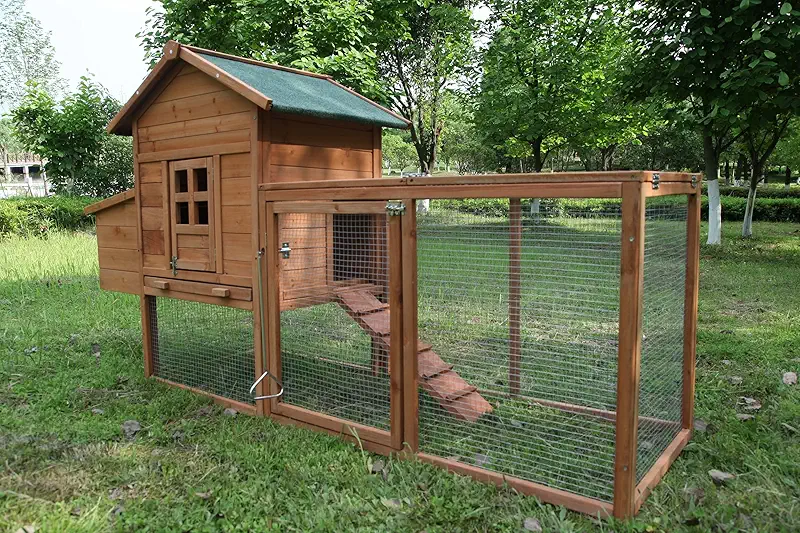
If you are wondering what kind of coops and setups work well with sand, you can look at different styles and imagine your flock scratching around in them.
Let me browse coopsWhy I switched to chicken coop sand bedding
When I first started, I used straw because that is just what everyone around me did. It smelled like a barn should smell, the hens scratched in it, and I could get bales cheap from neighbors. But after a few hot summers I realized something: those pretty straw floors were hiding a lot of moisture and a lot of ammonia. I would open the coop door and my eyes would sting some mornings. That is not good for you, and it is sure not good for the birds.
I finally tried chicken coop sand bedding after a friend of mine, another stubborn old farmer, admitted he had changed his mind about it. He told me, “I hate to say it, but sand is winning.” I listened, and I am glad I did.
What changed when I moved to sand
- Smell dropped fast. With the right sand, droppings dry quicker. Less smell, less ammonia, fewer flies.
- Cleaning got simple. Instead of hauling out wheelbarrows of nasty bedding, I sift like you would clean a cat litter box.
- Feet and feathers stayed cleaner. Hens spend their lives walking on that floor. Dry, loose sand is kind to their feet.
- Less mud in the run. In my covered run, sand kept things from turning into a muddy soup every time it rained.
I am not here to sell you sunshine and roses; sand has its downsides too. It is heavy. You need the right type. And in some climates it is not the best choice for winter. But for many backyard keepers here in the States, chicken coop sand bedding can be a real blessing when used with some common sense.
Choosing the right sand for your coop
This part matters more than most new folks realize. Not all sand is the same, and the wrong kind can cause more trouble than it solves. I learned that the hard way after picking up a load of cheap sandbox sand that turned into sticky mush the first wet week we had.
Types of sand you want to look for
When you are planning chicken coop sand bedding, you want something that drains well, stays loose, and does not turn into concrete when it dries. Around the farm, these are the types I look at:
- Construction or coarse sand. Larger grains, some little pebbles, feels gritty in your hand. This is my go-to for coop floors and runs.
- River or bank sand. Natural sand with mixed grain size. Decent as long as it is not too fine or muddy.
- Washed sand mixes. Some bagged sands for landscaping work nicely if they are coarse and washed, not powdery.
What I avoid is soft, powdery sand that clumps like wet flour. That stuff cakes on boots, holds moisture, and can be dusty.

What to avoid in chicken coop sand bedding
- Play sand. Most play sand is ground too fine. It compacts, gets dusty, and does not drain well.
- Masonry sand only. Fine masonry sand can pack tight. If used, I mix it with coarser material.
- Sand with a lot of clay or silt. The more “dirt” in it, the muddier it will get when wet.
Farmer tip: grab a handful of sand, squeeze it, and open your hand. If it falls apart easily instead of clumping tight, it is usually the right direction for chicken coop sand bedding.
How deep should chicken coop sand bedding be?
Folks often ask me, “How much sand do I need?” Well, like most farm answers, it starts with “it depends.” But I can give you some simple numbers that work on my place.
Inside the coop
- 3–4 inches of sand is a good starting point for most solid floors.
- Go a little deeper if your coop floor is uneven or you are over bare ground, maybe 4–6 inches.
- Keep it level so droppings do not build up in low spots.
Too thin and you will see bare floor and more mess. Too deep and it gets harder to sift and heavier on the structure. Think of it like a good mattress for your hens’ feet, not a beach dune.
In the run
In an outside run, especially if it is covered, I lean toward the deeper side:
- 4–6 inches handles scratching and digging better.
- Top off with a fresh inch or so once or twice a year as it settles and mixes with droppings.

Watch how your birds move. If they are slipping, floor is too smooth or thin. If they are struggling to walk because it is like wading through deep drifts, you might have a bit too much in there.
Daily care of chicken coop sand bedding
Sand will not take care of itself. It makes things easier, not effortless. My routine is simple, and it keeps the coop looking and smelling good most days.
My morning sand routine
Every morning, usually with a thermos of coffee in hand, I do this:
- Quick walk-through. I look at the floor, corners, around feeders and under roosts.
- Spot clean droppings. I use a scoop with ¼ to ½ inch mesh to sift out manure and any wet clumps.
- Fluff high-traffic areas. A small rake or even a sturdy garden fork works to loosen packed paths.
- Check moisture. If a spot feels damp, I rake it out shallow and let air reach it.
Taking ten minutes daily is far easier than ignoring it for two weeks and then spending an hour cursing while you shovel. Ask me how I know.
Weekly and seasonal upkeep
- Weekly: Deeper raking, especially under roosts where most droppings land.
- Monthly: Remove any obvious buildup and top up low spots with fresh sand if needed.
- Twice a year: I do a bigger clean-out, pulling some of the oldest sand and replacing with new.

Do not throw used sand and droppings straight on delicate plants. Pile it, let it compost, and then work it into the garden. Your tomatoes will thank you later.
Health benefits and concerns with chicken coop sand bedding
Healthy hens lay better eggs and give you fewer worries at night. Sand affects both feet and lungs, so it is worth understanding the trade-offs.
Good news for your flock
- Drier feet. Dry, loose sand means fewer problems with bumblefoot and skin issues between toes.
- Cleaner eggs. When the coop floor and run stay drier, hens track less muck into the nest boxes.
- Grit source. Coarse sand gives the birds some natural grit as they peck and scratch.
- Fewer parasites. Moisture is a friend to many parasites. Drier bedding means a less friendly home for them.
Things to watch out for
Just because I like chicken coop sand bedding does not mean I ignore its weaknesses.
- Dust. Very fine sand, especially if it dries out completely in hot weather, can get dusty. That is hard on lungs, yours and theirs.
- Cold floors in winter. Sand does not hold warmth like deep litter does. In very cold regions, I sometimes switch strategies or use more bedding on top.
- Heavy loads. Sand is heavy. Old wooden floors and small backyard coops may need you to be cautious about how much weight you add.

If you walk into the coop and see clouds of dust when the hens flap, it is time to rethink your sand type or moisture level. Your nose and your lungs are pretty good inspectors.
Using chicken coop sand bedding in different climates
One thing I have learned from talking with other farmers from Maine to Arizona is that the same bedding behaves differently in different weather. Sand can be a blessing in heat and a bit of a challenge in bitter cold.
Hot and dry areas
In hot southern or western states, chicken coop sand bedding can shine if you manage dust. Some hens even like to lie in cool sand on the warmest days.
- Provide good airflow so dust does not linger.
- Mist the sand ever so lightly on very dry days if it is getting too dusty, but do not soak it.
- Offer a separate dust bath spot with wood ash and soil, so they are not kicking up your whole floor.
Wet and muddy regions
In wetter climates, sand in a covered run is worth its weight in gold. I learned this after a spring where my old dirt run looked like a pig wallow.
- Keep as much of the run as you can roofed to keep off heavy rain.
- Make sure water from the yard does not drain into the run and pool there.
- If sand does get soggy, rake and open it up to air and sun.

Cold and snowy winters
Here is where some folks part ways with sand. In hard winters, that floor can feel pretty chilly.
- Consider using sand only in the run, and deeper shavings or straw inside the coop in winter.
- If you keep sand inside, make sure your birds have plenty of roost space and are off the floor at night.
- Cut drafts but keep ventilation high to manage moisture without freezing your flock.
Picking a coop that works well with sand
Not every coop is equally friendly to chicken coop sand bedding. The structure matters almost as much as the bedding itself. I have built coops that loved sand and a couple that fought me every step of the way.
Coop features that pair nicely with sand
- Solid, strong floor. Whether wood, concrete, or well-packed earth, it needs to support the weight.
- Good access doors. A wide door that lets you bring in and remove sand without performing acrobatics.
- Decent headroom. Enough space to swing a rake and move a scoop without bumping your head on rafters.
- Roosts placed over one main area. Easier to clean droppings when they mostly land in the same zone.
If you are still at the stage of choosing a coop, it is handy to look at different models and picture yourself standing in there on a cold morning, scoop in hand. If it looks hard to reach corners in the photo, it will feel worse in real life.
Take your time and look over a variety of chicken coop designs. Notice floor height, door size, and how easy cleaning would be if you switched to sand.
I’ll scan some coops
Real-world pros and cons of chicken coop sand bedding
Let me lay it out simple, the way I wish folks had done for me when I first heard about sand in the coop.
What I like about sand
- Easy daily cleaning with a scoop and rake.
- Less smell and less mud.
- Good footing for the hens when it is dry and loose.
- Helps keep eggs cleaner because feet stay cleaner.
- Can last a long time if you top it up now and then.
What still annoys me about sand
- It is heavy to move the first time you set it up.
- Fine sand can get dusty and hard on lungs.
- Not the warmest choice in very cold winters.
- Wet, poorly drained sand can turn into a heavy mess.

Like most things in farming, there is no one “perfect” way, only what works best on your land with your birds and your weather. For a lot of backyard keepers though, chicken coop sand bedding hits a nice balance between clean, simple, and affordable once the first load is in place.
FAQ about chicken coop sand bedding
1. Is chicken coop sand bedding safe for my hens?
Yes, when you use the right kind of sand and keep dust under control, it is generally safe and comfortable. Coarse construction-type sand with mixed grain sizes is what I aim for. Avoid very fine, dusty play sand. Make sure your coop is well ventilated so any dust or ammonia does not build up. I have raised many healthy hens on sand floors when those basics were in place.
2. How often should I replace the sand in my coop?
You do not usually have to dump all the sand on a fixed schedule. I spot clean daily and rake weekly. A couple of times a year, I remove the oldest, dirtiest sand—usually a few wheelbarrows—and top up with fresh. In a small backyard coop, that might mean changing out part of the sand every six to twelve months, not the whole thing unless it is badly fouled or staying wet.
3. Can I use chicken coop sand bedding in the nesting boxes?
You can, but I usually do not. I prefer soft material like straw, pine shavings, or even dried grass in the nest boxes so the eggs have a gentle landing and do not crack. Sand can work if it is shallow and you collect eggs often, but most hens seem to settle more calmly into a softer nest. I keep sand on the floor and something cozier where the eggs are laid.
4. Will sand freeze in winter and hurt my chickens?
Sand will get cold and may crust on top in freezing weather, but what really matters is whether your birds can roost up off the floor and stay out of drafts. In very cold regions, I lean toward deep litter inside the coop and keep sand in the covered run only. If you stay with sand inside, give them high, sturdy roosts and extra bedding in nest boxes so they are not sitting on cold surfaces at night.
5. How do I know if chicken coop sand bedding is right for my setup?
Look at three things: your climate, your coop design, and your own habits. If you live where it is warm or mild, have a coop with a strong floor and good access, and you are willing to do quick daily spot cleaning, sand can be a very good match. If your winters are brutal, your coop floor is weak or raised high, or you know you tend to skip chores for days at a time, you might be happier with a deep litter system instead, or using sand only in the run.
If you are picturing your own birds scratching around on clean, dry chicken coop sand bedding, the next step is finding a coop that fits your yard, your weather, and your flock.
Show me all coops