
When folks ask me how I keep my girls laying through those long, cold snaps, I usually smile and say, “Sun does most of the work. I just bolt it to the coop.” That is really what a good chicken coop solar heater is: a way to catch the sunshine we already get and turn it into gentle, steady warmth for our birds.
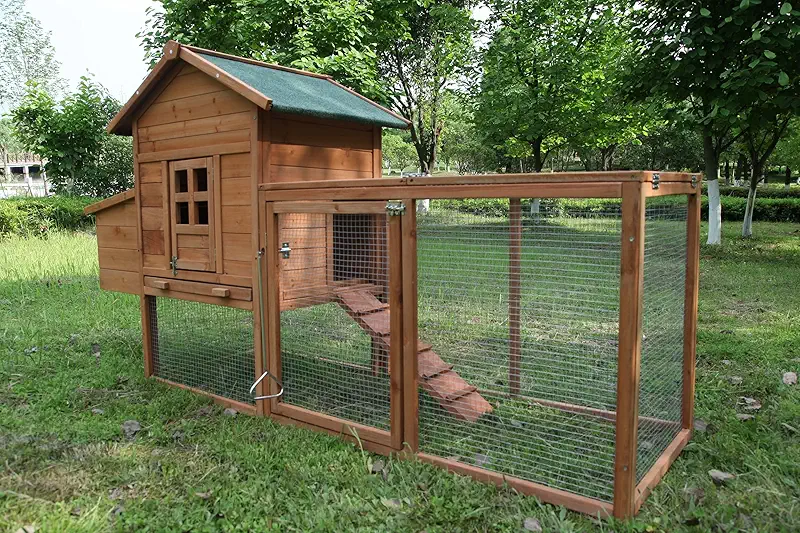
A tidy, well‑ventilated coop with a simple solar setup keeps hens calm, dry, and laying.
I still remember one January, years back, before I switched to solar. I ran an extension cord from the house, across the yard, through the snow, to power a little electric heater. Looked like a drunk snake winding through the drifts. My wife hated it, and I did too. One ice storm later, the power went out for a day and a half. The house got chilly, the coop got downright mean, and the hens let me know they were not impressed.
After that winter, I started playing with different ways to warm a coop without depending on the grid. Some ideas were plain silly; one involved black-painted water barrels that the dog kept licking. But over time, I landed on solar setups that are simple, safe, and strong enough to take a real winter.
Why a chicken coop solar heater makes sense on a small farm
The way I see it, a chicken coop solar heater earns its keep in three big ways: it keeps the flock steadier, it cuts your risk, and it keeps the bills from creeping up.
1. Steadier hens, steadier egg basket
Hens are tougher than most folks think. Mine have stood in the snow with their feathers puffed up, looking like little feathered basketballs. They can handle cold, but sudden swings and damp drafts will stop eggs fast.
- Gentle warmth, not a sauna. A good solar heater takes the edge off the cold without cooking the coop.
- Less stress. Birds that are not shivering all night tend to eat better and lay more consistent eggs.
- Dry air. Many solar setups add a bit of air movement, which helps keep bedding dry and combs from frosting up.
One February, I tracked eggs from my older hens. When the coop stayed just above freezing thanks to the solar heat, they only dropped off about one egg a week. The year before, in a cold, damp coop, the same line of hens quit almost completely for two weeks. That right there sold me.
2. Safer than a space heater on an extension cord
I have seen too many pictures of coops burned to the ground because somebody stuck a cheap heater in a wooden box full of feathers and dry shavings. That is like hanging a “Fire, please start here” sign.
- No glowing coils near shavings. Most solar options use enclosed heating elements or warmed air, not red-hot metal.
- Fewer cords. You are not snaking power from the house or overloading barn outlets.
- Still works in outages. The sun does not read the power company’s trouble reports.
On our farm, fire safety is a non‑negotiable rule. My coop is too full of memories and good hens to risk on a $20 heater.
3. Let the sun pay your winter heating tab
Electricity is not getting cheaper, and barns are not exactly easy to insulate. With a chicken coop solar heater, you pay once for the setup and then let the sun carry most of the load.
- You are not running a heater all night, every night, off house power.
- You can size the system to your coop instead of heating a big outbuilding.
- On mild days, the solar panel still tops off the system for cold snaps.
I like anything that lets the farm run more on what God sends down from the sky and less on what the power company sends in the mail.
Types of chicken coop solar heater systems
I will walk you through the three main styles I have tried or helped neighbors set up. Each one can work well if you match it to your climate, coop size, and budget.
Passive solar air heaters on the south wall
This is the simplest to understand. You mount a dark, usually black or dark‑metal panel box on the sunny side of your coop. The sun heats the air in that box, and that warm air is pulled into the coop while cooler air goes out the bottom.
- Pros: No moving parts, no wires, almost nothing to break.
- Cons: Only works while the sun is hitting it; not much help at 3 a.m. on a cloudy night.
I like passive heaters on well‑insulated coops and in places where the days are sunny but the nights are not brutal. In deep northern cold, they work best as part of a bigger plan, not the only source of warmth.
Solar panel + fan + heat source
This is the setup most folks think of when you say chicken coop solar heater. You have a solar panel on the roof or a post, a small controller, maybe a battery, and then inside the coop you run a low‑draw heater or heated air system along with a fan to move that warm air around.
- Pros: More control, can run a thermostat, works better in overnight cold with a battery.
- Cons: A bit more wiring and planning, costs more than a basic panel.
One year, I rigged a small solar panel to a fan that pushed warm air through a painted metal duct along the coop wall. On sunny days, the girls would stand right near that wall like folks crowding around a wood stove in an old country store.
Solar‑powered radiant or panel heaters
These are flat heaters mounted on a wall or hung above the roosts, powered by a dedicated solar setup. They do not blast heat; they just lift the chill a bit.
For my older hens with big floppy combs, a gentle radiant panel above the roost made a real difference in frostbite years. Their combs stayed a healthy red instead of turning pale and crusted on the edges.


