Chicken coop supplies
Chicken Coop Supplies
Farm-tested guidance
I have been raising laying hens out here in the States long enough to have more gray hair than my old rooster has tail feathers. Over the years, one truth has held up: the right chicken coop supplies make everything easier, cleaner, safer, and a whole lot more peaceful in the yard.
On this page I will walk you through the gear that actually matters for your coop, what has failed me, and what has survived blizzards, heat waves, and a whole lot of hen drama. If you are just getting started, or finally tired of chasing leaky waterers and broken latches, you are in the right place.
What chicken coop supplies really matter
Folks love to make chickens complicated. Truth is, hens need the same three things we all need: shelter, food, and water. The rest of the chicken coop supplies are there to keep those three basics steady, clean, and safe. When you get that right, the eggs just sort of show up like little morning thank-you notes.
When I built my first coop, I nailed together scrap wood, tossed in a milk crate for a nest, and figured nature would handle the rest. Nature did, but not in my favor: frozen waterers, spilled feed, mites, muddy nests, and one very smug raccoon. It took a few seasons, and a few broken egg shells, to sort out what supplies were worth the money.
These days I look at every new gadget with one simple question in mind: will this make the birds safer, cleaner, or less stressed? If the answer is yes, it usually earns its place in the coop. If the answer is “well, it’s cute,” I leave it on the shelf.
Farmer tip: before you add more chickens, make sure your basic coop supplies are solid. Good gear for ten hens is better than flimsy gear for twenty.
Essential chicken coop supplies for every flock
Let us walk through the main categories of chicken coop supplies I will not go without. I will start with the ones that keep your hens alive and work my way down to the “nice to have” items that simply keep your mornings calmer.
Daily use
Feeders that do not waste feed
Chickens are natural scratchers. If your feeder lets them fling feed all over the floor, they will do it with the joy of a kid in a leaf pile. A good feeder keeps feed clean and hard to toss.
I prefer gravity feeders with a narrow lip or tube-style designs that make the hens reach in just enough. Less waste on the ground means fewer rodents and less money blowing away as dust.
I’ll check feeders
Water & weather
Reliable waterers for all seasons
Water is the first thing that goes wrong: it freezes in winter, turns green in summer, and somehow always winds up full of straw and poop. A solid waterer has a stable base, easy-to-clean parts, and a way to stay fresh.
Nipple-style or cup-style waterers cut way down on the mess. In cold states, a heated base or heated nipple system is worth every penny and a lot of frozen fingers.
See water options
Egg care
Nesting boxes and pads
If you have ever reached into a nest and found a cracked, half-frozen egg, you already know why good nesting supplies matter. Hens want a quiet, dark, soft space where their eggs will not roll around.
Nesting pads, liners, or thick straw with a bit of lip on the box keep eggs clean and protect the shells. That alone cuts breakage more than most folks expect.
Help my nests
Keeping hens safe: predator-proof chicken coop supplies
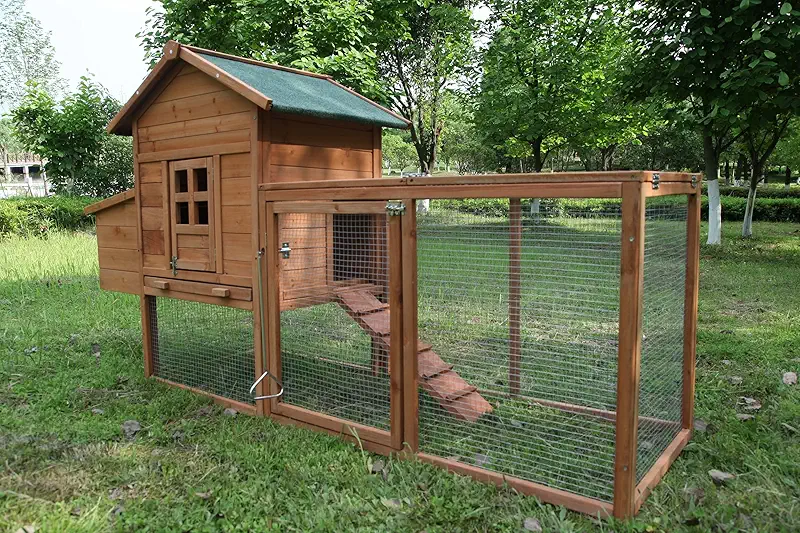
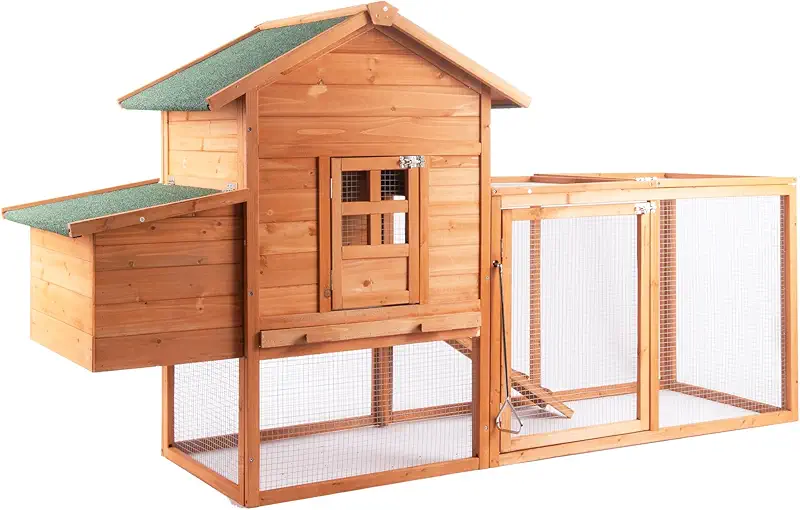
Out here, I say goodnight to my hens and good evening to every critter that would like to meet them for supper. Raccoons, foxes, hawks, neighborhood dogs, you name it. The weakest point in your coop is usually whatever supply you tried to save a couple of dollars on.
The most important predator-proof chicken coop supplies for me have been:
- Hardware cloth instead of chicken wire, buried around the run
- Solid latches that a raccoon’s nimble little fingers cannot flip open
- Sturdy doors and hinges that do not sag over time
- Covered runs to discourage hawks and climbing critters
I lost a few birds early on because I treated predators like a “maybe.” Treat them like a guarantee, and choose supplies that are stronger than you think you need.
Stronger coop parts
One winter, a raccoon worked on my coop door three nights in a row. I found little muddy handprints on the latch like he had punched a time card. After I swapped to a heavier latch with a carabiner clip, the prints were still there, but the hens stayed safe. Sometimes, a five-dollar piece of hardware ends up being your best investment.
Comfort and cleanliness: bedding and coop care
Chickens are tough, but they do not enjoy sleeping on cold wet boards any more than you or I would. The right bedding and cleaning supplies turn your coop from a smelly chore into something that stays fresh with just a little regular effort.
Choosing the right bedding
I have tried just about everything: straw, pine shavings, sand, even shredded leaves in a pinch. Each has its place, but for most backyard folks, pine shavings or clean straw are your best bet.
- Pine shavings: absorbent, easy to clean, smell pleasant
- Straw: good insulation, but can pack down if it gets damp
- Sand: works in dry climates, easier to sift, heavier to move
The chicken coop supplies I keep on hand for bedding include bags of shavings, a wide scoop, a sturdy rake, and a metal trash can with a lid to store extras and keep mice out.
Coop cleaning helpers
A few simple tools make cleaning go faster:
- A narrow shovel or cat-litter scoop for under the roosts
- A stiff brush for dried droppings on boards
- A safe coop deodorizer or agricultural lime for damp spots
- Gloves you do not mind getting dirty
I like to do a quick “five-minute tidy” every couple of days and a deeper clean once a month. With the right supplies, it is more like tidying a barn bedroom than wrestling a mess.

Nesting boxes, egg collection, and keeping shells strong
If the coop is the house, the nesting boxes are the nursery. Good nesting supplies make your hens feel safe enough to lay and keep those eggs clean enough you are actually proud to hand them to a neighbor.
What I look for in nesting supplies
- Boxes at least 12x12 inches with a bit of depth
- A small lip to keep bedding and eggs from rolling out
- Soft but firm nesting pads or thick bedding
- Easy access for collecting and cleaning
I also keep a small bucket just for egg collection and a soft cloth for wiping off the occasional bit of dirt. If eggs are constantly filthy, that is a sign you need more frequent bedding changes or drier floor conditions, not just more wiping.
For shell strength, I always have a bag of crushed oyster shell on hand. I put it in a separate feeder and let the hens free-choice it. The ladies know when they need more calcium better than I do.
Lighting, ventilation, and weather protection
Chickens handle cold better than damp. That is a lesson many new keepers learn the hard way. Your chicken coop supplies for weather and air flow are less about making things cozy for you and more about giving the hens dry air, gentle breezes, and steady daylight.
Ventilation without drafts
I like to keep vents up high, above roost level, so moist air can escape without blowing on the birds. Hardware cloth over those vents keeps things safe. I use simple vent covers and adjustable panels so I can open more in summer and less in winter.
If you see condensation on the inside of your coop windows, or smell ammonia when you open the door, you need either better cleaning habits or better ventilation supplies. Usually it is a mix of both.
Lights and winter laying
I do not push my hens too hard in winter, but I do run a gentle light on a timer in the early morning when days get very short. A small, safe, coop-rated light with a simple timer can keep your ladies laying without turning the place into a stadium.
Whatever lighting supplies you choose, make sure cords are protected from pecking and chewing, and that fixtures are rated for barn or shop use. Chickens do not read warning labels, they just test them.

Feed storage and rodent control
Chicken feed smells like a buffet to every mouse, rat, and squirrel in the neighborhood. Once they show up, they tend to put down roots, so I learned early to keep feed stored right.
Storing feed the smart way
- Metal trash cans with tight-fitting lids
- Smaller, labeled containers for daily use
- A scoop so you are not wrestling heavy bags every morning
I keep my main feed supply in metal cans in a shed, then refill smaller containers I carry to the coop. This keeps the coop itself less attractive to nightly visitors.
Discouraging freeloaders
I use treadle feeders in a few coops—those are the ones that open when the chicken stands on a little step. They cut down on wild birds and rodents stealing from open trays.
Traps and deterrents are a personal call, but whatever you choose, do not forget that the cleanest solution is usually better storage and less spilled feed. Most “rat problems” started with “oops, I will sweep that feed later.”

Health, first aid, and flock checks
I am no vet, but after a few decades with layers, I can spot a hen that is “off” from across the yard. Having a small box of health-related chicken coop supplies on hand saves a lot of scrambling when something goes wrong on a Sunday evening.
My basic flock care kit
- Electrolytes and vitamins for hot days or stress
- Wound spray safe for poultry
- A spare waterer and feeder for isolation
- Disposable gloves and a few clean rags
- Diatomaceous earth or poultry dust for mite control
I also keep an old dog crate or small pen to separate a hen if she is getting picked on or needs rest. Sometimes a quiet corner, fresh water, and time are the best “medicine” you can offer.
Farmer story: One summer, we hit a heat wave that felt like the sun had moved into the next field. Having electrolytes and extra waterers ready meant I could set up shaded drinking spots fast. I did not lose a single bird, and you can bet those supplies have had a permanent place on my shelf ever since.
Convenience supplies that make chores easier
Not everything in the coop is life-or-death important. Some chicken coop supplies are just there to keep you from muttering under your breath every morning. For me, these little upgrades have paid for themselves in saved time and better moods.
- Automatic coop door: lets the birds out in the morning and closes them in safely at night when you are running late.
- Extra buckets: for hauling water, scraps, bedding, and for sitting on when you just want to watch the flock for a few minutes.
- Boot scraper and mat: so your family does not blame your hens for all the mud in the kitchen.
- Coop logbook: just a notebook to track egg counts, health notes, and when you last changed bedding.
I keep a simple shelf outside one coop where I store many of these things: brushes, scoop, spare gloves, and a little notebook. The easier it is to grab what you need, the more likely you are to keep good habits.

Frequently asked questions about chicken coop supplies
How many chicken coop supplies do I really need to start?
To get started, you do not need a barn full of gadgets. You need a secure coop and run, a good feeder, a solid waterer, safe bedding, nesting boxes, and basic predator protection like hardware cloth and strong latches. With those covered, you can add convenience items later as you see what slows you down or frustrates you.
What is the best bedding for laying hens?
For most folks in the U.S., pine shavings or clean straw work best. Pine shavings are easy to clean and smell pleasant. Straw insulates well but needs to stay dry and fluffy. Whatever you choose, the “best” bedding is the one you actually replace often enough to keep the coop dry and fresh.
Do I need heated waterers for my chickens?
If your winters regularly fall below freezing, a heated waterer or a heated base can save you a lot of time and cracked ice. Chickens need steady access to water, even when it is bitterly cold. If you cannot check them several times a day, investing in heated water supplies is kinder to you and your flock.
How many nesting boxes should I set up?
A good rule is one nesting box for every three or four hens. They will all pick a favorite box anyway and argue over it like kids over the best seat, but having enough options keeps the peace and cuts down on floor-laying.
What chicken coop supplies help most with odor?
Odor usually comes from dampness and too much droppings in one place. Absorbent bedding, regular spot cleaning under roosts, good ventilation, and the occasional sprinkle of agricultural lime or coop deodorizer help a lot. If the coop smells strong, do not just cover it up; fix the moisture and airflow first.
If you are ready to give your hens a safer, calmer home, take a slow look through the different chicken coop supplies available and picture how each one might make your daily chores easier.
Show me all coops