
Chicken coop thermometer
Chicken Coop Thermometer
Keeping your girls comfy is the quiet secret behind a steady egg basket.
I have been raising laying hens here in the States for more than three decades. Over the years I learned the hard way that guessing the temperature in the coop is a fine way to lose eggs, stress birds, and wake up to a frozen waterer. A plain, honest chicken coop thermometer changed that story.
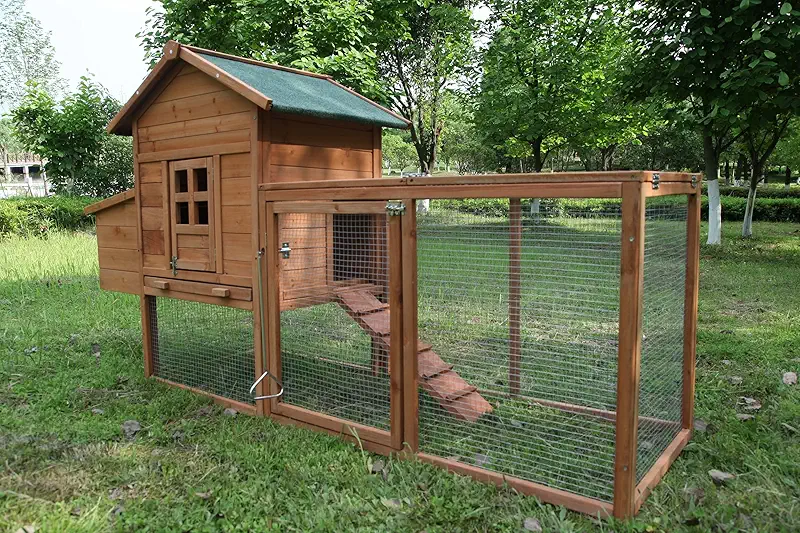
Out here on the farm, I like to say hens do not read weather apps. They read their feathers and their feet. A good chicken coop thermometer helps you read the coop the way they feel it, not the way you imagine it from the kitchen window.
Why a chicken coop thermometer matters more than folks think
When I started with chickens, I nailed a cheap indoor thermometer near the coop door and called it good. One January morning, the little plastic thing said 30°F. I felt proud. “Not bad at all,” I thought. Then I opened the pop door. Inside felt like a different planet: water frozen solid, birds puffed like winter balloons, and one hen standing on one leg trying to keep her toes warm. That is when I realized this simple rule:
The weather in your yard is not the weather in your coop.
A chicken coop is a tiny world. It traps heat, moisture, dust, and ammonia from droppings. On a cold night it can be much colder near the floor than near the roosts. On a hot afternoon it can be hotter under the roof than outside in the shade. Without a proper chicken coop thermometer in the right spot, you are just guessing.
The sweet spot for laying hens
A laying hen is tougher than most folks give her credit for, but she does have a “comfort zone.” The numbers do not need to be perfect, but they give you something solid to work with:
- 45–65°F (7–18°C) – Hens feel pretty good here. This is my favorite range for winter.
- 65–75°F (18–24°C) – Still comfortable, most breeds lay very steady in this range.
- Below 20°F (-7°C) – You are in frostbite country, especially for big combs if there is moisture.
- Above 85°F (29°C) – Heat stress starts creeping in, egg shells get thinner, birds pant.
A chicken coop thermometer lets you see when your coop is slipping out of the safe zone, so you can act before your hens start yelling at you in clucks. Trust me, a flock of hot, cranky hens has some very strong opinions.
Types of chicken coop thermometers and what actually works
Over the years I have hung just about every kind of thermometer you can imagine in my coops. Some worked fine. Some fogged up. One digital one got pecked to death by a curious hen named Millie. Here is how I look at the main styles now.
1. Simple analog dial or tube thermometers
These are the classic “no batteries” models. Just a dial or a little glass or metal tube. They are not fancy, but they are honest and usually tough enough for barn life.
- Pros: No batteries, nothing to charge, easy to trust, usually cheap and sturdy.
- Cons: Not always easy to read in dim coops, some fog up if moisture builds.
For most backyard keepers, a basic analog chicken coop thermometer is perfectly fine. Put it where you can see it without crawling and you are already ahead of the game.
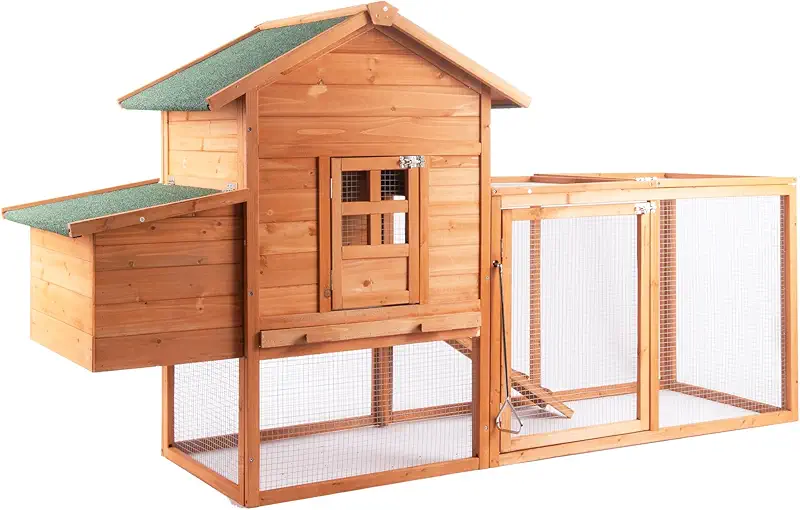
2. Digital thermometers with big numbers
As my eyes got older and my coops got darker, I started to appreciate big digital digits. A simple digital chicken coop thermometer with a basic screen is nice when you are doing chores at sunrise or after dinner.
- Pros: Very easy to read, often more precise, some log highs and lows.
- Cons: Need batteries, do not love damp bedding or direct droppings.
If you go digital, keep it out of pecking range and away from the “blast zone” under the roost. A hen’s rear end has no respect for electronics.
3. Wireless or remote‑reading thermometersNice‑to‑have
On icy winter nights, I really like being able to glance at a display on the kitchen counter and know what is happening in the coop without putting on boots. A wireless chicken coop thermometer with an outdoor sensor in the coop will do that for you.
- Pros: Check the coop from the house, some show humidity too, handy for extreme weather.
- Cons: Cost a bit more, still need careful placement to avoid pecking and moisture.
You do not need one to raise good hens, but during a heatwave or a deep freeze, that remote reading can settle your mind and save you a few anxious trips.
Where to put your chicken coop thermometer so it tells the truth
A chicken coop thermometer is only as honest as the place you mount it. I learned that lesson during a July heatwave. My thermometer was up near the roof, right in a beam of afternoon sun sneaking through a knot hole. It screamed 102°F. I panicked, hauled fans, dragged in frozen water jugs, and soaked down the run. The hens looked mildly amused. Down at roost height the air was 88°F, not great, but not panic level either.
These days I follow three simple rules.
Rule 1 – Measure at hen height
Mount your thermometer about level with your hens’ heads when they are standing on the floor or, even better, at roost height. That is the air they actually live in.
- Too high and you just measure hot roof air.
- Too low and you sit right in drafts, bedding, and moisture.
- Right in the “chicken zone” gives you the most honest picture.

Rule 2 – Avoid direct drafts and direct sun
A thermometer right in front of a vent or window will lie to you all day long. You want the air where your birds settle, not the blast right at the opening.
I like to put my chicken coop thermometers on a side wall, a couple feet away from fresh‑air vents, and always in the shade. If your coop is half metal, half wood, pick the shaded wood side if you can.
Rule 3 – One is good, two is better in tricky coops
In my big old barn coop I run two thermometers:
- One near the roosts, where the birds sleep.
- One near the floor, where the waterers sit.
On the coldest mornings, there can be a 5–10°F difference between those spots. That extra reading has saved me from frozen water more than once.
Wherever you mount your chicken coop thermometer, snap a picture of it now and then during extremes. After a couple seasons you will know exactly what 10°F outside does inside your coop, and you will plan bedding, ventilation, and backup heat with a clear head instead of guesswork.
Reading your chicken coop thermometer through the seasons
A thermometer alone does not keep hens happy. What you do with the numbers is what matters. I will walk you through how I use mine through a typical farm year here in the U.S.
Winter: staying above “uh‑oh” temperature
I am not trying to keep my coop warm like a living room. I am just trying to stay above the “uh‑oh” point where frostbite and frozen water become real trouble.
- Above 25°F inside: I usually leave things alone. Good bedding, dry air, and healthy hens handle it.
- 15–25°F inside: I double‑check for drafts at roost height and add extra dry bedding.
- Below 15°F inside: I may close one more vent (never all of them), wrap the outside with a wind‑break, or turn on a safe, low‑watt heated waterer.
A chicken coop thermometer is what tells me if my ventilation changes are helping or hurting. Close too much and you trap moisture, which is worse than cold. Leave too much open and the birds get a cold draft on their combs. The numbers nudge you back to balance.

Summer: spotting heat stress before it shows in the hens
My birds handle cold better than heat. When that chicken coop thermometer starts sitting above 85°F for hours, I pay attention. At 90°F and up, I change my routine:
- Open every safe vent and window you have, without letting direct sun cook the birds.
- Move waterers to the shadiest possible spots and refresh often.
- Give wet, cool treats like frozen watermelon rinds or chilled greens.
- Aim a fan across the coop, not directly at roosting hens.
The thermometer keeps me honest. There were days I felt like “It is not that bad out here,” checked the coop temp, and found it several degrees hotter than where I was standing. Tin roofs and low air flow can sneak up on you.
Spring and fall: watching the swings
Those in‑between months are the trickiest. A nice warm day can roll into a surprise frost overnight. Your chicken coop thermometer will show those big swings.
When I see 70°F in the afternoon and 30°F before dawn, I make sure the birds are not roosting under a draft, and I resist the urge to close every vent. Dry air and steady airflow beat stuffy warmth every time.

Humidity, ammonia, and why a simple thermometer is still your best friend
Some chicken coop thermometers also show humidity, which can be helpful. But even if all you have is temperature, it is still one of the best tools on the farm.
High humidity makes cold feel colder and heat feel hotter. In winter, damp air leads to frostbite on combs and toes. In summer, it slows down your birds’ ability to cool themselves by panting. A coop that is “only” 80°F but soggy with humidity can feel much worse to a hen than a dry 90°F.
I use my nose and my thermometer together:
- If the coop smells like ammonia when I open the door, I know I am behind on bedding and cleaning.
- If the thermometer tells me the coop is much warmer inside than outside even with vents open, I know I need more airflow at the roof line.
- If temps are fine but the birds still pant, I suspect humidity and stale air.
If your chicken coop thermometer looks reasonable, but your nose and your hens say otherwise, listen to the hens. Use the numbers to guide you, not to argue with a bird that is already panting.
Choosing a chicken coop thermometer that survives real farm life
Chickens are nosey, dusty, and not very gentle with gadgets. I choose thermometers for the coop the same way I choose boots: they have to shrug off abuse and be easy to live with.
Look for toughness first, bells and whistles second
Ask yourself a simple question: “Will this survive a curious hen and a dusty, damp coop?” If the answer is “maybe not,” keep looking.
- Sturdy housing with no tiny exposed buttons in pecking range.
- A screen or dial you can read from a few steps away.
- A way to hang or mount it where it will not get kicked into the bedding.
- For digital, batteries that are easy to replace without removing the whole unit.

Accuracy is nice, but you do not need lab gear
For chickens, you do not need to know the difference between 68.0°F and 69.2°F. You just need to know if you are in the safe range or drifting into trouble.
I like to check a new chicken coop thermometer by setting it next to one I already trust for a day. If they are within a couple degrees of each other, that is close enough for hen work.
A quick story from my own coop
A few winters back, I put a small wireless thermometer sensor in the big red coop. One night a storm rolled in, wind howling, snow sideways. Inside my house the remote display dipped from 28°F to 20°F inside the coop over a few hours. I pulled on boots, stomped through the snow, and found that the north vent board had rattled loose and swung wide open.
Without that little chicken coop thermometer quietly doing its job, I would have found out in the morning with frozen water and grumpy hens. Instead, I fixed the vent, tucked everybody in a bit deeper bedding, and went back to bed with a clear conscience.

How your chicken coop thermometer helps egg production
Folks often blame feed or age when their egg basket gets light, but temperature plays a quieter role in that story.
When hens are too cold, they burn calories staying warm instead of putting them into eggs. When they are too hot, they eat less feed and drink more water, so they do not have what they need to build shells and yolks.
- In steady, comfortable temps, shells stay firm and yolks bright.
- In big temperature swings, you see thin shells, odd shapes, and skipped days.
- In long stretches of heat stress, production can drop hard, sometimes for weeks.
A chicken coop thermometer will not magically make more eggs, but it lets you tune the rest of your setup—bedding, airflow, shade, water—so that the hens can do the job they are built for.

When I started checking and writing down my coop temperature in the hardest months, it became a lot easier to see patterns in my egg count. These days, if I have a surprise drop in eggs, I look at the thermometer reading from the night before before I blame the hens or the feed mill.
Chicken coop thermometer – questions folks often ask me
If you take anything from this old farmer, let it be this: a simple chicken coop thermometer and a few minutes of paying attention will teach you more about your hens than a whole stack of glossy catalogs. When the coop feels right to them, everything else on the homestead runs a little smoother.
Let me see options