
Chicken coop timer light
Chicken Coop Timer Light
Out here on the farm, the sun doesn’t always match a hen’s favorite schedule. A simple chicken coop timer light can calm your flock, keep eggs coming steady, and close the day without all the squawking. Let me walk you through it like we’re talking over the fence.
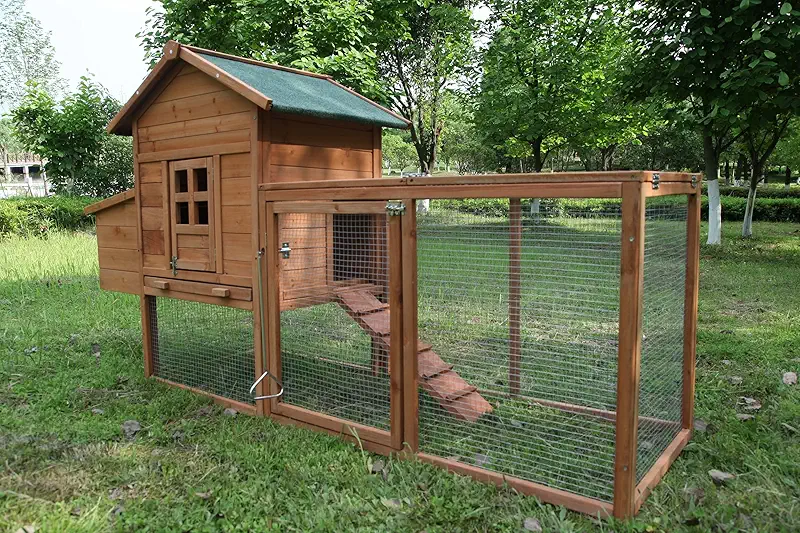
Why a chicken coop timer light matters more than folks think
I’ve been raising laying hens since before my beard turned gray, and I’ll tell you this: light is one of the strongest “bosses” in the chicken world. It tells them when to wake, when to roost, and how many eggs to bother laying. A chicken coop timer light just takes that boss and makes it gentle and predictable.
Long before we had timers, I used to stomp out to the coop in the dark with a flashlight between my teeth, trying not to trip over buckets while I flipped lights on and off. The hens hated surprise bright beams in their faces, and frankly, so did I. I missed switches, scared birds off the roost, and ended up with cranky hens and fewer eggs.
When I finally set up a good chicken coop timer light, the whole place settled down. The light came on and faded off on schedule, and the girls knew exactly what to expect. Hens love routine. Give them the same light pattern every day, and they’ll reward you with steady laying and calmer evenings.
How a chicken coop timer light helps your laying hens
Think of a chicken coop timer light as a quiet farmhand that never forgets. It keeps your hens on a steady rhythm without you running back and forth to the coop morning and night. Here are the biggest changes I saw once I started using one.
1. Steadier egg production through the seasons
Chickens lay best when they get around 14 to 16 hours of light each day. In summer, the sun handles that for you. In winter, not so much. Without extra light, your girls can drop down to just a few eggs a week, or even take a long vacation.
With a chicken coop timer light, you don’t blast them with light all night. You simply extend the day a little, either in the morning before sunrise or a bit in the evening. That gentle “longer day” tells their bodies, “Keep those eggs coming, it’s still the season for it.”
2. Calmer bedtime instead of chaos in the dark
I remember one December evening when I forgot to flip the coop light on. Sun dropped quick, wind picked up, and the hens tried to hurry up the ramp in the half-dark. One slipped, another panicked, and I ended up chasing birds with a headlamp. That’s how you discover which neighbors are watching you from their windows.
With a timer, lights come on and go off at the same time every day. Hens wander in on their own before it gets black outside, go to the roost without drama, and you can stay in your slippers instead of sprinting out there with a flashlight.
3. Better safety from nighttime predators
Out here we’ve got raccoons sneakier than politicians and owls that seem to clock in right at dusk. Chickens that don’t get to bed before full dark are easy pickings. A chicken coop timer light helps them get inside and settled before the night crew shows up.
The trick is timing. You want enough light to guide them in, but not a spotlight shining all night calling every predator to your backyard buffet. A good timer lets you control that line just right.
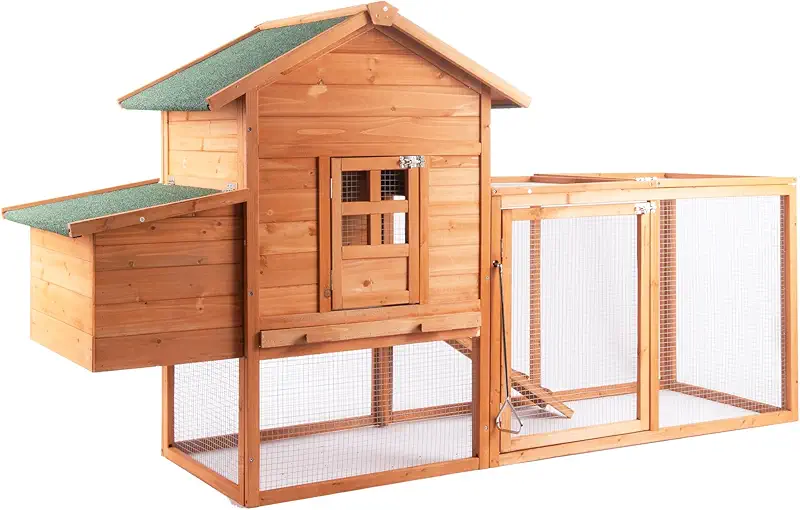
What to look for in a chicken coop timer light
Not every light is right for a chicken coop. I’ve cooked my share of cheap bulbs and wrestled with timers that seemed to have a mind of their own. Here’s what I pay attention to now.
1. Soft, warm light instead of harsh glare
Chickens don’t need a stadium floodlight. They do well with a warm, gentle glow, more like a cozy kitchen than a car lot. I like bulbs around the “warm white” range, not the icy blue ones.
Too bright or too harsh and you’ll see nervous pacing, feather picking, and boss hens throwing their weight around. A soft light lets them eat, drink, and find the roost without turning the coop into a boxing ring.
2. A timer that’s easy to set and read
Out in the barn, I want a timer I can adjust with cold fingers and no glasses on. Big buttons, clear markings, and a display I can actually see. If the timer looks like setting a VCR from 1993, I skip right past it.
Many chicken folks like:
- Simple daily on/off schedule (same every day).
- Battery backup so it keeps time during outages.
- Manual override switch in case you want to flip it yourself one night.

3. Durable and safe for dusty, feathery spaces
A chicken coop is not exactly a clean office. You’ve got dust, feathers, moisture, and birds that like to peck anything that looks interesting. When I choose a chicken coop timer light setup, I want:
- Covered fixtures so bulbs aren’t exposed to pecks and flapping wings.
- Protected cords running through conduit or tucked where beaks can’t reach.
- LED bulbs that stay cool and last a long time.
I’ve had hens jump up and land right on a hanging cord like it was a tree branch. Give them a chance to break something, and they’ll take it. So it’s worth doing it right from day one.
4. The right placement inside the coop
When I first added light to the coop, I hung it near the pop door, thinking it’d help them find their way in. What actually happened was they just stood under it like teenagers in a parking lot and ignored the roost.
These days, I like the light:
- Mounted over the feeding and water area, not right over the roost.
- High enough that birds can’t jump straight into it.
- Far from flammable bedding if you’re using any fixture that gets warm.

How I set my chicken coop timer light through the year
Every farm is different, but here’s the schedule that’s kept my egg basket happy and my hens relaxed. I’ll break it down by season so you can adjust to your own daylight.
Winter setup: helping them lay without overdoing it
In the dead of winter, our natural daylight can dip down to about 9 hours. For my laying flock, I like to stretch that to around 14 hours of light total. Here’s how I set the timer:
- Morning light: I let the timer turn the light on a few hours before sunrise. So if the sun’s up at 7:30, I might have the coop light turn on around 4:30.
- Evening: I usually let the sun handle sunset. I don’t keep the light on long into the evening. That way, they still feel the day “ending” naturally.
- Gentle shutoff: If your timer lets you dim or step down the light, that’s even better. If not, I just make sure it clicks off when they’re already on the roost.
This setup keeps eggs coming without turning the coop into a 24/7 office building. Hens still need rest. If you push them too hard with light, you just burn them out faster.
Spring and fall: letting nature lead
When days are getting longer in spring, I back the timer off gradually. I don’t want to confuse them by suddenly changing light by two hours overnight. I’ll nudge the timer by 15–30 minutes each week, giving their bodies time to catch up.
In fall, when days are shrinking, I do the same in reverse. I add a bit more early-morning light to keep that 14-hour total, but I do it slowly. Chickens hate surprises.

My real-world tips for using a chicken coop timer light
Over the years, I’ve made just about every mistake you can with coop lighting. Here are some lessons I learned the hard way, so you don’t have to.
1. Don’t leave light on all night
I tried running a small nightlight once, thinking it’d keep predators nervous. All it really did was keep the flock half-awake and more jumpy. Chickens need true darkness to rest well. If they’re constantly half-alert, you’ll see more pecking and fussing.
2. Never put lights in nesting boxes
Eggs and bright lights don’t mix. Hens like to lay in dim, quiet places. If your chicken coop timer light shines straight into the nest boxes, you’ll get hens laying anywhere but the nests: corners, under the roost, even outdoors.
Keep the boxes shadowed, cozy, and calm. Think of them as little “egg cabins,” not stage lights on a show.
3. Test your timer for a few days
When you first set up a new timer, keep an eye on it for a couple of days. Watch what time it actually clicks on and off, especially after a power flicker. Make sure the hens have settled on the roost before it goes dark.

4. Watch your hens, not just the clock
The best advice I can give you: let your birds tell you how it’s going. If you notice:
- Hens are still on the floor when the light shuts off.
- They’re too rowdy at bedtime.
- Feather pecking or bullying is getting worse.
…then adjust the schedule. Maybe give them 15 more minutes of light in the evening, or shift more of the “extra” light to early morning. The timer is a tool; your hens are the real feedback.
5. Keep bulbs and fixtures clean
Between dust, cobwebs, and feathers, a coop can coat a bulb fast. A dirty bulb throws less light and can heat up more than it should. I just add “wipe the light cover” to my usual weekend barn chores. Takes a minute, saves a lot of headache.

Choosing a chicken coop timer light that fits your setup
Every yard, every coop, and every flock is a little different. A backyard coop with six hens doesn’t need the same setup as a long barn full of layers. When I help neighbors choose gear, I ask them a few simple questions first.
How many birds and how big is the coop?
For a small backyard coop, a single modest LED with a timer can do the job just fine. In a long or L-shaped coop, you might want two softer lights instead of one blinding bright spot.
Is there power out to the coop?
If you already have electrical out there, life is easier. If not, some folks go with battery-powered or solar options. I like to be honest: some of the cheaper solar lights struggle in real winter conditions. That’s where reading what other coop keepers say becomes worth its weight in feed.

If you’re sitting there thinking, “Alright, I’d like a chicken coop timer light that just works and doesn’t make me babysit it,” you’re not alone. A lot of us started in that same spot, standing in the dark with a flashlight and a coop full of confused hens.
Take a little time, look over a few different timer light setups, and picture how they’d fit in your coop. Once everything is on a steady rhythm, you’ll wonder why you ever did it the hard way.
I’ll browse a bitChicken coop timer light – common questions from the barnyard
1. Will a chicken coop timer light hurt my hens or wear them out?
Used the wrong way, too much light can stress hens. Used the right way, a timer light just stretches the day a little and keeps things predictable. Aim for about 14 hours of total light in winter, and be sure they still get a full dark night to rest. The goal is to mimic a nice long day, not turn the coop into a 24-hour diner.
2. Is it better to add light in the morning or the evening?
I’ve had the best luck adding light in the early morning. Let the timer bring the coop “day” on before sunrise, then let the sun and natural dusk end the day. That way, your hens slowly move toward roosting as the real sunset comes, and they’re settled before it’s pitch dark.
3. How bright should my chicken coop timer light be?
You don’t need it bright enough to read a fine-print novel, just bright enough to see feeders, drinkers, and the floor. I like to say: “If you can see what you’re doing without squinting, it’s bright enough.” A soft, warm LED is usually perfect.
4. Can I use a regular household timer and bulb?
Many folks do, and I have too. The main things are safety and common sense: protect your wiring, use fixtures that handle the environment, and keep anything warm away from dry bedding. A timer that handles the load of your light and doesn’t reset every time the power blinks is worth it.
5. Do I need a chicken coop timer light in summer?
In many places, summer daylight is already long enough for good laying, so you may not need extra hours. Some farmers, myself included, still like having a timer light so the coop lights up automatically if we step in early or late. But when days are nice and long, your hens will usually do just fine with sunshine alone.
Once your lighting is dialed in, the next big step is giving your flock a coop that fits their habits and keeps them safe in every season.
When you’re ready, take a quiet look through the different chicken coops available and picture where your timer light, roosts, and nest boxes will all come together.
Show me all coops