
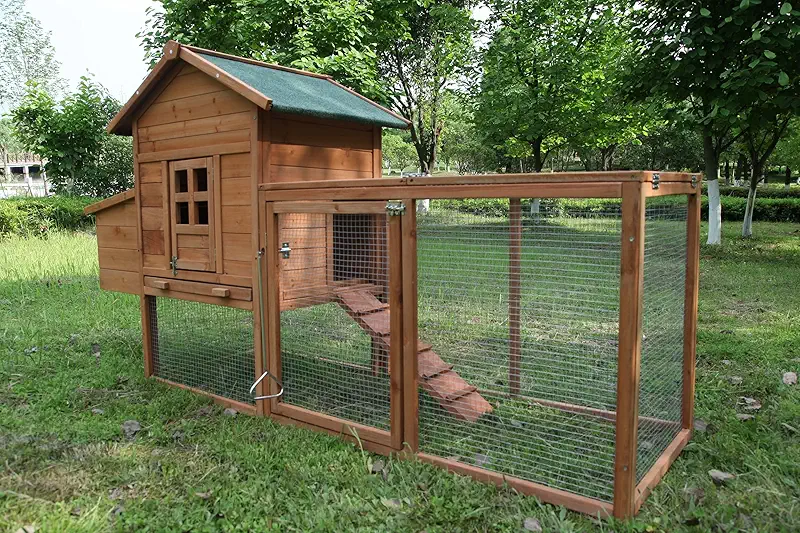
Why a Chicken Coop Tractor Changed My Mornings
When I started raising laying hens, I used an old wooden shed as a coop. It was solid, dry, and heavy as sin. The birds stayed in one spot, the ground turned to mud, and the smell could knock a buzzard off a gut wagon. I told myself, “That’s just part of chickens.” I was wrong.
The first time I tried a chicken coop tractor, everything shifted. The hens were out on fresh grass, scratching like they were at a county fair buffet. The smell dropped, the flies dropped, and my feed bill shrank. I remember standing there at sunrise, coffee in hand, watching them work over a patch of clover, thinking, “Well, you dummy, you should’ve done this ten years ago.”
A chicken coop tractor is just a moveable coop with a run attached, but out in the field it feels like a little wagon of fertility and breakfast. You pull it to a fresh patch, lock it down, and let the hens do what hens do best: peck, scratch, and turn grass and bugs into eggs.
What Makes a Good Chicken Coop Tractor
I’ve seen all kinds out there: flimsy wire boxes, beautiful backyard showpieces, and a few that should have come with a chiropractor. The good ones all share the same simple traits:
- Light enough to move without you blowing a gasket.
- Strong enough to hold up to wind, rain, and a curious raccoon.
- Easy to clean on a regular morning, not just on “project day.”
- Enough headroom for the hens to move without bumping into each other.
- Real ventilation so it doesn’t turn into a baking oven in July.
If it looks cute but moves like a boat anchor, you’ll end up leaving it in one spot—and then you’ve lost half the reason to have a tractor at all.
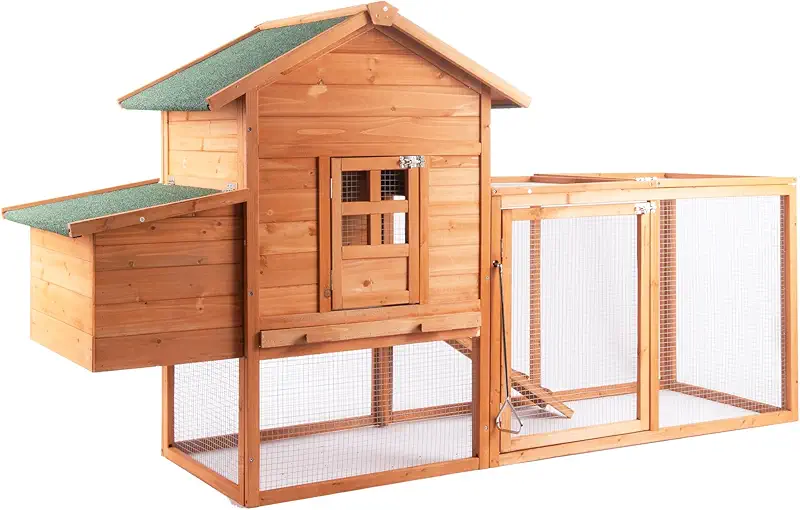
How a Chicken Coop Tractor Keeps Hens Healthy
Hens are simple little creatures. Give them grass, bugs, safety, and a dry perch, and they’ll pay you in eggs. A tractor helps you put all that together in one rolling package.
Fresh Ground Means Happier Birds
When birds stay in one spot, the soil gets packed, the grass disappears, and the parasites move in. I learned that the hard way one wet spring when I kept the flock in a fixed run. By July, the ground looked like a parking lot and the hens were bored and picking at each other.
With a chicken coop tractor, I roll them to a clean patch every day or two. They hit the new turf like kids in a candy store—heads down, tails up, chattering the whole time. I see:
- Brighter combs and wattles.
- Shinier feathers with less pecking damage.
- Egg yolks so orange they look like little sunsets.
Natural Bug Control (and a Little Entertainment)
One afternoon I watched my hens chase a grasshopper across the run like a little feathered football team. By the time they were done, there wasn’t a bug left on that patch. Chickens are walking pest control.
By moving your tractor across the yard or pasture, the hens help cut down on:
- Ticks along fence lines.
- Grubs and beetles in the lawn.
- Fly larvae around old manure piles.
They turn pests into protein, and that protein goes right into your eggs.


Design Features I Look For in a Chicken Coop Tractor
Let me walk you through the features I look for when I’m choosing a chicken coop tractor, whether for myself or for neighbors who ask me for advice—usually right after their first cheap coop falls apart in a storm.
Frame and Weight
The frame is the backbone. I like:
- Wood with metal reinforcement for smaller backyard flocks.
- All-metal frames for bigger, pasture-style setups.
- Smooth corners so you’re not tearing your pants or scraping your shins.
I always ask myself, “Can I move this alone on a wet Tuesday morning when I haven’t had coffee yet?” If the answer is no, I keep looking.
Wheels and Handles
Poor wheels can turn a decent coop into a cursed object. Good wheels should:
- Roll over bumps, small rocks, and clumps of grass.
- Be wide enough not to sink into soft ground.
- Attach solidly, not with some wobbly afterthought hardware.
I like tractors with a real handle or a built-in bar to lift from. I once tried to drag a coop by grabbing the wire. The wire won, and my fingers lost.

Predator Protection
Out here, everything likes chicken. Foxes, raccoons, dogs, hawks—you name it. A good chicken coop tractor protects against all of them. Here’s what I insist on:
- Hardware cloth instead of cheap chicken wire on weak spots.
- Secure latches that a raccoon can’t flip open like a teenager opening the fridge.
- Solid sleeping area where birds can tuck in at night, away from wind and snoopers.
I walk around a new tractor at dusk with a flashlight and look for gaps and flex. If I can wiggle it with two fingers, a hungry raccoon will rip it open with two hands.
Daily Life With a Chicken Coop Tractor
Folks sometimes ask if a chicken coop tractor is “more work.” My honest answer: it’s a little more movement and a lot less mess. Here’s what a normal day looks like for me.
My Simple Morning Routine
I walk out just after sunrise, boots still half asleep, and I:
- Slide open the coop door and let the hens stretch and chatter.
- Roll the tractor to fresh ground while they’re still waking up.
- Check feed and water, top up if needed.
- Collect yesterday’s eggs and thank the ladies for their work.
Takes maybe ten minutes, unless I stand there daydreaming, which happens more than I admit.
How Often to Move the Coop
How often you move a chicken coop tractor depends on:
- How many birds you have in the tractor.
- How big the tractor’s footprint is.
- How fast your grass recovers.
With a small backyard tractor and six hens, I like to move it every day in the growing season. If the grass is short or it’s been dry, I might stretch it to every two days, but I don’t like to see bare dirt for long.
What the Ground Looks Like Afterwards
The patch where the tractor sat will look messy for a couple of days—flattened grass and little specks of fertilizer. Give it a week with a little moisture and you’ll see darker green stripes where the hens have worked. My wife jokes that our place looks like it’s been mowed by a slightly drunk lawn service, but those stripes are full of life.
