
Chicken coop trailer
Chicken Coop Trailer – why a rolling hen house can save your pasture, your back, and your mornings.
I have been raising laying hens for more years than I care to count. One thing I learned the hard way: a fixed coop in the wrong spot is like a bad marriage. You drag yourself there every day and wish you had wheels under it.
That is where a good chicken coop trailer changes the game. You hitch it, you move it, the grass recovers, and your hens get a fresh salad bar every morning. Eggs stay cleaner, birds stay healthier, and the yard does not look like a muddy parking lot.
On my little patch of land, I run layers on pasture most of the year. Over time I tried everything from homemade contraptions on lawn mower tires to proper trailer-style coops. Below I will share what actually works, what broke, and what I look for now when I help neighbors pick a mobile coop.
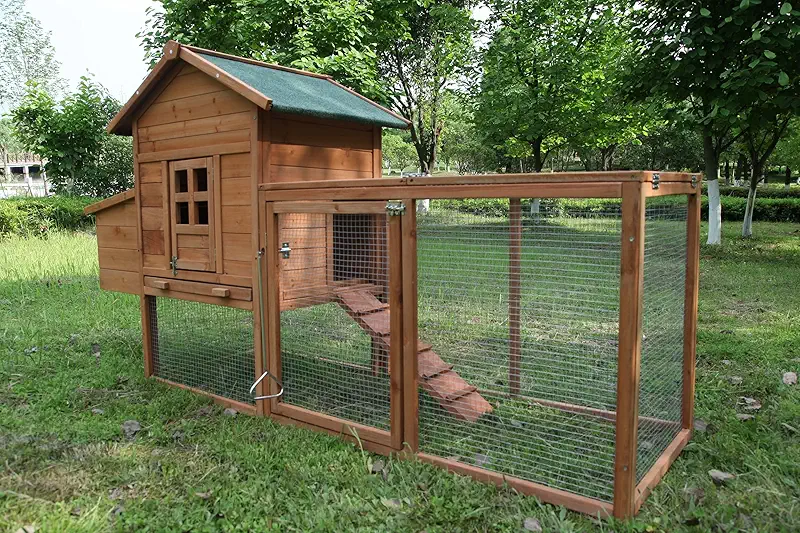
Why a chicken coop trailer beats a fixed coop on many farms
When I built my first fixed coop, I thought I was being clever. I picked a nice dry spot near the barn. Two years later, that “nice dry spot” was a dusty crater in summer and a muddy soup in spring. The hens had packed the soil like concrete and scratched every blade of grass to death.
Once I switched to a proper chicken coop trailer, things changed fast. The hens started working for the land instead of against it. I move them across the pasture like a slow, feathery lawn mower. They clean bugs, fertilize, then move on, and the grass comes back thicker than before.
Here is what I notice every season when I run my layers out of a trailer instead of a permanent coop:
- Less mud, less smell. Manure is spread out instead of piled up in one sad corner behind the coop.
- Better pasture. The grass where the coop traveled is greener and stronger the next year.
- Happier hens. New ground means more bugs, more seeds, and fewer fights over the “good” spots.
- Cleaner eggs. Dry, fresh ground under the birds keeps nesting boxes cleaner.
Now, trailers are not magic. You still need to feed, water, and watch your birds. But the wheels give you options. If coyotes get bold in one corner of the farm, I move the coop closer to the house for a week. If a storm leaves a low spot soggy, I pull the hens back up to higher ground.
I have had neighbors look at my rolling coops and chuckle, then later they come back and ask, “Mind if I look at how you set that up?” After their first wet winter, a lot of folks suddenly get curious about mobility.
If you are browsing different trailer-style setups right now, you can find a variety of sizes and layouts here:
Key things I look for in a chicken coop trailer
Over time, I have crawled under, over, and through a lot of different mobile coops. Some ideas look smart on paper but do not last one rough season. Here is what I check before I trust a coop trailer with my flock.
1. Frame and wheels that can survive real ruts
Pasture is not a parking lot. A chicken coop trailer that rolls fine on the driveway can twist or drag on uneven ground. I once bought a light-frame unit I thought I could move by hand. It managed great on flat ground, but when I tried to cross a shallow ditch, one corner dug in and bent.
Now I look for:
- Solid frame. Steel or heavy lumber that does not wobble when you lean on it.
- Decent tires. Not tiny toy wheels. Something that can roll through ruts and a bit of mud.
- Braced corners. Extra bracing around the axle area and tongue.
If you plan to pull with a small tractor or UTV, make sure the hitch or tongue is up to the job. Using a garden tractor on a coop meant for hand-pulling can end with bent hardware and some new curse words.
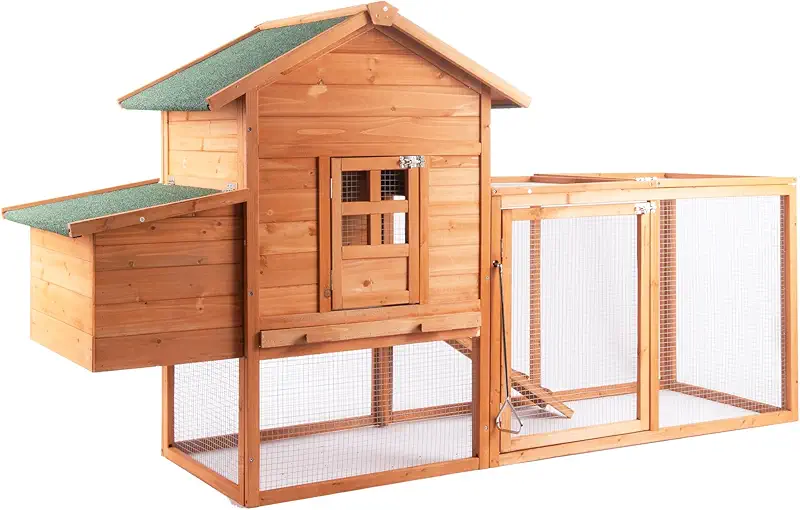

2. Real roosts and nesting boxes hens will actually use
Hens are picky. Give them a fancy shiny spot and a dark corner, and they will lay in the corner every time. A good chicken coop trailer keeps roosts and nests simple and familiar.
I look for:
- Rounded wooden roosts. About the width of a broom handle or a bit thicker. Metal can get too cold.
- Nesting boxes at a calm height. Not too high, not right on the floor. Somewhere around waist height is nice for you and them.
- Easy reach from the outside. External nest access keeps you from climbing in with muddy boots every day.


3. Ventilation that does not turn into a draft
If you step into the coop at night and the air smells sharp and heavy, you have a ventilation problem. Moist air and ammonia are hard on hen lungs and on your eggs. But too much open space in winter is not great either.
On my trailer coops I aim for:
- High vents. Openings up near the roof so warm, damp air can escape without chilling the birds.
- Secure wire. Hardware cloth over any vent, not flimsy chicken wire.
- Adjustable panels. Flaps or sliders I can close partway in a cold snap.
4. Floor and clean-out access
One perk of a chicken coop trailer is you can let rain and sun help you dry out the ground under it. But you still have to handle bedding and droppings inside the coop.
I like coops with:
- Big doors or removable trays. I want to be able to scrape things out without doing yoga with a shovel.
- Sturdy flooring. No soft spots, no gaps large enough for rats to squeeze through.
- A bit of slope. Even a slight lean helps any moisture work its way out rather than puddle.


5. Shade, shelter, and predator sense
A lot of folks worry about foxes, raccoons, and coyotes, and they are right to. A mobile coop should be just as tight against predators as any solid barn. The wheels do not scare raccoons.
I check for:
- Latches that need fingers. Not cheap little hooks. I want something a raccoon cannot flip open.
- Strong wire on runs. Hardware cloth again. Chicken wire is only good for keeping chickens where you want them, not for keeping anything determined out.
- Roof over roost and nest. On hot July afternoons, my hens appreciate a bit of shade more than any fancy accessory.

How I use a chicken coop trailer through the year
Folks often ask when I move my trailer coops and how far. The answer is, “It depends,” which is not very helpful, so let me walk you through a typical year on my place.
Spring: gentle starts on growing grass
In early spring, once the grass has a little height but the ground is not soggy, I start moving the chicken coop trailer out from its winter pad. I keep moves short, often just a few yards at a time, giving the hens new ground while the last spot recovers.
I watch for three things:
- Ground firmness. If I am leaving deep ruts, I wait for a drier day.
- Grass recovery. If I see bare soil the last place I parked, I slowed down too late.
- Pest pressure. New grass often brings ticks and flies. The hens love turning them into eggs.
Summer: following the shade
Summer is when the trailer really shines. I position the coop so the hens get morning sun but have some shade by afternoon. If I see birds panting with wings slightly open, that is my cue to adjust shade or ventilation.
Most of my moves in summer are short and frequent. I like to shift the coop forward every day or two, just enough so the run sits on fresh greens. The hens turn tall grass into short stubble and fertilizer in a hurry.
Fall: cleaning gardens and orchards
Once the garden is mostly harvested, I like to turn the flock loose in there, protected by portable fencing but sleeping in the chicken coop trailer. They clean up leftover plants, scratch out weed seeds, and chase bugs that were planning to overwinter.
In the orchard, the hens dig through fallen leaves and fruit where pests hide. They are like a clean-up crew that works for grain.
Winter: parked with a plan
In cold weather, I usually settle the trailer in one or two spots with good drainage and a bit of wind protection. I pad the floor with deep bedding and pile straw in the run so the birds are not standing on icy ground all day.
A mobile coop in winter still gives you options. If one area gets too slick or messy, I can pick a sunny afternoon and creep the trailer to a fresh patch without too much fuss.
If you want to see different trailer setups that handle seasons a bit differently, you can scroll through several styles here:
Tips for keeping laying hens healthy in a chicken coop trailer
A mobile coop is just the “house.” The hens still rely on you for good food, clean water, and a bit of common sense. Over the years I have made enough mistakes for both of us, so here are a few lessons that stuck.
Feed and water on the move
First time I parked a new trailer coop out in the back pasture, I forgot to level it. The waterer hung at a tilt, and by the next morning half the water was in the bedding. Lesson learned.
Now I:
- Check that the coop sits level before filling feeders and waterers.
- Hang waterers at back-height for the hens, not at my knee level.
- Keep an extra bucket of clean water on the outside just in case something leaks.
Egg collection habits
In a chicken coop trailer, nesting boxes are often easier to reach, but it is still tempting to put off collecting when the weather is bad. I try to gather eggs at roughly the same times every day. The hens are calmer when I keep a rhythm, and I can spot changes in laying patterns quickly.
If I see eggs showing up on the floor or in corners, that usually means the nest bedding is low or I am late checking boxes and they are already full.
Moving without stressing the flock
Chickens like routine. Yanking their house around at odd hours can rattle them. When I move a coop trailer, I usually do it:
- Early in the morning, before most of the eggs are laid.
- Slowly, so birds walk with the motion instead of panicking.
- Short distances, especially with new birds until they get the idea.
Once they are used to it, I swear some of my hens look forward to the next patch of grass. They stand at the door like kids in front of an ice cream truck.
Chicken coop trailer – questions folks ask me a lot
How many hens can I keep in a chicken coop trailer?
That depends on the size of the trailer and how you manage pasture. For full-size laying hens, I like to give at least 4 square feet per bird inside the coop and plenty of outside space. So a coop trailer with 40 square feet of indoor space is comfortable for around 8–10 layers in my book. You will see bigger numbers in ads, but crowding hens shows up later in pecking and dirty eggs.
How often should I move a chicken coop trailer?
I move mine every day or two in the growing season. If you see bare soil or strong smell where the coop sat yesterday, you waited too long. On thin or wet pasture, shorter stays are better. In winter, I may park longer in one spot, but I watch for mud and add extra bedding.
Can I use a chicken coop trailer in winter?
Yes, but you need to think through wind, moisture, and access. I park my trailer where it is sheltered from the worst wind and not in a low, soggy area. I add deep bedding, block drafts at bird level, and keep vents high and open so moisture can escape. On bad weather days I keep a clear path shoveled so I can reach the birds without breaking a hip.
What kind of ground works best for a mobile coop?
Gently sloping, well-drained pasture is ideal. Very steep or rocky land can be hard on both trailer and person. If your ground is heavy clay that holds water, move more often and keep an eye on ruts. I avoid parking long on fresh-seeded spots; hens will happily undo an afternoon of seeding in ten minutes.
Is a chicken coop trailer good for beginners?
If you are willing to learn a routine, yes. A mobile setup teaches you more about your land and your birds. You do have to remember to move it, check the hitch, and watch your fences. But the payoff is cleaner ground, healthier hens, and better use of your pasture. Many first-time keepers who start with a fixed coop end up wishing they had wheels under it.
Want to look through all the chicken coop trailers?
There are all sorts of ways to house hens, but wheels on a coop have saved me time, grass, and boot leather for years. If you feel the same pull toward a rolling hen house, take a quiet moment, sip your coffee, and stroll through the different chicken coop trailers and setups available. Picture them on your land, on your slope, in your winters.
When one of them makes you think, “Yes, that one would feel right out back,” that is the one worth a closer look.