
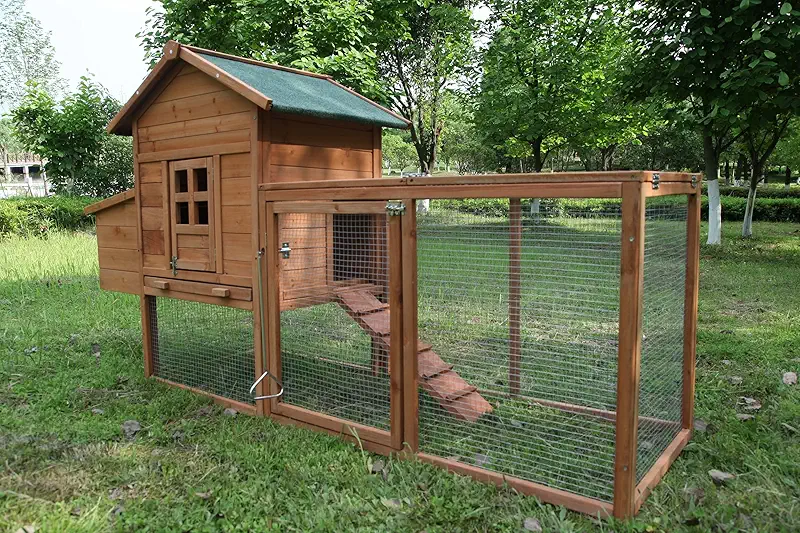
What really matters in a chicken coop under $150
When folks ask me if a chicken coop under $150 can be any good, I usually smile and remember my first flock. I built that coop out of leftover lumber, a bent roll of wire, and more hope than sense. It wasn’t pretty, but the hens laid just fine once I fixed the drafts and plugged the holes.
Price is loud, but it’s not the boss. For a budget coop, the real bosses are safety, dryness, and easy daily work. If a coop keeps your birds safe from predators, dry in the rain, and doesn’t make you curse every time you collect eggs, it’s doing its job, even if it didn’t cost a fortune.
I’ve used cheap coops, fancy coops, and a few disasters I’d rather forget. Over time I learned there are a few non‑negotiables you should look for, no matter how tight the budget is.
1. Predator safety comes first
Out here, everything wants a free chicken dinner: raccoons, foxes, neighborhood dogs, and the occasional hawk that thinks my hens are a buffet. A budget coop can work, but only if you help it a bit.
- Solid latches: Raccoons have clever little hands. A simple hook latch is just a puzzle to them. Look for latches that actually click shut or add your own carabiner clip.
- Sturdy wire: Thin decorative wire is just chicken wishful thinking. Real protection is ½-inch hardware cloth or at least reasonably strong mesh that doesn’t bend too easily.
- Ground protection: Lots of budget coops sit right on the dirt. That’s an open invitation to diggers. I like to add a simple apron of wire or set the coop on blocks to slow predators down.
2. Dry roof, dry birds
No hen lays well when she’s cold and wet. With low‑cost coops, the roof is often where corners get cut. I’ve seen roofs that looked fine in the pictures and turned into sponges at the first real storm.
Run your hand along the roof edges and joints:
- If you see light shining through cracks, water will find its way in too.
- If the roof panel feels flimsy, plan on adding a cheap tarp or corrugated sheet over the top.
- If water pools on the roof instead of running off, tilt the coop slightly so rain drains away.
I once had a “bargain” coop that dripped like a leaky faucet. The hens bunched into one dry corner, grumbling like old ladies in church when the heat went out. I spent ten minutes with a roll of roofing tape and a scrap of plastic, and it turned that headache into a decent shelter.
How many hens fit in a small coop?
The picture on the box will lie to you. I’ve seen tiny coops advertised “for 4–6 chickens” that I wouldn’t put two full‑grown hens in for more than a rainy afternoon. Birds need space, even in a chicken coop under $150.
Here’s how I size things on my own place:
- Inside space: Aim for about 3–4 square feet per hen inside the coop if they also have a run.
- Run space: Try for at least 8–10 square feet per hen in the run if they’re not free‑ranging most days.
- Roost bar: Each hen needs around 8–10 inches of bar to sleep on comfortably.
When the listing says “up to 6 chickens,” I usually translate that to “3–4 hens without a fight.” Overcrowding leads to pecking, feather loss, and the kind of drama even a soap opera wouldn’t air.
My real‑world checklist for a chicken coop under $150
Over the years I’ve helped neighbors set up their first coops on tight budgets. Same story every time: they don’t want junk, but they don’t have money to burn either. Here’s the simple checklist I walk them through.
Must‑have features
- Nest boxes: At least one nest for every 3–4 hens. Removable lid or side door makes egg collection much easier.
- Decent door height: You want to be able to reach in without crawling on your knees unless you really like yoga in the mud.
- Ventilation up high: Small openings up near the roof let moisture and ammonia out without blowing cold air directly on roosting hens.
- Secure floor or raised base: Either a solid floor or a coop raised off the ground so it doesn’t sit in standing water.
- Simple to clean: Removable trays or wide doors are worth their weight in fresh eggs.
Nice‑to‑have upgrades
- Built‑in run: Great if you can’t free‑range every day.
- Access panels: Side doors make deep cleaning much easier.
- Windows with wire: Light and airflow, with predator protection.
- Sloped roof: Helps snow and rain slide right off instead of sitting and soaking.


