
Chicken coop under $200
I’ve been raising hens since before my beard turned gray, and I’ll tell you this: you don’t need a fancy barn or a fat wallet to keep chickens happy. A good, solid chicken coop under $200 can give you fresh eggs, calm mornings, and that soft clucking sound that feels like home.
In this guide I’ll walk you through what really matters in a budget coop, what’s just pretty paint, and how to stretch every dollar so your birds stay safe, dry, and laying strong – without you having to sell the tractor.
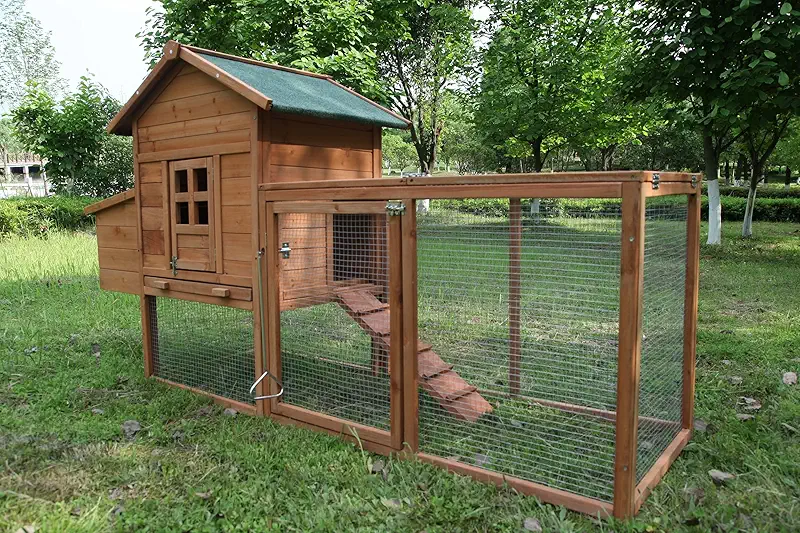
What a chicken coop under $200 must absolutely have
When folks ask me, “Can a cheap coop really be good?” I smile and think about my very first store‑bought coop. It was light, a bit wobbly, and honestly looked more like a dollhouse than a barn. But I learned something from that little box: price doesn’t matter as much as knowing what to look for.
With a chicken coop under $200 you’re not paying for fancy trim or glossy paint. You’re paying for the basics your layers truly need: safety, dryness, and enough space to act like chickens, not sardines.
1. Enough space so hens don’t fuss all day
Tight birds are cranky birds. Rule of thumb I use on my farm:
- At least 3–4 square feet per hen inside the coop
- 8–10 square feet per hen in the run if they’re not free‑ranging
A lot of budget coops claim “for 6–8 chickens” when I’d only put 3 or 4 hens in there if I want them peaceful and laying well. The box on the page might brag, but the poop on your boots will tell you the truth.
2. Real protection from raccoons, foxes, and the neighbor’s dog
Predators don’t care how much you paid. They just care how easy it is to get in. When you’re looking at any chicken coop under $200, study the photos and the description like a hungry raccoon would:
- Wire type: ½ inch hardware cloth is gold. Thin “chicken wire” keeps chickens in but doesn’t keep hungry critters out.
- Locks and latches: Simple twist latches are a joke to raccoons. Look for sliding bolts or latches you can clip.
- Floor: A solid floor or a way to put the coop on blocks so nothing can dig under at night.
3. Dry roof and good ventilation
Wet chickens in winter will quit laying and sometimes just quit altogether. I once tried to save money by roofing a small coop with scrap plywood and a smile. Big mistake. The hens looked like soggy mop heads and I spent more on vet bills than I saved on lumber.
On any chicken coop under $200, check that:
- The roof has decent overhang and some kind of waterproof layer
- There are vents or gaps high up, protected by wire, so moisture can get out but drafts don’t hit the birds on the roost
Before you bring home a coop, ask yourself:
- Can I honestly fit my flock inside using 3–4 sq ft per hen?
- Is there hardware cloth or just thin wire?
- Will rain run off this roof or soak in?
- Can I reach every corner to clean without crawling on my belly?
If you can say “yes” to those, a chicken coop under $200 can serve you just fine.
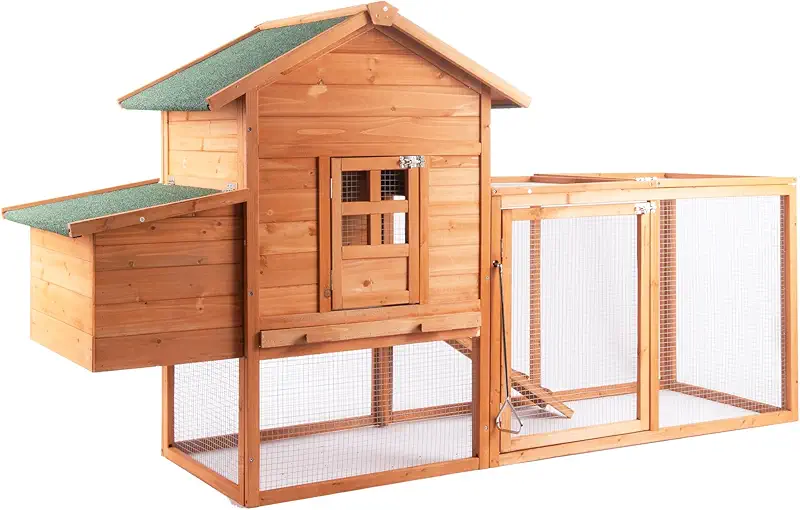
Three smart ways to use a chicken coop under $200
I don’t treat these budget coops like full‑blown barns. I treat them like tools. Over the years I’ve used them in a few smart ways that stretch their value without stretching their boards.

When my young pullets are too big for the brooder but too small to hold their own with the old hens, a small chicken coop under $200 is perfect. It keeps them safe, gives them their own feeder, and lets them see the main flock through a fence.
After a few weeks of “see but no touch,” they blend into the big flock with a lot less drama. Fewer feathers fly, and I don’t have to play chicken referee.

Some of the lighter chicken coops under $200 are easy enough for one person to drag to fresh grass. I call them my “lawnmower with eggs.” The hens work the ground, eat bugs, and fertilize as they go.
Just be sure to stake the run if the wind kicks up or if you’ve got clever foxes. Lightweight is great for moving, less great for wrestling a determined predator.

I like having a small spare coop ready. When a hen turns broody, I can give her a quiet corner away from the mob. When one bird looks a bit off, I can pull her out for a few days without building something from scratch.
A humble chicken coop under $200 can save you an entire flock by making it easy to separate the sick from the healthy before trouble spreads.

If you’re just starting with 3 or 4 hens, a basic coop keeps the risk low. You can learn the ropes, figure out if you love chicken chores, and then decide later if you want a big walk‑in coop or a barn conversion.
I often tell new folks: “Start small, learn fast, then grow if the chicken bug bites hard.” A chicken coop under $200 fits that plan just fine.
Note from an old farmer: most “4–6 bird” coops are “3–4 bird” coops in the real world. When in doubt, keep the flock small or add an outside run.
How to strengthen a cheap coop so it lasts longer
A lot of the chicken coops under $200 share the same bones: lighter wood, basic fasteners, and thin wire. That’s not a deal breaker. It just means you and your toolbox need to become friends for an afternoon.
I’ve turned more than one “flimsy” coop into a solid little fortress with less than one extra hour of work and a few dollars in materials.
My simple upgrade routine
- Seal the wood: Before the first rain, I hit all raw wood with an outdoor sealer or exterior paint. It keeps rot away and adds a few years to the coop’s life.
- Reinforce the corners: I add a couple of metal L‑brackets on wobbly corners. Five minutes, big difference.
- Upgrade the wire: If it came with thin wire, I cover the lower 2–3 feet with ½ inch hardware cloth and good staples.
- Secure the latches: I often swap tiny twist latches for slide bolts and add a carabiner clip. Raccoons hate carabiners.
- Add blocks or a base: Sitting a cheap coop directly on wet ground is an invitation to rot. I set mine on concrete blocks or a simple pallet base.
Where a chicken coop under $200 shines
When you give one of these coops just a little extra love, it can shine in a bunch of places:
- Backyards with strict size or appearance rules
- Small homesteads wanting a second or third flock
- Families trying chickens for the first time with the kids
I’ve got one “cheap” coop that’s been on my place going on eight years now. New screws, new wire, fresh coat of paint, and you’d never guess what I paid for it.

Everyday care tips for hens in a small coop
Keeping hens in a smaller chicken coop under $200 isn’t harder, it just means you need to be a bit more faithful with the chores. The coop won’t hide your laziness the way a big barn can. Ask me how I know.
Keep the bedding deep and dry
I like pine shavings in smaller coops. They’re light, they smell nice, and they soak up moisture. I stir the bedding every couple of days with a little hand rake and top it up once a week.
If I step in and the floor squishes or smells sharp, that’s my cue: time to clean. Your nose will tell you faster than any calendar.
Water and feed: small but steady
In a small coop, giant feeders and waterers just take over the floor. I prefer:
- A compact hanging feeder under the covered run
- An easy‑to‑clean drinker raised a few inches off the ground
I’d rather fill a smaller feeder more often than have a big one the birds kick shavings and poop into all day.
Give them something to do
Bored hens start bad habits: feather picking, bullying, and that special talent for escaping just when you’re late for work. To keep the peace in a smaller chicken coop under $200, I like to:
- Hang a cabbage or leafy greens from a string for them to peck
- Toss scratch grain into the bedding so they dig around
- Add a sturdy branch or two as extra perches
A busy chicken is a happy chicken, and a happy chicken lays better eggs. That’s just farm math.

FAQ about choosing a chicken coop under $200
Ignore the “up to 8 chickens” lines and instead look at the measurements. I figure 3–4 square feet per hen inside. Many of the smaller budget coops are honestly comfortable for 3 hens, maybe 4 if they also have a decent outside run or daily free‑range time. If you treat the number on the box as a suggestion, not a promise, you’ll end up with calmer birds and better egg baskets.
With a little prep, yes. I’ve carried lightweight coops through Midwest winters just fine. Seal the wood, block strong drafts at bird level, make sure the roof doesn’t leak, and keep plenty of dry bedding on the floor. Chickens handle cold better than damp. If their combs are staying dry and the coop doesn’t smell like an old barn boot, you’re on the right track.
Out of the box, some coops are more like suggestions than fortresses. That’s why I always upgrade wire and latches on any chicken coop under $200. Adding hardware cloth and better locks turns “backyard decoration” into “no free chicken dinners.” Think of the coop as a starter frame and you as the final line of defense with a staple gun and a handful of screws.
I’ve done both. If you’ve got tools, time, and lumber, building can be cheaper and stronger. But lumber prices and life get in the way. For many folks, a pre‑made chicken coop under $200 is a fair trade: you get something standing in an afternoon, learn what you like and don’t like, and later you can build your “dream coop” with real‑world experience instead of guesses.
Predator protection, every time. I can live with a coop that’s not pretty, needs an extra coat of paint, or has a door that squeaks like an old fiddle. But if a fox or raccoon can get in, you’re just decorating a buffet. When I look at any chicken coop under $200, I first ask, “How hard would it be for something hungry to get in?” Then I plan my upgrades from there.