
Chicken coop under $250
Chicken Coop Under $250
You don’t need a fancy barn to keep hens laying steady. With a smart chicken coop under $250 and a bit of honest elbow grease, your birds can live safe, dry and happy.
I’ve raised laying hens on a budget for decades out here in the States. I’ve built coops from old pallets, bought cheap ones, regretted a few, and found some real gems that didn’t empty my wallet. Let me walk you through how to pick a solid coop when money is tight but you still want to do right by your birds.
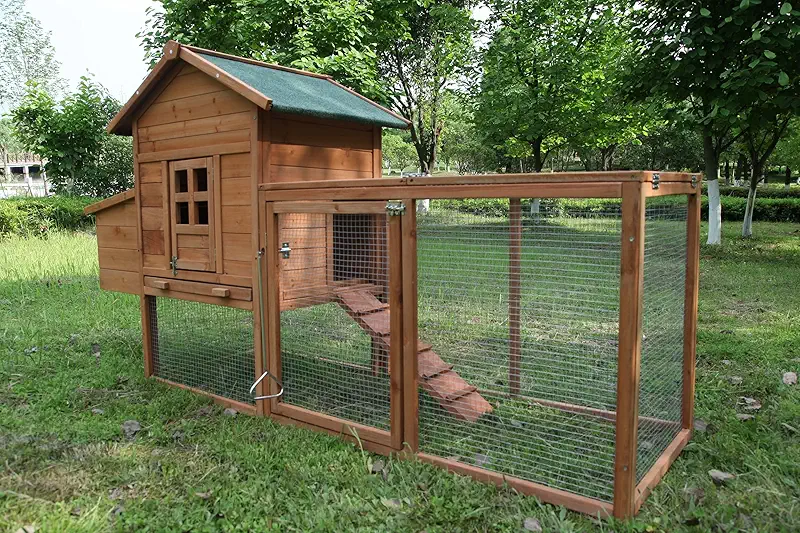
What really matters in a chicken coop under $250
When I bought my first “cheap” coop, I was stubborn and impatient. I saw pretty pictures, clicked too fast, and two storms later the whole thing leaned like an old drunk after Sunday lunch. The hens were fine, but I sure wasn’t proud of myself.
Since then, I’ve learned to judge a coop the way I judge a good work truck: it doesn’t have to shine, it just has to hold together and make my life easier. Under $250 you can’t expect a fortress, but you can get something decent if you pay attention to a few key things.
- Space per bird: aim for about 3–4 square feet per hen inside the coop, and 8–10 square feet per hen in a run if you’re not free-ranging.
- Dry floor: water is the enemy. A leaky roof or poor drainage rots wood and chills birds fast.
- Predator safety: raccoons, dogs, foxes, hawks — they’ll all test your fence and latches sooner or later.
- Ventilation: more hens means more moisture and manure. Fresh air keeps respiratory problems away.
- Easy cleaning: if it’s a pain to clean, you won’t clean it enough. Hens pay the price.
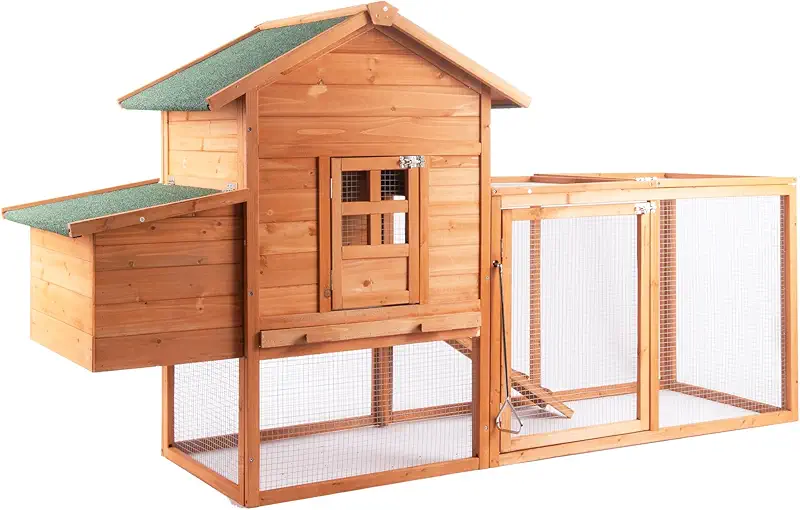
How many hens can you keep in a budget coop?
This is where folks get in trouble. They see “up to 6 chickens” on a product and think it’s gospel. Well, I’ve seen those so‑called six‑chicken coops, and some of them are barely good for three hens and a skinny rooster.
In my own yard, I’ve found that being generous with space keeps the peace. Crowded hens bicker, peck, and spend more time fighting than laying. A coop under $250 usually ends up on the smaller side, so I always “downsize” the number of birds the box claims it can handle.
Realistic flock sizes
- Small coop (about 12–16 sq ft inside): comfortable for 3–4 standard hens.
- Medium coop (around 20–24 sq ft): 5–6 hens if they have a run or daily free-range.
- Attached run only (no free-range): lean toward fewer hens than the box says.
I’d rather have four happy hens laying consistently than six cranky ones plotting a prison break.
When “too many” cost me eggs
One year I stuffed eight birds into a coop that should’ve housed five at best. Within a week, the lower hens in the pecking order lost feathers, and a couple stopped laying altogether. I thinned the flock, and like magic, the eggs came back. That taught me to respect space the way I respect fencing.
Key features I look for in a chicken coop under $250
When I’m checking out a new coop in this price range, I don’t care much about flower boxes or fancy trim. I go straight to the parts that decide if the thing will survive a storm and a raccoon raid.
1. Solid frame and decent wood
At this price, you’ll usually see thinner wood and lighter frames. That’s fine, as long as the joints are tight and the coop doesn’t wobble like a card table. I like to give mine a good shake after assembly. If it rattles, I add a few extra screws or braces.
Look for:
- Thicker legs and corners rather than skinny pieces everywhere.
- No obvious gaps where the roof meets the walls.
- Wood treated or paintable, so you can seal it with an outdoor wood sealer or paint to fight off the weather.

2. Strong wire, not flimsy mesh
If a raccoon can bend it, it’s not wire, it’s a suggestion. On a chicken coop under $250, manufacturers love to save money by using thin mesh. I prefer proper hardware cloth over chicken wire for the serious predators. If the coop comes with weaker wire, I often upgrade the run myself.
- Check that the wire is firm to the touch, not easy to bend with two fingers.
- Make sure it’s stapled or screwed securely into the frame, not just lightly tacked on.
- Look at the door latches — raccoons use paws better than some folks use hands.
3. Roof and rain protection
Birds handle cold better than damp. A good roof on a cheap coop is worth more than a pretty window. I look for a sloped roof that sheds rain and some kind of overhang so water doesn’t run straight down the walls.
If the roof is thin, I sometimes add a layer of roofing felt or even a bit of metal panel on top. Doesn’t look fancy, but on a stormy night, the hens don’t care how pretty the shingles are.

Ventilation, bedding, and keeping hens healthy
Over the years, I’ve learned that most chicken problems start with air and moisture. Too stuffy, and you get respiratory issues. Too damp, and you invite mites, smell, and disease. A good chicken coop under $250 doesn’t have to be big, but it must let the air move without chilling the birds.
Smart ventilation on a budget
- Vents high up: warm, moist air rises, so vents should be near the roof, not down at roost level.
- Cross-breeze without drafts: I like openings on opposite sides, but not straight in line with the roost.
- Covered with hardware cloth: every vent should be predator-proof, not just open holes.
Simple bedding that works
I’ve tried straw, shavings, and even dried leaves when money was tight. My go‑to for laying hens is usually pine shavings or chopped straw. Whatever you choose, keep it dry and not too thin.
- Keep 2–4 inches of bedding on the coop floor.
- Stir it every few days and spot clean droppings under the roost.
- Top it up or change it fully if it ever smells strong — a good coop should smell like a barn, not a sewer.
My hens tell me when I’m slacking. If I open the coop and they all rush outside like their pants are on fire, I know the air inside needs help.

Nesting boxes and roosts: keeping eggs clean and hens calm
A chicken coop under $250 will usually come with simple nesting boxes and a basic roost. That’s fine — hens aren’t picky decorators. They just want a safe, quiet spot to lay and a higher perch to sleep on.
Nesting box basics
- One box for every 3–4 hens is plenty. They’ll fight over the same favorite box anyway.
- Keep the boxes slightly darker than the rest of the coop — hens like a bit of privacy.
- Add soft bedding (shavings, straw, or hay) and change it when it gets damp or dirty.
I once tried putting golf balls in the boxes to show new pullets where to lay. They stared at them like I’d lost my mind, but it still worked — eventually the eggs started showing up right where I wanted.
Roosting bars that feel natural
- Roosts should sit higher than the nesting boxes, so birds don’t sleep in the boxes and foul them.
- I like roosts about 14–18 inches off the floor in smaller coops.
- Each hen needs about 8–10 inches of bar space, more for larger breeds.
A round or gently rounded edge is easier on their feet than a sharp corner. In a cheaper coop, I’ll sometimes sand the roost or even swap in a branch with a nice natural shape.

Making the most of the run in a budget coop
Many chicken coops under $250 come with a small attached run. It’s usually enough for short confinement, but I still like to give my hens extra space outdoors when I can, even if it’s just supervised time in the yard.
When you’re working with a modest run, your job is to make that space feel rich and interesting for the birds.
- Add perches at different heights for them to hop on.
- Toss in yard clippings, weeds, and vegetable scraps for them to pick through.
- Provide dust-bath spots with dry soil, ash, or sand so they can clean their feathers and chase off mites.
I like to joke that chickens are just little feathered gardeners. Give them a patch of earth and they’ll till it, weed it, and fertilize it, whether you asked them to or not.

How to upgrade a chicken coop under $250 so it lasts
A budget coop is like a starter tractor: you can run it as‑is, but with a little tinkering it’ll serve you better and longer. I almost always plan an afternoon for small upgrades once the coop is assembled.
Simple fixes I always do
- Seal or paint the wood to handle rain and snow.
- Add a better latch on the main door and nesting box — raccoon‑proof if you can.
- Reinforce any weak joints with extra screws or small brackets.
- Lay pavers, gravel, or pallets under the coop if the ground stays soggy.
Keeping a cheap coop going for years
Every spring, I walk around each coop with a bucket of screws, a bit of paint, and a cup of coffee. I check:
- Soft or rotting boards at the base.
- Loose wire staples and sagging hinges.
- Any leaks after the first big rain of the season.
Ten minutes of fixing in April can save you from chasing birds around the yard in a thunderstorm come July. Ask me how I know.

Daily routines that keep hens laying strong
No matter how nice your chicken coop under $250 is, the birds still depend on you and your habits. The good news is, it doesn’t take much time. A few small routines pay off in clean eggs and calm hens.
- Morning check: food, water, and a quick look at each bird’s eyes, comb, and behavior.
- Egg collection: once or twice a day keeps eggs cleaner and discourages egg eating.
- Quick rake or scoop: especially under the roost, so manure doesn’t build up.
- Evening headcount: make sure everyone made it back inside before you latch up.
I like to say hello to my hens by name. Maybe they don’t care, but it keeps me paying attention, and that’s how you catch little problems before they turn big.
FAQ about choosing a chicken coop under $250
Is a chicken coop under $250 really enough for year‑round use?
It can be, if you match the coop to your climate and flock size. In colder states, I focus on a dry, draft‑free coop with good bedding and wind protection, then let ventilation do the rest. In hot areas, shade and airflow matter more than thick walls. I’ve run budget coops through snowy winters and blazing summers; the key is extra care and a few simple upgrades.
How many hens can I keep in a small, affordable coop?
For most chicken coops under $250, I plan for 3–4 standard hens, even if the box claims more. If the coop is on the larger side and includes a decent run, you might go to 5–6, especially if they get time to roam outside. When in doubt, aim for fewer birds and better conditions — your egg basket will thank you.
Do I need to add insulation to a budget coop?
Most backyard flocks in the U.S. don’t need fancy insulation as long as they stay dry and out of drafts. I’ve raised hardy breeds in uninsulated coops down into the teens (Fahrenheit). In colder areas, I block strong winds, use deep bedding, and make sure water doesn’t freeze solid. Just don’t seal the coop so tight that moisture can’t escape; wet, still air is worse than cold, dry air.
How can I predator‑proof a cheap coop?
Start with the weak spots: doors, nesting lids, and run fencing. I like sturdy latches that require two separate motions to open, since raccoons are clever. If the run wire feels thin, I’ll add hardware cloth along the lower section and bury a small apron of wire around the perimeter to stop digging. A few evening checks with a flashlight will show you where gaps and loose spots are hiding.
What breeds do best in a smaller, low‑cost coop?
I’ve had good luck with calmer, medium‑sized breeds in compact setups: Australorps, Orpingtons, Barred Rocks, and many red hybrids handle confinement well if they get regular yard time. Avoid cramming large or flighty birds into tiny spaces. Whatever breed you choose, treat space like you would legroom on a long bus ride — more is always better, and everybody’s in a better mood.