
Chicken coop under $300
You don’t need fancy barn money to treat your hens right. With a bit of farmer wisdom, a chicken coop under $300 can still be safe, dry, and cozy enough to keep those eggs coming steady.
I’ve raised laying hens most of my life, through tight years and good ones. Let me walk you through what really matters in a budget coop, what you can let slide, and how to stretch every dollar without short‑changing your flock.
Let me see options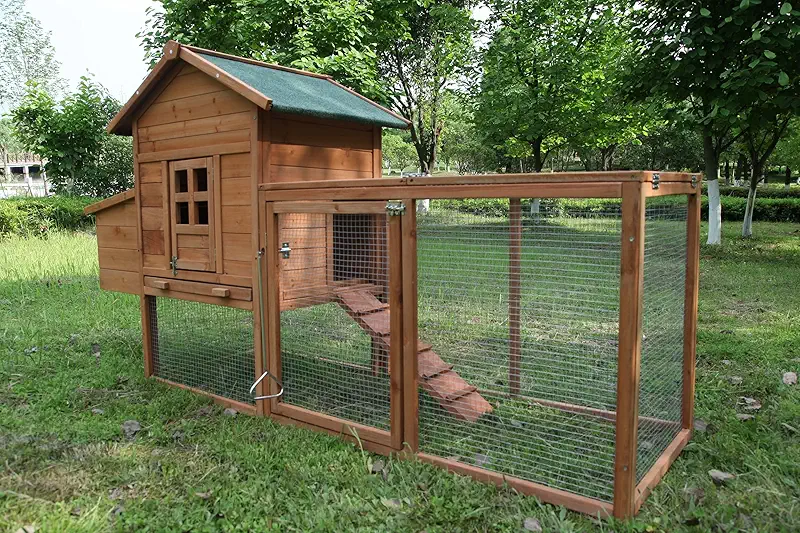
A simple, compact coop that still checks the important boxes for backyard hens.
What I’ve Learned About Budget Chicken Coops
I still remember my very first “cheap” coop. I was young, broke, and stubborn. I grabbed the lowest‑priced thing I could find, slapped it together fast, and told my wife, “See, the hens will love it.” Two storms, one raccoon, and a muddy spring later, that coop looked like it had survived a tornado and a rodeo on the same day.
Since then, I’ve tried just about every kind of chicken coop under $300 you can imagine: little prefab wooden ones, metal‑roof combos, tractor‑style pens you can drag with one hand, and some home‑built patch‑jobs that I’m glad no inspector ever saw. Some were better than they looked. Some were worse than a cardboard box.
Over the years, I learned a simple truth: you don’t need the best‑looking coop, you need the right coop. The birds don’t care about cute windows or paint color. They care about staying dry, safe, and not being crowded. If you get those parts right, even a modest coop can work just fine.
Key Things to Look For in a Chicken Coop Under $300
Farmer checklistLet’s keep it simple. No fancy talk, just what actually matters once the wind starts howling and the mud starts rising.
1. Enough Space So Nobody Gets Bullied
Crowded hens are mean hens. I’ve seen sweet, gentle layers turn into feathery little bullies when they don’t have the room they need. Pecking, feather pulling, even egg eating — a lot of those problems start with cramped quarters.
- Inside the coop: aim for about 3–4 square feet per hen.
- In the run: 8–10 square feet per hen is a good goal.
- On the roost: at least 8–10 inches of roosting space per hen.
When you see a chicken coop under $300 that claims it can hold “8–10 chickens,” read that as “4–5 hens that actually get along.” Marketing math and farm math are not the same thing.
2. Solid Roof and Dry Floor
Wet birds are unhappy birds, and damp bedding is a welcome mat for sickness. I’ve patched more leaky roofs than I care to admit, and most of it could’ve been avoided if I’d picked better materials from the start.
- Look for a metal or shingled roof with some overhang.
- Make sure the coop has a raised floor or sits on blocks, not right on the ground.
- Check reviews or pictures for signs of water damage or sagging wood.
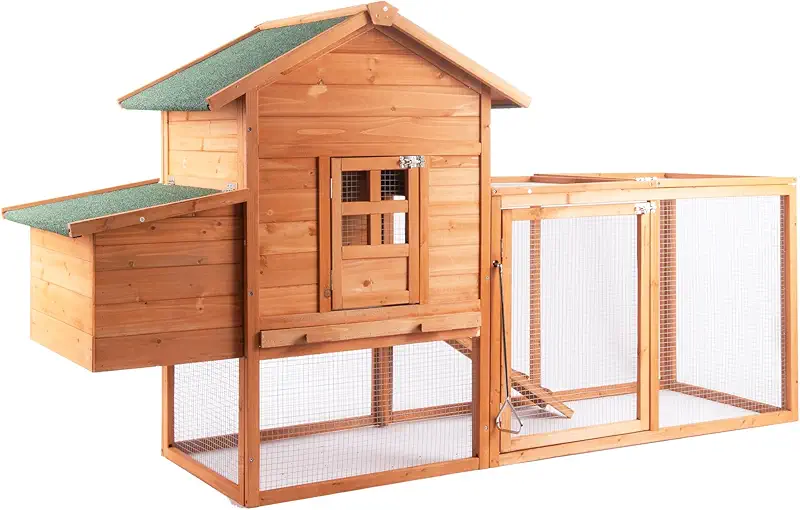
A raised floor and simple metal roof can be worth more than any cute design.
3. Real Ventilation, Not Just a Pretty Window
Good air makes a world of difference. Chickens breathe out a lot of moisture and ammonia. If that hangs around inside, your coop starts smelling like a gym bag left in a truck in July — and it’s hard on their lungs.
- Look for vents high up on opposite sides of the coop.
- Windows or vents should be covered with hardware cloth, not just screen.
- You want air moving, but not a cold draft directly on the roosts.
4. Strong Wire, Not Just Chicken Wire
This one comes from hard experience. Chicken wire is made to keep chickens in, not keep predators out. I’ve seen raccoons and dogs go through cheap wire like it was warm butter.
When you look at any chicken coop under $300, check what kind of wire is used on the run. If it’s thin, loose, or looks like a stiff net, you may want to reinforce it.
Good signs in a budget coop
- Hardware cloth (sturdy, welded wire) on openings
- Latch that takes two steps to open (raccoons hate that)
- Wood feels solid, not like soft balsa
- Floor raised off the ground
Red flags to watch for
- Flat, weak hinges or tiny screws everywhere
- Roosts barely thicker than a broom handle
- Roof that looks like painted cardboard or thin plastic
- Run wire you can bend easily with two fingers
How Many Hens Can You Keep in a Coop Under $300?
People ask me this all the time: “How many chickens will this coop really hold?” And I always answer, “Depends whether you like peaceful mornings or feathered bar fights.”
Most lower‑priced coops are a bit, let’s say, optimistic about their capacity. Here’s how my real‑world numbers tend to shake out with a typical chicken coop under $300:
- Small prefab coop: usually claimed “4–6 birds” — I treat it as 2–3 full‑sized hens.
- Medium walk‑in style: claimed “8–10 birds” — more honest at 4–6 hens.
- Run space attached: if it looks tight in the picture, assume it is.
If you plan on standard breeds like Rhode Island Reds, Australorps, or Barred Rocks, stay conservative. If you’re keeping smaller bantams, you can bend the rules a little, but remember: more room is always better, never worse.
Making a Budget Coop Last Longer
A chicken coop under $300 will never be built like a brick barn, but you can make it last many seasons with a few simple tricks. Think of it like buying a small pickup — treat it right, don’t overload it, and it’ll surprise you.
1. Seal the Wood Before the Weather Does
Most budget coops use softer wood. Before you even move the hens in, I like to give everything a good coat of outdoor sealant or barn paint.
- Seal all edges and screw holes where water might creep in.
- Pay extra attention to roof edges and the bottom of legs.
- Re‑coat every year or two, depending on your weather.

A little sealant and care can turn a simple coop into a long‑term home for your flock.
2. Add Your Own Hardware Cloth
If the coop comes with basic chicken wire or thin mesh, don’t panic. You can still use it; just think of it as the “starter kit.” A roll of hardware cloth and some sturdy staples can turn it into a much safer setup.
I replace or double‑layer the areas predators are most likely to test:
- Lower 2–3 feet of the run walls
- Any open vents or windows
- Weak spots around doors and corners
3. Keep It Clean and Dry
You don’t need spotless, but you do need steady habits. Chickens will forgive a lot, but a soaked, stinking coop is asking for trouble.
- Stir or top off bedding weekly; full cleanout every month or so.
- Watch for wet corners after big rains.
- Use pine shavings or dry straw — no moldy hay.
Common Styles of Chicken Coop Under $300
Not every backyard or homestead needs the same setup. Before you settle on any chicken coop under $300, think about how you like to work and how often you’re willing to move things around.
Small Stationary Prefab Coops
These are the cute little wooden coops you see in a lot of pictures — usually with a tiny run attached. They’re fine for a handful of birds, especially if you also let them free‑range some days.
What I like about them:
- They’re quick to assemble and look tidy in a yard.
- Easy to fit into smaller spaces.
- Good for 2–4 hens if you’re realistic about space.
Just keep an eye on the roof quality and the thickness of the wood. Some are sturdy; some are closer to lawn furniture.

Compact coops work well when you only keep a few hens and manage space wisely.
Chicken Tractors and Moveable Coops
A tractor‑style coop is built to move. You drag it to fresh grass every day or two, and the hens do a little mowing and fertilizing for you. If your yard gets muddy or you like the idea of “mobile chickens,” this can be a smart way to go.
- Look for wheels or lightweight framing.
- Handles or a pull‑bar make moving easier.
- Best for flat-ish ground; hills can turn it into a workout.
Walk‑In Runs With Smaller Coops Attached
Sometimes you’ll see a taller run with a smaller enclosed coop inside or attached. These can be a good compromise if you want standing room to feed and clean, but still stay under that $300 mark.
When I look at these, I pay attention to:
- Run height — can you at least bend comfortably?
- Door width — dragging feed bags through a tiny door gets old.
- Roof type — solid roofing on at least part of the run helps keep mud down.

Taller runs make chores easier, especially in bad weather or with kids helping out.
Practical Tips for Happy Laying Hens in a Budget Coop
A chicken coop under $300 is just the start. What you do after you set it up is what really keeps those eggs coming. Hens are simple, but they’re not fools. Treat them right and they’ll treat you to breakfast.
1. Nesting Boxes They Actually Use
Most prefab coops come with nesting boxes, but sometimes they’re too shallow or too bright. Hens like a dark, quiet, comfortable spot to lay. I often tweak the nests a bit:
- Add extra straw or shavings so the egg has a soft landing.
- Use a fake egg or golf ball to show them where to lay.
- If it’s too bright, tack up a little curtain of feed sack or cloth.

Simple nesting boxes with soft bedding and a bit of privacy keep eggs clean and unbroken.
2. Roosts That Feel Natural
Chickens like to sleep up off the ground. Thin, round roosts tire their feet out. I prefer roost bars about as wide as two or three fingers, with slightly rounded edges.
If the coop’s roosts are flimsy, I sometimes swap them out with a sturdy 2x2, sanded smooth. Place roosts a bit higher than the nesting boxes, or you’ll end up with sleepy birds in your nest and poop on your eggs.
3. Simple Feeding and Watering Setup
You don’t need a fancy system, but you do need something that won’t constantly get knocked over or filled with bedding. Hang your feeder and waterer just about at chest height of your hens. Keeps the worst of the mess out.
In winter, I like to move water just outside the coop in a sheltered spot. Keeps the bedding drier and the coop smell nicer.

Good roosts, clean water, and steady feed matter more than any cute trim or paint color.
4. Predator Checks, Morning and Night
You don’t have to be paranoid, just observant. Once you’ve set up your chicken coop under $300, spend a few evenings just watching and listening at dusk.
- Look for fresh digging along the edges of the run.
- Check latches and hinges — any spots that feel loose get tightened.
- Listen for night visitors — coyotes, owls, raccoons. They all love chicken.
If you see nose prints on the wire in the morning, take it as a compliment and a warning. Your coop smells tasty. Reinforce the spots they tested.

Sturdy latches and secure fencing are your best friends once the sun goes down.
FAQ About Choosing a Chicken Coop Under $300
Is a chicken coop under $300 really safe for my hens?
It can be, if you’re willing to add a little work on top. Many budget coops do fine once you reinforce weak spots with hardware cloth, upgrade a latch or two, and keep the roof sealed. Think of it like buying a basic truck and then putting on better tires — the core is fine; you’re just making it tougher.
How many chickens should I keep in a small budget coop?
For most chicken coops under $300, I’m comfortable with 2–4 full‑sized hens if the run is decent and they get some free‑range time. More than that and you’re likely to see picking, stress, and messy roosts. When in doubt, give them more space, not more roommates.
Will a cheap coop survive winter and summer?
Mine have, but only because I help them along. In cold areas, I focus on blocking drafts near roosts while keeping vents high up open. In hot areas, shade and airflow matter more than anything. The coop itself is just a shell; how you place it and care for it decides how it handles the seasons.
Do I need insulation or heat in a budget chicken coop?
Most healthy laying hens handle cold better than we think, as long as they are dry, out of the wind, and not crowded. I rarely use heat unless we’re talking extreme cold or fragile birds. For a chicken coop under $300, solid walls, dry bedding, and no drafts on the roosts usually do more good than plugging in a heater.
What’s the biggest mistake people make with a cheap coop?
Believing the “holds 8–10 chickens” label. That’s the fast track to crowded, stressed birds and headaches for you. The second biggest mistake is ignoring small signs of weakness — wobbly doors, sagging roofs, chewed corners. Fix those right away, and a modest coop can give you years of good eggs.
If you’re ready to look over real options and size them up with this farmer’s checklist in mind, take your time and trust your common sense. Your hens will tell you if you chose well — they’ll be calm, chatty, and laying steady.
Show me all coops