
Chicken coop under $350
Chicken Coop Under $350
I’m a grey‑bearded farmer from the Midwest, and I’ve raised laying hens through droughts, blizzards, and one very opinionated rooster. Let me walk you through how to pick a solid, safe chicken coop under $350 without wasting a dollar or losing a hen.
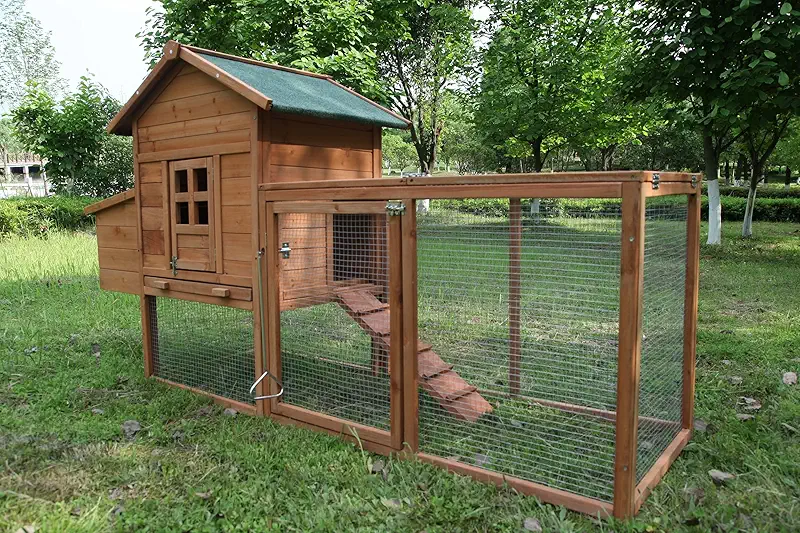
When folks ask me about finding a chicken coop under $350, I usually smile and say, “You can do it, but you’ve got to think like a hen, not like a catalog.” Hens don’t care about cute windows or fancy trim. They care about staying dry, safe, and having enough room to mind their own business.
Over the years I’ve built coops from old barn wood, bought ready‑made ones online, and patched up more disasters than I like to admit. Some cheap coops collapsed in the first big storm. Others surprised me and held up for years with just a little maintenance and common sense. In this guide, I’ll share what I’ve learned so you can choose a good, honest coop that fits your budget and keeps your girls laying.
- Strong enough to keep raccoons, dogs, and foxes out.
- Dry, draft‑free shelter with decent airflow.
- Enough space so hens aren’t cranky and stressed.
- Easy to clean, or you’ll hate it by week two.
- Roof and wood that can handle real weather, not just sunshine.
How many hens can a coop under $350 really hold?
Let’s start with the question everybody asks: “How many chickens can I keep in one of these coops?” The box might say “up to 8 hens,” but the marketing guy who wrote that never had to scrape frozen poop at 6 a.m. in January.
On my place, I use a simple rule: for standard laying hens, I aim for about 4 square feet of indoor coop space per bird, and 8–10 square feet in the run. For smaller breeds like bantams, you can squeeze that a bit. But laying hens do better when they’re not packed like commuters on a Monday train.
So if you’re looking at a smaller chicken coop under $350 that claims to hold 6–8 hens, I usually treat that as 4–5 hens max for real comfort. Crowded hens pick feathers, fight, and lay fewer eggs. Give them breathing room and they’ll pay you back in breakfast.
Watch the fine print
When you see “8–10 chickens,” check the actual floor measurements. If it looks like a dollhouse and you own full‑sized hens, trust your eyes, not the box.
Roost space is key
Hens like to roost shoulder to shoulder, but they still need about 8–10 inches each. If the roost bar is too short, they’ll crowd and bicker every night.
Think future flock
Almost everyone starts with “just four hens” and somehow ends up with eight. If you can, plan for the birds you’ll have next year, not just this spring.
What to look for in a chicken coop under $350
When I’m checking out a budget coop, I walk through a simple checklist in my head. I picture my worst weather, my sneakiest predators, and the laziest version of myself doing chores on a cold morning. If the coop passes that test, it’s worth considering.
1. Frame and build quality
Take a close look at the frame. Thin, wobbly wood means trouble. I’ve seen coops where one nasty wind gust turned the whole thing into kindling. On a chicken coop under $350, you’re not getting barn‑grade lumber, but you should still see a sturdy frame, decent joints, and hardware that doesn’t bend like a soda can.
- Prefer thicker posts and braces over fancy trim.
- Check that doors align and latch cleanly.
- A solid floor beats something flimsy sitting straight on wet ground.
2. Predator protection
Predators are patient, hungry, and more clever than most people give them credit for. I’ve had raccoons open simple latches, foxes dig under runs, and stray dogs hit a coop like a battering ram. When you shop for a coop, ask yourself, “Could a determined raccoon get into this in one night?”
- Look for strong wire, not chicken wire alone. Hardware cloth is best.
- Doors and nest boxes should close tight, with decent latches.
- If the run sits right on the ground, plan to add buried wire or apron fencing.
3. Ventilation without drafts
Hens can handle cold better than damp. Most health problems I’ve seen in winter came from wet and stuffy coops, not just low temperatures. You want vents high up under the roof so moist air can escape, but no big gaps blowing straight across the roost.
A good coop under $350 will have:
- Some openings near the top, covered with wire.
- Windows or vents you can adjust when weather changes.
- A roof and walls that don’t leak every time it rains sideways.
4. Easy cleaning and egg collection
I’ll be honest with you: if a coop is a pain to clean, you will end up putting it off. Then it starts to smell, your birds get cranky, and suddenly chicken‑keeping isn’t fun anymore. I want wide doors, removable trays if possible, and nest boxes that I can reach without crawling on my knees like I’m exploring a cave.
When I see a chicken coop under $350 with:
- A big access door to the main floor,
- Nesting boxes that open from outside,
- Flat surfaces I can quickly scrape and re‑bed,
…I know that coop will save me time and grumbling for years.
Examples of practical chicken coop under $350 setups
Let me show you the kind of layouts I like in this price range. I’m not talking about brands here, just styles that tend to work well for everyday folks with a backyard flock. Any time you want to see real models that match these ideas, you can pop over and browse them.
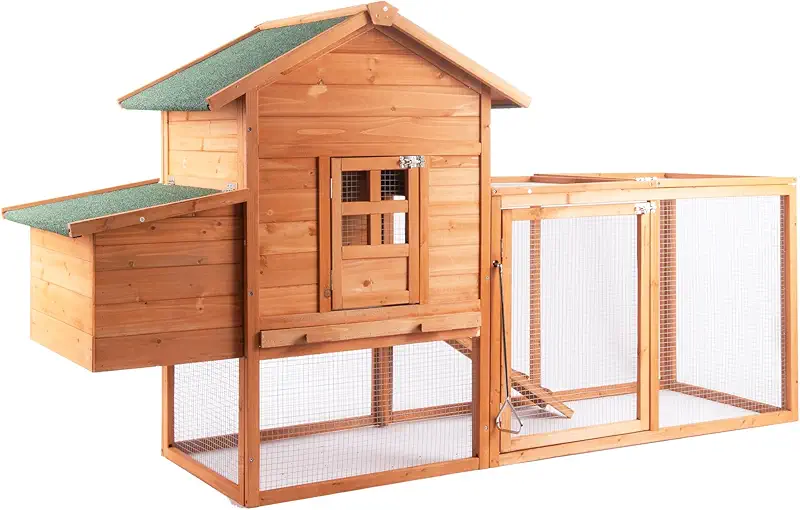
Compact coop with attached run
This kind of coop is common in the “chicken coop under $350” range: a small raised house with a built‑in run underneath. It’s perfect if you’ve got a modest yard and just want a few eggs a day from 3–4 hens.
- Raised sleeping area stays drier and discourages rodents.
- Simple ramp makes it easy for birds to get in and out.
- Run gives them a protected space when you can’t free‑range.
I like this style for folks just starting out. If you set it on blocks or pavers and add a bit of extra wire around the base, it can serve well for several seasons with just a little TLC.

Medium coop for families and bigger flocks
If you think you’ll end up with 5–6 hens (and trust me, chicken math is real), a slightly larger chicken coop under $350 is worth the extra footprint. I look for a deeper house, longer roosts, and at least 2–3 nest boxes.
- Extra headroom keeps air fresher in summer heat.
- Wider doors on both the run and the house.
- Stronger framing so it doesn’t wobble when you lean on it.
A setup like this can handle a family flock nicely, and you’ll have enough eggs to share with the neighbors and still keep breakfast covered.

Portable coop for fresh grass
One of my favorite setups is a lighter mobile coop you can drag to fresh grass every few days. It keeps smells down, the lawn happy, and the hens busy. In the chicken coop under $350 range, these usually work best for 3–5 birds.
- Built‑in wheels or light enough for two people to move.
- Low, spread‑out shape that won’t catch every strong gust.
- Good if you don’t have a permanent spot for your coop yet.
If you’ve got kids, they love helping move the coop. Just be sure you move it slowly so nobody rides inside like it’s a chicken train.
Real farm wisdom: what I wish someone told me before I bought my first coop
When I bought my first “ready‑made” coop, I thought I was pretty clever. It was cute, had a little window, even a tiny decorative flower box. My wife loved how it looked. Six months later, the roof was peeling, the door was swollen shut from rain, and a possum had figured out how to wiggle through a loose board. I learned quick that cute doesn’t protect hens.

Since then I’ve gone through enough coops to know what really matters, especially when you’re keeping the price under $350:
- Start with fewer birds than you think. It’s easier to keep 4 hens happy in a small coop than to cram in 6 and fight problems all year.
- Think about snow, rain, and mud. If the coop sits in a low spot, you’ll be standing in muck every time it rains. Find a slightly higher patch of ground.
- Plan your path. I like a straight, sturdy path from my back door to the coop. In winter, I’ve slipped on enough ice to know better now.
- Put water and feed where you won’t trip on them. Sounds simple, but I’ve kicked over more waterers than I’d like to admit.
- Don’t ignore the roof. A good roof turns a cheap coop into a durable one. Sometimes adding better shingles or metal on top is the best upgrade you can make.
A chicken coop under $350 can be a smart starting point, but it becomes a great coop when you add a bit of common sense and small improvements. Things like an extra coat of outdoor sealant, heavier latches, or a strip of buried wire around the run are cheap upgrades that pay off big in peace of mind.
Simple upgrades that make a budget coop feel premium
When you stay under that $350 mark, you’ll often get a decent basic structure that needs just a little help. I like to think of it like buying a good used truck and putting on fresh tires. The bones are there; you just finish the job.

Seal and protect the wood
Many budget coops come with “finished” wood that still soaks up water like a sponge. Before you move your hens in, take a dry afternoon and brush on a weather‑safe sealant. Pay special attention to roof edges, feet, and joints. You’ll easily add years to the life of that coop.
Upgrade the latches
If a child can figure out the latch, so can a raccoon. I swap out basic twist latches for sturdier ones that require a bit more work to open. It’s a cheap, quick fix that’s saved many of my birds over the years.
Add extra wire where it counts
On a chicken coop under $350, the run wire is sometimes a weak point. I like to run hardware cloth around the lower part of the run and bury some at the base or flare it out in an apron. That way, diggers like foxes and dogs hit a wall of wire instead of your hens.
Make cleaning smoother
Slide a sheet of vinyl flooring or a scrap of linoleum on the coop floor before you add bedding. It makes scraping and sweeping so much easier, and the wood underneath stays in better shape.
Everyday life with a chicken coop under $350
Let me paint you a picture. It’s early morning, the sun’s just barely up, coffee in one hand, feed scoop in the other. You walk out to the coop, open the run door, and your hens spill out clucking like they’re late for work. Eggs wait in the nest box, and the coop smells like clean straw and feathers, not some swampy mess.

That kind of simple, peaceful routine doesn’t require an expensive palace. It just needs a sensible chicken coop under $350 that’s set up right. Here’s what a normal week looks like for me with a small flock in a budget coop:
- Daily: Check feed and water, open and close the coop, quick glance at bedding and birds.
- Every few days: Collect eggs, give a quick rake or stir to the floor bedding, wipe any messy spots.
- Weekly: Add fresh straw or shavings, inspect latches and wire for damage, look for leaks after rain.
- Seasonally: Touch up sealant if needed, adjust ventilation for hot or cold weather, patch anything that’s wearing out.
Do that, and even a simple coop will treat your flock well. Chickens are tougher than we think, but they rely on us for the basics: shelter, safety, and a dry spot to roost. Get those right, and they’ll forgive you for the occasional late breakfast.
When a chicken coop under $350 is the right choice
Not everyone needs a big walk‑in barn. For a lot of folks, a chicken coop under $350 is exactly the right way to start. It’s affordable, quick to set up, and small enough that your neighbors won’t feel like you moved in a whole farm.

I recommend staying in this budget range if:
- You’re starting with 2–6 hens and not sure yet how deep you’ll get into chicken‑keeping.
- You rent your place and might move in a year or two.
- You’d rather spend time with your birds than spend weekends building a coop from scratch.
- You want something tidy that won’t turn the backyard into a construction site.
Down the road, you might decide to build a bigger coop or add another run. But for that first step into fresh eggs and happy clucking, a well‑chosen chicken coop under $350 is plenty to get you started on the right foot.
FAQ about choosing a chicken coop under $350
1. Is a chicken coop under $350 safe enough for predators?
It can be, if you pick wisely and add a few upgrades. Look for solid framing, tight‑fitting doors, and strong wire on the run. Then improve it with better latches and some hardware cloth around the base. I’ve kept hens safe for years in budget coops once I reinforced the weak spots.
2. How many hens can I keep in a small budget coop?
Forget what the box says and use your own good sense. For standard laying hens, I prefer 4 square feet per bird inside the coop and 8–10 square feet each in the run. Many “6–8 hen” coops are really comfortable for 3–5 hens at most.
3. Will a chicken coop under $350 last more than one season?
With no care at all, some cheap coops start falling apart fast. With a little effort—sealing the wood, checking the roof, tightening screws each season—you can get several good years out of them. Think of it as a starter barn that benefits from a bit of hands‑on love.
4. Do I need an enclosed run, or can my hens just free‑range?
If you’re home a lot, free‑ranging is wonderful, but I still like having an enclosed run. Weather, visiting dogs, and surprise predators don’t follow our schedule. A chicken coop under $350 with a built‑in run gives you a safe backup for days when the birds can’t roam.
5. What’s the first thing I should do after assembling a budget coop?
Before you move hens in, I’d do three things: seal the wood, upgrade the latches, and walk around the whole coop at night with a flashlight, looking for gaps or weak spots. Fix those right away. That one careful evening can save you from some painful predator lessons.
If you’re ready to let your hens settle into a cozy new home, you can look through all the different styles of chicken coop under $350 that match what we’ve talked about here.
Show me the coops