
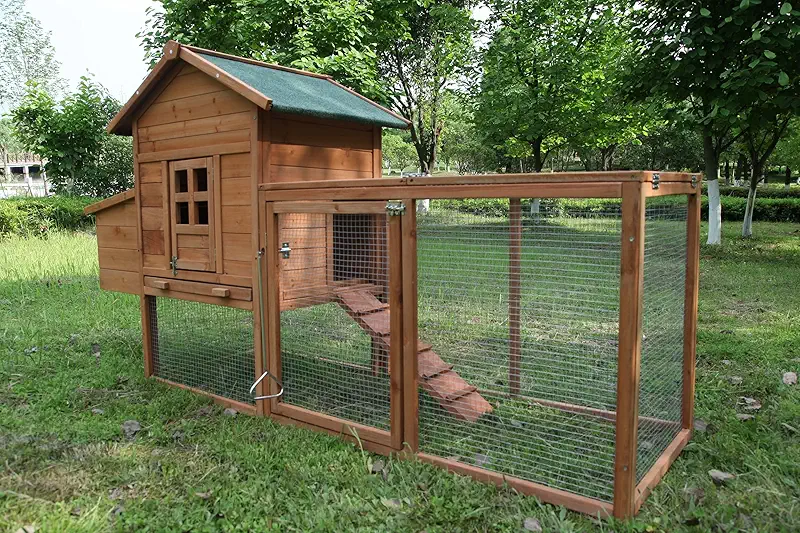
What I look for in a chicken coop under $400
When money is tight, you start paying attention to what really matters. I grew up on a small farm, where my dad used to say, “The hens don’t care what it looks like. They care if they wake up alive.” That stuck with me. So when I look at a chicken coop under $400, these are the first things I check: safety, dryness, and ease of daily chores.
Over the years I’ve used all sorts of coops: homemade ones out of old pallets, store‑bought wooden huts, plastic units, and even a converted dog house. Some worked fine, some turned into very expensive firewood. Let me walk you through the lessons that saved me money, and might save yours.
When you’re on a budget, think like a chicken, not like a decorator. Ask yourself: “Will they be safe? Will they stay dry? Can I clean this without cussing?”
Safety first: how a cheap coop can still protect your flock
On our farm we’ve had raccoons, foxes, coyotes, owls, neighbor’s dogs, and one very ambitious cat all try to turn my hens into a midnight snack. The coop is their seat belt. Even a budget coop can be strong if you know what to check.
- Wire type: I always look for tight hardware mesh around 1/2". Wide chicken wire alone is like an open bar for raccoons.
- Door latches: I want latches that need two moves to open. Raccoons have clever little “hands”.
- Floor and gaps: If predators can dig under or slide through gaps bigger than a finger, they will.
With a chicken coop under $400, I assume I’ll need to do a few upgrades myself: maybe add extra mesh on weak spots or sink some bricks around the edges. That’s fine by me; I’d rather spend a bit of elbow grease than a lot of money.
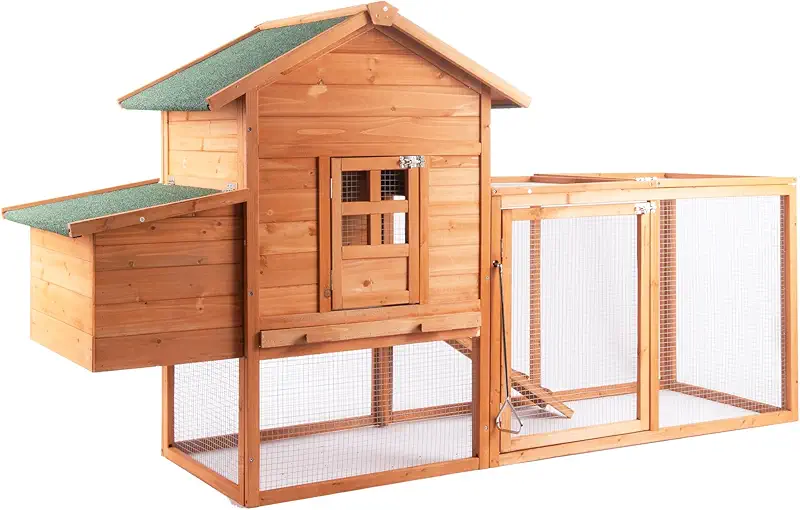
How many hens fit in a chicken coop under $400?
I often get asked, “How many hens can I fit in this thing?” and I always answer, “Less than the box claims.” Most product descriptions assume very polite, very skinny chickens. Real hens are more like pushy little football players with feathers.
My rule of thumb from real life:
- Inside the coop: about 3–4 square feet per hen.
- In the run: 8–10 square feet per hen, more if they’re stuck inside a lot.
So when a coop description says “up to 6–8 chickens,” I read that as “more comfortable for 3–4 layers,” especially if they’re full‑size breeds like Rhode Island Reds or Barred Rocks.
Years ago I stuffed too many birds into a small coop because the box said it was fine. They started pecking each other, egg laying dropped, and one hen got so bossy I started calling her “The Sheriff”. As soon as I gave them more room, peace and eggs came back.
When you see a chicken coop under $400 that claims a big capacity, mentally cut that number in half. Your future self (and your hens’ feathers) will thank you.
Nesting boxes and roosts that actually work
A good budget coop doesn’t need fancy gadgets, but it does need decent roosts and nesting boxes. Hens like to sleep up high and lay in a quiet, darker spot.
- Roost bars: I prefer rounded or slightly rounded 2x2 or 2x3 boards. Narrow metal rods are hard on their feet.
- Height: Roosts higher than the nesting boxes, so they don’t sleep where they lay.
- Nest boxes: I aim for 1 box for every 3–4 hens. They’ll share, and yes, they often all want the same box.
Once I had eight boxes for twelve hens. They lined up and fought over one single box like it was the only bathroom at the county fair. So don’t stress if the coop has fewer boxes than you’d expect; just make sure the ones it does have are cozy and easy to reach.

Wood, metal, or plastic? Materials that stretch your dollars
When you’re shopping for a chicken coop under $400, you’ll see three main kinds of materials: thinner softwood, metal frames, and plastic panels. I’ve tried all three in our unpredictable Midwestern weather: hot summers, cold winters, sideways rain.
Wooden coops on a budget
Most affordable wooden coops use a softer wood. They’re light and easy to move, but they need a little love to survive more than a season or two.
Things I watch for:
- Does the wood touch the ground? If yes, I plan to set it on blocks or pallets.
- Are the roof edges protected? That’s where water sneaks in first.
- Is there any sign of pre‑treatment or paint? Raw wood weathers fast.
One of my cheaper wooden coops lasted five extra years just because I took an afternoon to seal it and lift it off the dirt. Best low-cost upgrade I ever did.
Metal and plastic coops
Metal frames can be sturdy but may get hot in summer and chilly in winter. I look for shade options and maybe a tarp over part of the run. Plastic coops handle rain well and clean up easily, but can feel cramped if they’re on the smaller side.
I don’t mind any of these materials as long as I can keep the birds dry and draft‑free. Like my grandpa said, “We’re not building a castle, just a good roof over their heads.”

Ventilation, cleaning, and chores: where cheap coops win or fail
If you’ve never cleaned out a coop in August, imagine mixing warm bread, wet dog, and gym socks. Now imagine doing that in a cramped little box with no airflow. That’s why good ventilation and easy cleaning matter so much.
Even with a chicken coop under $400, I look carefully at:
- Windows or vents up high: Enough openings for air to move without blasting the birds with cold wind.
- Big access doors: Doors large enough for my arms, shovel, and dignity to fit inside.
- Removable trays or floors: These can be handy, but I want them to feel solid, not flimsy.
I had one coop with such a tiny door that I had to crawl inside to clean it. One hen would hop on my back like I was some kind of ride at the fair. Funny the first time, less funny the twentieth.

Weather, shade, and seasons: stretching a budget coop all year
Birds handle cold better than people think, but they hate damp drafts. They also don’t appreciate baking in the full sun all day. With a chicken coop under $400, I plan from the start to help it out a bit through the seasons.
Here’s what’s worked for me:
- Summer: I like coops with a shaded run or a roof panel. I often add a simple tarp for extra shade, plus plenty of fresh water.
- Winter: I block direct drafts at roost level but keep vents open up high. Dry bedding is more important than big heaters in most climates.
- Rainy seasons: I raise the coop on blocks so the floor never sits in standing water.
One especially wet spring, I learned the hard way that even a decent coop placed in a low spot turns into a swamp. Moving the coop a few yards to higher ground was like moving the hens into a new house. Egg production bounced right back.

Little upgrades that make a chicken coop under $400 feel high-end
Over time I’ve learned that a few cheap upgrades can turn a simple coop into something that feels custom. You don’t need a carpenter; you just need a screw gun, a Saturday, and maybe a cup of strong coffee.
- Extra latches and locks: Cheap, quick, and keeps predators (and kids) from opening the doors.
- Better roosts: Swapping skinny dowels for wider boards makes hens more comfortable.
- Additional mesh: Adding hardware mesh over weak spots toughens up the whole structure.
- Small roof overhang: A simple board or small piece of roofing keeps doors and windows drier.
- Easy path: Dry walkway to the coop so you aren’t sliding through mud every morning.
These little touches cost far less than jumping up to a premium model, and they let a chicken coop under $400 do the job of something more expensive.

Daily life with hens in a budget coop
I judge any coop, cheap or fancy, by how it feels on a Monday morning when I’m half awake, boots only half laced, coffee still on the kitchen table.
With a good chicken coop under $400, my routine looks like this:
- Open the door without wrestling with the latch.
- Check feed and water without crawling inside.
- Collect eggs from the side or rear boxes with one hand.
- Give the birds a quick check for health while they fuss around my boots.
If a coop lets me do all that in a few minutes, I count it as a win. Because the truth is, the more pleasant your chores are, the more likely you are to keep up with them, and the healthier your birds will stay.

FAQ about choosing a chicken coop under $400
Yes, it can be, if you’re willing to look closely and do a couple of small upgrades. I always check the wire, doors, and floor first. If the frame is decent, I’ll add hardware mesh where needed and a few extra latches. That alone has kept my flocks safe through many raccoon seasons.
For most affordable coops, I treat the advertised number as “max in perfect conditions” and keep about half that for real comfort. If the listing says 6–8 birds, I’m usually thinking 3–4 full‑size layers, especially if they’ll spend a lot of time inside the run.
It can. The secret is keeping the wood off wet ground and protecting it from standing water. I set mine on blocks, seal any raw edges, and make sure rain can drain away. Treated like that, some of my “cheap” coops have lasted several years longer than I expected.
In most US climates, no. Healthy, fully feathered hens handle cold better than people think, as long as the coop is dry, draft‑free at roost height, and well‑ventilated up top. I’ve raised birds for decades without fancy heaters, just deep, dry bedding and wind protection.
I usually start with security: better latches and extra mesh over any weak spots. After that, I look at the roost bars and make sure they’re comfortable. Those two changes alone make a budget coop feel solid, safe, and ready for everyday use.
If you’re ready to find a solid little home for your flock without emptying your wallet, take a quiet minute to look through the different chicken coop options and see what fits your yard and your birds.
Let me see coops