
Chicken coop under $90
Chicken Coop Under $90
I’ve been raising laying hens here in the States for more years than I care to count. I’ve built fancy coops, ugly coops, and a few that the wind tried to carry to the next county. What I learned the hard way is this: you don’t need to spend a fortune to keep your birds safe and laying steady.
If you’re hunting for a chicken coop under $90, you’re in the right place. Let me walk you through what actually matters, what you can safely save on, and how to stretch every dollar without short‑changing your hens. Think of this page like pulling up a hay bale on my farm porch and talking things through, coffee in hand.
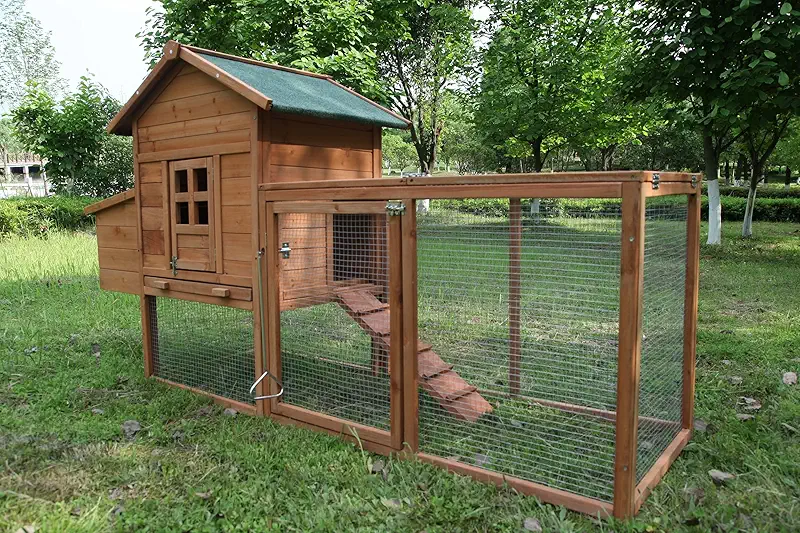
What a chicken coop under $90 can (and cannot) do
Let’s be honest from the start. A chicken coop under $90 is not going to look like those picture‑perfect barns you see in magazines. And that’s fine. Your hens don’t care about Pinterest. They care about staying dry, safe, and having a quiet spot to lay.
When my kids were young, money was tight. My first “budget coop” was mostly pallets and stubbornness. It didn’t win any beauty contests, but the hens laid like champs and never complained once. The trick is knowing where you can cut corners and where you absolutely cannot.
What you can expect from a low‑budget coop
- Lightweight construction, often thin wood or metal sheet.
- Simple latches that might need upgrading for raccoon country.
- Basic weather protection, enough for mild to moderate climates.
- Room for a small flock, usually 2–4 hens, not a whole barnyard.
What you should never compromise on
- Dry floor and roof that doesn’t drip on the birds.
- Decent airflow without icy drafts hitting them at night.
- Predator resistance, especially at doors and under the frame.
- Cleanable design, so you don’t dread chore day.
A chicken coop under $90 can handle all that with a little help from you: a few screws, maybe a bit of extra wire, and plain old common sense.
How many hens can you keep in a chicken coop under $90?
I get this question about every week from new keepers. “Can I keep six hens in this little coop?” Well, you can cram six people in a pickup cab too, but no one’s happy about it.
As a rule I use on my own farm:
- Inside the coop: aim for at least 3–4 square feet per hen.
- In the run: 8–10 square feet per hen if they’re not free‑ranging.
- On the roost: about 8–10 inches of perch space per hen.
Most ready‑made coops under $90 are comfortable for 2–3 standard hens, or 3–4 bantams, if they also get time outside. If your birds are confined full‑time, err on the roomy side. Crowded hens pick feathers, bully each other, and drop egg production. Kind of like people stuck together on a long car ride.
When I tried packing extra birds into a little budget coop years ago, the boss hen turned into a little feathered sheriff. Let’s just say I learned to give them elbow room.
Key features to look for in a chicken coop under $90
With lower‑priced coops, every feature has to work harder. Here’s what I always check before I put my money down.
1. Solid, simple frame
Fancy trim won’t help a coop stand up to wind and weather. For a chicken coop under $90, I’d rather have plain 2x2 framing that’s screwed together well than decorative bits that fall off the first time the dog brushes past.
Give the pictures and description a good look. Straight edges, decent bracing, and a floor that’s not just wire are all good signs. If you see thin poles, lots of plastic connectors, and nothing tying the corners together, you’ll probably be chasing that coop across the yard next storm.
2. Real ventilation, not big drafts
Chickens breathe out a lot of moisture. In winter, that turns to frostbite on combs if the coop is shut tight. I like to see vents near the roof line, or gaps that can be covered with hardware cloth. In summer, those vents keep the air moving so your girls don’t cook in there.
On my farm, I’ve nailed open many a vent the day I set up a cheap coop. Ten minutes of work, and the birds breathe easier.
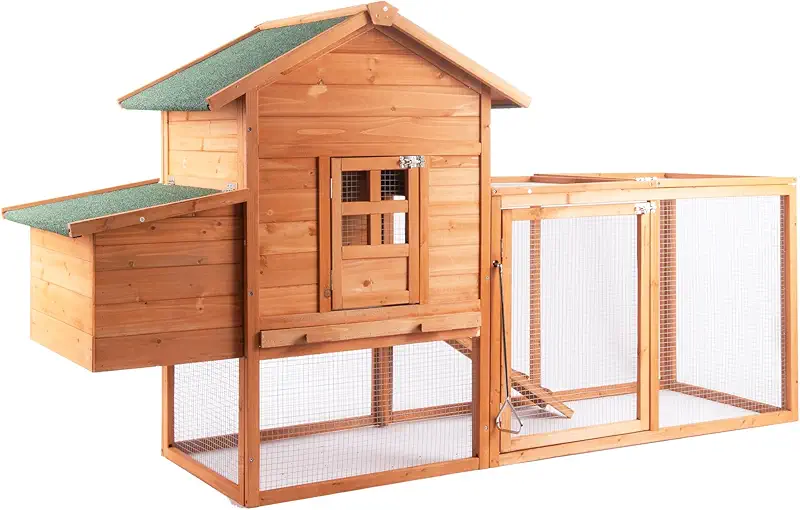
3. Nesting box that stays dry
A wet nest box gives you soggy, dirty eggs and cranky hens. Look for:
- A little roof over the nest area.
- A lip at the edge so bedding doesn’t spill out.
- Easy access from outside so you’re not crawling in to collect eggs.
I once bought a bargain coop where the nest box seam dripped right into the straw every rainy day. A bit of sealant fixed it, but I would’ve been happier noticing that in the design ahead of time.
4. Doors and latches that really close
Cheap coops often come with basic twist latches. They’ll keep the wind out, but not always the raccoons. If you live where raccoons, possums, or foxes roam, plan on:
- Upgrading to carabiners or spring‑loaded latches.
- Adding extra screws if a hinge feels wobbly.
- Checking that the door frame doesn’t leave big gaps.
A couple of dollars in hardware can turn an average chicken coop under $90 into a pretty reliable little fortress.
My favorite ways to stretch a budget coop
Buying a chicken coop under $90 is just step one. The real magic happens when you put a bit of farmer elbow grease into it. Here are tricks I’ve used on my own place to make budget coops last longer and work better.
Raise it off the ground
I set most low‑cost coops up on blocks or bricks. Keeps the floor drier, slows down rot, and makes it harder for digging predators. Plus, my back thanks me when I’m cleaning.
Add real wire
If the coop has thin “chicken wire” on the run, I often add a skirt of ½" hardware cloth around the bottom. Critters hate clawing through that.
Seal the roof seams
A tube of outdoor caulk does wonders. I run a bead along seams and screw heads. Takes minutes, saves many a wet bedding change.
Bedding that keeps hens healthy
I’ve tried just about everything: straw, shavings, sand, and once, shredded office paper when I was in a pinch. For small coops, I like pine shavings or dry straw. Lay it thick enough so droppings don’t pile right on the floor.
In cool, dry climates, you can use a “deep bedding” style. Add fresh on top every week, clean it all out a few times a year. Done right, it stays quite sweet. My birds love scratching through old bedding hunting for seeds they’re sure I’m hiding from them.
Everyday egg‑layer care in a budget coop
A chicken coop under $90 can keep layers happy if your daily care is steady. Hens care much more about routine than price tags.
Feed and water: simple but steady
I like to keep the feeder under a covered run or just inside the door where droppings don’t rain down on it at night. For water, I learned long ago: put it high enough they can’t scratch bedding into it, but low enough they can sip easy.
In summer, I refresh water often and toss a chunk of ice in the hottest afternoons. In winter, I move the water just outside the coop if possible so the air inside stays dry.

Light, eggs, and seasons
Your hens are little feathered solar panels. As days get shorter, egg numbers usually drop. That’s natural. You don’t need a fancy electrical setup in a chicken coop under $90, but a simple battery lantern in the evening for an hour or two can help keep them laying a bit steadier.
On my place, I let them slow down some in winter. I figure they’ve earned a break, same as the rest of us.
Clean‑up routine that doesn’t steal your weekend
- Quick scoop under the roost every day or two.
- Stir bedding so it dries instead of clumps.
- Wipe the roost and nest edges weekly with a mild cleaner or vinegar.
- Full clean‑out when the smell says “barnyard” instead of “fresh straw.”
Ten minutes here and there beats one miserable, back‑breaking clean‑out day.
When a chicken coop under $90 is a smart choice
I’m the first to say: not every flock needs a big fancy setup. Sometimes a smaller, cheaper coop is the wisest path.
Good fits for low‑priced coops
- Your first 2–3 backyard hens and you’re testing the waters.
- A grow‑out coop for pullets before they join the main flock.
- A hospital or broody coop, set aside from the main crowd.
- A mobile coop you don’t mind dragging around the yard.
I keep a small budget coop around just for “time‑outs” and new birds. It’s saved a lot of feather fights over the years.
Times to think bigger than $90
- You plan on 6–10 hens right off the bat.
- You live where winters are mean and windy.
- You’ve got serious predators—coyotes, fishers, or determined raccoons.
- You know you’ll be adding birds every year (chicken math is real).
I’ve never regretted going a size up on coop space. I have regretted standing in the yard at midnight with a flashlight trying to rig more room during a snowstorm.
How to get the most out of any chicken coop under $90
Let me share a little routine I use anytime I set up a new, lower‑priced coop on my farm. It’s the difference between “cheap” and “smart.”
My quick “farmer tune‑up” checklist
- Tighten all screws and add a few where the frame flexes.
- Seal roof seams and knot holes with outdoor caulk.
- Add extra latches or carabiners to doors and nest boxes.
- Lay down a solid base (blocks, pallets, or packed gravel).
- Cover any big gaps with small‑mesh wire.
I can usually do all that in an afternoon, and it easily doubles how long the coop stays solid.


Keeping hens calm and productive
Even in a small coop, calm birds give you better eggs. I always:
- Handle young birds gently so they trust me.
- Keep a steady daily rhythm—same time out, same time in.
- Give them something to do, like a cabbage on a string or a pile of leaves.
A bored hen will invent a hobby. Usually that hobby is pecking her neighbor’s tail. A busy hen lays, scratches, and minds her own business.
FAQ about finding a good chicken coop under $90
Is a chicken coop under $90 safe for my hens?
It can be, if you help it along a bit. Out of the box, many low‑priced coops are fine for mild weather and low‑predator areas. On my farm, I always upgrade the latches, add a bit of hardware cloth, and raise the coop off the ground. With those tweaks, I’ve kept birds safe for years even in coyote and raccoon country.
How long will a cheaper coop usually last?
On my place, a basic coop under $90 typically lasts 3–5 years with regular touch‑ups. Sun, rain, and snow are hard on thin wood, so I re‑stain exposed boards and keep the roof sealed. If you’re in a drier climate and care for it, it can last longer than you’d expect for the price.
Can I keep chickens in a budget coop through winter?
Yes, if you plan ahead. In colder states I add:
- Extra bedding for insulation.
- Draft blocks at bird level, while leaving vents high up.
- A windbreak around the outside, like straw bales or plywood.
Hens handle cold better than damp. Keep them dry, out of the wind, and with fresh water, and a small coop under $90 can do just fine.
Is a chicken coop under $90 big enough for my kids’ first hens?
For 2–3 hens, absolutely—if you also give them a little run or yard time. I’ve started several of my grandkids with small coops. They’re easy to clean, not too overwhelming, and if the chicken bug really bites, you can always upgrade later and keep the small coop as a backup.
What’s the quickest upgrade I should do after buying?
If I had to pick just one, I’d say better latches. Predators are clever, and a simple twist latch is almost an invitation. Second fastest job is sealing the roof seams. Between those two, you’ll sleep a lot easier the first night you leave your flock in a new chicken coop under $90.
Ready to look over more than one chicken coop under $90?
If you’ve read this far, you’re already ahead of where I was when I bought my first bargain coop. You know what to look for, what to fix, and how many birds you can safely house. Now it’s just a matter of finding the setup that fits your yard, your weather, and your little feathered ladies.
Take your time scrolling through different designs. Picture where you’ll put the feeder, where the water will hang, and how you’ll scoop out bedding without banging your head on the roof. That little bit of imagining can save you a lot of annoyance later on.