
Chicken coop ventilation fan
I’ve raised laying hens through Midwest summers that felt like a sauna and winters that could freeze your eyelashes. The single change that helped my birds the most was adding a good chicken coop ventilation fan.
In this guide I’ll walk you through, plain and simple, how a chicken coop ventilation fan works, why it matters for egg production and health, and what I look for before I bring any fan into my coop.
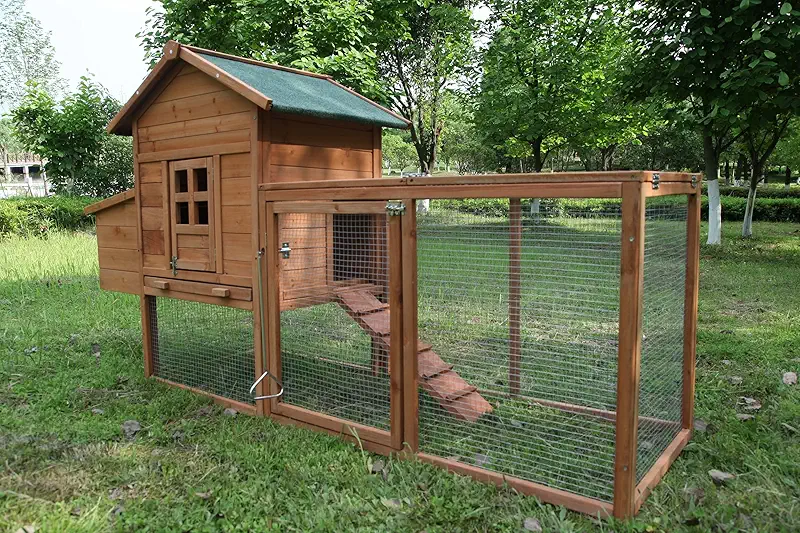
I’m a U.S. farmer, been around chickens since before I could spell “chicken.” Over the years I’ve made about every mistake you can make with a coop. I’ve built coops too tight, too drafty, too dark, too fancy, you name it. The birds forgave me… mostly. But the one lesson that really stuck was this: stale air is a quiet killer.
Folks look at a coop and think, “Keep them warm, keep them safe.” That’s true, but if you don’t move the air, you’re just building a pretty little outhouse for your hens. A proper chicken coop ventilation fan pulls out moisture, ammonia, and heat, and brings in fresh air without blasting your birds with a cold draft.
When I finally added fans to my coops, the smell dropped, the walls stopped sweating in winter, and my hens went from grumpy room‑mates to happy neighbors again. And you know what happy hens do? They lay more eggs and stay out of the vet clinic.
I like to look at different sizes and styles side by side, especially when I’m matching a fan to the size of the shed or coop.
Why a chicken coop ventilation fan matters more than fancy nesting boxes
I’ve seen folks put more thought into picking nesting box curtains than into ventilation. Cute curtains don’t keep birds healthy. Airflow does. A chicken coop ventilation fan solves three big problems in one shot:
- Excess heat in summer
- Moist, damp air in winter
- Ammonia build‑up from droppings year‑round
On my farm, before I added fans, I had a summer where hens were panting with wings spread wide. They’d drink, stand in the shade, and just stare at the feed like it was too much work. Egg numbers dropped, shells got thin, and tempers got short. Chickens can’t wipe sweat off their brows, so they need moving air to cool down.
Come winter, the problem flips. Chickens are tough in cold weather, but moisture is sneaky. Warm, wet air from their breath and droppings rises, hits the cold roof, condenses, and drips back onto them. That’s when you see frostbite on combs and wattles. Once I put fans in and let that moist air escape, frostbite cases on my roosters dropped to almost nothing.
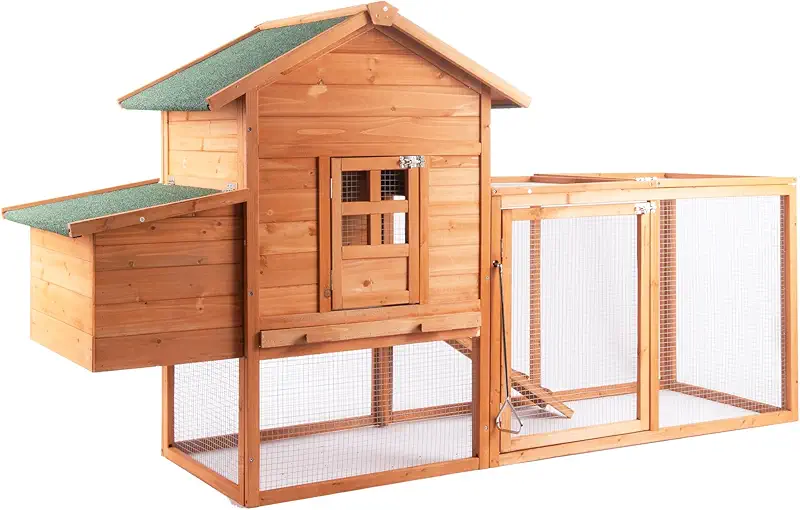
A tight coop needs smart airflow. A fan helps keep that fresh‑air “barn smell” instead of a wet‑sock smell.
How a chicken coop ventilation fan keeps hens healthy
You don’t need a degree to understand this. A chicken coop ventilation fan is just a helper that does what windows and cracks can’t always do: move air even when the weather is still and sticky or bitter cold.
Chicken droppings give off ammonia as they break down. Your nose might notice a smell, but your hen’s lungs feel it long before you do. Red, watery eyes, coughing, and sneezing in the coop often mean the air is too strong. A fan pulls that ammonia‑laden air out and brings in fresh oxygen.
Stressed hens don’t lay well. When the coop is hot, wet, and stuffy, they eat less, drink weird, and spend more time fighting over the coolest corner. Once I added fans, my hens started acting like themselves again and egg numbers rose, nice and steady.
Dust from feed and bedding floats in the air, especially if you’re using deep litter. A gentle but steady airflow from a chicken coop ventilation fan keeps that dust from hanging right at bird level all day.
I’ll say it again: chickens handle cold much better than damp cold. Dry, cold air and deep bedding, that’s your friend. A fan set to pull moist air out without blowing directly on birds makes winter coops healthier, especially for big‑combed roosters.
Choosing the right chicken coop ventilation fan for your flock
When I pick a fan, I don’t start with brand names. I start with three questions:
- How big is my coop (length × width × height)?
- How many birds are in there?
- Do I have easy access to power or do I need solar or battery?
Once you know that, you can look at the fan specs and see how many cubic feet of air it moves per minute (CFM). A simple rule I like is: turn the whole coop’s air over 4–8 times per hour, depending on climate. Hot and humid? Lean toward more. Dry and mild? You can go lighter.
Types of coop fans I’ve used
Over the years I’ve tried a bit of everything. Here’s how I break it down in plain talk:
- Wall‑mounted exhaust fans: Great for fixed coops and barns. They pull air out, usually near the top of the wall. I like these in bigger sheds where I can pair them with vents lower on the opposite side.
- Gable or roof fans: These fit into the peak of a roof or gable end. They’re good at letting hot air escape where it naturally collects, up high.
- Inline or duct fans: Handy when you need to snake airflow from one spot to another, like from a dusty area out through a wall. I’ve used these in converted sheds where cutting big new holes wasn’t easy.
- Small solar‑powered fans: Good for off‑grid coops, tractors, or portable runs. They don’t always have the power of wired units, but they keep air moving when the sun is shining hardest, which is exactly when you need it most.
Features that actually matter in a chicken coop ventilation fan
- Weather resistance: Farm air is humid, dusty, and sometimes salty depending on where you live. A fan built for barns or outdoors lasts longer.
- Easy to clean: Dust, feathers, and cobwebs pile up fast. I like a fan where I can reach the blades without needing yoga skills.
- Quiet operation: A low hum is fine, but a screaming fan will stress your birds. Quieter fans are also easier on your own nerves.
- Low power use: Fans might run many hours a day. A slightly more efficient motor saves money over long seasons.
- Adjustable speed or thermostat: A fan that can ramp up on hot afternoons and slow down at night makes life easier.

I like fans that sit high and pull air out, with vents or openings on the opposite wall to bring fresh air in.
I like to look over several fan styles, from small solar units for little backyard coops to sturdier exhaust fans for larger sheds.
How I set up a chicken coop ventilation fan step by step
Every coop is a little different, but the basic idea is always the same: fresh air in, stale air out, and no direct blast on sleeping birds. Here’s the simple approach I use.
1. Pick the air path
I decide which side of the coop will be “fresh air in” and which side will be “air out.” Around here, our worst winter winds come from the northwest, so I avoid putting intake vents on that side. I like the fan high on the warm, protected side and vents or openings lower on the opposite side.
2. Mount the fan high
Heat and moisture rise, so I mount the fan near the roof line, not down at chicken‑head level. That way it pulls out the warmest, wettest air. In my bigger coop, I’ve got one fan on a timer near the ridge, and a couple of fixed vents about shoulder height on the opposite wall.

High and out of the way keeps air moving above the birds, not blasting across their roosts.
3. Keep it above roost height
Chickens don’t like strong drafts, especially while they sleep. I keep my fan and the main outgoing airflow well above roosting level so air moves over them and out, not right through them. If I feel a strong breeze when I stand where they sleep, I adjust something.
4. Add simple controls
A small timer or thermostat is worth more than a fancy paint job on the coop. In summer I run the fan a lot more, sometimes full‑time during heat waves. In winter I might run it in short bursts or let a thermostat switch it on when humidity climbs.
5. Test with your own senses
After setup, I do what I call the “nose test.” I walk into the coop in the morning before opening doors. If it smells sharp or heavy, airflow is still not enough. If it smells like fresh wood, straw, and a little chicken funk, I’m happy.
I also watch the birds. Are they huddling away from one side? Are their combs pale or purple after a cold night? Birds tell you a lot if you stand still and let them “talk.”
Coop ventilation, predators, and safety
One worry I hear a lot is, “If I cut holes and put in a chicken coop ventilation fan, won’t that invite raccoons and other riff‑raff?” It’s a fair question. On my farm, we have raccoons, possums, foxes, and the occasional adventurous neighbor’s dog. They all see chickens as a buffet with feathers.
Here’s how I balance airflow and safety:
- Hardware cloth over every opening: I use 1/2‑inch hardware cloth, not chicken wire. Chicken wire keeps chickens in; it doesn’t keep predators out.
- Fan guards: Many fans come with guards. If not, I add a sturdy grill or hardware cloth so curious hens and rodents can’t get into the blades.
- Solid framing: I frame the fan opening like a little window, so it stays strong even if something climbs on it.
- Electric safety: I use outdoor‑rated boxes, secure cords out of pecking range, and keep wires away from damp bedding and curious beaks.
How ventilation ties into egg quality
I know we’re talking about fans, but it all comes back to eggs. In poorly ventilated coops I see:
- More dirty eggs (wet litter sticks to shells)
- Weaker shells, especially in hot months when hens eat less
- More shell defects when birds fight stress and illness
Once I dried the coop out with better airflow and stayed on top of droppings under the roosts, my eggs got cleaner and stronger without changing feed. The hens were simply living in a healthier space.

Good airflow, dry bedding, and calm hens make for a basket full of clean, sturdy eggs.
Daily and seasonal care for your chicken coop ventilation fan
A fan doesn’t need a lot of pampering, but like everything on a farm, a little regular care keeps it from quitting on you on the hottest day of July.
What I check through the year
- Every week or two: Quick look for dust build‑up, cobwebs, or feathers stuck in the guards.
- Every month: Wipe down blades and guards (with power off), make sure nothing is rattling or loose.
- Season changes: Adjust timers or settings; in spring and fall I tweak run times as the weather shifts.
- Before winter: Check cords, seals around the fan opening, and make sure drafts aren’t hitting roosts directly.

A quick five‑minute check now and then beats dealing with a burned‑out fan and overheated birds later.
Signs your current ventilation isn’t enough
If you’re wondering whether you truly need a chicken coop ventilation fan, watch for these:
- You smell ammonia as soon as you open the coop door.
- Condensation or frost forms on windows, walls, or roof inside the coop.
- Hens pant or spread wings inside the coop, even when they’re not scared.
- You see frequent respiratory issues like sneezing or swollen eyes.
- Egg production dips during hot spells and the birds just look “off.”
If that sounds familiar, adding a fan is often the cheapest “medicine” you can give your flock.
My simple setup for happy laying hens
These days, my main layer coop is nothing fancy, but it works:
- Plenty of fixed vents high on the walls
- A chicken coop ventilation fan near the roof peak on the leeward side
- Hardware cloth over all vents and the fan opening
- Deep, dry bedding and regular clean‑ups under roosts
- Shade outside and clean water always nearby
With that setup, my hens handle our humid summers and our icy winters better than I do. They keep laying, keep scratching, and they greet me at the coop door every morning like I’m a walking bucket of corn.
If you’re just starting out, don’t stress over building the world’s fanciest chicken palace. Focus on the basics: predator‑proof, dry, and well‑ventilated. A good fan is a big step in the right direction.
When I help neighbors with their first coops, we usually end up back at the same lesson: you can’t see bad air, but your birds feel it all day long. Give them fresh air and they’ll pay you back in eggs, manure for the garden, and a lot of farmyard entertainment.

Comfortable hens are chatty, busy, and steady layers. Good airflow is a big part of that picture.

Whether it’s a small backyard coop or a larger walk‑in shed, the right fan keeps the whole setup more comfortable and healthier.
FAQ about using a chicken coop ventilation fan
1. Won’t a chicken coop ventilation fan make my birds too cold in winter?
Not if you set it up right. The goal is to remove moist, stale air from up high while keeping birds out of direct drafts. Chickens wear a down jacket year‑round; they handle dry cold well. What hurts them is damp air and wind blowing directly over the roost. Mount the fan high, protect the roosts from direct airflow, and you’ll see less frostbite, not more.
2. Do I really need a fan if my coop already has windows and vents?
In some mild climates with a small flock and a well‑designed coop, good windows and vents might be enough. But if you smell ammonia, see condensation, or live where summers or winters are extreme, a chicken coop ventilation fan gives you consistent airflow even when there’s no breeze outside. I see fans as insurance against those still, sticky days and nights.
3. How loud should a chicken coop ventilation fan be?
A gentle hum is fine. If you have to raise your voice to talk near the coop when the fan is on, it’s probably too loud. Constant harsh noise can stress birds, same as it does people. I like units that run smoothly and quietly, with no rattling or screeching. A little noise is just “barn music,” but it shouldn’t sound like a jet engine.
4. Is a solar chicken coop ventilation fan enough for hot summers?
It depends on the size of your coop and your climate. For small backyard coops and tractors, a good solar unit can make a big difference, especially since it runs hardest when the sun is beating down. For larger fixed coops or brutal heat, I like pairing solar with a wired fan or making sure the fan’s CFM rating is high enough for the space.
5. Where should I place my chicken coop ventilation fan for best results?
I almost always mount it high on a wall or at the gable end, away from the main wind direction. I bring fresh air in from lower vents or windows on the opposite side. That way air flows across the coop, above the birds, and out the fan. If you stand where your hens sleep and feel a strong draft, reshuffle things until the air feels gentle.