
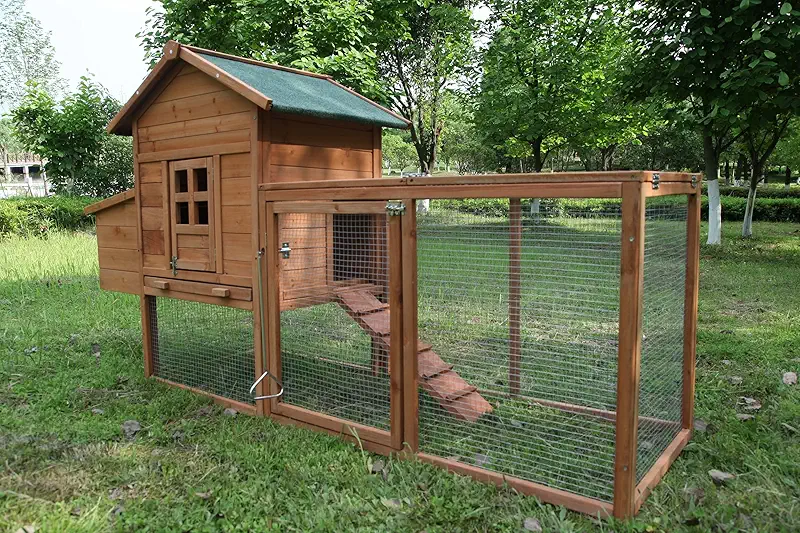
Why chicken coop ventilation matters more than people think
I’ve raised laying hens most of my life here in the States. I’ve learned, usually the hard way, that you can get away with a crooked fence, a dented water bucket, and the occasional ugly pair of work boots. But you cannot get away with poor chicken coop ventilation. The birds will tell on you fast.
When the air in the coop is wrong, you smell it before you see it. That sharp ammonia burned my nose more than once back when I thought “snug and warm” meant closing every crack. The hens started coughing, combs got pale, and egg production dropped like a rock. That was the year I truly understood: good ventilation is as important as good feed.
Proper chicken coop ventilation does three simple but powerful jobs:
- Lets moist, stale air escape before it turns into damp bedding and frostbite.
- Moves ammonia and dust up and out so your hens can breathe easy.
- Keeps fresh oxygen coming in without blasting birds with cold drafts.
If I walk into the coop and the air smells sharper inside than outside, I consider that a ventilation problem, not a “just needs cleaning” problem.
The simple science behind air flow in a chicken coop
You don’t need an engineering degree to understand chicken coop ventilation. Think of warm, moist air like steam from a pot on your stove. It wants to rise. If you give it a way out high on the coop, and a gentle way in down low, the air will move all by itself most days.
Inside any coop, you’ve got three main troublemakers:
- Moisture from chicken breath, droppings, and wet bedding.
- Ammonia from manure breaking down, especially under roosts.
- Dust from feathers, feed, and dry litter.
All three build up faster than new chicken keepers expect. I remember one winter I skipped a couple of cleanouts because work got busy. By the time I caught up, the inside of the coop felt like a wet basement. Frost on the windows, damp walls, cranky hens. That’s when I cut more vents along the eaves and things turned around within a few days.
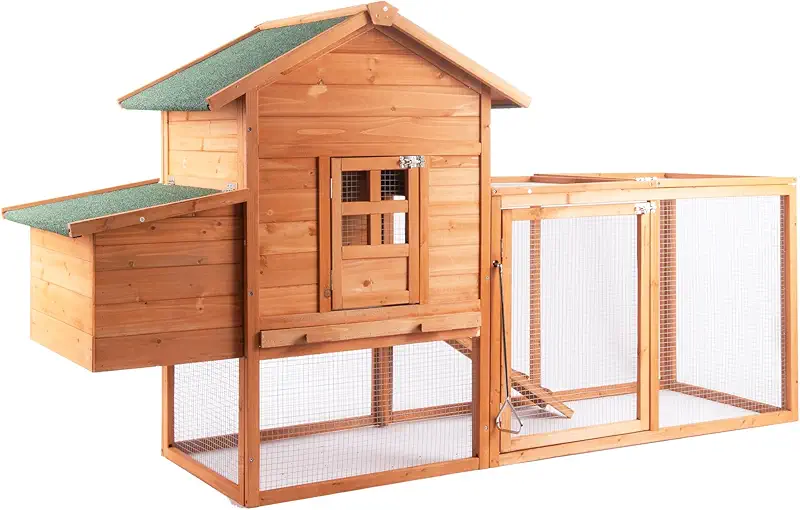
Good ventilation vs. draft: there’s a big difference
A lot of folks get scared of ventilation because they hear the word “draft.” Let me clear that up. A draft is cold air blowing directly on your chickens while they sleep. Good ventilation moves air above their heads, not across their backs.
On my own coops, I aim to have the roosts around the height of my waist and the vents up around my shoulders or higher. That way the moist air from their breath rises up and drifts out without turning the hens into little feathered wind socks.
How much ventilation does a chicken coop really need?
People love exact numbers, but chickens and weather don’t always work by the book. A common guideline is roughly 1 square foot of ventilation per 10 square feet of floor space, and more in hot climates. That’s a starting point, not a law written in stone.
What I do is watch and adjust:
- If the windows fog up or the walls feel damp in the morning, I add more vent area.
- If I smell ammonia even a little, I clean and improve airflow.
- If the hens are huddled away from certain cracks, I block those drafts and move vents higher.
I’ve seen more trouble from “too tight” coops than “too open” coops. In our cold winters, dry and chilly beats warm and damp every single time.
Winter ventilation: keeping birds dry and combs safe
Winter is when most folks accidentally choke off their chicken coop ventilation. They see ice, feel the wind, and think the birds need a sealed little house. That’s when frostbite shows up on combs and waddles, and everyone blames the cold instead of the moisture.
Frostbite in chickens is really a moisture problem. When the air inside is humid, that moisture settles on combs overnight and freezes. You solve that by letting the damp air out the top, not by trapping it around the birds.
In my northern winters, I keep:
- Large, covered vents open along both eaves.
- Drafty gaps at roost height sealed with wood or foam strips.
- Bedding kept dry and stirred often, with extra litter where they roost.
Some nights the coop feels colder than I’d like, but the air is dry and the birds are fluffed up, snoring away, and laying strong. That tells me the chicken coop ventilation is working.

Summer ventilation: beating the heat and humidity
Hot summers are a different enemy. Chickens handle cold better than heat. When the air is heavy and still, they pant, spread their wings, and lay fewer eggs. I’ve lost more sleep over heat waves than blizzards.
In the summer, I want the coop to feel almost like a shaded porch:
- Plenty of high and low openings for air to come in and out.
- Solid roof and shade to keep sun off the birds.
- Cross-ventilation so air can enter one side and leave the other.
When the forecast screams high heat and humidity, I’ll prop open bigger panels, hang a simple fan in a safe, dry corner, and make sure the waterers are in the shadiest spot I can find. I also check on the hens more often than I check on the weather app.
On the hottest evenings, I dump and refill waterers late in the day and aim a fan so it moves air near the birds, not straight at them. Gentle breeze, not hurricane.
Practical ways to improve chicken coop ventilation
Whether you’re building new or trying to fix a store-bought coop, the basic ideas are the same. You want sturdy, predator-proof openings high up, and enough flexibility to adjust for seasons. Over the years I’ve used about every trick short of inviting the wind to dinner.
Smart vent locations that work with nature
Here’s how I usually set things up:
- High vents under the eaves: Long, narrow openings under the roofline on both sides of the coop. I cover them with hardware cloth and, if needed, hinged flaps I can angle.
- Adjustable windows: Covered with hardware cloth, then framed windows or shutters I can open wide in summer and narrow down in winter.
- Gable vents: Up in the peaks at each end if the roof has a good pitch, great for letting rising air escape.
- Pop door placement: I try not to put the pop door where wind will blow straight across the roosts.
The idea is to give damp, warm air a way out higher than the birds, and gentle fresh air a way in without turning the coop into a wind tunnel.

Using hardware cloth and covers the right way
I never trust chicken wire for ventilation openings. Raccoons, weasels, and the occasional bored dog can tear it up like wet paper. For every vent, window, and opening, I use 1/2 inch hardware cloth screwed down tight.
Over that, I add:
- Exterior flaps or shutters to block driving rain or strong winds.
- Angle pieces so air moves up and over the birds instead of straight in.
- Overhangs from the roof so snow and rain don’t blow right in.
On a windy day, I stand where the roost is and close my eyes. If I feel air on my face, I adjust the vents until the breeze passes higher up.
Matching ventilation to your climate and flock
One thing I’ve learned talking with other farmers from Texas to Minnesota: there’s no one-size-fits-all coop. Chicken coop ventilation that works in dry, windy country isn’t the same as what works in a damp coastal valley.
Cold northern climates
Up north, the biggest challenge is balancing cold temperatures with high humidity. I use:
- Lots of vent area high under the eaves, always open.
- Smaller openings that I can close during blizzards but never fully seal the coop.
- Thicker walls and good bedding to keep birds out of the wind while air still moves above them.
My goal isn’t “warm like the kitchen.” It’s “dry, draft-free at bird level, and only a little warmer than outside.” That’s where chickens are most comfortable.
Hot southern climates
In hotter states, I see a lot of coops that are basically roofed, predator-proof porches. And that’s not a bad idea. Shade, air movement, and plenty of room mean the birds can ride out heat waves much better.
If I were starting from scratch in a hot area, I’d build:
- Very open sides with strong hardware cloth and removable solid panels.
- Deep shade, either from trees or extended roof overhangs.
- Roosts arranged so the evening breeze can move between birds, not straight into their faces.

Small backyard flocks vs. larger groups
A coop for six backyard hens and a coop for forty layers on a small farm breathe very differently. Higher bird numbers mean:
- More moisture and ammonia in the air.
- More body heat building up in winter.
- More dust from feed and scratching.
With a bigger flock, I treat ventilation almost like a slow, gentle fan, even if I’m not running electricity. Long, continuous vents along both sides of the coop give that slow, steady air exchange that keeps the environment stable.
Checking if your chicken coop ventilation is working
You don’t need gadgets to know if your chicken coop ventilation is doing its job. The birds, the walls, and your own nose are honest reporters if you pay attention.
Signs your coop is breathing right
- Air inside smells about as clean as the air outside.
- Bedding feels dry to the touch, even in winter.
- No condensation on windows or metal surfaces in the morning.
- Birds sleep quietly on the roosts instead of pacing or crowding the pop door.
- Combs and waddles look bright, not blackened with frostbite spots.

Red flags that say “fix this fast”
- Sharp ammonia smell when you open the door.
- Wet or clumpy bedding, especially under roosts.
- Condensation on windows or frost forming inside.
- Chickens coughing, wheezing, or with runny noses.
- Birds avoiding certain areas because of drafts.
When I see those signs, I don’t wait for the weekend. I prop open more vents, clean problem spots, and look for places where I can move openings higher or wider without exposing hens to direct wind.
Once a week, usually on Sunday evening, I walk into the coop, close the door, stand still, and just breathe and listen for a minute. That short check has saved me from a lot of headaches.
Choosing chicken coops with good ventilation features
These days there are more ready-made coops and designs than I can keep up with, and some of them look better on a screen than in real weather. When I look at a coop, I don’t start with the paint color. I start with the air.
When you’re looking over different chicken coop options, here’s what I’d look for:
- Vents or windows high on at least two sides.
- Roof overhangs to protect vents from rain and snow.
- Hardware cloth already installed over openings.
- Adjustable panels you can open wide in summer and narrow in winter.
- Roosts set well below the vent openings.

I also like to see a layout that keeps feed and water away from the draftiest spots, so birds aren’t standing in moving air while they eat and drink. A little thought in the layout now keeps your hens comfortable through a lot of seasons.
Chicken coop ventilation: questions folks often ask me
Yes, they absolutely do. Chickens give off a lot of moisture when they breathe and poop, even on cold nights. If that damp air stays trapped, it settles on combs, waddles, and bedding, leading to frostbite and respiratory trouble. Good chicken coop ventilation lets that moisture drift up and out while the birds stay out of the direct wind. It might feel cooler to you, but your hens will be healthier and more comfortable.
Step inside first thing in the morning, shut the door, and just breathe for a minute. If the air smells strong, feels heavy, or you notice damp walls or fogged windows, you need more ventilation. I like the air inside to smell almost like the air outside. Dry bedding, clear windows, and bright-eyed hens are all signs your ventilation is working well.
Not if you set it up right. Chickens handle cold much better than we give them credit for, as long as they are dry and out of direct wind. The trick is to put vents high above the roosts so air can move without blowing across the birds. I seal up low drafts but keep plenty of high openings. My winters get cold, and my birds still do fine with good chicken coop ventilation.
A small, safely mounted fan can help in hot, still weather or in larger coops, but it shouldn’t be your only source of ventilation. I treat fans as helpers, not the main solution. I always make sure wires are protected from curious beaks and dust, and I aim the fan so it moves air around the birds, not straight at them like a storm.
Most little store-bought coops are built tighter than they should be. I usually add long, narrow vents under the roof overhang on both sides, covered with hardware cloth. If there’s a window, I’ll make sure it can open safely and stay protected with wire. Just remember: keep the new openings higher than the roosts so your birds don’t sleep in a draft.

When your coop breathes right, your hens lay better, stay calmer, and live longer. If you’re ready to look over different setups with solid ventilation built in, take your time and trust what feels right for you and your flock.
Show me every coop