
Chicken coop warmer
Chicken Coop Warmer
Out here on my little patch of dirt in the Midwest, winter doesn’t ask permission. It just shows up, usually on a Monday, with a hard north wind and ice on the waterers by breakfast. Over the years I’ve learned one thing for sure: if you care about eggs and happy hens, you need the right chicken coop warmer and you need to use it wisely.
I’m not talking about turning your coop into a sauna. I’m talking about safe, steady warmth that keeps combs from freezing, keeps water from turning solid, and keeps your girls laying when the snow piles higher than your boots.
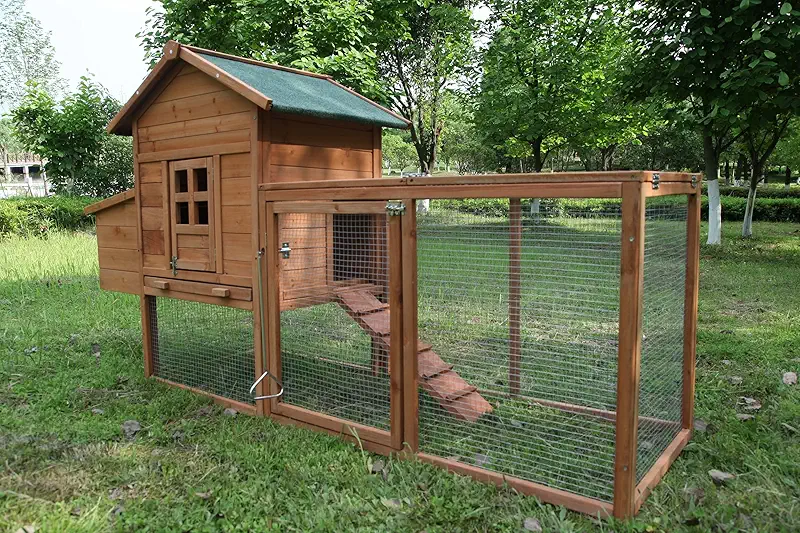
A simple, safe chicken coop warmer can make winter chores easier for you and your hens.
When that first real cold snap hits, you don’t want to be digging through the barn wondering what to use. Get your plan, and your gear, ready before the frost sticks around.
Let me see optionsDo chickens really need a chicken coop warmer?
Chickens are tougher than most folks think. Mine handle single-digit temperatures just fine as long as they’re dry, out of the wind, and have plenty of feed. But there’s a big difference between “surviving winter” and “doing well through winter.” A smart chicken coop warmer is about that second part.
When my kids were little, they’d ask, “Dad, aren’t the chickens cold?” I’d tell them, “Sure they are, but they’re built with feather coats and little furnaces inside.” That said, a bit of gentle help from us can protect them from frostbite, keep them laying better, and keep you from cracking eggs that froze and split overnight.
When a chicken coop warmer really helps
- Deep cold snaps: When temperature and wind chill drop well below freezing for days.
- Small or sick birds: Bantams, old hens, young pullets, or anyone recovering from illness.
- High humidity coops: Damp air plus cold is what really bites combs and toes.
- Open-style coops: Nice for summer ventilation, but need help in harsh winter storms.
Types of chicken coop warmer I’ve tried
Over the last couple of decades, I’ve tested just about every way you can try to warm a coop. Some were clever, some were dumb, and some nearly singed my eyebrows. Let me walk you through the main types of chicken coop warmer I actually trust around feathers, dust, and wooden walls.
Flat panel radiant warmers
These are my favorite style of chicken coop warmer for most backyard folks. Picture a flat panel that gives off a soft warmth, kind of like a heated wall. The birds can lounge near it, but it doesn’t blast hot air or glow red like a campfire.
- Low fire risk compared to heat lamps.
- Gentle, steady warmth that doesn’t shock birds.
- Can be mounted on a wall or used with legs as a little “warm corner.”
On the coldest nights, I’ve watched my hens settle on the roost and the youngsters bunch near the panel. They’re comfortable, not panting, and the coop air stays dry. That’s what you want.
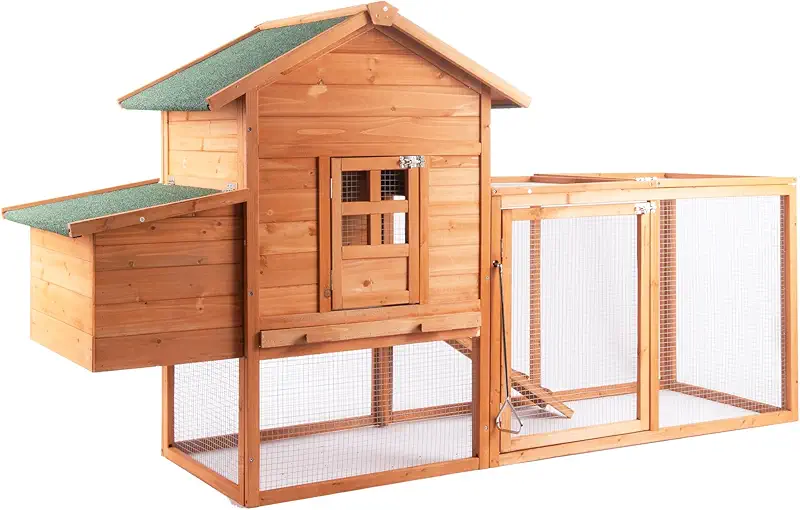
A radiant-style chicken coop warmer gives birds a cozy spot without turning the coop into an oven.

Choose a chicken coop warmer that fits your coop size and your flock’s habits.
Brooder plates and low-level warmers
Brooder plates are usually for chicks, but in a pinch I’ve used them as a small chicken coop warmer for weaker hens. They tuck under the plate just like chicks, warming from above while the rest of the coop stays fairly cool.
This isn’t your main winter solution for a whole flock, but if you’ve got a fragile hen or two, it can be a real life saver without heating the entire coop.
Why I avoid traditional heat lamps in coops
Let me be plain: I do not recommend standard clamp-on red heat lamps as your chicken coop warmer. I used them when I was young and broke, and I’m lucky I never burned the barn down.
- They get extremely hot and love to fall when you’re not looking.
- Dry dust, shavings, and feathers are perfect tinder.
- Birds can fly into them, cords can get bumped, and clamps slip.
I’ve stood in a coop and watched dust slowly bake on a metal guard until it started to smoke. That was enough for me. There are safer chicken coop warmer options nowadays, and that’s where I’d put my money.
If you’re still tempted by heat lamps because they’re cheap, at least compare safer, modern chicken coop warmer styles first. Peace of mind is worth a couple extra dollars when your birds and your barn are on the line.
Show me safer ideasHow warm should a winter coop be?
Most new chicken keepers are shocked when I say this: I rarely aim to keep the coop above freezing. I aim to keep it dry and out of the wind. A chicken coop warmer helps a bit, but you’re not trying to turn the place into Florida.
On my farm, my “happy zone” is usually just below freezing on the very coldest nights, maybe up into the mid-30s°F inside the coop when the outside drops into the teens or below. The birds fluff up, trap air in their feathers, and share body heat on the roosts.
Key goals for using a chicken coop warmer
- Prevent frostbite: Comb tips and toes are the weak spots. Gentle warmth and low moisture help a lot.
- Protect water and eggs: A little heat keeps waterers and eggs from turning into ice marbles.
- Support older hens: Senior birds feel the cold in their joints just like old farmers do.
- Keep air moving: Always pair a chicken coop warmer with decent ventilation.
Placing a chicken coop warmer safely
Where you put your heater matters just as much as which one you pick. Chickens are curious, clumsy, and about as graceful as a sack of potatoes when they decide to fly up somewhere. Plan your chicken coop warmer setup like you’re expecting chaos, because you are.
What’s worked best for me
- Mount on a solid wall: I fix radiant panels to a wall where birds can get near them, but not crash into them from the roosts.
- Keep off bedding: Nothing hot should sit directly in shavings or straw, period.
- Cord management: I run cords through conduit or along beams where beaks and claws can’t reach.
- Away from dust clouds: Not near the feeder or heavy scratching spots.
I like to think, “If the wildest hen in the flock got a caffeine boost, could she knock this thing down?” If the answer is yes, I keep adjusting until it would take a tornado to move that chicken coop warmer.

Mount your chicken coop warmer where birds can enjoy it, but not knock it into bedding.

Size your chicken coop warmer for your flock and climate instead of trying to “heat the whole outdoors.”
Choosing the right size chicken coop warmer
A heater that’s too small won’t do much more than warm your hopes. One that’s too big will cook your coop and wreck your birds’ cold tolerance. Here’s how I think about sizing a chicken coop warmer, especially for backyard flocks.
Match the heater to the coop, not your fears
- Small coops (3–6 hens): A compact radiant panel or small low-wattage heater is usually enough.
- Medium coops (6–12 hens): One mid-sized chicken coop warmer placed by the roost area works well.
- Large flocks: Often better to create “warm zones” rather than heat the full space.
Chickens are smart enough to move closer or farther from the heat. Give them a warm corner and a cooler area, and they’ll pick the sweet spot. That’s why I like targeted chicken coop warmer panels, not big blowers trying to heat every inch of air.
Energy use and cost of running a chicken coop warmer
I’m as tight with a dollar as any farmer who’s had a bad hay year, so I watch the electric bill. A smart chicken coop warmer doesn’t have to cost a fortune if you pick the right style and run it with some common sense.
How I keep costs under control
- Use a thermostat or controller: Let the heater switch on only when the coop actually dips below your comfort point.
- Insulate sensibly: I use solid walls, deep bedding, and no big gaps. You don’t need a fancy build, just no wind whistling through.
- Run it only for true cold: Above freezing, I often shut the chicken coop warmer off and rely on the birds’ natural resilience.
- Low wattage adds up slowly: A 100–200W radiant panel sipping power beats a roaring 1000W heater blasting all night.
I like to say, “Spend a little on the right chicken coop warmer, so you don’t have to spend a lot trying to fix poor insulation and wet litter later.” Warm, dry birds stay healthier, and healthy birds don’t eat your savings at the vet’s office.
How a chicken coop warmer helps laying hens
Eggs slow down in winter, that’s just nature. Shorter days and more energy spent staying warm means fewer eggs in the basket. But a chicken coop warmer, used right, helps keep things steady.
I’ve noticed that when the coop is bone-chilling and the water freezes twice a day, my hens put their energy into staying alive, not into laying. When I keep the coop just warm enough and the water liquid, they eat better, stay active, and lay more consistently.
Practical laying tips with a chicken coop warmer
- Pair your chicken coop warmer with supplemental light in the morning, not late at night.
- Keep feed available at all times; cold hens are hungry hens.
- Collect eggs often so they don’t crack from freezing.
- Offer extra protein and some scratch grain on bitter days.
Will you get summer-level egg numbers all winter? Probably not. But with smart use of a chicken coop warmer, you’ll likely see enough eggs to keep the household happy and maybe a neighbor or two.

Warm, dry hens put more energy into laying and less into just surviving the cold.

Good bedding, ventilation, and a safe chicken coop warmer work together to protect your flock.
My simple winter routine with a chicken coop warmer
Let me walk you through a normal January day here on the farm, so you can see how a chicken coop warmer fits into real life and not just theory.
Morning
I step into the coop just after sunrise. First thing I do is breathe in. If the air smells fresh and the windows have a tiny bit of frost but not dripping condensation, I know the chicken coop warmer is set right.
- Check waterers for ice and refill.
- Glance at the heater and cords to be sure nothing’s shifted.
- Look at combs and toes for any white or dark frostbite spots.
Evening
Right before dark, I top off feed, fluff a little bedding where needed, and listen. Calm, soft clucking and the sound of scratching tell me everyone feels fine. I always give the chicken coop warmer a quick touch check – warm but not hot – and make sure it’s clear of bedding.
It’s a simple habit, but over time that daily look has saved me from more than one messy situation.
Common mistakes folks make with a chicken coop warmer
I’ve made my share of mistakes so you don’t have to repeat them. Here are the big ones I see when people first start using a chicken coop warmer.
- Trying to heat the whole world: Over-sized heaters running full blast turn coops into stuffy, damp boxes.
- Ignoring ventilation: Heat + moisture + no fresh air is worse than cold, clean air.
- Trusting cheap clamps and cords: If it looks flimsy, it probably is. Mount it solid or pick another chicken coop warmer.
- Sudden temperature swings: Birds adjust to gradual cold. Big up-and-down swings are hard on them.
- Using the wrong spot: Heaters buried in bedding or hung where birds can fly into them are accidents waiting to happen.
Treat your chicken coop warmer like a tractor: maintain it, respect it, and don’t cut corners. That mindset has kept my flock safe through winters where the wind made the barn doors sing.
Quick checklist for picking a chicken coop warmer
If we were standing in the farm store together and you asked me, “Which one should I take home?”, here’s the little checklist I’d walk you through while we stared at the shelf.
- Is it made for animal or coop use, not just any old room heater?
- Does it have built-in overheat protection?
- Can it be mounted securely where birds can’t knock it down?
- Does the wattage match your coop size, not your worries?
- Can you reach a cord safely to an outlet or heavy-duty extension with no trip hazards?
Once it passes those tests, I think about my climate. Up here we see real cold, so I lean toward a steady, low-watt chicken coop warmer with a thermostat. If you’re farther south, you may only need it a few nights a year, but you’ll be glad it’s there when a freak ice storm rolls in.

Plan your chicken coop warmer with safety first, then comfort and convenience.
If you’re looking over your coop and thinking, “Yeah, winter’s going to bite this year,” it might be time to line up a chicken coop warmer that fits your flock and your weather instead of waiting for that first nasty cold snap.
I’ll sort this nowChicken coop warmer – frequently asked questions
If your winters just flirt with freezing and rarely stay there, you might not need a chicken coop warmer running all season. Good ventilation, dry bedding, and protection from wind might be enough. Still, I like to have a safe heater on hand for those rare nights when the forecast surprises you. It’s like keeping snow chains in the truck – better to have them and not need them.
If you run a huge heater nonstop and keep the coop as warm as your living room, yes, they’ll get spoiled and lose some cold tolerance. But a low, steady chicken coop warmer that only nudges the temperature up a bit won’t cause that. You’re taking the edge off the cold, not changing seasons. I let my birds feel some normal chill so they keep their natural toughness.
A good unit, used exactly as the maker says, mounted securely, and kept clear of bedding is designed to run for long stretches. I leave mine on overnight during real cold spells. The key is picking a chicken coop warmer that’s meant for livestock spaces, not just a cheap office heater you hang by a dusty roost.
I like the heater near, but not right under, the roosts. Think of it as warming the general roost area and giving them a slightly warmer zone, not turning the roost bar into a toaster. If birds can choose a closer or farther spot along the roost, they’ll sort themselves just fine.
Yes, though the setup changes a bit. Ducks are messier and throw more moisture around, so ventilation becomes even more important. Turkeys roost higher and can hit heaters if they’re poorly placed. The same basic idea holds, though: a safe, steady chicken coop warmer that keeps them dry and out of extreme cold, without baking the building.
If you’re ready to look over different ways to keep your flock cozy when the mercury drops, take a quiet minute and browse what’s out there. Your future winter mornings will thank you.
Show me chicken coops