
Chicken coop wheels kit
I’ve been raising laying hens out here in the country long enough to have pulled more than one coop through the mud by hand. That’s why a good chicken coop wheels kit isn’t a luxury to me, it’s a tool that saves your back, your grass, and your birds’ health.
When you can roll your coop instead of wrestling it, you move hens to fresh grass, away from mud, and out of trouble in minutes – even after a long day at work.
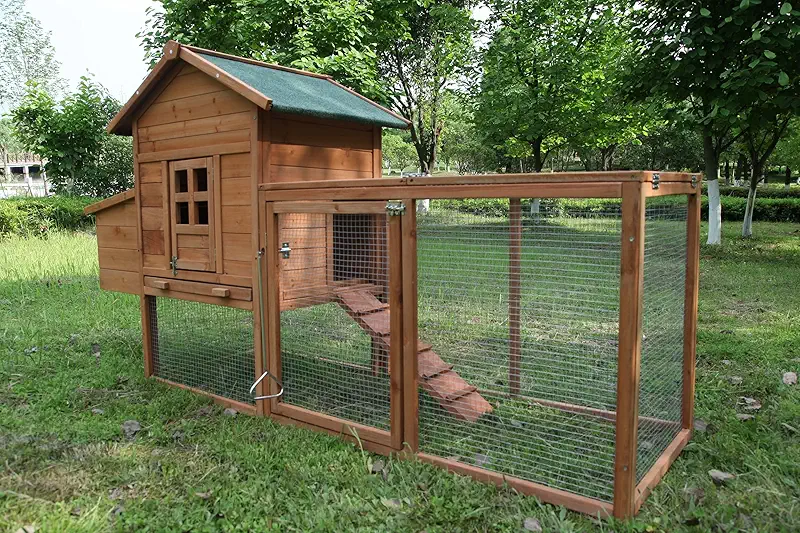
Why a Chicken Coop Wheels Kit Changes Everyday Chores
Out here, I learned fast that a “portable” coop without wheels is just a heavy box with good intentions. My first tractor coop sat right in one spot for weeks because I kept saying, “I’ll move it tomorrow.” Tomorrow kept raining, my boots kept sinking, and the hens kept scratching in the same tired patch of dirt.
Once I put a solid chicken coop wheels kit under that same coop, it turned into a different tool. I could move it before my morning coffee got cold. Hens had new grass, droppings spread out over the pasture, and I didn’t need to ask my neighbor with the tractor for help every time.
If you keep laying hens on pasture, or even in a backyard you want to keep green, being able to roll that coop is the difference between a healthy rotation system and a muddy, smelly corner of the yard your spouse glares at.
Benefits Your Hens Will Notice (Even If They Don’t Thank You)
- Fresh grass more often: More bugs, more scratching, happier hens, richer eggs.
- Drier ground: You move them off wet, poopy spots before it turns into a disease factory.
- Cleaner eggs: Less mud on feet means less mud on nest box bedding and shells.
- Better air: Ammonia doesn’t build up when you’re not letting manure pile in one place.
- Fewer parasites: Moving them breaks the life cycle of worms and mites in the soil.
Benefits You Will Notice (Your Back First)
- Less lifting, more rolling: A good wheels kit makes the coop feel half its weight.
- Faster chores: Moving the coop becomes a two‑minute job, not a Saturday project.
- Fewer “I’ll do it later” days: When it’s easy, you actually stick to rotations.
- Protects pasture: You’re spreading manure instead of killing one muddy patch of grass.
- Safer in emergencies: Storm rolling in, dog getting too curious – you can move fast.
Key Features to Look For in a Chicken Coop Wheels Kit
Not every wheel slapped on a board deserves to be under your hens. Over the years I’ve tried cheap lawnmower wheels, old wheelbarrow tires, even a set of wheels off a broken kid’s wagon. Some worked for a bit, some folded up the first time I hit a gopher hole.
When you’re choosing a chicken coop wheels kit, here’s what I look at, the same way I’d look over a used tractor before buying it.
1. Wheel Size and Type
Tiny wheels might look tidy, but they die fast in real dirt. I like a wheel that laughs at ruts, mole hills, and tall grass.
- Diameter: Bigger wheels roll over bumps easier. Think more “yard cart” than “office chair”.
- Terrain: For pasture, I prefer pneumatic (air‑filled) or flat‑free tires with some tread.
- Load rating: Add up the weight of your coop, bedding, and birds; make sure each wheel is rated safely above that share.
2. Mounting System
A strong wheel means nothing if the bracket twists the first time you turn the coop.
- Solid brackets: Thick metal, good welds or solid bends, not flimsy flat straps.
- Clear hardware: Bolts, not mystery screws. Washers and lock nuts are a plus.
- Fits wood framing: Check that the kit is meant for the lumber size your coop uses.
3. Lift or Lever Mechanism
Some kits keep the coop low and only lift it when you step on a lever. Others keep it riding on wheels all the time. I’ve used both.
- Lever kits: Great if you want the coop to sit flat and steady when parked.
- Always‑on wheels: Simpler, but make sure the coop doesn’t rock like a boat in the wind.
- Handle comfort: If there’s a handle, check where it sits – waist‑high is kinder than ankle‑high.
4. Rust and Weather Resistance
These wheels live where the mud, manure, and morning dew are. If it rusts easily, you’ll be buying twice.
- Coated steel or galvanized: Helps against rust.
- Quality paint: Not flakes‑off‑in‑a‑week paint.
- Grease points: If it has bearings or pivot points, I like being able to keep them greased.
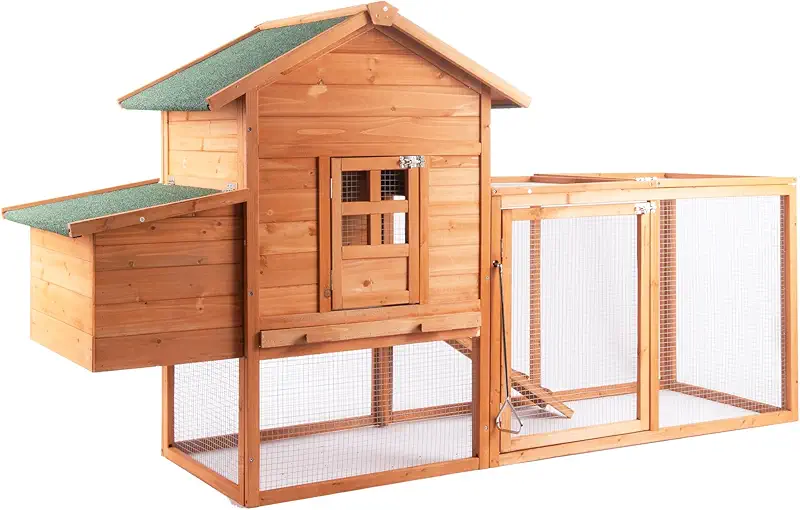
I always tell folks: your coop wheels see the same abuse as your farm cart. If it wouldn’t survive a season of hauling feed, it probably won’t survive under your hens either.
How to Match a Chicken Coop Wheels Kit to Your Coop
Matching the kit to your coop is a bit like fitting boots: you want the right size and support, or you’ll be limping by the end of the week. Here’s how I think it through before I ever drill a hole.
Step 1: Know Your Coop Weight
Don’t guess. A light “backyard style” wooden coop for 4–6 hens might weigh 100–150 pounds empty. Add birds, feeders, water, and damp bedding, and you’re up higher than you’d think. Bigger tractor‑style coops for 10–20 hens can get heavy in a hurry.
- Check the maker’s weight estimate if you bought a prefab coop.
- If you built it yourself, compare it to something similar online to get in the ballpark.
- Always add a safety margin – that extra rain‑soaked bedding is heavier than it looks.
Step 2: Think About Your Ground
My front yard is smooth as a table; my back pasture is full of gopher artwork. I don’t use the same size wheel for both.
- Smooth lawn: Medium wheels do fine, and turning is easier.
- Rough pasture: Bigger wheels with tread keep you from cussing at every bump.
- Hills: A lower center of gravity helps, and I’m extra picky about solid brackets.
Step 3: Decide Who’s Moving It
Be honest here. Is it you, your teen kids, your spouse who’s not thrilled about chickens but loves you anyway? The right chicken coop wheels kit should feel manageable for the smallest, tired‑after‑work member of the family.
- If you’re smaller framed, favor easier leverage and bigger wheels.
- If you have to turn tight corners, a good handle or tongue makes life easier.
- If you’re older, think more about smooth rolling than maximum strength.

My Experience Installing a Chicken Coop Wheels Kit (Without Fancy Tools)
I’ll tell you how I put the last kit on one of my layer coops, using the same basic tools most folks have in the garage: a drill, a wrench, and a level of patience that goes up and down with the weather.
-
Empty the coop as much as you can.
Hens, waterers, heavy feeders – all out. It’s easier to work when you’re not being judged by twelve beaks from the roost. -
Block up the frame.
I use stacked scrap lumber to lift the coop just high enough to mount the brackets safely. -
Mark bracket positions.
I place them near the corners, on solid framing, checking that both sides are at the same height. -
Drill pilot holes.
Saves splitting the wood, and makes driving bolts easier. A bit of wax or soap on the screws helps too. -
Bolt the brackets and mount the wheels.
I always snug bolts tight, then re‑check after the first few moves, because wood settles a bit. -
Test the move.
First I roll it empty, turning in a circle. Then I load birds and bedding back in and try again.
The first time you roll that coop across the yard without grunting, you’ll wonder why you waited so long. I had that feeling right after I quit dragging mine with an old rope – my shoulders have never forgiven me for those early years.

Common Mistakes Folks Make with Coop Wheels (And How to Avoid Them)
I’ve made all the dumb mistakes so you don’t have to. Well, you still can, but at least you can’t say nobody warned you.
Smart Choices
- Mounting wheels under real framing, not thin siding.
- Choosing load rating higher than you think you need.
- Putting wheels on the heavy end of the coop.
- Using locking nuts or thread locker so bolts don’t wiggle loose.
- Greasing moving parts once or twice a season.
Head‑Shaking Mistakes
- Using tiny casters meant for shop carts on bumpy ground.
- Mounting wheels so low the pop‑door scrapes the dirt.
- Ignoring soft, muddy spots where wheels sink and twist.
- Forgetting to check for buried rocks before dragging 10 feet.
- Moving the coop with doors open and hens hopping out mid‑trip.
When in doubt, I always think: “Will this survive a teenager yanking this coop to show off to a friend?” If the answer is no, I pick a stronger chicken coop wheels kit.

How a Good Wheels Kit Helps Your Laying Hens
Let’s talk about the birds themselves for a minute. Healthy layers are the heart of the homestead. Every tool you add around them ought to make their lives better, not just your chores easier.
Better Rotation, Better Eggs
When you can move the coop a little every day or two, your hens chase fresh grass and bugs like it’s a buffet line. I’ve noticed richer yolks and steadier egg production when my girls are on the move. It’s not magic; it’s just good feed straight from the pasture.
- Greener forage brings more vitamins and natural pigments to the diet.
- Fresh ground keeps their feet cleaner and healthier.
- Scratching in new soil satisfies their instincts and keeps them busy, not bored.
Cleaner Ground, Fewer Problems
Leave a coop in one spot long enough and you’ll smell it before you see it. Ammonia, mud, and droppings are hard on hen lungs and feet. Moving them regularly, thanks to that wheels kit, breaks the cycle.
- Less caked manure means fewer flies and fewer foot issues.
- Dryer bedding and ground mean less chance of respiratory trouble.
- Parasites prefer birds that stay put; moving is your simplest prevention tool.

My hens don’t know what a chicken coop wheels kit is, but they sure act happier when I keep them stepping onto fresh ground. I see more dust baths, more gentle clucks, and fewer squabbles. Give birds what they like, and they pay you back in eggs.
Little Tips for Moving a Wheeled Coop Safely
Moving a coop with wheels is simple, but there’s a smarter way to do it so you’re not spooking birds or stressing yourself out.
- Close doors before you move. Keeps hens from hopping out like it’s a parade float.
- Move in short steps. A few feet at a time is plenty; you don’t need a marathon.
- Watch the slope. I always face uphill when possible, so I’m pulling, not chasing.
- Avoid deep ruts. If the ground is soup, it might be worth waiting a day to dry.
- Check tire pressure. For air‑filled tires, soft tires make the job twice as hard.
My rule of thumb: if it feels like a wrestling match, stop and rethink. A good wheels kit and a decent route should make the move feel more like rolling a heavy wheelbarrow, not dragging a barn.

Frequently Asked Questions About Chicken Coop Wheels Kits
1. Will a chicken coop wheels kit work on my existing coop?
Most of the time, yes. As long as your coop has a solid wood frame at the bottom – not just thin paneling – you can usually mount a chicken coop wheels kit. You may need to reinforce certain spots with extra lumber. I often sister a 2×4 along the bottom edge where the brackets will bolt, just to give them something strong to bite into.
2. How big should the wheels be for backyard hens?
For a small backyard coop on fairly smooth lawn, medium‑sized wheels are usually enough. If your yard has bumps, roots, or soft spots, I lean toward larger wheels. I’d rather have too much wheel than not enough – every extra inch makes rolling easier, especially if you’re the one out there in the rain before work.
3. Do my hens get stressed when I move the coop?
If you move gently and keep the distance modest, most hens just ride along, mildly offended at best. I like to move at dusk or early morning when they’re calmer. Over time, they get used to it. I’ve had birds so relaxed they barely look up from their feed when I roll them onto a new patch of grass.
4. Can I just build my own wheels instead of buying a kit?
You can, and I have. But by the time you price out strong wheels, proper brackets, and hardware, a ready‑made chicken coop wheels kit often doesn’t cost much more. The nice part about a kit is that somebody already thought through the angles and the load rating, so you’re not experimenting with your hens’ house on a windy day.
5. How many wheels do I actually need?
For most small to medium coops, two strong wheels on one end and a handle or lift point on the other is enough. You lift the light end and roll it like a wheelbarrow. Bigger tractor coops sometimes use four. I’d rather have two strong wheels mounted right than four weak ones that twist and drag.
