
Chicken coop windows
I’ve raised laying hens through blizzards, heat waves, and a tornado that tried to send my coop to the next county. Through it all, good chicken coop windows have kept my girls laying, breathing easy, and staying out of trouble.
- How to size and place coop windows so air moves but drafts don’t bite.
- The best type of windows to keep predators and rain out.
- Real-world tips from a tired but happy American farmer.
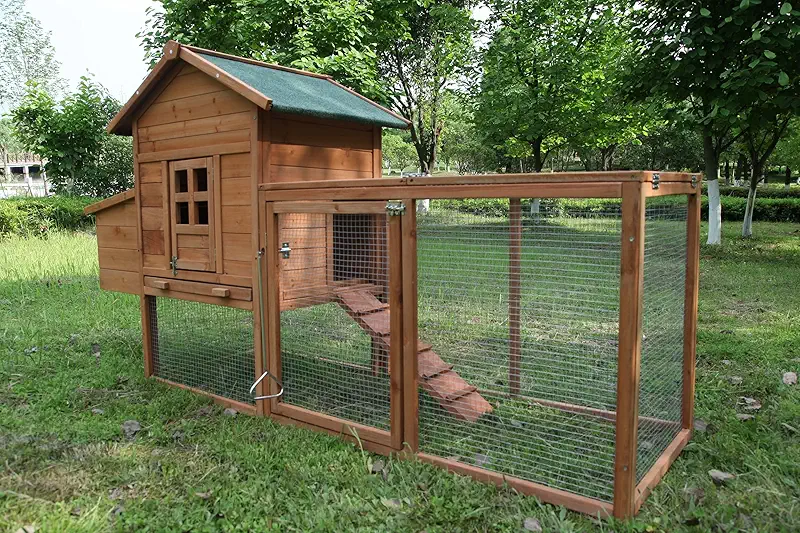
A simple window can turn a stuffy box into a healthy coop.
Why chicken coop windows matter more than people think
When folks ask me how to get more eggs, they usually expect to hear about feed, breeds, or fancy supplements. I surprise them and say, “Start with air and light. In other words, your chicken coop windows.”
Chickens are tougher than we give them credit for. Mine have handled single-digit winters here in the States with just dry bedding and good ventilation. But they’re also delicate when it comes to dust, ammonia, and damp air. Those three things sneak up on a flock, and windows are your first line of defense.
Windows bring in fresh air to clear out moisture and ammonia from droppings. They also bring in natural light. Hens don’t read clocks, but they do read daylight, and that light tells their bodies, “Time to lay.” A dark, stuffy coop is like asking your birds to work the night shift in an old basement.
Over the years, I’ve had coops with no windows, tiny windows, and big wide ones. The coops that smelled clean, dried out fast after a rain, and kept hens laying through winter were always the ones with well-placed, sturdy chicken coop windows.
Good air vs. bad drafts: the tricky balance
My first coop was an old shed I patched together. I cut a big hole, threw in a window I found at a yard sale, and felt pretty clever. Then January rolled in. The wind blew straight onto my roosts, and my hens looked like they were riding a motorcycle without helmets.
That’s when I learned the difference between ventilation and drafts. Ventilation is gentle air exchange up high, above the roosts. Drafts are cold blasts of air hitting birds at roost level or lower. Chickens can handle cold, but not cold wind on their combs and feet all night.
With smart chicken coop windows, you want air moving in and out, but you don’t want your hens feeling like they’re sleeping in a wind tunnel.
- Place main windows higher than the birds’ heads when they’re on the roost.
- Use secure hardware cloth behind every window for predator protection.
- Add covers or shutters you can close partway when winter howls.
Once I moved my biggest window up and added a second opening on the opposite wall, the coop changed overnight. Smell went down, frost on the inside of the roof disappeared, and the hens’ combs stayed bright red instead of turning pale and frosty.
How big should chicken coop windows be?
You’ll hear a lot of fancy formulas, but I like simple numbers. For backyard flocks, I aim for about one square foot of window or vent opening per chicken, spread around the coop. That doesn’t mean one big hole for each bird; it means enough total opening so air can move freely.
On my main layer coop with around a dozen hens, I run a combination of bigger windows and smaller fixed vents up near the roofline. I don’t keep everything wide open in winter, but the openings are there so I can adjust with the weather.
- Small backyard coop (4–6 hens): At least one decent-size window (around 18" x 24") plus another vent or small window opposite.
- Medium coop (6–12 hens): Two or three windows on different walls, with at least one higher up for air to escape.
- Larger coop: Mix windows and ridge or gable vents. Don’t skimp—more openings you can close or narrow is better than not enough.
Think of it this way: on a muggy day, if you step inside your coop and it feels damp, smells strong, or your glasses fog up, your windows aren’t doing enough work.
Types of chicken coop windows that actually hold up
Over the years, I’ve tried all sorts of things: old house windows, acrylic panels, hinged doors, you name it. Here’s what has worked best for me and my fellow farmers down the road.
1. Framed windows with hardware cloth
This is my favorite for most backyard setups. A simple framed opening with a solid window or shutter on the outside and strong hardware cloth on the inside. The cloth keeps raccoons, weasels, and neighborhood troublemakers out. The window or shutter keeps wind and rain out when you need it.
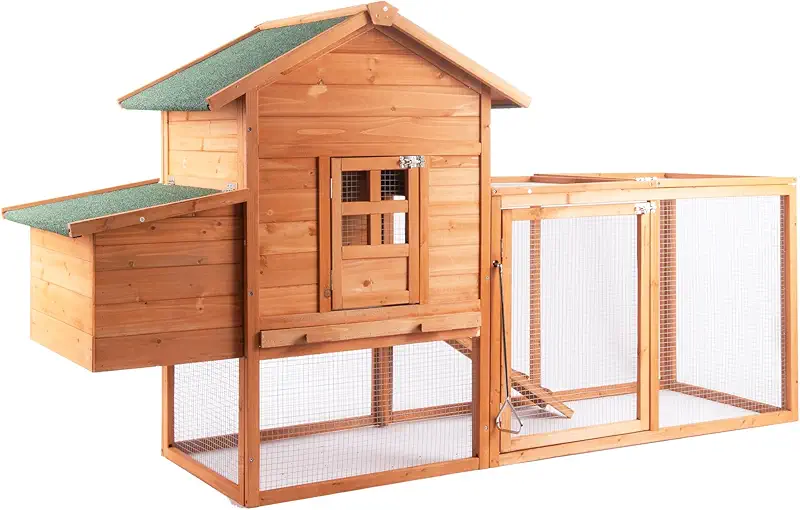
I once watched a raccoon spend ten minutes testing every inch of my coop windows. The only ones he gave up on were the ones with 1/2" hardware cloth, screwed down tight with washers. The flimsy wire got peeled back like a sardine can.
2. Fixed windows plus separate vents
In colder areas, I like a solid, fixed window for light, then separate vent openings higher up for air. That way the hens can enjoy sunshine on a winter day while the air sneaks out above them without blowing across their backs.

On one of my coops, I put a fixed clear panel on the south side and a long vent up near the ridge on the north side. Even at ten degrees outside, the girls would sit under that window in a sunbeam, looking pleased with themselves while the damp air floated up and out the top.
3. Sliding or hinged windows you can tweak
I’m a big fan of anything adjustable. Weather changes fast where I live. In the morning it might be chilly, and by afternoon the coop feels like a sauna. Sliding or hinged chicken coop windows let you crack things open just a bit or swing them all the way out.
The key is to make sure any moving parts are simple and sturdy. Chickens will roost on whatever they can reach, and dust gets into every track and hinge you own. Simple latches, wood stops, and a good snug fit are your friends.

Best placement for chicken coop windows
You can have the nicest windows in the county, but if they’re in the wrong place, they won’t do you much good. Window placement is where a lot of new chicken keepers get tripped up.
Use the wind, don’t fight it
First, pay attention to your prevailing wind. Around my place, it mostly comes from the west. I don’t want my biggest openings on the same side as the strongest winter winds, especially not at roost height.
I like one main window or vent on the upwind side and another on the downwind side, but with the colder side higher and better protected. That lets air move through the coop while taking some of the bite out of the wind.
High windows for ventilation, lower light where it helps
My rule is simple: windows that are just for air go high. Windows that are for both light and air can be mid-height, as long as they don’t blow on the birds while they sleep.
I keep my roosts away from direct window drafts. If a hen’s feathers ruffle in front of a window on a windy day, that spot needs a baffle, a different angle, or less opening.
I once made the mistake of lining up roosts right under a window because it looked cute. It was fine in July. Then January showed up, the wind shifted, and my girls started getting frostbite on their combs. I moved the roosts, raised the window, and built a little overhang. Problem solved. Chickens forgive a lot, but I try not to push my luck.

Light, eggs, and chicken coop windows
Hens are powered by daylight more than anything else. Short, dark days tell their bodies to slow down laying and save energy. More light nudges them to keep those eggs coming, within reason.
I don’t chase unnatural production, but I do like to give my birds a bright, cheerful coop. Windows let soft, natural light pour in, and the girls can keep a normal rhythm. They wake up gentle with the sunrise, not shocked by a sudden overhead bulb.

On my own farm, the coops with better windows always had better winter laying. Not crazy high, but steady. The hens moved more, scratched around, and looked more alert. The dark coop hens just hunkered down like they were waiting for a bus that never came.
If you add artificial light, I still recommend starting with good chicken coop windows first. Natural light sets the stage, and a little extra gentle light in the early morning can be added later if you and your birds need it.
Predator-proofing your chicken coop windows
Now let’s talk about the part that keeps me up at night: predators. A window is both a blessing and an invitation to hungry critters if you don’t build it right.
- Always use hardware cloth, not chicken wire. Chicken wire keeps chickens in; it does not keep predators out.
- Use 1/2" galvanized hardware cloth, screwed down with washers all the way around the frame.
- No gaps bigger than a finger. If you can stick a couple fingers through, so can something with sharp teeth.
- Secure latches. Raccoons have more patience than some people I know. Use latches they can’t flip so easily.
I lost one pullet years ago to a weasel that found a gap next to a window frame I hadn’t finished yet. That was an ugly lesson. Ever since, I treat every chicken coop window like a potential front door for predators. I’d rather overbuild it once than patch it at two in the morning with a flashlight in my mouth.

Predator-proof windows look boring from a distance, and that’s how I like them. Quiet, solid, and still standing every morning.
Seasonal care for chicken coop windows
Chickens don’t move south for the winter or north for the summer, so we have to do that work for them. I adjust my windows different ways through the seasons.
Summer: let that coop breathe
In summer, I open everything I safely can. Hot, still air is hard on birds. It can stop laying, stress them, and even kill them if things get bad enough.
- Open windows on multiple sides so air can cross the coop.
- Shade is your friend; sun is better outside than blasting in all afternoon.
- If you use a fan, aim it across the ceiling, not right at the birds.
Winter: keep air, lose the drafts
Winter is when folks get scared and nail everything shut. I understand the instinct, but a closed-up coop gets damp fast. Damp air plus cold metal or wood equals frostbite, even at temperatures that shouldn’t be a big deal.
- Close windows that blow directly on roosts.
- Keep higher vents and well-sheltered windows partly open.
- Use overhangs, awnings, or baffles to block wind but not air.

Every fall, I walk into the coop after dark, stand near the roosts, and just feel the air. If it’s still and heavy, I know I need more open window. If I feel a sharp breeze on my neck, that’s the window I adjust next.
FAQ about chicken coop windows
1. Do chickens really need windows in their coop?
Yes, they do. Chickens need fresh air to clear out moisture and ammonia, and they benefit from natural daylight to keep their laying cycle steady. Windows help with both. A coop with no windows tends to be damp, smelly, and dark—and that’s when respiratory issues and poor laying start creeping in.
2. Won’t windows make my chickens too cold in winter?
Not if you place and manage them right. Cold air itself isn’t the big enemy; drafts are. Windows set higher up and partly open let moist air escape without blasting your hens with wind. Close or shield any window that sends a direct breeze over the roosts, but always leave some safe ventilation open.
3. What is the safest material to cover chicken coop windows?
For the predator side of things, use 1/2" galvanized hardware cloth, fastened tight with screws and washers. Chicken wire is not enough. For the weather side, you can use wood shutters, glass or acrylic panels, or ready-made windows, as long as they’re strong, sealed, and can be easily opened or closed.
4. How many chicken coop windows do I need for a small flock?
For a typical backyard flock of 4–6 hens, I’d want at least one good-sized window plus another smaller opening or vent on the opposite wall. Aim for about a square foot of total opening per bird, and give yourself options you can adjust through the seasons.
5. Can I use recycled house windows for my coop?
You can, and I’ve done it, but be careful. Old glass can be fragile, and some frames don’t seal well or open smoothly. If you use them, back them up with hardware cloth on the inside, check for leaks, and make sure they latch securely. Sometimes a simple, sturdy window made for outdoor use ends up easier and safer in the long run.
If you take anything from this old farmer, let it be this: good chicken coop windows are not decoration. They are as important as your feed, your bedding, and your fencing. When the air is clean, the light is gentle, and the coop smells like dry wood and straw, your hens will show their thanks the best way they know how—by filling your egg basket, one shell at a time.
And if you’re still staring at your plans wondering what kind of coop setup fits your flock and your yard, you’re not alone. I’ve redone mine more times than I’ll admit in public. Looking through different coop designs and window setups can spark ideas and save you from learning everything the hard way, like I did.
Take your time, think like a chicken, and pick the setup that will keep your birds dry, bright, and breathing easy all year long.