
Chicken coop wire
Out here on my small U.S. farm, I learned the hard way that the right chicken coop wire can mean the difference between a quiet night of sleep and chasing a raccoon in my pajamas with a flashlight. Let me walk you through what actually works, what fails, and how to keep your hens safe without overcomplicating things.
I’ll check options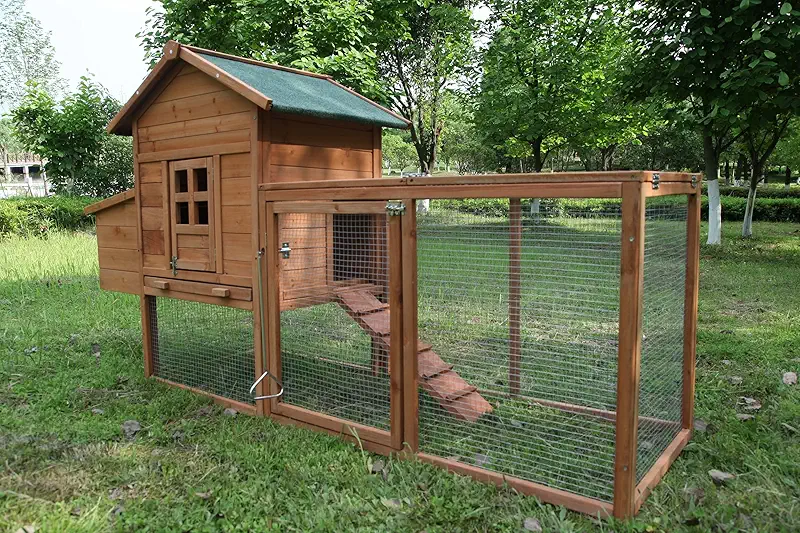
Why chicken coop wire matters more than you think
I’ve been raising laying hens for a long time now, and I’ll tell you this: good chicken coop wire is cheaper than one bad night with a hungry predator. When folks ask me how to get more eggs, they expect me to talk about feed, lights, and fancy nesting boxes. I start with safety. A hen that doesn’t feel safe won’t lay well, and wire is her first line of defense.
Over the years, I’ve used just about everything you can staple to a post: chicken wire, welded wire, hardware cloth, even some old cattle panels a neighbor traded me for a carton of eggs. Some of it held up, some of it didn’t, and some of it looked like I was trying to keep in a herd of buffalo, not six hens named after my grandkids.
The goal with chicken coop wire is simple:
- Keep predators out, day and night.
- Let in fresh air and sunshine without big drafts.
- Stand up to weather, mud, manure and your own clumsy wheelbarrow.
- Be easy enough to work with that you don’t invent new cuss words.
Once you understand those basics, picking the right wire for your coop, run, and doors becomes a whole lot easier.
Different types of chicken coop wire (and when to use each)
1. Classic “chicken wire” – what it’s good for
The stuff most folks picture when they hear chicken coop wire is that light, hexagon-shaped mesh. It’s cheap, it bends easy, and it’ll stop your hens from wandering into your neighbor’s tomatoes. That’s about where its superpowers end.
On my own place, I use regular chicken wire:
- On top of a stronger lower section, just to keep hens from slipping out.
- Inside the run as dividers when I’m separating flocks.
- As a “visual fence” where predators aren’t a big threat.
I learned the hard way that chicken wire is mostly for keeping chickens in, not keeping determined predators out. A raccoon can tear through it like wet paper.
2. Welded wire – my go-to for runs
Welded wire has square or rectangular openings and holds its shape better. This is what I like for the main run walls. It feels solid when you tug on it, and it doesn’t sag like my back at the end of a long harvest day.
For a typical backyard flock, I usually tell people:
- Use 1" x 2" or 2" x 4" welded wire for the main run walls.
- Go at least 4 ft high, 6 ft if you can swing it.
- Pair it with hardware cloth down low to stop smaller predators.
It gives hens room to see out, plenty of airflow, and a strong barrier against dogs and bigger critters.
3. Hardware cloth – the unsung hero
If I could go back in time and talk to “young me” building his first coop, I’d say one thing: buy more hardware cloth. It’s tougher, heavier, and has tighter openings than regular chicken wire.
I use hardware cloth:
- Along the bottom 2–3 feet of the run.
- Over every window and vent opening.
- Under the coop floor if it’s raised and open underneath.
Quarter-inch or half‑inch hardware cloth keeps out rats, snakes, and sneaky paws that try to reach in for sleeping hens. It’s more work to cut and shape, but it’s worth every minute when you walk out at sunrise and everyone’s still clucking.
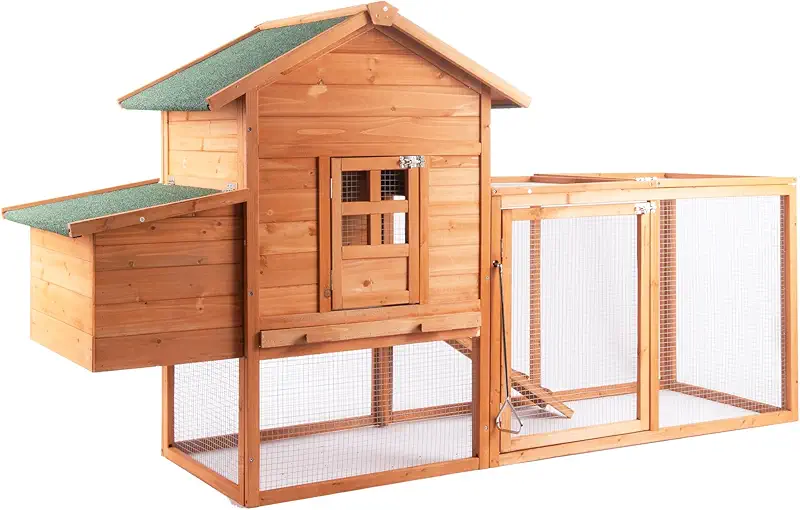
A solid combo of welded wire and hardware cloth turns a simple coop into a safe little fortress for your layers.

Good chicken coop wire keeps predators out while letting fresh air and sunlight in.
Choosing the right chicken coop wire for your flock
Before you grab the first roll of wire you see, think about how your hens live. A small backyard flock in town has different needs than a big free‑range setup on open country. I’ve had a bit of both over the years, and the questions are the same every time.
- What predators live where I am? (Be honest.)
- How much time will hens spend in the run?
- Do I want something temporary, or “build it once and forget it”?
- Is appearance important, or is this strictly a working farm corner?
Around my place, we’ve got raccoons, possums, foxes, the neighbor’s dog, and the occasional hawk that thinks my hens are a buffet. Because of that, my setup looks like this:
- Run walls: 2" x 4" welded wire, 6 ft tall.
- Lower 24 inches: 1/2" hardware cloth, tied tight.
- Windows & vents: 1/4" hardware cloth screwed and washered on.
- Top of run: lighter wire or netting to slow down hawks.
You might not need all of that, especially if your birds are locked inside a solid coop at night and only in a covered run by day. But using chicken coop wire with some thought up front saves you headaches later on.
When you look at different rolls of wire online, pay attention to:
- Opening size: Smaller openings mean more protection.
- Gauge (thickness): Lower number usually means thicker, stronger wire.
- Coating: Galvanized or PVC‑coated will last longer in rain and manure.
- Height and length: Measure your run carefully so you don’t come up 6 inches short.
And here’s one last farmer tip: buy a little more than you think you need. There’s always that forgotten corner, pop door, or vent you decide to add once you’re halfway through the project.
Installing chicken coop wire without losing your temper
I’ve strung wire in the heat, in the wind, and once with a curious goat chewing on my back pocket. None of that was fun, but I did learn a few tricks to make working with chicken coop wire a whole lot smoother.
Tools that make the job easier
- Sharp wire cutters (don’t rely on old dull ones).
- Heavy‑duty gloves – wire cuts sting worse than a hen peck.
- Staple gun or fencing staples and a hammer.
- Zip ties or wire ties for temporary holds.
- A friend to help pull the wire tight (or a fence stretcher if you’re fancy).
Simple step‑by‑step approach
- Start at a corner: Fasten the wire solidly in one corner and along one post or wall.
- Pull it tight: Unroll slowly, pulling snug as you go. Don’t rush this part.
- Fasten every few inches: Staples or screws with washers, especially on hardware cloth.
- Overlap seams: At least 4–6 inches of overlap and tie them together.
- Check for gaps: Look along the bottom, edges, and around doors.
When you’re done, run your hands gently along the edges and corners (with gloves on) and bend or clip any sharp points so you’re not snagging clothes or skin every time you walk by.

Take your time installing wire. Tight, well‑fastened panels outlast rushed weekend projects every time.

Hardware cloth on windows and lower walls keeps paws, claws, and teeth away from sleeping hens.
Predator‑proofing tips from a tired but happy farmer
If you’ve ever walked out in the morning and found feathers where a hen used to be, you don’t forget that feeling. My goal is to help you avoid that. Chicken coop wire is the backbone of predator‑proofing, but it’s not the only piece.
Think like a predator
I like to walk around my coop at dusk and ask myself, “If I were a raccoon, where would I get in?” It sounds silly, but it works. Check:
- Anywhere the wire meets wood – are there gaps?
- Corners and edges – is the wire tightly fastened?
- Bottom edges – can something dig or squeeze under?
- Roof and overhangs – is there a way to climb and slip inside?
Use wire to stop digging and climbing
One trick that’s worked well for me is a wire “apron.” Lay chicken coop wire or hardware cloth flat on the ground, all around the outside of the run, and fasten it to the bottom of the wall. Let it stick out at least 12–18 inches.
Critters come up to the wall, start to dig, hit the wire, and usually give up. You can leave it exposed or cover it with a little dirt or gravel so you don’t trip over it. I’ve stopped more than one fox that way.
For climbers, make sure the top of your run is either covered in strong wire or at least something that slows them down and makes it hard to slip through.

A buried or laid‑flat wire “apron” is one of the simplest ways to stop digging predators in their tracks.
Healthy laying hens and good wire: how they’re connected
A lot of folks don’t connect chicken coop wire with egg quality, but I’ve seen the link plain as day. When hens feel safe and calm, they eat better, sleep deeper, and lay more regularly. When something’s prowling the coop at night and they hear scratching and rattling, egg numbers drop.
Over one summer, before I upgraded my wire, I lost two hens and my egg count dipped for weeks. The remaining girls were jumpy, pacing the run, and hopping to the roost in a hurry every evening. After I tightened up the wire, added more hardware cloth, and patched every little gap, they settled back down.
Here’s what good chicken coop wire helps with:
- Less stress: Fewer night scares and panicked flapping.
- Better airflow: Secure vents you can leave open year‑round.
- Dry bedding: Properly wired openings that let moisture out.
- Cleaner runs: Fewer wild critters sneaking in to steal feed or drag in disease.
It doesn’t have to be fancy, just solid and thoughtful. Your hens will thank you in the only way they know how – steady, strong‑shelled eggs in the nest box.

Safe hens are calm hens, and calm hens are the ones that keep your egg basket full.
Common mistakes people make with chicken coop wire
I’ve made just about every mistake in the book, and I’ve seen plenty more from neighbors and new chicken keepers who wander over asking why something isn’t working. If I can help you skip a few of those headaches, I’m happy.
- Using only light chicken wire everywhere. Great for keeping birds in, not great for keeping predators out. Pair it with stronger wire or hardware cloth.
- Leaving big gaps around doors. Predators love weak door frames. Reinforce those spots with extra strips of hardware cloth and good latches.
- Stopping wire too high above ground. A 3–4 inch gap at the bottom is like a welcome sign for digging paws.
- Skipping the vents or covering them too tightly. You do need airflow. Use strong, small‑opening chicken coop wire rather than blocking vents with wood.
- Not checking wire once a season. Weather, rust, and one determined critter can weaken spots over time. A quick walk‑around inspection every few months goes a long way.
If you already made one of these mistakes, don’t beat yourself up. I once watched a possum waltz out of a gap I’d “fix later.” I fixed it that night, by lantern light, and I haven’t left a wire job half‑done since.

A quick seasonal check of your chicken coop wire catches small problems before they cost you a bird.
Chicken coop wire – questions folks ask me all the time
1. What size wire is best to keep my laying hens safe?
For most backyard layers, I like a mix. Use 1/2" hardware cloth for the lower 2–3 feet of the run, windows, and vents. For the upper walls of the run, 1" x 2" or 2" x 4" welded wire works well. That combination keeps out most predators you’ll run into, while still giving the birds good airflow and light.
2. Is regular chicken wire enough to stop raccoons and foxes?
In my experience, no. Regular chicken wire alone is asking for trouble if you’ve got raccoons, foxes, or strong dogs around. They can tear or bend it. I use chicken wire only as a secondary layer or in low‑risk areas, never as the main defense. Hardware cloth and stronger welded wire do the real work of keeping predators out.
3. Do I need to cover the top of my chicken run with wire?
I strongly recommend it if you have hawks, owls, or climbing critters. I’ve seen hens grabbed from open runs, and it’s not something you want to witness. The top doesn’t always need to be as heavy as the sides, but having some sort of chicken coop wire or sturdy netting up there adds a lot of peace of mind.
4. How long does good chicken coop wire usually last?
With galvanized or PVC‑coated wire, and if you keep weeds and damp bedding from piling up against it, you can get many years out of it. Some of the hardware cloth on my older coop has been hanging in there for close to a decade, with only a few rust spots where I didn’t fasten it well. Cheaper, thin wire tends to kink, rust, and sag a lot faster.
5. What’s the biggest beginner mistake with chicken coop wire?
Relying on the idea that “nothing comes around here much” and skimping on the lower section of the coop and run. Predators show up the night you get complacent. Start strong with solid chicken coop wire and hardware cloth from day one, and you’ll save yourself heartache and late‑night patch jobs.
If you’re ready to give your hens a safer home and a better night’s sleep, take a slow look through the different chicken coop wire options and imagine how they’ll fit your own setup. A little planning now means more calm clucks and full egg baskets later on.
Let me see moreWant to look beyond wire and explore full setups too? There’s a whole world of sturdy little homes for your hens waiting for you.
Show all coops