
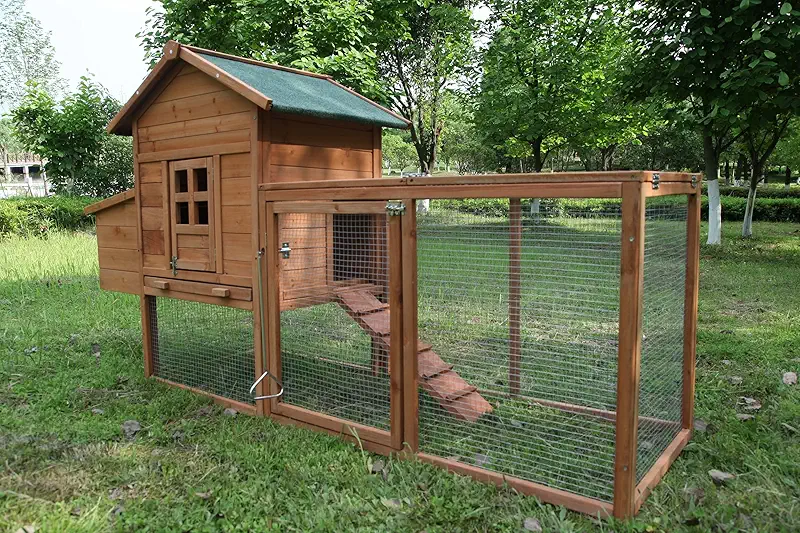
Can A Chicken Coop Without Run Really Work?
I’ll be straight with you. Chickens were born to scratch, wander, and gossip with each other over a good patch of weeds. A chicken coop without run goes against their nature if you don’t handle it right. But many of us don’t have a big pasture or a spare acre to fence off. Some of my best laying hens were kept in tight spots behind a barn and even behind a small town garage. They still laid like champions because I respected three things: space, air, and routine.
When folks ask me if a chicken coop without run is “cruel,” I tell them this: it’s not the size of the coop, it’s the way you manage it. A small coop kept clean, dry, and well‑ventilated beats a mud pit “free range” yard any day. I’ve seen both, and I know which birds looked happier.
Of course, we’re not trying to talk ourselves into stuffing birds in like shoes in an old box. We’re trying to give them a good life inside the limits we’ve got. That means thinking ahead instead of buying the first pretty coop picture we see.
How Much Space Do Hens Need Inside The Coop?
I’ve seen every number under the sun, but here’s the rule that’s treated my birds well for decades:
- At least 4 square feet per hen inside if they get regular time outside.
- Closer to 5–6 square feet per hen if your coop has no run and they spend most days inside.
When I was younger and dumber, I tried squeezing “just two more” hens in a little coop. Within weeks I had pecked backs, broken feathers, and hens sleeping on top of each other like kids at a slumber party nobody asked for. I pulled birds out, gave them more room, and the bullying stopped.
Space is more than floor size. Think about:
- Roost space: at least 8–10 inches of perch per hen.
- Nest boxes: one box for every 3–4 hens, not less.
- Head room: enough height for air to move and for you to reach in comfortably.
Ventilation: The Part Everyone Forgets
If space is rule number one, ventilation is number two, and it’s not far behind. A chicken coop without run means more hours inside, more moisture from breathing and droppings, and more chance of ammonia building up.
I remember one winter, I wrapped a small coop too tight trying to “keep them warm.” I thought I was doing them a favor. Next morning, I opened the door and the ammonia smell hit me like a slap. The hens’ eyes were watery. That was the last time I cared more about my nerves than fresh air.
Good ventilation looks like this:
- Vents high up under the eaves, away from roost level drafts.
- Windows or openings you can adjust with the season.
- No condensation on the inside of the roof in cold weather.
You want air to move, but you don’t want a wind tunnel blasting across their perches. Think of it like a slow, gentle breeze that takes the stink out and brings dry air in.
Bedding, Cleanliness, And Keeping Odors Down
A chicken coop without run depends on good bedding like an old farmer depends on strong coffee. The more time hens spend inside, the more serious you must be about what’s under their feet.
Over the years, I’ve tried straw, shavings, sand, and just about every experiment some neighbor swore by. Here’s what’s worked best for me in tighter coops:
- Wood shavings (not cedar): absorbent, easy to stir, easy to clean.
- Chopped straw: fine if kept dry, but full-length straw mats down and holds moisture.
- Deep litter method: in some coops, but only if you manage it right and keep turning it.
In coops without a run, I usually:
- Spread 2–3 inches of dry shavings on the floor.
- Place a little tray or board under the roosts to catch droppings.
- Scrape that board daily or every other day.
- Stir the bedding with a small rake or garden fork twice a week.
- Add a light layer of new shavings as needed.
Do that, and the coop smells like clean wood and chickens, not like trouble.
Letting Hens Out When There’s No Fixed Run
A lot of folks look at a chicken coop without run and think, “That’s it, they’ll never touch grass.” That doesn’t have to be true. You just have to get creative and a little bit stubborn.
On our small town place, we had a coop up against the garage with no run at all. My solution? Every evening before sunset, I’d let the hens out for an hour. They walked the same little loop, hunting bugs and trimming the lawn for free. Right before dark, they lined up at the coop door, complaining that the buffet closed too early.
Ideas if you don’t have a built-in run:
- Supervised free time: open the door while you’re in the yard.
- Temporary fence panels: light, movable, and easy to set up for a weekend.
- Portable chicken tractor: move them to fresh grass without giving up control.
Even 30–60 minutes a day outside goes a long way for their mood and their eggs.
Feeding And Watering Inside A Small Coop
In a chicken coop without run, feed and water stay inside more often, which means spills and messes happen right where the birds sleep. That’s a recipe for damp bedding and flies if you don’t plan ahead.
What’s worked for me:
- Hanging feeders and drinkers: suspend them a little above back height so hens can’t scratch bedding into them so easily.
- Keep them away from roosts: or you’ll be serving “poop soup” in a few days.
- Use a tray underneath: to catch drips and crumbs, especially under waterers.
I check water like I check the fuel gauge on my truck—often and before problems start. In winter, I use heated bases to keep it from freezing; in summer, I refresh it more than once a day if the heat’s bad.
Choosing A Chicken Coop Without Run: What To Look For
A lot of small coops are built more for pictures than for actual hens. Over the years, I’ve walked up to more than one cute little house that couldn’t keep two hens happy, let alone six. When you’re picking a chicken coop without run, you want a workhorse, not a dollhouse.
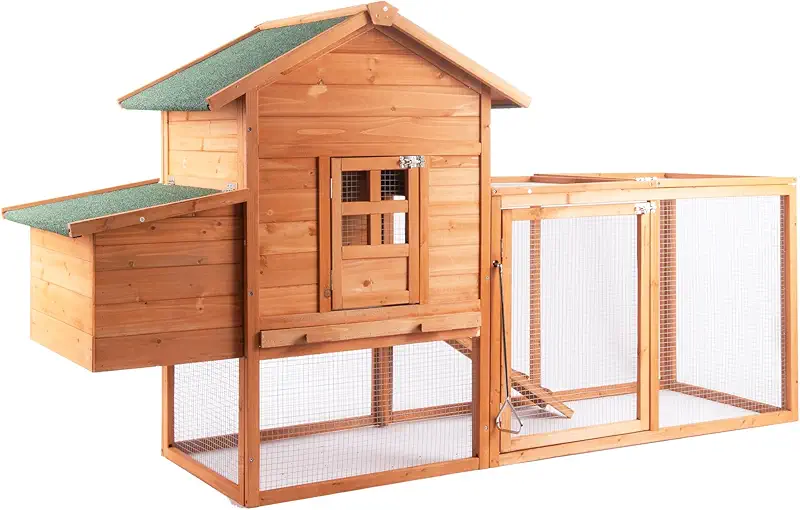
Must‑have features
- Sturdy wood or metal that doesn’t wobble.
- Roof that actually sheds rain and snow.
- Real ventilation, not just a tiny hole.
- Doors big enough for you to reach in and clean.
- Predator‑safe latches (raccoons can open simple hooks).
Nice‑to‑have details
- Removable roosts and trays for quick cleaning.
- Egg access from outside so you’re not crawling in.
- Raised floor to keep dampness away.
- Enough flat surfaces inside to hang feeders and waterers.
Predator Safety In A Coop Without Run
A chicken coop without run can actually be easier to protect from predators than a big open yard. Less fencing to worry about, fewer gaps to fix. But you still have to think like a hungry raccoon with all night to kill.

On my place, I walk around a new coop at dusk with a flashlight. If I can see even a small gap at a corner or under a door, it gets patched. I’ve patched with everything from hardware cloth to spare boards to a stubborn piece of tin roofing that lived three more lives than it should have.
Predator‑proofing checklist
- All windows covered with hardware cloth, not chicken wire.
- Coop floor solid or wire‑lined if it’s raised, so nothing can dig in.
- Latches that need two motions to open.
- Doors that close cleanly with no noticeable gaps.
Lock them in at night, every night. Predators only have to be lucky once; you and I have to be steady.
Keeping Hens Happy When They Spend More Time Inside
You can tell a bored hen by the way she starts picking on whoever’s lower in the pecking order. A chicken coop without run means you’re the activities director as well as the janitor.

Simple ways to keep them busy
- Hang a cabbage head or treat block from the ceiling.
- Toss a small shovel of leaf litter or garden soil in once a week for them to scratch through.
- Provide a dust bath with dry soil, wood ash, and a bit of sand.
- Add extra perches at different heights so they can move around.
My hens act like kids on a playground when I hang a cabbage. They leap, they squabble, they settle down tired, and somehow we all feel better after.
Winter And Summer Management In A Small Coop
Extreme weather is harder on confined birds than on those wandering a big yard. In a chicken coop without run, temperature and air can swing fast if you’re not watching.
Winter tips
- Block direct drafts on roosts, but keep high vents open.
- Keep bedding dry and add more instead of washing floors on freezing days.
- Use wide roosts so hens can sit on their feet and keep toes warm.
Summer tips
- Shade the coop roof if it sits in full sun.
- Open every secure vent and window you can.
- Move water to the coolest spot and refresh it often.

I’ve spent more than one July evening sitting on an upturned bucket, watching hens pant in the heat and thinking through better ways to cool the coop. Shade and air movement win every time.
My Daily Routine With A Coop Without Run
Folks sometimes imagine they’ll set up a chicken coop without run and just poke their head in on weekends. That’s not how this goes. The birds depend on little habits done every day.
Here’s the simple routine that’s kept my flocks healthy:
- Morning: check water, top off feed, quick look at each hen.
- Midday or evening: collect eggs and toss in a little scratch or greens.
- Every other day: scrape droppings boards, stir bedding, quick sniff test.
- Once a week: check vents, hinges, latches, and roof for leaks or damage.
Doesn’t take long, but it saves you from the kind of problems that do take long.