
Chicken coop you can walk in
Chicken Coop You Can Walk in – If you’ve ever crawled on your knees to grab an egg, bumped your head on a low roof, or chased a hen around a tiny coop, you already know why a walk‑in coop feels like sweet country luxury.
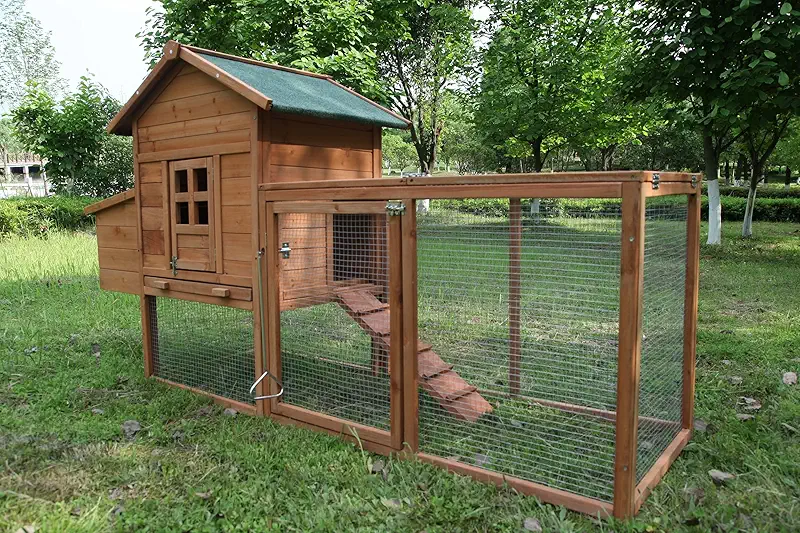
I’ve raised laying hens for decades out here in the States, through hot summers, ice storms, and a few “what on earth was I thinking” coop designs. Let me tell you: the best thing I ever did for my back, my birds, and my sanity was switching to a chicken coop you can walk in.
- Easy to stand up, clean, and collect eggs.
- Safer for hens, harder for predators.
- Better airflow, fewer smells and diseases.
Why a chicken coop you can walk in changes everything
When I started with chickens, money was tight and I built a little low coop from scrap lumber. It worked, sort of. The hens laid, I got eggs, and I also got a sore back, muddy knees, and a nice scar on my forehead from standing up too fast under the roost bar. My wife said, “If the chickens don’t kill you, that coop will.” She wasn’t wrong.
A walk‑in coop felt “too fancy” back then. Now I think the opposite. A chicken coop you can walk in is not about luxury; it’s about good sense. You’re going to feed, water, clean, and check birds every single day. If you’ll be in there daily, that space needs to fit a human, not just a chicken.
Once I built my first walk‑in style, chores changed. I could stand up straight, carry a bucket in one hand and a bale of shavings in the other, and still turn around without knocking a hen off her perch. I spent more time watching my flock and less time trying to untangle myself from low doorways and tiny runs.
If a coop is too small for you to move around in, you’ll cut corners on cleaning and checking birds. That’s when health problems and smells start creeping in.
Key things I look for in a walk‑in chicken coop
Folks ask me all the time what matters most when picking a walk‑in coop. They’ll say, “Should I worry about color, windows, fancy trim?” I tell them, “The chickens don’t care what color it is. They care if it keeps them dry, safe, and comfortable.” Here’s what I actually pay attention to.
1. Real human‑sized doors
A true chicken coop you can walk in needs a real door you can step through without ducking. I want a door that:
- Is at least normal person height, not kid‑playhouse height.
- Swings easily and closes snug, with a decent latch.
- Lets me carry a feed bag without doing a sideways shuffle.
One of my old coops had a door so narrow I had to turn the feed bag sideways to squeeze through. I’d bump the frame, spill half the grain, and the hens thought it was Christmas morning every time.
2. Solid flooring or smart ground setup
I don’t like standing in sticky mud or frozen ruts, and my hens don’t either. Your floor can be wood, concrete, or packed dirt with deep bedding, but it has to drain well and stay reasonably dry.
- If it’s dirt, use deep litter with shavings or chopped straw.
- If it’s wood, make sure it’s up off the ground so it doesn’t rot.
- If it’s concrete, plan for thick bedding so their feet and joints aren’t on cold hard floor.
3. Ventilation that actually works
Chickens breathe out a lot of moisture. Add manure and you get ammonia. In winter, we close everything up tight to “keep them warm,” and the birds end up breathing damp, stale air. That’s how you get frostbite and respiratory trouble.
A good chicken coop you can walk in has vents high up under the eaves and, ideally, windows you can crack open safely. Air should move, but not draft across roosts. Think of it as “fresh air without wind in their feathers.”
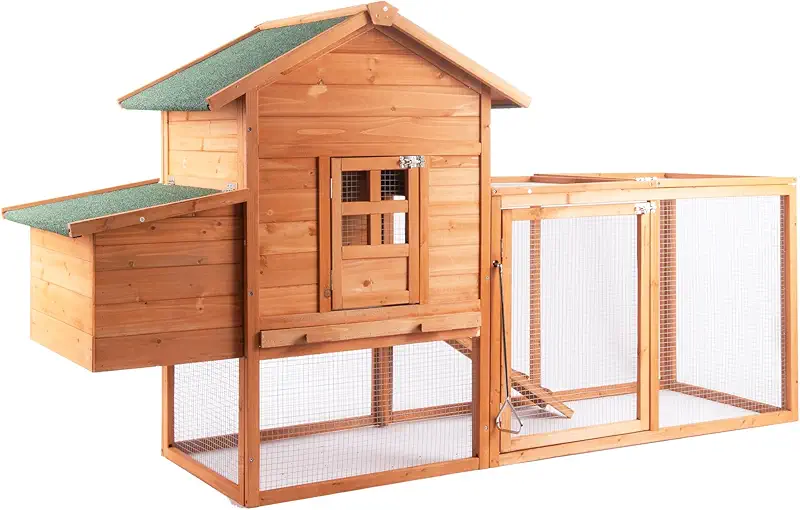
A walk‑in layout makes it easy to hang feeders, reach nest boxes, and keep the bedding fresh.
4. Room for roosts and nests
Hens like to sleep up off the ground and lay in a quiet, dim spot. With a walk‑in coop you’ve got the height for proper roost bars and nest boxes you can reach without crawling.
- Roost bars higher than the nest boxes so they don’t sleep where they should be laying.
- About 8–10 inches of roost space per hen.
- One nest box for every 3–4 hens; they’ll still fight over the same favorite one, but it helps.
5. Strength against predators
Out here, raccoons, foxes, coyotes, hawks, and the neighbor’s dog watch chickens like we watch a good barbecue. A walk‑in coop gives you room to add hardware cloth, sturdy latches, and even a little storage area for tools and feed, which means you’re not leaving everything out where critters can sniff around.
How a walk‑in coop makes daily chores easier
Let me paint you two mornings. First, my early years: It’s raining sideways, there’s mud up to my ankles, and I’m bent over, crawling into a low coop, bumping my head and spilling feed. By the time I’m done, I’m wetter than the ducks. Second, today: I step into my walk‑in coop, roof over my head, solid footing, everything in reach. Same chores, whole different mood.
Checking hens and collecting eggs
With a chicken coop you can walk in, you don’t have to turn into a contortionist just to collect eggs. I walk in, greet the girls, open the nest box lids, and stand there like a normal human while I gather eggs. If a hen looks off, I can pick her up easily and give her a once‑over.
When a pullet first starts laying, sometimes she picks funny spots. In a walk‑in coop, it’s simple to block off the wrong corners, rearrange things, and guide them back to proper nests. Hard to do that in a tiny cramped space where you can’t even turn around.
Feeding and watering without a mess
I like to hang feeders and waterers at about chest height for the hens, so they don’t scratch in them or kick bedding inside. A walk‑in coop gives you room to hang these from the rafters or walls. That means:
- Less waste from spilled feed.
- Cleaner water, fewer shavings and droppings in it.
- An easier time for you refilling them without bending like a pretzel.

Room to stand up straight turns daily chores into a quick, comfortable routine.
Cleaning without breaking your back
Cleaning is where a walk‑in coop really shines. I use a garden fork and a flat shovel. I walk in, scoop, turn, and I’m done. No crawling, no hitting my head, no trying to drag out wet bedding through a tiny door.
I like to deep‑clean a few times a year and freshen up bedding as needed. Because it’s easy with a walk‑in coop, I actually do it on time. When cleaning is a hassle, folks put it off. The hens never vote for that delay.
My personal experience: from low hut to real walk‑in coop
My first coop looked like something you’d make in shop class if you weren’t paying much attention. I was proud of it for about a week. Then the rains came, the smell came, and the hens started roosting anywhere they could find that wasn’t dripping.
One winter morning I was trying to break ice out of a shallow water pan inside that little coop. I slipped, smacked my shoulder, and knocked over the whole setup. Water everywhere, bedding soaked. I sat there in the straw, cold and grumpy, and one hen hopped on my knee and pecked my wedding ring like it was a bug. I laughed in spite of myself and said, “Alright, girls. I’ll build you something better.”
The next season I went bigger: a proper chicken coop you can walk in, with a full‑height door and a decent run. Cost me more up front, but it saved me hours and aches every month. That coop paid me back in eggs, time, and sore muscles I didn’t have anymore.
- I started checking birds more often because it was quick and comfortable.
- My hens had fewer leg and respiratory problems thanks to dry bedding and good air.
- Predators turned from “constant worry” into “occasional glance at the fence line.”
Walk‑in coop size: how much space do your hens really need?
Chickens are tougher than they look, but they’re still living creatures, not egg machines. Whenever someone asks how big a chicken coop you can walk in should be, I tell them, “Give them more room than the minimum and you’ll have calmer birds and cleaner floors.”
Common guidelines say 3–4 square feet of indoor coop space per standard hen, not counting the outdoor run. For a walk‑in setup, I prefer closer to 4 square feet per bird if you can swing it, plus 8–10 square feet each in the run. Bigger is better, as long as you can still clean and maintain it.
Small backyard flocks
If you’ve got 4–6 hens, a modest walk‑in coop works just fine. The “walk‑in” part is for you more than them. You don’t need a barn; you just need enough space to stand, turn, and reach every corner with a shovel or rake.
Growing flocks and future plans
I’ve never met a chicken keeper who said, “I wish I had built a smaller coop.” Most of us add a few more birds “just this once.” When you’re looking at a chicken coop you can walk in, think about the flock you might have two years from now, not only the one you have today.
It’s cheaper to go a little bigger now than to start all over later. Just be sure your bigger space still feels cozy and draft‑free in winter, with roosts placed wisely.

Choose a size that fits your hens today, and the extra two you’ll “accidentally” bring home later.
Seasonal care in a chicken coop you can walk in
Weather keeps us humble. One year you’re shoveling snow up to the windows, the next you’re praying for one good rain. A walk‑in coop makes it a lot easier to keep your hens comfortable through all of it.
Winter: warmth without moisture
In cold weather, the goal isn’t to make the coop toasty like your living room. Chickens can handle cold better than you think, as long as they’re dry and out of drafts. With a walk‑in coop, you can:
- Add deep bedding so it insulates the floor.
- Open high vents just enough to let moisture out while keeping wind off the roosts.
- Check combs and wattles for frostbite without wrestling hens out in the snow.
Because I can stand comfortably inside, I’ll do quick nightly checks during real cold snaps. Five minutes in the coop beats an expensive vet visit later.
Summer: shade, airflow, and fresh water
Hot weather can be harder on hens than cold. Inside a chicken coop you can walk in, I like to:
- Crack windows with predator‑proof screens to increase airflow.
- Use light‑colored roofing if possible, so it reflects heat.
- Hang extra waterers so cool water is always close by.

Good airflow and dry bedding help your flock handle both summer heat and winter cold.
Rain, mud, and everything in between
Mud is the enemy of clean eggs and healthy feet. A walk‑in coop with a covered run gives the birds a dry place to scratch when the yard turns to soup. I’ve laid down gravel and wood chips in problem spots and added gutters to shed water away. Because I can work comfortably inside, I actually keep up with these little fixes instead of just groaning at the mess.
Making life easier with smart walk‑in coop layouts
A chicken coop you can walk in is more than just tall walls. The layout inside can save you a lot of steps and a lot of muttered words you don’t want the kids repeating. Over time I’ve settled on a few layout habits that make everything smoother.
Keep feed and water near the door
I like to keep feed and water along one side, not scattered all over. When I step in, everything I need is to my right: feed bins, scoop, grit, oyster shell. The hens quickly learn where the “dining room” is, and I don’t trip over bowls on my way in.
Roosts at the back, nests in the quiet corner
Roosts go toward the back wall, just under the high vents. Nests go in the dimmer, quieter part, off to one side. That way traffic flows naturally: hens eat, drink, then head back to roost or lay without clogging the doorway.

A thoughtful walk‑in layout keeps roosts, nests, food, and water easy to reach and easy to clean.
Storage inside the coop
One blessing of a walk‑in coop is room for a small shelf or bin. I keep extra bedding, a first‑aid kit, and a little notebook to track egg counts and any health quirks. Having it all right there means I don’t forget what I meant to check next time I’m out with the flock.
Using a chicken coop you can walk in for different flocks
As your chicken habit grows—and it probably will—you may end up with more than just a handful of layers. A walk‑in coop lets you divide space as needed, without building a brand‑new structure every time you get bright ideas at the feed store.
Layers, meat birds, and broodies
I’ve used the same walk‑in coop design for laying hens, a batch of meat birds, and a few stubborn broody hens that insisted on raising chicks. With some simple partitions made from wire panels, I can:
- Give broody hens a quiet corner away from the main traffic.
- Separate younger pullets till they’re ready to join the big girls.
- Quarantine a sick bird without hauling crates in and out.

Walk‑in space makes it simple to divide areas for young birds, broodies, or a small quarantine corner.
Kids, visitors, and chores
Another perk of a chicken coop you can walk in: you can bring kids or visitors inside without fear they’ll crawl under roosts or bang their heads. I’ve walked a lot of curious folks through my coops. It’s nice to show how everything works without apologizing for the cramped space.
FAQ about choosing a chicken coop you can walk in
Yes. Even with only 4–6 hens, you’re still going out there every day, rain or shine. A chicken coop you can walk in saves your back, makes cleaning easier, and lets you keep an eye on your flock without crawling around in the dirt. Small flock or big, your body will thank you.
The shape of the coop doesn’t magically increase egg numbers, but comfort does. In a well‑ventilated, dry, calm walk‑in coop, hens stay healthier, less stressed, and more consistent. Healthy birds in a good environment usually mean steadier eggs over time.
I like at least 6 feet inside, 7 is nicer. You want to stand upright without ducking, even if you’re a bit taller than average. Remember, you might hang lights, feeders, or roosts from the ceiling, and that uses up some space overhead.
Not if you set it up right. Bigger spaces can feel cooler, but deep bedding, blocking drafts at bird level, and good roost placement make a big difference. Chickens put out more heat than you’d think. Focus on dry air and stopping drafts, not sealing it so tight that moisture builds up.
The main advantage is you. A chicken coop you can walk in keeps you upright, comfortable, and more willing to take good care of your birds. That means cleaner bedding, quicker health checks, and less putting off chores. Happier keeper, happier hens, better eggs.
Looking over different walk‑in coop styles
There’s no single “perfect” chicken coop you can walk in. I’ve seen everything from simple hoop‑house style runs with sheltered ends to solid little barn‑shaped coops with windows and porches fancier than my first house. What matters is how they work day to day.
Some walk‑in coops focus on light framing and easy assembly. Others are heavier with more wood and trim. As a farmer who’s wrestled a few too many boards in his time, I don’t mind simpler, sturdy frames that go together without needing a full toolbox and three neighbors to help.
Think about:
- How much run space is attached and whether it’s covered.
- How the doors and latches work with gloved hands.
- Where the nest boxes sit and how easy they are to reach.
- Whether you can clean the farthest corner without wishing for longer arms.
I like designs that give hens a sheltered indoor area plus a secure walk‑in run. That way, on nasty days, they still have room to move without being stuck in a small dark box.

Different walk‑in styles all aim for the same goal: dry, safe, easy‑to‑manage space for you and your hens.
If you’re ready to give your back a break and your hens a better home, take a quiet minute and look through the different walk‑in setups out there. Picture yourself doing chores in each one, not just admiring the photos.
Show me all coops