Chicken Run 25TH Anniversary
Chicken run 25th anniversary
It has been 25 years since those movie chickens tried to escape the farm. Out here in the real fields, my hens are not running away — they are too busy laying breakfast. Let me walk you through how to keep your own flock safe, calm, and productive, with a coop that even Ginger and Rocky might stay in.
I am a U.S. farmer who has raised laying hens for decades. No fancy talk, just what truly works in the mud, in the snow, and in the heat.
From movie chickens to real farm hens
When the first Chicken Run movie came out, my kids laughed at how the birds plotted their escape. I just looked at the screen and thought, “Yep, those girls need a better coop.” A quarter of a century later, folks still ask me how to keep their hens happy enough that they do not dream about digging tunnels under the fence.
The truth is simple: a good coop, steady care, and a calm routine will do more than any gadget. On this Chicken run 25th anniversary, I want to share what I have learned from early mornings, frozen water buckets, and hens that refuse to lay unless everything feels just right.
Think of your coop as the whole world to your chickens. If that world is dry, safe, and peaceful, your birds will stay, lay, and live a long time. If it is damp, cramped, or scary, well… then you have got your own chicken run sequel on your hands.
Over the years I have tried homemade coops, old sheds, and modern prefab models. Some were smart, some were stupid, and one was so leaky that my hens glared at me for a week. Let me walk you through what actually matters so you can pick the right coop and raise hens that lay like clockwork.
What a coop must have so your hens do not run
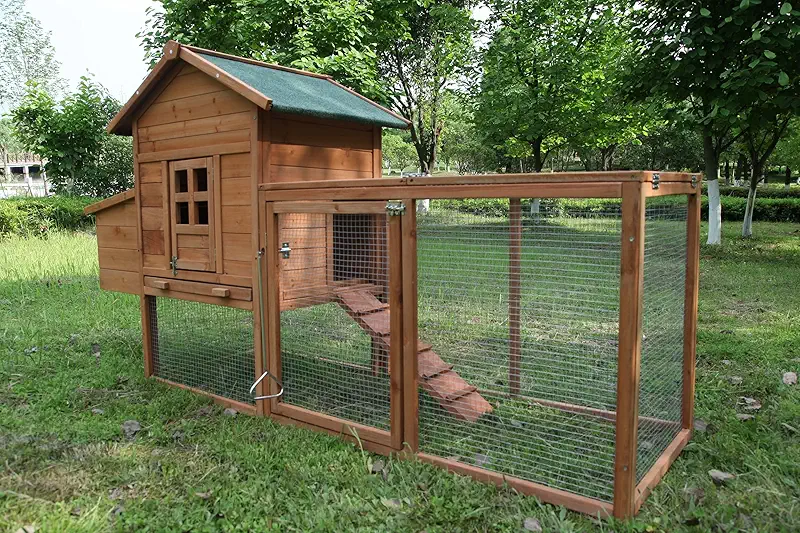
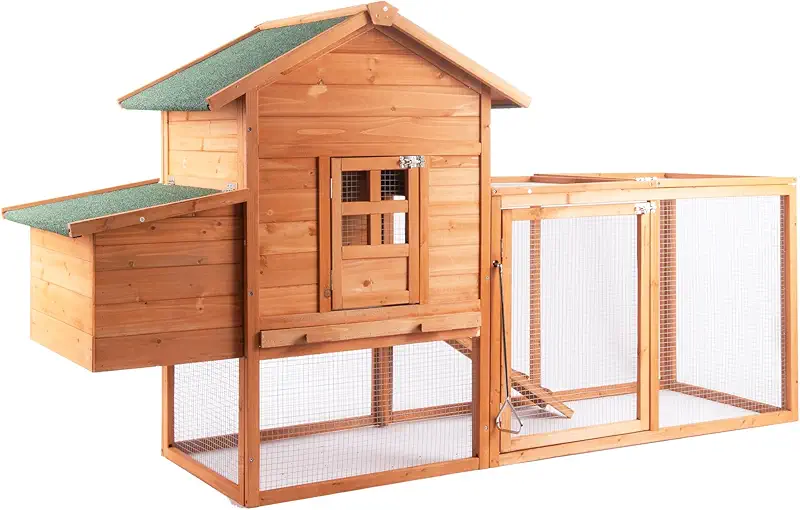
You do not need a castle. My best laying flock lived in a simple wooden coop with good airflow and dry bedding. But there are a few must-haves that separate a decent coop from a constant headache.
Space & comfort
Room to move, room to breathe
Space is the first thing hens notice, even before the color of the coop.
Aim for about 3–4 square feet of indoor space per hen plus plenty of run space outside. My rule of thumb: if all the birds can spread their wings without smacking each other, you are in good shape. Crowded hens get cranky, pick on each other, and slow down on laying.
Let me see sizes
Safety first

Predator-proofing that actually works
A raccoon with time on its paws is smarter than you think.
I have seen raccoons open simple latches and coyotes squeeze under loose wire. Look for strong hardware cloth, sturdy doors, good locks, and a solid floor or buried wire apron. If I cannot pry it open with one hand in the dark, I trust it more.
Show safer options
Dry & clean

Ventilation without drafts
Damp bedding ruins more flocks than winter cold.
A good coop has vents up high so warm, moist air can escape, but no wind blowing right onto the roost at night. If it smells sharp when you open the door, it needs more airflow and probably a cleaning day. Your nose will tell you the truth.
I need fresh air
I like coops with an easy way to rake out bedding, refill feeders, and reach nesting boxes without crawling on my knees. After a long day in the field, if the coop is a pain to clean, it will not get cleaned as often as it should. Make it easy on yourself now and your birds will thank you later with full egg baskets.
Old farmer’s guide to raising laying hens
When I brought home my first batch of pullets, I thought feed and water were enough. The hens quickly taught me I was wrong. They wanted routine, safety, and a bit of peace. They also wanted to rearrange their bedding every night like a bunch of tiny interior designers.
On this Chicken run 25th anniversary, let me lay out the basics that have kept my flock steady, even through icy Januaries and blazing August afternoons.
1. Start with the right breeds
Hens are not all the same. Some are high-strung and flighty, others are calm and friendly. If you want steady eggs and a flock that does not act like the movie chickens trying to escape, choose breeds known for calm temperaments and strong laying.
- Rhode Island Red: Tough, dependable, good layers.
- Plymouth Rock: Calm, sturdy, and family-friendly.
- Leghorn: Lays like crazy, but more active and nervous.
- Orpington: Big, gentle birds that handle cold well.
My favorite backyard mix is a blend of Rhode Island Reds and a few Orpingtons. The Reds keep the egg basket busy, and the Orpingtons keep everyone calm. A flock with good “chicken manners” is easier to care for and easier to keep inside the fence.
2. Feed that keeps eggs coming
A laying hen is a little egg factory that runs every day. She needs the right fuel. I feed a quality layer ration with around 16% protein, plus free choice oyster shell for strong shells. When I tried to save money with cheap feed years ago, shells got thin and egg count dropped. Learned that lesson fast.
- Keep layer feed available all day, not just morning and night.
- Offer clean water that never runs dry — water first, everything else second.
- Use treats like scratch grain or kitchen scraps as “dessert,” not the main meal.
- In winter, a warm mash on the coldest days makes everyone happier, including me.
3. Nesting boxes that hens actually use
I once tried to get by with too few nesting boxes, and the girls decided to share one crowded corner. They stacked up like pancakes and cracked half the eggs. Now I follow the old rule: one nesting box for every 3–4 hens, with a little privacy.

- Keep nesting boxes off the floor and lower than the roosts.
- Use soft, dry bedding like straw or shavings, and fluff it weekly.
- Collect eggs at least once or twice a day to prevent pecking or breakage.
- If a hen starts laying in a corner, block it off and guide her back to the boxes.
4. Light and seasons: why winter eggs slow down
Folks call me every fall, worried their hens are “broken” because egg numbers drop. They are not broken, they are just chickens. Laying is tied to daylight. When days get short, your hens rest more and lay less.
Some people add a light on a timer in the coop to keep eggs coming. I keep a gentle light in winter mornings, but I also give my hens a real break some years. They are not machines, and a little rest does them good. Just do not leave them in the dark all day — they need to see to eat and move around.
Keeping your flock calm: real-world “anti-escape” tips
The movie made escape look fun. In real life, a chicken outside the fence is usually a chicken headed for trouble. The trick is not higher walls; it is a life inside the run that feels safe and interesting.
If your chickens have space, safety, dust baths, good food, and a dry place to sleep, they will not spend their day studying the fence like prisoners. They will be too busy being chickens.
Simple ways to keep hens happy in the run
- Perches and platforms: Give them different levels to hop on and off.
- Dust bath corners: A shallow tub or dry patch of soil mixed with sand and a little wood ash.
- Hanging treats: A cabbage or leafy greens on a string keeps them busy and moving.
- Shade and shelter: A run with no shade in summer is just a slow cooker with feathers.

I once had a hen that kept flying over the fence every morning. I clipped one wing, raised the fence, tried everything. Turns out the trouble was not the fence; it was that the inside of the run was plain and dull. Once I added perches and a shaded corner with a dust bath, she settled right down and stayed home.
Predator worries: better to prepare than to panic
If you raise chickens long enough, something will try to snack on them. I have lost birds to foxes, hawks, and one very determined raccoon. That is hard on the heart and the egg count. Now I build and choose coops like I am expecting trouble every night.
- Secure doors and latches: Use locking latches, not just hooks. Raccoons have nimble fingers.
- Strong wire: Hardware cloth, not flimsy chicken wire, for windows and lower walls.
- Buried or skirted fencing: A wire apron outside the run stops most digging attempts.
- Close the coop at dusk: Do not count on the birds to put themselves away and lock up.
So while the movie chickens are busy planning their big breakout for this Chicken run 25th anniversary, we will quietly plan a coop and run that feels so safe and comfortable our hens never think about leaving.
Choosing a chicken coop that fits your life
Not every coop fits every farm. A small backyard in town needs something different than a big open pasture. I have used coops on skids that I dragged with the tractor, and smaller ones on wheels that I could push by hand. The best coop is the one you can manage on your busiest, most tired day.

Questions to ask yourself before you pick a coop
- How many hens do I want now, and how many might I want next year?
- Can I reach every corner of the coop to clean it without crawling?
- Will this coop handle my winters and my summers?
- Is the run big enough so the birds are not shoulder to shoulder?
- Can I move it if I need to, or is it staying put?
I like to think ahead one “chicken math” step. Folks start with four hens and end up with a dozen because, well, baby chicks happen. Choosing a coop with a little extra space from the start saves you from building extensions in the snow.
Backyard starter

For 3–6 hens
Great for a small yard, easy to tuck in a corner and keep tidy. Just be honest about your flock size. If you plan on “just a couple more hens,” consider bumping up to the next size.
This size feels right
Growing flock
For 6–12 hens
This range is where many families end up: enough hens for plenty of eggs and a little personality in the yard. Look for a solid frame, good roof, and a run that does not turn to mud after a rain.
Show me more space
Serious egg crew
For 12+ hens
At this size, think like a small farm. You want walking room inside, multiple roost bars, lots of nesting boxes, and doors big enough for a wheelbarrow. Cleaning day should be a routine, not a wrestling match.
I am thinking big
Frequently asked questions about hens and coops
1. How many chickens can I keep in a small backyard?
In a typical backyard, 4–6 hens is a sweet spot. You get a steady stream of eggs without crowding your space or your neighbors. Aim for 3–4 square feet per bird inside the coop and at least 8–10 square feet per bird in the run. Check your local rules too — some towns have limits or require permits.
2. Do I really need a run, or can my hens free-range?
Free-ranging is great if you have the land and few predators, but most folks are safer with a secure run for daily use. I let my birds out to roam when I am around, and they spend the rest of the time in a covered run. Think of free range as recess, not their only plan for safety.
3. How often should I clean the coop?
I do a light clean every week — scrape the roosts, freshen the nest boxes, and top off bedding where it is dirty. About every month or so, I do a deeper clean, depending on how many birds are inside and how damp the weather is. If it smells strong when you walk in, it is past time to tidy up.
4. Can I keep different ages or breeds together?
Yes, but you need to be careful. Chickens have a pecking order, and older birds can bully younger ones. I usually raise young birds separately until they are almost the same size as the adults, then introduce them slowly with a fence between them for a week. Mixed breeds do fine together as long as everyone has room, food, and safe roost space.
5. What is the best coop choice for a beginner?
For someone just starting, I like a medium prefab coop with an attached run that can hold 4–6 hens comfortably. It is big enough to be stable and useful, but not so big that you feel overwhelmed. Make sure it has decent wood, good wire, ventilation, and a roof that sheds water. From there, you will learn what you like and what to upgrade as your flock — and your confidence — grow.
If this Chicken run 25th anniversary has you dreaming of your own quiet little flock, the next step is simply finding a coop that fits your yard and your hens.
Let me see every coop