
Chicken run kit
Chicken Run Kit
Out here on the farm, a good chicken run kit is worth more than a fancy pickup with no gas. Your hens need room, safety, and a dry place to gossip and lay. Let me walk you through how to pick and set up a run that keeps them safe, happy, and laying strong.
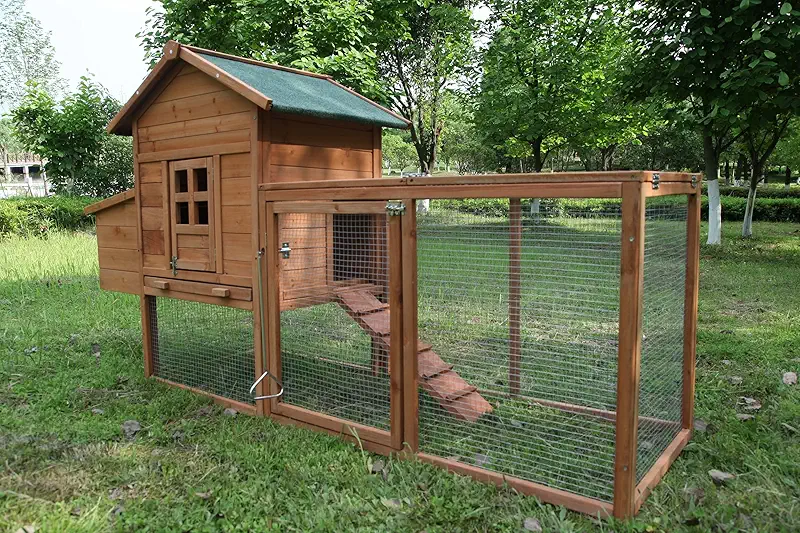
I’ve been raising laying hens since before my beard turned gray, and I’ve learned this: a solid chicken run kit saves birds, saves feed, and saves headaches. When your run is built right, your hens stay safe from dogs, hawks, raccoons, and that one neighbor who swears he “didn’t see anything.”
I’ve built runs from scrap lumber, cattle panels, and even a few old trampoline frames. They all worked, more or less, but I’ll tell you the truth: a well-designed chicken run kit is faster, stronger, and usually cheaper than my “genius” DIY ideas after three trips to the hardware store.
Why your chicken run matters more than the coop
Folks love to talk about pretty coops. I get it. Cute little windows, barn doors, maybe a flower box. But I’ll tell you what really makes or breaks your flock: the run. The coop is where they sleep and lay. The run is where they live.
Hens that can stretch, scratch, dust-bathe, and chase bugs all day are calmer, healthier, and lay better. Crowded, bored birds pick feathers, bully each other, and invite disease. Your chicken run kit is how you keep their day busy and their minds quiet.
Quick rule of thumb for run size
- Minimum 10 square feet per hen in the run
- More space if you can, especially for heavier breeds
- Extra room if they’re confined full-time (no free-ranging)
- Room to stand up inside without crouching
- Space for feeder, waterer, and dust-bath area
On my place, I aim for more than the minimum. Birds with space don’t yell at you every time you walk past. They’re too busy being chickens. If you can only just meet the minimum, pick a chicken run kit that’s easy to add panels onto later. Chickens are like potato chips—you think you just want six, then a few months in you’re staring at catalog pictures thinking, “Maybe just a few more…”
Key parts of a reliable chicken run kit
When I look at a run kit, I don’t care how fancy the pictures are. I care about what’s going to happen when a hungry raccoon tests it at two in the morning. Here’s what I pay attention to.
1. Strong frame
I like heavy-duty steel or thick, treated wood that doesn’t wobble like a folding lawn chair. Check that the corners lock in tight and the frame won’t twist if you lean on it.
2. Real wire, not “chicken floss”
Look for hardware cloth or sturdy welded wire. Thin poultry netting is fine for keeping hens in, not for keeping teeth out. Predators chew that like bubble gum.
3. Good door & latch
Raccoons have clever little hands. Use a latch that takes a human brain, not just fingers. I like simple but solid locks you can open when your hands are cold and full of feed.
A good chicken run kit will spell all this out in plain numbers: size of wire, thickness of frame tubes, size of the door, and how it anchors to the ground. When that’s missing, I get suspicious, same way I do when a used truck ad “forgets” to mention the mileage.


Roof and weather cover
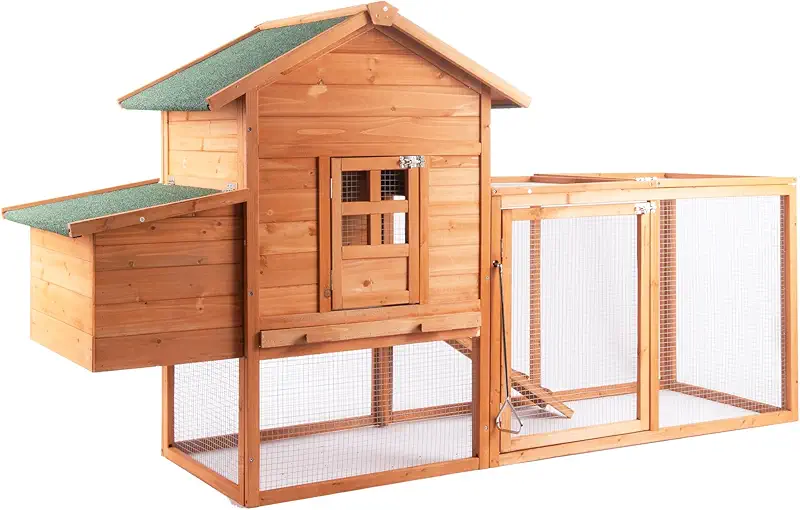
Chickens don’t like standing in the rain and hot sun any more than you do. A roof on your run keeps out aerial predators, keeps mud from turning into a disaster, and gives your birds a dry place to scratch in winter. A good kit will include at least partial cover you can shift with the seasons.
On my farm I like to keep one end open to the breeze and one end more sheltered. That way, hens can pick their comfort spot. When the wind comes howling across the fields, they all tuck into the sheltered corner, grumbling like old ladies in a church hallway.
Setting up your chicken run kit the right way
I’ve seen brand new runs tipped over by the first strong wind because folks just set them on bare dirt and called it good. A kit is a strong start, but how you set it up matters just as much. Do it right once and you won’t be chasing hens in your pajamas.
1. Pick the best spot
I like a spot with morning sun, afternoon shade, and decent drainage. Low, soggy areas turn into a sloppy mess and bring flies and smell. If all you’ve got is a flat yard, no problem—just make sure the spot doesn’t pool water after a rain.
Keep it close enough to the house or barn that checking birds is easy. The closer the run, the more often you’ll stroll out “just to see how the girls are doing,” and the sooner you’ll spot problems.
2. Anchor it down
Even a heavy chicken run kit can shift in wind or when a big dog jumps on it. I like to:
- Use ground stakes or screw-in anchors on the corners
- Run a board or small concrete pavers along the base
- Stack a few heavy blocks in the windiest corners
3. Bury or skirt the wire
The troublemakers dig. Foxes, dogs, even some determined raccoons. To keep them from tunneling under:
- Bury the fence 8–12 inches down, or
- Make an “apron” of wire laying flat 12–18 inches out from the run
Predators come up to the wall, hit the wire, try to dig, and get confused. They don’t back up and think, “Maybe I should start farther out.” They move on to easier food. That’s what you want.
Keeping hens happy inside the run
A safe run is step one. A happy run is step two. Hens with things to do are quiet, steady layers. Hens with nothing to do yell at you and each other. I’ve heard plenty of feathered arguments over the years.
Easy enrichment for your chicken run kit
- Perches at different heights – Old branches, 2x4s, or rails across the run
- Dust bath corner – A low tub or a dug-out spot with dry soil, ash, and sand
- Hanging treats – Cabbage, leaf lettuce, or a block of greens hanging from a rope
- Moveable shade – A tarp or panel you can shift as the sun moves
- Deep litter – A few inches of wood chips or dry leaves they can scratch through
When I walk past my runs and see hens dust-bathing, scratching, hopping on a perch, and then lining up to lay, I know things are working. A good chicken run kit makes it easy to add these little touches—tie something here, hang something there, move a perch when you feel like it.


Feed and water in the run
I like to keep the main feeder and drinker in the run, under cover, not in the coop. Keeps the coop drier and gives birds a reason to move around. Just make sure:
- The water is in the shade so it doesn’t turn into warm soup
- The feeder is high enough to keep bedding and dirt out
- You can reach both without crawling on your knees
I’ve crawled under my share of low roofs to fix knocked-over waterers. That gets old fast. When you pick your chicken run kit, imagine where you’ll stand to refill feed and water, and whether your back will complain.
Personal lessons from decades of runs
Over the years I’ve made about every mistake a person can with chickens, short of opening the gate and yelling “Everybody run!” So here are a few honest lessons, learned the hard way, that might save you some trouble.
1. Start bigger than you think you need
Every time I thought, “Six hens is plenty,” I ended up with twelve. If your budget allows, pick a chicken run kit you can add onto, or go one size bigger right away. You’ll grow into it faster than you think.
2. Don’t trust “chicken wire” by itself
Years back, I lost a nice little flock of pullets because I figured thin chicken wire was “close enough.” Something chewed through in one night. I walked out in the morning to scattered feathers and a very full raccoon sunning himself on the fence line. Since then, real hardware cloth on the bottom three feet has been non-negotiable.
3. Make it easy on your future self
Today you’re excited, full of energy, ready to wrestle panels. In six months you’ll be out there in freezing rain trying to shut the door with one hand while you hold a bucket in the other. Choose a kit with doors that swing the right way, latches you can work with gloves, and enough headroom that you don’t scalp yourself on the frame.

Chicken run kit – common questions from real backyard keepers
If you’re ready to give your birds a safe, roomy yard they’ll actually enjoy, take a quiet minute, think about your flock size and your yard, and pick a chicken run kit that fits where you’re headed, not just where you are today.
Show me all coops