
Coffee grounds for chicken coop
Coffee Grounds For Chicken Coop
Out here on the farm, nothing really goes to waste. That includes the morning coffee. Folks keep asking me if they can use coffee grounds for chicken coop care. The short answer is “yes, but be smart about it.” Let me walk you through how I’ve used them over the years without upsetting the flock… or the nose.
We’ll talk about when coffee grounds help, when they don’t, and how to keep your hens healthy and laying strong while you experiment.
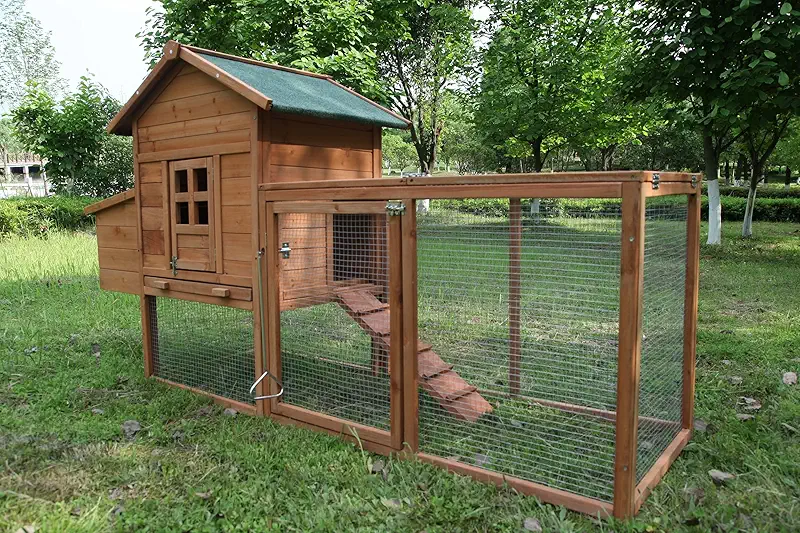
I’ve been raising laying hens since before some of my neighbors were tall enough to reach a nest box. Over the years I’ve tried just about every trick you can think of to keep the coop dry, smelling decent, and turning waste into something useful for the garden. Coffee grounds have their place in that toolbox, but they are not magic dust. They’re more like a handy sidekick.
When people talk about using coffee grounds for chicken coop setups, they often imagine sprinkling it everywhere and calling it a day. That’s not how it works. Used right, coffee grounds can help with composting, soil-building under your run, and even a little odor control. Used wrong, they just make a pasty mess and don’t do your hens any favors.
Is it safe to use coffee grounds for chicken coop care?
Let’s start with the worry most folks have: “won’t the caffeine hurt my birds?” In theory, yes, caffeine can be harmful to chickens if they actually eat enough of it. But used the way an old farmer does it, your hens should not be eating coffee grounds at all.
My rule is simple: coffee grounds go under things, around things, or in the compost, not out in the open where a curious pullet can decide to take a bite. Chickens will try almost anything once. I’ve seen them peck a shiny screw, a cigarette butt the wind blew in, and yes, a clump of coffee grounds when I got lazy one morning.
If you use coffee grounds for chicken coop maintenance the way I’ll lay out here, they’re more of a background ingredient, not a feed. Think of them like spices in a stew: helpful, but not the main course.
Good uses for coffee grounds
- Mixed into composted bedding from the coop.
- Thin layer under deep litter in the run to help soil structure.
- Blended into garden beds after coop clean-out.
- Added to a dedicated compost pile that includes coop manure.
Bad uses for coffee grounds
- Plain coffee grounds as bedding on their own.
- Thick wet layers that get compacted and slimy.
- Dumped in piles where hens can eat them.
- Using moldy coffee grounds inside the coop.
How I actually use coffee grounds around my coop
Let me walk you through how coffee grounds show up in my day-to-day routine. None of this is fancy, and it sure isn’t scientific, but it’s kept my hens healthy and my gardens thankful for a long time.
1. Coffee grounds in the compost with coop waste
Every couple of weeks, I clean up the heaviest-soiled bedding from under the roosts. That goes into a compost pile along with kitchen scraps, leaves, and grass clippings. This is where coffee grounds for chicken coop management really earn their keep for me.
When I empty the coffee pot filter in the morning, those grounds go straight into a bucket. When the bucket’s about half full, I take it out and sprinkle the coffee grounds over the coop manure and bedding in the compost pile. Then I cover everything with straw or dry leaves and give it a light turn with the fork.
The grounds add nitrogen and a bit of texture, and they help the pile heat up nice and steady. I’m not chasing laboratory numbers here, just looking for a rich, dark compost by the time the growing season rolls back around.
If your compost smells like a barn during a hot July afternoon, you need more dry browns: straw, leaves, or shredded cardboard. Coffee grounds help, but they don’t fix an unbalanced pile all by themselves.
2. A light layer under the run bedding
Out in the run, I like to build up a kind of living floor. Over the years I’ve added wood chips, leaves, shredded branches, and a bit of sand. Every once in a while, I add a light sprinkle of old coffee grounds before I add a fresh layer of dry material.
I’m talking about a dusting, not a carpet. If you can clearly see coffee grounds all over the top, that’s too much. I just want them mixed into the organic matter where they’ll break down along with the rest and help the soil under the run stay loose and rich.
The run stays drier that way, and when I dig out the oldest bottom layer each year, it turns into a beautiful amendment for the vegetable beds. Mine smells like forest soil, not like a coop. When it smells like the forest, you’re doing it right.
What about smell control in the coop?
This is where a lot of folks get starry-eyed. They hear that using coffee grounds for chicken coop odor is a miracle cure. I wish. If that were true, every truck stop on the highway would smell like a flower shop.
Coffee grounds have a nice smell to us when they’re fresh, sure. But once they’re wet and sitting around, they don’t do much for odor except help the material break down if they’re part of a good mix.
The real odor control champions in a coop are:
- Dry, absorbent bedding (pine shavings, chopped straw, or similar).
- Good ventilation that moves moist air out.
- Regular clean-up under the roosts where droppings pile up.
- Keeping waterers from leaking into the bedding.
Coffee grounds might play a small part when they’re mixed into composted bedding later on, but if you’ve got a stinky coop right now, don’t waste time hunting coffee. Get a shovel, get some dry bedding, and give your birds some fresh air.
Can chickens eat coffee grounds?
I’ve seen the odd hen peck at a damp clump when I’ve been careless. They usually spit it out like a kid tasting broccoli for the first time, but I don’t like to count on that. Caffeine and some of the compounds in coffee aren’t meant for birds.
On my farm, coffee grounds are treated as “no-peck” material. I keep them where the flock can’t snack on them. If I drop some in the run while spreading them, I either rake them right in under other material or shoo the girls away for a minute until I’m done.
If one of your birds does get into a pile of coffee grounds and you notice odd behavior—weakness, shaking, acting “not themselves”—call a vet who knows poultry. Better to feel a bit silly than to lose a good hen.
Practical routine: how to work coffee grounds into your coop life
Let me lay out a simple routine you can follow. Adjust it to fit your own setup and schedule; every farm and backyard is a little different.
- Collect the grounds. Keep a small lidded bucket by the coffee pot. Filters and all can go in if they’re plain paper. Once the bucket is half to three-quarters full, take it outside.
- Decide today’s destination. Ask yourself: is today a compost day, or a run-refresh day? Most mornings for me, it’s compost.
- For compost: Sprinkle the coffee grounds over the fresh coop waste in your compost pile. Add some dry browns (leaves, straw, shredded cardboard), then give the pile a turn.
- For the run: Lightly scatter a small amount of coffee grounds where the birds won’t be eating, then immediately cover with a good layer of wood chips, leaves, or straw.
- Keep an eye on the flock. For the next day or two, watch how your hens act. If they’re ignoring the ground and going about their business, you’re doing fine. If they’re obsessed with pecking one spot, scrape that area up and bury the grounds deeper or move them to the compost.
It’s a simple rhythm once you get used to it. And if you skip a day or a week, that’s all right. Your birds care more about clean water and good feed than what you did with the coffee.
Matching coffee grounds with good coop design
One thing I’ve learned the hard way: no little trick, coffee grounds included, can make up for a poorly built coop. If the floor stays wet, the roof drips, and the air doesn’t move, you’re going to have problems no matter what you sprinkle around.
I like a coop with a slightly raised floor, plenty of vents under the eaves, and enough space so the birds aren’t breathing in each other’s breath all night. Solid roosts, easy-to-clean dropping boards, and nest boxes that stay dry—it all matters.
When you get the basics right, then little extras like using coffee grounds for chicken coop compost or run soil start to shine. You’re polishing something that’s already working, not trying to fix a sinking ship with a teaspoon.
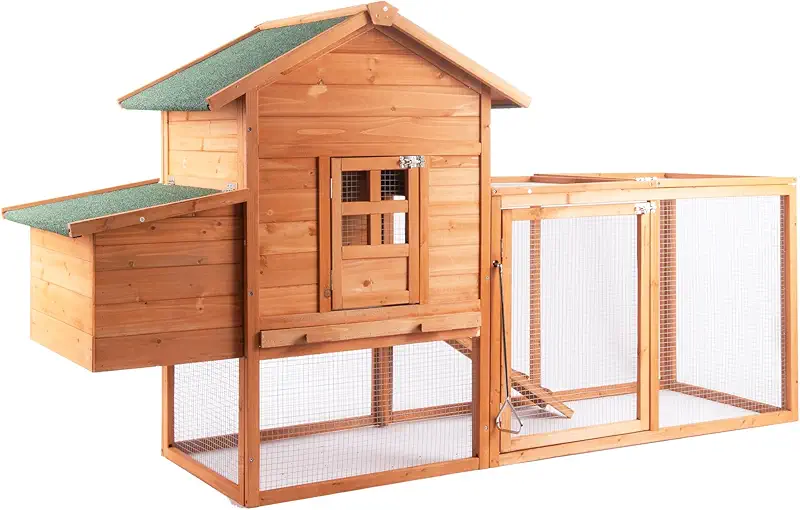
Well-ventilated coops make every little trick, including coffee grounds, work a whole lot better.

A sturdy coop with dry bedding does more for odor than any single “secret ingredient.”
If your current coop fights you every time you try to keep it dry and tidy, it might be time to look at something built with better airflow and easier clean-out. A good coop makes everyday care feel like a quick chore instead of a second job.
Let me rethink thisUsing coffee grounds for chicken coop compost that feeds your garden
My favorite part of this whole system is what happens at the end. You start with chicken manure, bedding, kitchen scraps, and coffee grounds. A few months later, you’re holding dark, crumbly compost that smells like the forest floor after a rain.
I spread that compost under my tomatoes, sweet corn, and greens. Funny thing: the same hens that helped make the compost end up eating the vegetables later. It’s a nice little circle. The coffee grounds for chicken coop compost are just one small piece of it, but they fit in nicely.

Deep litter mixed with coffee grounds and coop waste ages into rich compost for the garden.

Healthy soil under the run grows from layers of chips, straw, and a little coffee along the way.
My honest pros and cons of coffee grounds in the coop world
After years of puttering around with this, here’s how I’d sum it up in plain talk.
What I like about using coffee grounds
- They keep something useful out of the trash.
- They mix well into compost and help it “cook” along.
- They add a little texture under the run when used lightly.
- The hens ignore them when I keep them covered, which is what I want.
What I don’t count on them for
- They do not replace good bedding like pine shavings or straw.
- They don’t magically erase all odors.
- They can clump and get slimy if you use too much in one spot.
- They require a bit of care so birds don’t decide to snack on them.
In other words, coffee grounds for chicken coop management are like a trusty pocket knife: handy to have, but you still need a full toolbox and a bit of know-how.
FAQ: Coffee grounds for chicken coop
Bringing it all together
Using coffee grounds for chicken coop care is one of those quiet little habits that adds up over time. It won’t change your flock overnight. What it will do is help turn waste into something useful, nudge your compost in the right direction, and keep a little more goodness cycling through your land instead of heading for the landfill.
Your hens won’t know or care about the coffee, as long as you keep it where they’re not eating it and focus on what really matters to them: fresh feed, clean water, dry feet, and a coop that lets them breathe easy at night.
And if, while you’re sipping your morning cup and scraping out the filter, you catch yourself smiling at how that coffee will end up feeding next year’s tomatoes through your hens… well, that’s just the farm doing what it does best: turning little things into something bigger.

Happy hens in a dry, airy coop will always beat any “secret ingredient” you can sprinkle.

Good design, good bedding, and small tricks like coffee grounds all work together.

A solid coop makes daily chores quick, so you can spend more time just watching the flock scratch and chatter.
If you’re ready to pair your coffee-ground experiments with a coop that’s easy to clean, dries out fast, and keeps your girls feeling safe, it might be time to look over a few options and see what fits your yard and your flock.
Show me more coopsWant to see different sizes, styles, and setups that work well with deep bedding, composting, and all the little tricks like coffee grounds you’ve just read about? Take a quiet minute and browse through the full range of chicken coops that other folks are putting to work in their backyards.
I’ll explore coops now