
I have been raising laying hens for decades, and good sand in the coop has saved my back, my boots, and my birds more times than I can count. Let me walk you through what really works, what to avoid, and how to keep your girls dry and happy all year.
Construction Sand For Chicken Coop
When folks ask me about construction sand for chicken coop floors, I usually smile and say, “Well, I’ve tried just about everything else first, so you don’t have to.” I’ve shoveled out wet shavings in the rain, chipped frozen poop off boards in January, and watched my hens track mud into the nest boxes like a bunch of teenagers with dirty boots. Switching to the right kind of sand changed all that.
Sand is not magic, but used the right way, it makes a coop easier to clean, keeps the smell down, and keeps your hens’ feet dry and healthy. Used the wrong way, it can turn into a dusty, heavy headache. The trick is choosing the right type of construction sand for chicken coop use and setting it up so it works with you, not against you.
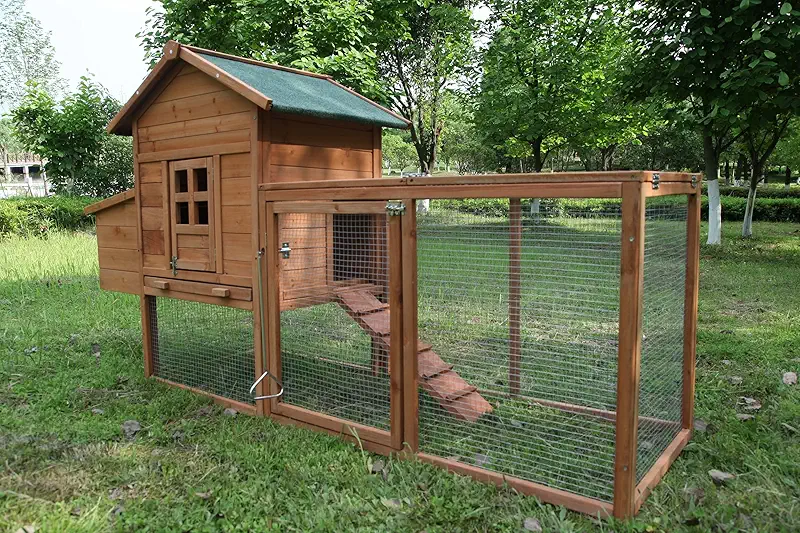
Over the years I’ve tried sand in small backyard runs and in bigger barn-style coops. I’ve tested it in wet springs, dust-dry summers, and those icy winters when the wind feels like it’s cutting right through your coat. I’ll share what has held up on my farm, and what I wish someone had told me before I moved the very first shovel-full.
For everyday coop floors and runs, I like a coarse, gritty construction sand, not the soft beach stuff. Think tiny gravel, not powder. It drains better, stays cleaner, and my hens scratch in it all day without turning it into a dust storm.
What “Construction Sand For Chicken Coop” Really Means
When people hear “sand,” they often picture soft, fine playground or beach sand. That is not what I put in my coops. For construction sand for chicken coop floors, I look for a coarse, washed, angular sand mix. Around here, it’s sometimes called concrete sand, river sand, or washed construction sand.
The grains are bigger, like tiny pebbles and small gravel mixed with sand. When you grab a handful, it should feel gritty, not silky. If it runs through your fingers like baking flour, that’s too fine. I once tried a cheap, very fine sand, and my birds and I both coughed every time we stepped in the coop. Lesson learned.
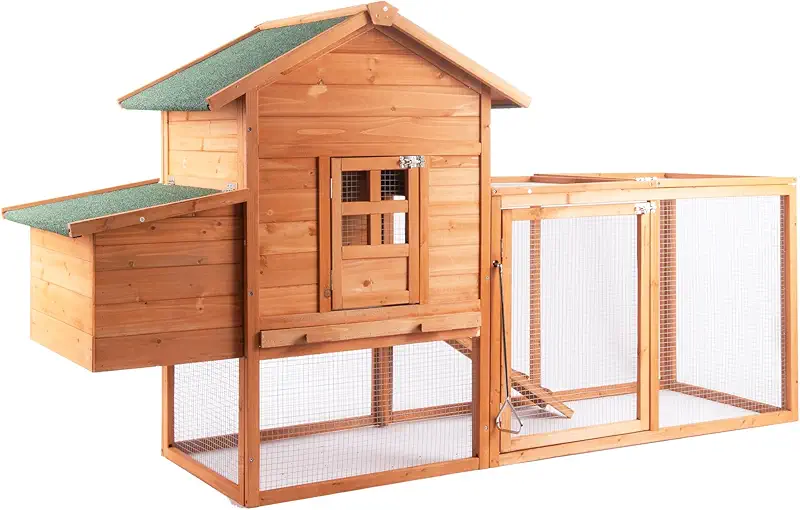
Good types of sand for coops
- Coarse construction or concrete sand – my first choice for most coop floors and runs.
- River sand (washed) – good if it’s mostly larger grains, not muddy silt.
- Sand-gravel mix – works well in outdoor runs that get soggy.
Sand to avoid
- Playground sand – usually too fine, dusty, and packs down hard.
- Masonry sand – very fine; can be dusty and hard on lungs.
- Unwashed, silty sand – holds moisture, smells, and can get slimy.
Why I Use Construction Sand In My Chicken Coop
I switched to construction sand for my main coop after a nasty wet spring about fifteen years ago. The run turned to mud, the shavings in the coop stayed damp, and my hens looked about as happy as a cat in a bathtub. I needed something that would drain better and keep their feet dry.
Once I put in a base of construction sand for chicken coop floors and runs, a few things changed fast. The smell went down, the flies calmed down, and the eggs stayed cleaner. And maybe most important for an old farmer: cleaning the coop got a whole lot easier on my back.

1. Better drainage and less mud
Chickens are hard on dirt. In a small area, they scratch, dig, and strip the grass faster than you’d think. After a few good rains, bare dirt turns into mud. With sand, the water goes down instead of sitting on top. My hens still scratch and dig, but their feet stay mostly dry.
In my lower pasture coop, I used a deep layer of coarse construction sand over some gravel in the run. Before sand, the area would stay muddy for days after a storm. With the sand, the water drains through, and the surface is dry enough for the birds to scratch around the next day.
2. Easier daily cleaning
Cleaning a sand floor feels a lot like cleaning a big outdoor litter box. I keep a small rake and a metal scoop in each coop. Most days, I just walk through, skim off the droppings, and toss them in the compost. The sand stays put, and the dirty part disappears quick.
With shavings or straw, I used to do big, heavy clean-outs. Forking out damp bedding in August heat will make you question your life choices. With sand, I do smaller, lighter clean-ups more often. The work is steady but mild, and my back thanks me for it.
3. Happier feet and cleaner feathers
Chickens spend their lives on their feet. Hard, muddy ground or always-wet bedding can lead to sore spots, bumblefoot, and grime on their feathers. A good bed of construction sand for chicken coop floors stays fairly level, and the small pieces pack enough to give firm footing but still let them scratch.
I also notice that hens on sand stay cleaner. When they hop off the roost onto sand instead of damp shavings, their feet don’t cake up with muck. Less mess on their feet means less mess in the nest boxes, and fewer dirty eggs to scrub.
How Deep Should Construction Sand Be In The Coop?
When I first started, I skimped on depth to save a few dollars. That was a mistake. A thin layer of sand quickly mixed with droppings and didn’t drain well. Now, I aim for a more generous base of construction sand for chicken coop floors.

My general depth guidelines
- Inside the coop floor: about 2–4 inches of coarse construction sand.
- Covered run: 3–6 inches, especially if you get a lot of rain.
- Open outdoor run with heavy rain: 4–8 inches over a base of rock or gravel.
For my main laying coop, I leveled the dirt floor, added a few inches of crushed rock in the low spots, then topped it with about 4 inches of sand. That setup has held up well through years of hens, storms, and more than a few clumsy farmers with shovels.
Setting Up A Coop Floor With Construction Sand
Putting in sand is front-loaded work. You do the heavy lifting once, then just keep things tidy. Here’s how I usually set up a new coop or refresh an old one.
Step 1: Fix drainage and low spots
I start by walking the area right after a good rain. Wherever the water sits, I mark it. Those spots either get filled with gravel, or I dig a small trench to move the water away. There’s no point putting nice construction sand for chicken coop floors over a puddle.
Step 2: Add a firm base if needed
If the ground is soft, I add a layer of crushed rock, road base, or old broken concrete. It doesn’t have to be pretty. It just needs to give the sand something solid to sit on so it does not disappear into the mud when it rains.
Step 3: Bring in the right sand
For bigger jobs, I get a load of coarse construction sand delivered. For small backyard setups, bagged sand can work too, as long as it’s coarse and labeled for construction or concrete use. I’ve driven home with the back of my pickup squatting low more times than I care to admit.

Step 4: Spread, level, and let it settle
I spread the sand with a rake and shovel, aiming for an even depth. Don’t overthink it; chickens aren’t picky about perfect grades like a concrete crew. I let the birds work it too; they’ll dig, scratch, and shift it around to their liking over the first week.
Step 5: Set up your cleanup tools
I hang a small rake, a scoop or flat shovel, and a bucket right by the coop door. My goal is to make it so easy to clean that I don’t have an excuse to skip it. A couple of minutes every day or every other day keeps the sand from ever getting gross.
Living With Sand: Daily And Seasonal Care
Using construction sand for chicken coop floors changes your routine a little, but not in a bad way. You move from big, messy clean-outs to lighter, regular touch-ups. And you learn a few tricks as the seasons roll by.
Daily or weekly spot cleaning
Most mornings, while the coffee is still kicking in, I take a quick walk through the coop. I skim under the roosts where the droppings collect, scoop them into a bucket, and shake the sand off through a homemade wire sifter. The manure goes into the compost pile; the sand goes back on the floor.
In busy laying season when there are more birds in the coop, I clean more often. In slow seasons or with fewer hens, I get by with a good clean a few times a week. Sand makes it easy to match your cleaning to your flock size.

Dealing with dust
Any dry material can get dusty, and construction sand for chicken coop floors are no different. The coarse sand helps a lot, but I still crack the windows and vents. Good airflow is your friend, both for dust and for moisture.
If things get too dry in the dead of summer, I sometimes lightly mist the sand in the run with water, just enough to keep the dust down but not enough to make mud. The hens appreciate it, and I breathe easier too.
Winter with sand floors
People worry about sand being cold in winter. In my coops, the sand itself doesn’t bother the hens. What matters is draft control and dry bedding. Cold and dry is better than damp and “sort of warm.” My hens roost up off the floor anyway, so their feet are on dry wood at night, not in the sand.
In very cold spells, I sometimes add a little extra straw in specific spots, like under the waterer or in a corner where a hen likes to tuck in. But I still keep construction sand for chicken coop floors as the main surface because it stays cleaner and doesn’t trap moisture.
Using Construction Sand In Outdoor Runs
If you’ve ever stood in a chicken run after a week of rain, you know that mud and manure make a nasty pair. One of the best changes I made was adding coarse construction sand for chicken coop runs outside, not just inside the shelter.

Picking the right areas for sand
I don’t cover every square foot of the yard with sand. I focus on the places that get the most traffic:
- The area right outside the pop door.
- Under roofed sections where rain still splashes in.
- Dust bathing corners where hens always dig craters.
Those spots benefit most from a layer of construction sand for chicken coop use, because they turn from mud pits into fairly dry, scratch-friendly ground. The rest of the run can stay as grass, dirt, or whatever nature gives you.
Dust bathing with sand
Even with sand on the ground, I like to give my hens a dedicated dust bath area. I mix some of the coarse construction sand with dry soil and a bit of wood ash in a low tub or half barrel. The girls line up for their turn, flop over on one side, and toss sand all over like they’re having a spa day.
A good dust bath helps keep mites and lice in check. And if you’re ever in a bad mood, go sit and watch hens dust bathe for ten minutes. It’s hard to stay grumpy while they’re wiggling and murmuring to themselves.
Pros And Cons Of Construction Sand For Chicken Coop Floors
Like everything else on a farm, construction sand for chicken coop floors have their ups and downs. I’m a fan, but I’m also honest about the trade-offs. Here’s how it shakes out from my years of using it.
What I like about sand
- Quick cleanup: Daily scooping keeps things tidy with less heavy hauling.
- Less smell: Droppings dry out faster, so the coop doesn’t hit you in the nose as hard.
- Good drainage: Great for wet climates and runs that tend to get muddy.
- Foot health: Firm but gentle surface, and the grit can even help as tiny stones for digestion.
What can be a problem
- Weight: Sand is heavy. Moving it by shovel is real work, especially if you change coops.
- Dust risk: Fine or poor-quality sand can be dusty and hard on lungs.
- Cold feel: In uninsulated coops in very cold regions, some keepers prefer deep litter systems instead.

How To Choose Construction Sand For Your Coop
If you’re standing at the local yard looking at piles of sand, it can be confusing. Here’s how I think it through when picking construction sand for chicken coop use.
Questions I ask the supplier
- “Is this washed sand or does it have clay and silt in it?”
- “What do your concrete guys usually use?”
- “Do you have anything coarser than playground sand?”
The answers help me steer toward the mixes builders like for concrete slabs and away from the ultra-fine stuff used for mortar or play pits.
What I look for with my own eyes
- A mix of small gravel and sand, not one smooth, powdery texture.
- Very little visible dust when I handle it.
- Natural color (tan, gray, mixed) is fine; I avoid anything dyed or treated.
If you’re browsing options online, I look for descriptions that say things like “coarse,” “construction,” or “concrete” sand, and pictures that clearly show bigger grains. When I’m unsure, I start with a smaller amount in a test area of the coop before I commit to a full load.
FAQ About Construction Sand For Chicken Coop Floors
1. Is construction sand safe for chickens?
Yes, good quality construction sand for chicken coop floors is safe for most flocks. The key is using coarse, washed sand with mixed grain sizes. Avoid dusty or ultra-fine sands, since those can bother chicken lungs just like they bother ours. I’ve used coarse construction sand for years without health problems, and my birds spend most of their day scratching in it by choice.
2. Can I use construction sand instead of bedding?
You can, and I mostly do. Sand becomes the main floor surface, and I treat it like a large litter box. I still use straw or shavings in nest boxes for softness, but the coop floor and the run are sand. If you like deep litter, you can skip sand inside and just use construction sand for chicken coop runs outside. It doesn’t have to be all or nothing.
3. How often do I need to replace the sand?
Not very often if you keep up with cleaning. I spot-scoop droppings regularly and top up the sand once or twice a year where it gets thin. Every few years I may shovel out part of the floor and refresh it. Sand doesn’t “go bad” quickly; it just slowly gets enriched with organic matter. When I do remove it, it makes a great base under paths or as fill in low spots in the yard.
4. Will construction sand make my coop too cold in winter?
In my experience, what matters more than the floor material is draft-free, dry housing. Construction sand for chicken coop floors can feel cool to the touch, but birds sleep up on roosts, not on the floor. As long as the coop is dry with good ventilation above roost height, the sand has worked fine for my hens, even in freezing weather. If you’re in extreme cold, you can still use sand in the run and a deeper bedding method inside.
5. How do I know how much sand to get?
I measure the coop floor length and width, decide on a depth (usually around 3–4 inches inside), and use an online volume calculator to turn that into cubic feet or yards. Then I add a little extra, because the ground is never as level as the math. For small backyard setups, starting with a few bags labeled as coarse construction sand for chicken coop use lets you test the idea before calling in a full truckload.