
Costco chicken coop
I’ve raised hens for more years than I care to count, and I’ve learned one simple truth: a good coop makes the difference between daily eggs and daily headaches. If you’re eyeing a Costco chicken coop, let me walk beside you like a neighbor over the fence and share what really matters before you bring those girls home.
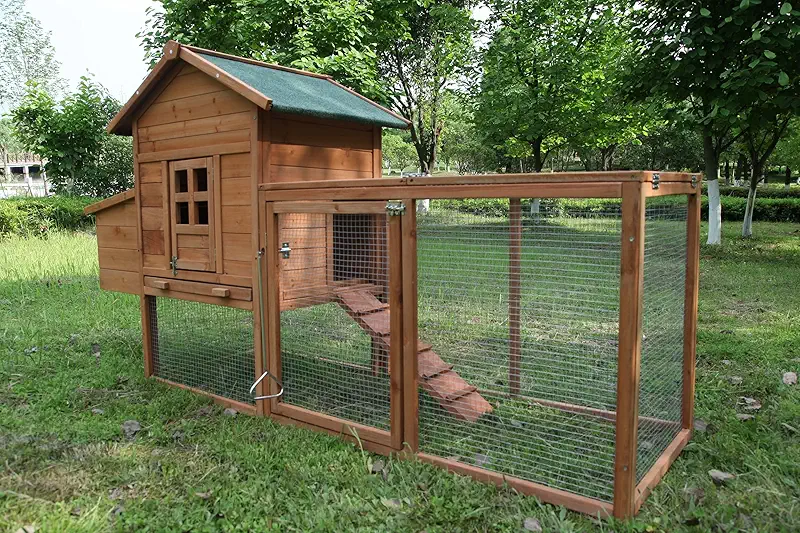
Folks often ask me, “Is a Costco chicken coop good enough for backyard hens?” I’ll tell you the same thing I tell the people who stop by my farm: “It can be, if you know what you’re looking at.” A pretty picture in a catalog doesn’t keep your hens warm in January or cool in August. Good design, solid wood, and smart setup do that.
I’ve built coops from scrap lumber, bought fancy ones in town, and yes, I’ve tried pre‑built styles very similar to what you’ll see when you shop for a Costco chicken coop or other boxed coops online. Some of them have served me well. A few turned into firewood. Let me help you tell which is which before you spend your hard‑earned money.
What to look for in a Costco chicken coop
When you look at any ready‑made coop, forget the cute window boxes and little ramps for a moment. Your hens don’t care. They care about three things: staying dry, staying safe, and staying comfortable. If a Costco chicken coop checks those boxes, you’re already halfway home.
If I wouldn’t sleep in it on a rainy night with a sweater on, my hens won’t either.
1. Size and space for happy hens
Most boxed coops look bigger in the photo than they are in the yard. I learned that the hard way the first time I dragged one out of the truck and realized it was about the size of my old lawnmower shed. It still worked, but I had to cut down the flock size.
- Plan at least 3–4 square feet per hen inside the coop.
- Plan 8–10 square feet per hen in the run if they don’t free‑range.
- Limit smaller pre‑built coops to 3–4 hens, no matter what the box claims.
Many Costco chicken coop style builds are labeled for six or eight chickens. I’ll be honest with you: that number is usually written by someone who has never chased six grumpy hens in August heat. Cut that published number by about a third if you want calm birds and good laying.
2. Predator protection that actually works
Out here, everything wants chicken for dinner: raccoons, foxes, hawks, neighbor’s dogs, you name it. A nice‑looking coop isn’t worth a nickel if a raccoon can peel it open like a sardine can.
| Feature | Why it matters | What I look for |
|---|---|---|
| Wire on the run | Keeps critters out and hens in | ½" hardware cloth, not chicken wire |
| Latches and doors | Stops raccoons and smart pests | Lockable, no simple twist hooks |
| Floor and base | Blocks digging predators and damp | Solid floor or buried wire apron |
When you’re comparing any Costco chicken coop option to others online, look closely at the pictures of latches and wire. If you see thin, floppy chicken wire, plan on upgrading to hardware cloth right away. I’ve watched a determined raccoon push through chicken wire like wet paper.
3. Ventilation: the secret most people miss
Folks worry about warmth in winter, but truth is, moisture is the real enemy. Chickens give off a lot of damp and ammonia. If a coop doesn’t breathe, you’ll end up with frostbite and respiratory trouble, even if it feels “cozy” to you.
A good Costco chicken coop style build should have:
- Vents higher than the roosts so drafts blow over, not on, your hens.
- Windows or openings you can close partway in bad weather.
- Enough roof overhang to keep those vents dry in a storm.
I kneel inside the coop and light a stick of incense or a match. If the smoke drifts up and out without swirling back at me, the airflow is just about right.
My experience with boxed coops like a Costco chicken coop
The first pre‑built coop I brought home was on sale and looked sharp. Little window, green roof, a ramp my grandson loved more than the chickens did. I figured the box knew better than I did, so I didn’t reinforce anything. First big storm, the roof didn’t leak, but the whole coop tried to take a walk across the yard. I spent that night in the rain with a drill and a headlamp, muttering things I won’t repeat here.
Since then, every time I put up a new coop, whether it’s similar to a Costco chicken coop from a warehouse or one of the nicer models you’ll find online, I follow the same habit: I treat it like a solid starting point, not the final product. Ten or twenty dollars of extra hardware can turn a decent coop into a very good one.
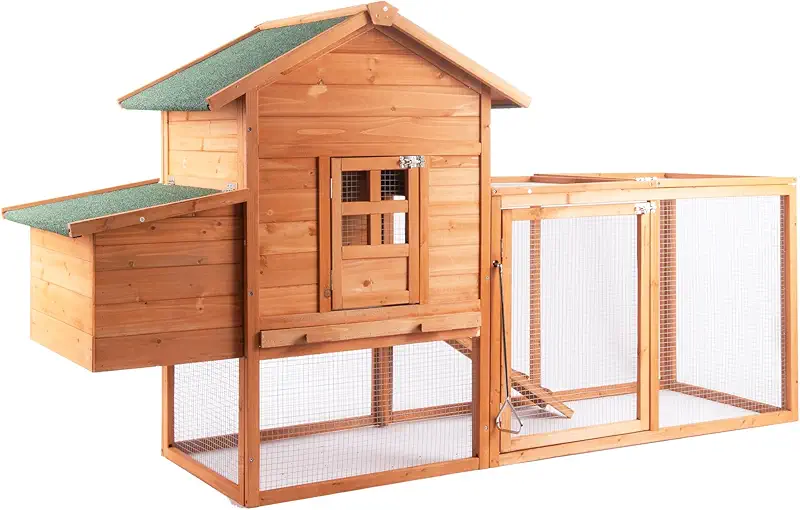
Some pre‑built coops shine once you add better wire and stronger latches.
Simple upgrades I always do
- Swap thin wire for ½" hardware cloth around the run and vents.
- Add extra screws in the frame joints and roof panels.
- Seal the roof edges and seams with outdoor caulk.
- Stain or seal the wood on the outside before the first rain.
When you mix the convenience of a Costco chicken coop style kit with the toughness of these little upgrades, you get something your hens can count on through wind, rain, and the occasional dog that doesn’t know its manners.
Nesting boxes and roosts: where the work gets done
A hen doesn’t ask for much: a dry, dark nest and a solid spot to sleep off the ground. If your coop gets those two things right, you’ll see more eggs and less drama.

Good roosts and nesting boxes matter more than fancy trim and decorations.
Nesting boxes
Many boxed coops claim space for four or five nesting boxes. Truth is, a small backyard flock can share two or three just fine. My girls always pick a favorite box anyway and line up like it’s the only bathroom in the house.
- Each box around 12" x 12" is plenty.
- Place them lower than the roosts so hens don’t sleep in them.
- Fill with clean shavings or straw, not bare wood.
Roost bars
A lot of Costco chicken coop style kits use narrow dowels as roosts. Chickens prefer a wide, flat spot where they can cover their toes in cold weather. I like a 2x4 turned flat side up. Not fancy, but the hens love it.
Make sure the roost is:
- Higher than the nesting boxes.
- Far enough from the wall so tails don’t rub.
- Strong enough to hold all your hens without sagging.
Setting up a Costco chicken coop in your yard
Where you put the coop matters almost as much as the coop itself. I learned that after one wet spring when I realized I had built right in a natural puddle. Let’s just say I spent more time hauling dry bedding that month than I did drinking coffee.

Look for a slightly raised, well‑drained spot with a bit of shade if you can find it.
Pick the right spot
- Choose a spot that drains well after a heavy rain.
- Give your hens some shade in summer and sun in winter.
- Keep the coop close enough that you don’t dread walking to it in a storm.
When you’re planning for a Costco chicken coop or any similar setup, picture yourself hauling water out there on a cold morning. If you’re grumbling just thinking about it, move it closer to the house.
Bed, feed, and routine
A good coop and a simple routine go hand in hand. Mine looks like this:
- Dry pine shavings on the floor and in the boxes.
- Fresh water twice a day in hot weather.
- Layer feed available all day, scratch grains as a treat.
- Quick daily check for leaks, droppings buildup, or loose boards.
You don’t need a fancy system. You just need to show up every day. Hens respect that. Well, as much as a bird with the brain the size of a walnut can respect anything.
Comparing a Costco chicken coop with other options
You might be wondering if you should get something local like a Costco chicken coop, build your own from lumber, or pick from the many boxed coops you’ll find online. I’ve done all three. Each approach has its place.

Different coop styles suit different yards, flocks, and winters.
| Option | Pros | Cons |
|---|---|---|
| Costco‑style pre‑built coop | Fast to set up, looks tidy, good for small flocks | Often smaller than expected, usually needs upgrades |
| DIY coop from lumber | Custom size and layout, very sturdy if built well | Needs tools, time, and a bit of building sense |
| Online boxed coops | Lots of designs, easy to compare features | Quality varies; photos can hide weaknesses |
I usually tell new keepers this: if you’re just starting with three or four hens, a Costco chicken coop style setup or a similar boxed coop can be a fine way to learn, as long as you’re willing to reinforce it a bit. If you catch the “chicken math” bug and suddenly want twelve hens, then it’s time to think bigger.
Keeping hens healthy in any Costco chicken coop
A coop is just the shell. Your care is what keeps those birds thriving. Over the years, I’ve noticed that folks who do well with hens do a few simple things the same way.

Clean, dry bedding and steady routines give you calmer hens and better eggs.
Cleanliness without fuss
I’m not the kind of farmer who scrubs everything till it shines, but I do like a coop that doesn’t smell like the back of a barn in midsummer. For a typical Costco chicken coop sized setup with four hens, I’ll:
- Scrape droppings off the roost board every few days.
- Top off the floor bedding weekly.
- Do a deeper clean every month or so, depending on weather.
If you open the coop and your eyes water from ammonia, your hens’ lungs aren’t happy either. More ventilation and fresh bedding, right away.
Watching the flock
I can tell how my flock is doing by the way they greet me at the coop door. If they rush up chattering, tails high, we’re in good shape. If they hang back or look droopy, I stop and watch a while.
No matter which Costco chicken coop style you choose, take a few minutes each day just to stand there and look:
- Are combs bright and eyes clear?
- Are droppings mostly firm, not watery?
- Is anyone sitting fluffed up in a corner?
Catching problems early is worth more than any medicine you can buy later.
When to upgrade from a Costco chicken coop
A small coop is like a starter home. It’s perfect at the beginning, a little tight later on. There’s no shame in outgrowing your first setup. In fact, it usually means you’re doing something right.

If you find yourself dreaming of more hens, it might be time for a larger coop.
Signs it might be time to look beyond your original Costco chicken coop style setup:
- You’re adding more hens than the coop can hold comfortably.
- You’re struggling with damp litter or heavy smell even with cleaning.
- The wood or hardware is getting tired after several seasons.
At that point, you might decide to build your own or look through a wider range of ready‑made coops that fit your new flock size. The nice part is, by then you’ll know exactly what you like and what you don’t.

Once you’ve kept hens a while, you’ll start to picture your “just right” coop.
Costco chicken coop FAQ
If you’ve read this far, I’m guessing those first hens are already clucking around in your imagination. Take your time, pick a coop that fits your yard and your winters, and don’t be afraid to tweak it until it feels right. Your flock will thank you in eggs.
Show me all coops