
Cute chicken coop
I have been raising hens here in the States longer than some of my neighbors have been alive. I have seen chicken coops that looked like palaces and some that looked like someone lost a bet. A cute chicken coop is nice on the eyes, sure, but it also needs to work in real farm life: mud, rain, foxes, and cold mornings before coffee.
On this page I will walk you through how I look at a cute chicken coop as a working farmer. We will talk about looks, yes, but also safety, cleaning, winter, summer, and what your hens quietly hope you will choose for them.
Let me browse calmly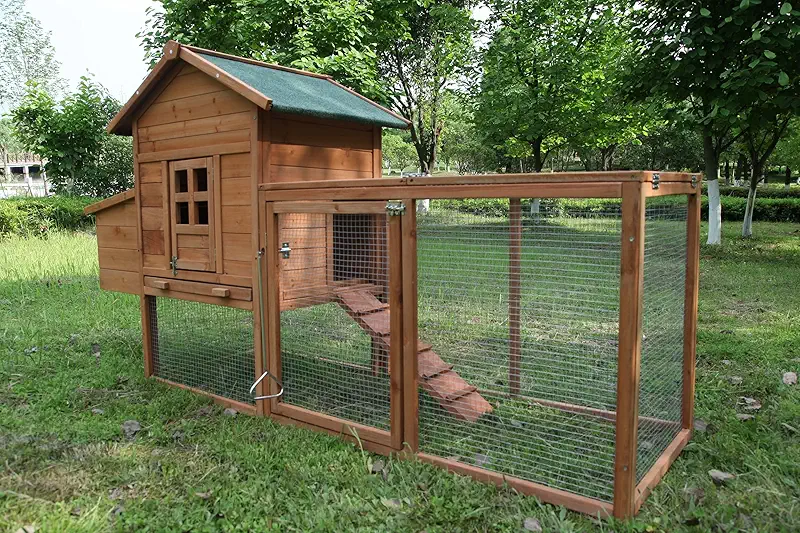
A good-looking coop that still keeps boots dry and hens happy – that’s the sweet spot.
What a “cute chicken coop” really needs to do
Out here, wind does not care how pretty your paint color is. Coyotes do not admire the trim work. When I choose a cute chicken coop, I start with three basic jobs it has to do for my birds:
- Keep them safe from predators, day and night.
- Keep them reasonably dry, warm in winter, and cool in summer.
- Be easy enough to clean that I will actually do it on a busy week.
Once those boxes are checked, then I look at the fun part: the shape of the roof, the colors, the little windows, and how it will look tucked into the yard. A cute chicken coop that fails at safety or comfort is just yard decor with a guilty conscience.
Key things I look for in a cute chicken coop
1. Solid frame and predator-proofing
I grew up in a place where raccoons treated the old coop like an all-you-can-eat buffet. My father learned the hard way. Now I do not play around with weak frames or flimsy latches, no matter how charming the design looks in pictures.
For a cute chicken coop that actually protects your flock, I look for:
- Sturdy lumber or metal that does not wobble when you push it.
- Real hardware cloth (the stiff wire mesh) instead of cheap chicken wire on exposed parts.
- Doors that close tight with a decent latch, not a loose hook that a raccoon can fiddle open.
- Raised floor or a solid bottom so critters cannot dig in easily.
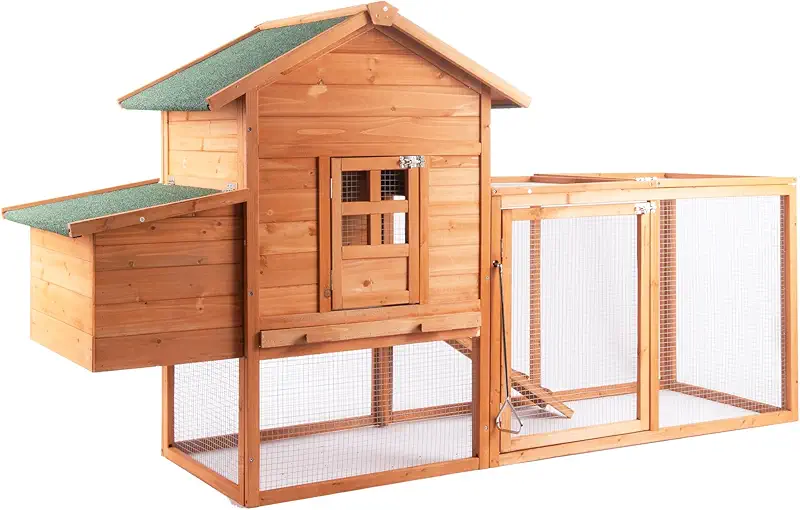
Some of the nicer-looking coops do a good job here: solid walls, small gaps, and a locked main door. Others are “cute” like a dollhouse – fine until a fox shows up. I always nudge new keepers to lean toward solid first, cute second. Thankfully you can usually get both.
2. Ventilation and weather sense
Hens breathe out a lot of moisture. Without enough airflow, you get damp air, frosty combs in winter, and that heavy ammonia smell that makes your eyes sting. A good cute chicken coop has small vents high up under the roof or screened windows you can adjust.
Here is how I think about it:
- Warm climates: more open-air sections, larger windows with strong mesh.
- Cold climates: fewer drafts at roost level, but steady air flow up high.
For weather, I like a decent overhang on the roof so the rain does not pour straight down inside when you open the door. A sloped roof in any cute style – cottage, barn, or modern – is worth its weight in dry socks.
Size, space, and how many hens your coop can really hold
Every box on the internet claims it “fits 6–8 chickens.” That number is usually written by someone who has never chased eight half-frozen birds back into a crowded coop at dusk. When I look at a cute chicken coop, I count space like this:

When you look at photos of a cute chicken coop, try to imagine full-sized birds in there. Do they have room to turn around on the roost? Can they get to the feeder without shuffling in a tight circle? Pretty trim does not make up for cramped feet.
Style and looks: making your coop cute without regretting it later
I enjoy a good-looking coop as much as anyone. My wife still laughs that I painted trim on the nesting boxes before I fixed the handle on the barn door. But I have learned how to keep a coop cute without painting myself into a corner.
Cute details that also help long-term
- Light colors: A white or pale coop with green or red trim looks classic and helps reflect summer sun.
- Windows with shutters: They look charming and let you control light and airflow.
- Flower boxes and planters: Great for herbs that can also be tossed in with the hens as treats.
- Nice roof lines: A little peak or dormer can look cheerful and still shed water well.

I also pay attention to color next to the house or garden. A cute chicken coop that matches the trim of your home or picks up the greens in your garden feels like it belongs, not like a random shed you dropped out back.
Things that look cute but can cause trouble
- Tiny doors: Adorable in pictures, frustrating when you are trying to haul out a big waterer or a sick hen.
- Too many little corners: Fancy trim and nooks collect dust, cobwebs, and droppings you will have to scrape someday.
- Low rooflines: Charming cottage style can mean hunching over every time you go inside.
When you browse for a cute chicken coop, trust your knees and your lower back. They will still be with you after the first season. A pretty picture is nice; being able to stand while you clean is nicer.
Daily life with a cute chicken coop: what actually matters
Let me tell you about my neighbor, Sarah. She started with three hens and a tiny coop she called “The Hen Hilton.” It was cute, I will give her that – little heart cutout on the door and all. Six months later she had doubled her flock, tripped over the feeder twice, and finally came over to my place to ask how to make chores easier.
What she had learned, and what I will pass on to you, is this: every cute chicken coop lives or dies on the small daily things.
Doors, access, and cleaning
My knuckles have known too many coop doors. Now I look for:
- A full-size access door for you, not just a tiny chicken door.
- Removable trays or floors that you can slide out and dump, instead of crawling in.
- Nesting boxes that open from outside so you can collect eggs without stepping in fresh droppings.

If a cute chicken coop gives me good access, I do a better job cleaning and checking birds. If it makes me crawl, I avoid the hard jobs, and things pile up. Hens always know when you are cutting corners. They may not talk, but their health and egg shells will tell the story.
Feeders, waterers, and mud control
Even the cutest coop turns ugly if the area around it becomes a muddy mess. Here is what I do:
- Keep the main waterer just inside the run where the roof gives some shelter.
- Use a little gravel or wood chips near the entrance to fight mud.
- Hang feeders at about shoulder height to the hens to cut down on waste.
When you are looking over different cute chicken coop designs, think about where the feed and water will go. You want room to move around them without stepping on toes.
Seasonal care: making your cute coop work year-round
Here in the U.S., seasons keep us honest. A coop that seems perfect in April might show its weak spots by January or August. That is why I check how each cute chicken coop handles both cold snaps and heat waves.
Winter: cold, drafts, and frozen combs
Chickens handle cold better than damp. If the coop is dry and out of the wind, they will fluff up like little feathered balls and be fine. But if there are gaps at their level, icy air slips across roosting birds and you start to see trouble.
For winter I like:
- Vents up high, not at roost height.
- Room to add a bit of extra bedding without blocking the door.
- Strong latches that do not freeze shut easily.
Summer: shade and fresh air
My hens complain more about July than January. A cute chicken coop with dark paint sitting in full sun can get brutally hot. Look for light colors, some shaded side, or the option to add a simple awning or tree cover nearby.

Plenty of ventilation on the warmest side, a way to open windows or panels safely, and access to cool, clean water will keep both hens and keeper a lot happier. A pretty coop sitting in the shade with a little breeze is about as peaceful as it gets on a summer evening.
Matching the right cute chicken coop to your life
Before you settle on any one cute chicken coop, I like to ask a few simple questions – the same ones I ask neighbors when they come by thinking about hens.
1. How much time do you really have?
If you work long days and only see the coop at dawn and dusk, make sure chores are fast: doors easy to reach, feed and water close by, nothing fussy. A fancy little ladder or awkward latch might be “charming” now and annoying by November.
2. Do you plan to grow your flock?
Almost everyone I know who starts with “just three hens” ends up with more. A cute chicken coop that holds 4–6 comfortably might serve you better than the absolute smallest one on the page.
3. Where is the coop going?
Think about how far you will walk in winter, where the snow piles up, and how hoses or extension cords might run. Also, be kind to your neighbors – a nice-looking coop, well-kept, goes a long way toward keeping everyone smiling.

Once you are clear on your time, flock size, and placement, looking through different cute chicken coop styles becomes easier. The ones that fit your life bubble up to the top, and the rest are just pretty pictures.
My personal routine inside a cute chicken coop
To give you a sense of real life, here is how a normal day goes with my own little flock and their good-looking, hard-working coop.
Morning: I step out with coffee in one hand and feed in the other. I open the main door, check that everyone looks bright-eyed, and peek at the bedding. If it is just lightly soiled, I stir it around a bit. If it is bad, I take ten minutes to scoop and refresh. Cute or not, a coop smells better when it is not neglected.
Midday: If I am around, I listen for normal hen chatter. Quiet, content clucking usually means all is well. Sudden commotion can mean a predator, an egg drama, or somebody being bossier than usual.
Evening: I count birds on the roost, shut doors, check latches, and make sure vents are set for the weather. Quick glance at the feeder, quick glance at the water, then lights out.
A cute chicken coop that fits your chores will not feel like work; it will feel like a small, peaceful part of your day. And let me tell you, a basket of warm eggs in your hands is worth every minute you put into doing it right.

FAQ about choosing a cute chicken coop
Ready to pick your own cute chicken coop?
If you have read this far, I am guessing you care about your hens more than just as lawn ornaments. That is good company to be in. Take your time, trust your gut, and picture your daily chores as much as you picture the photos.
When you are ready to look through different shapes, sizes, and styles, you can wander through a wide range of chicken coops and see what fits your yard and your flock best.
I’ll explore options