
Defender chicken coop
I've been raising laying hens out here in the countryside longer than I care to admit. I've seen flimsy coops blown across the yard, doors chewed by raccoons, and one roof that leaked so bad my hens looked like they were auditioning for a synchronized swimming team. That is why I care a lot about building what I like to call a real Defender chicken coop – a coop that actually protects your birds day and night.
When folks ask me what matters most for a good coop, I always say the same three words: safety, dryness, and calm. If your hens feel safe from predators, stay dry in a storm, and have a calm place to roost, they will lay better, live longer, and give you fewer headaches. On this page I’ll walk you through how to think about a Defender-style coop, how to set it up, and what I’ve learned the hard way so you don’t have to.
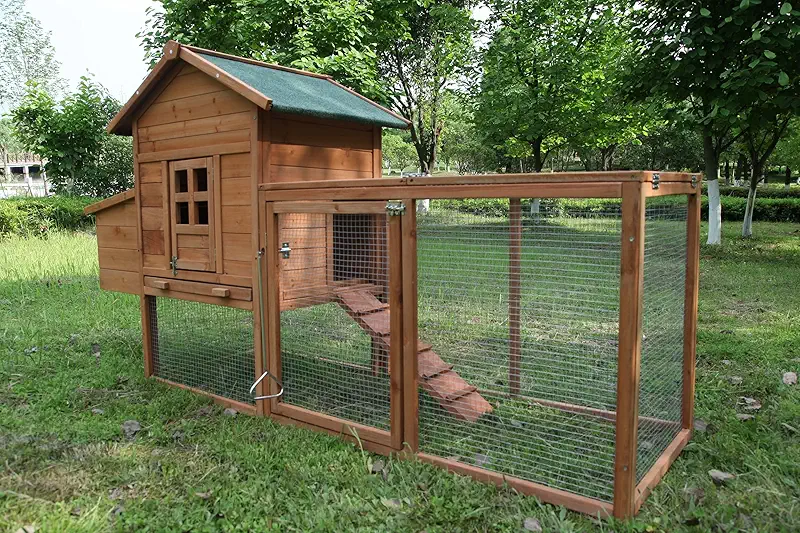
What I Mean By A “Defender Chicken Coop”
When I say Defender chicken coop, I’m not talking about a fancy brand name. I’m talking about a coop that stands between your hens and just about everything that wants to bother them – raccoons, foxes, coyotes, weasels, neighborhood dogs, wind, rain, and summer heat. A coop that defends your birds while you’re sleeping warm in your own bed.
I’ve tried a little bit of everything over the years: homemade sheds, repurposed garden houses, and several store-bought chicken coops that looked great in pictures but sagged after the first hard winter. The ones that really worked shared a few simple traits:
- Solid frame that doesn’t wiggle when the wind kicks up.
- Real predator protection – not just thin wire stapled in a rush.
- Good ventilation without turning the coop into a wind tunnel.
- Dry, raised floor so bedding doesn’t stay soggy.
- Easy access for a tired farmer with a feed bucket and a bad back.
Keep those points in mind while you look at different coops, and you’ll start to see right away which ones are pretenders and which ones are real defenders.
Predator Protection: The “Defender” Part Of The Coop
Out here, everything likes chicken. I’ve lost birds to clever raccoons and to a fox that was patient enough to visit every night until he finally found a weak spot. That weak spot was a loose latch on the old coop door. One small mistake cost me four of my best layers. I still think of that night every time I close up my Defender chicken coop.
So when you’re choosing or setting up a coop, look at it the way a raccoon would. Ask yourself, “If I had nimble little hands and all night to work, could I get into this?” Here are the big predator details I always check:
- Doors that close tight with solid latches, not flimsy hooks.
- Hardware cloth (the sturdy wire mesh) instead of cheap, thin chicken wire.
- Wire buried or flared out at the base so diggers can’t tunnel in easily.
- No gaps larger than your thumb, especially near the roof and corners.
- Strong roof panels that a raccoon can’t pry up like a tin can lid.
I walk around my coop twice a year with a flashlight at night. I shine it from the inside and look for any place where light leaks out. If light leaks, a weasel might, too. Fix those spots with screws, extra wood, or more hardware cloth before a predator finds them.
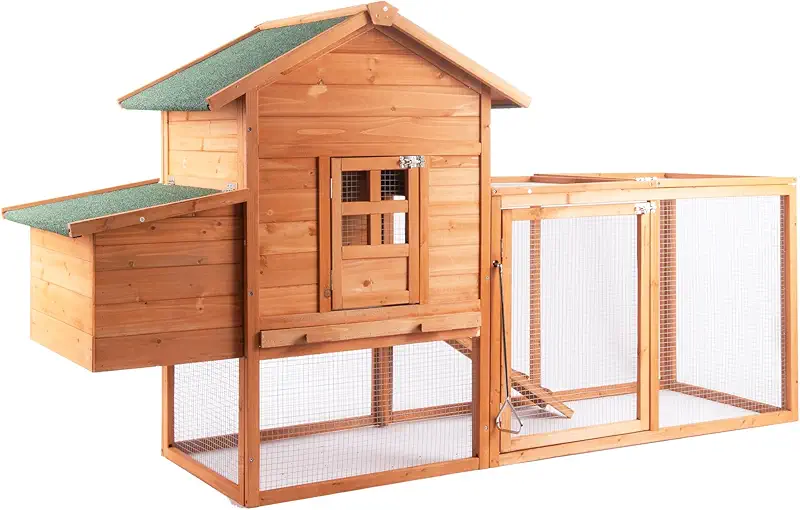

A coop that keeps your birds alive is worth more than any fancy paint job or cute little window shutters. The prettiest coop in the world isn’t much good if a raccoon can open the door.
Space, Layout, And Comfort For Happy Layers
A Defender chicken coop isn’t only about keeping predators out. It also has to feel good for your hens inside. Stressed, crowded birds don’t lay well, and they start bad habits like feather picking and egg eating. Think of the coop as a small barn: it needs enough room, the right furniture, and a sensible flow.
How Much Space Do Hens Really Need?
As a rule of thumb, I aim for about 4 square feet of indoor coop space per bird, plus 8–10 square feet of run space outside. If you keep bigger breeds like Orpingtons, give them a little more elbow room. They’re like big farm trucks; they just don’t turn as easily as the small models.
It’s tempting to squeeze “just a few more hens” into a coop, especially when you see those egg cartons looking empty. But every time I’ve tried to crowd my flock, I ended up regretting it. More pecking, more mess, and not one extra egg to show for it.
Perches, Nesting Boxes, And Traffic Flow
Inside my current Defender-style coop, I keep it simple:
- Sturdy roost bars, about the thickness of a broom handle, with rounded edges.
- Plenty of roost space so hens aren’t stepping on each other’s toes at night.
- Nesting boxes slightly lower than the roosts, filled with dry bedding.
- A clear path from door to feeder to waterer, so I don’t trip first thing in the morning.
You don’t need fancy furniture for chickens. They care more about being dry and safe than having rustic décor. Still, a good layout will keep cleaning easier, and that means you’ll stay more consistent with it.
Ventilation, Weather, And Year-Round Comfort
A lot of new chicken keepers worry about cold more than anything. But most breeds handle cold better than damp air. The secret is good ventilation without drafts. A proper Defender chicken coop lets moist air and ammonia rise and escape, while keeping wind off the birds at roost height.
In my coop, I keep vents up near the roof, and I can close or partly cover them when winter gets real mean. The walls are tight, the roof doesn’t leak, and the floor is raised. When we had a week of sideways rain, my hens stayed dry as old church hymnals.


Summer Heat
Where I live, summers get hot and humid enough to make a farmer think about taking up ice cream as a full-time job. Hens handle cold better than heat, so in summer I open every vent I can without opening up big gaps. Shade on the coop roof, decent airflow, and cool water are more important than heavy insulation where the climate runs hot.
Winter Cold
In winter, I focus on blocking drafts on the birds while keeping air moving up high. Deep, dry bedding helps a lot. I’ve had hens scratching around in a warm patch of straw on days where the windchill would make you question your life choices.
One winter, I experimented with a small heater. I stopped pretty quick. It wasn’t worth the fire risk, and the birds did fine with just good ventilation and bedding. Hens in a solid Defender chicken coop with protection from wind and moisture usually cope with cold just fine.
My Daily Routine Inside A Defender Chicken Coop
People sometimes imagine you need all day to care for hens. Truth is, with a good coop setup, daily chores are quick and almost peaceful. My routine fits in between coffee and starting up the tractor.
- Open the coop door at sunrise (or use an automatic door if I’m feeling fancy).
- Check feed and water; top off if needed.
- Glance at each hen – eyes bright, feathers tidy, no one limping.
- Quick look for signs of digging or chewing around the coop edges.
- Collect eggs in late morning or early afternoon.
Once a week I do a deeper clean, turning or replacing bedding, scraping droppings under the roosts, and checking all the latches and hinges. Ten or fifteen minutes of work keeps the whole operation running smooth.
When you pick or set up a Defender chicken coop, think about your future self on a cold, wet Tuesday morning. Make sure the door opens easy, the roof doesn’t dump water down your neck, and you can reach the nesting boxes without twisting like you’re doing yoga. Your back will thank you later.
Choosing A Defender Chicken Coop For Your Backyard
Not everyone has time, tools, or lumber prices to build a coop from scratch. That’s where ready-made or kit-style coops come in handy. I’ve put together and used several, and the difference between a decent Defender-style coop and a flimsy headache shows up pretty fast.
When I look at ready-made options, I pay attention to:
- Frame strength: Does it feel solid if you give it a shake?
- Predator mesh: Real hardware cloth is worth its weight in eggs.
- Roofing: Will it shed water, snow, and leaves without sagging?
- Access doors: Can I reach eggs, feeders, and bedding easily?
- Room to grow: Might I want a few more hens later on?
I’ve noticed some Defender-style coops are modular or expandable. That’s handy, because once folks get a taste of fresh eggs, they often decide six hens just isn’t enough. Ask me how I know. Let’s just say I started “with a few” and ended up with a flock big enough to gossip about.


Raising Laying Hens In A Defender Chicken Coop: My Best Advice
A good coop sets the stage, but your daily habits keep the show running. Over the years, I’ve learned a few simple rules that make a big difference for laying hens.
Feed And Water
I use a quality layer feed and keep clean water in the shaded part of the run whenever possible. Hens drink more than folks think, especially in hot weather. A thirsty hen is a cranky hen, and cranky hens aren’t very generous with their egg baskets.
Nesting Boxes
I like about one nesting box for every three or four hens. I keep the boxes dim, quiet, and lined with dry shavings or straw. If I see eggs on the floor, that’s usually the birds telling me something’s not quite right with the boxes – maybe too bright, too drafty, or too full of yesterday’s mess.
Routine
Chickens love routine. Same feeding time, same lock-up time, same gentle voice. Yes, I talk to my hens. No, I don’t expect them to answer. Though I swear a few of them roll their eyes when I’m late with breakfast.
Keep your Defender chicken coop tidy and predictable, and your hens will reward you with steady eggs and calmer behavior.
Thoughtful Defender-Style Coop Options To Explore
If you’re the kind of person who likes to look at several ideas before settling on one, you’re in good company. I’m the same way, especially when it comes to sheltering animals. Below are a few types of Defender-style setups many backyard keepers appreciate.
Compact Defender Coops For Small Yards
These are ideal if you’re keeping a handful of hens in a tighter space. Look for a sturdy run attached to a sheltered sleeping area, with at least a couple of real latches and wire that feels firm under your fingers.
Let me see moreWalk-In Defender Coops With Extra Room
If you plan to keep a bigger flock or value being able to walk inside without ducking, a walk-in Defender chicken coop can be a blessing. Cleaning, egg collection, and winter chores all get easier when you can just step right in.
I want that easeMobile Defender Tractors For Fresh Grass
A Defender-style coop on wheels lets you move hens to fresh ground while still protecting them from predators. If your lawn grows faster than you can mow, the hens will happily help with that arrangement.
Show me optionsWhichever path you take, remember: the best coop is the one that keeps your birds safe and makes it easy for you to care for them every day, not just on sunny Saturdays.
Defender Chicken Coop – Common Questions
How many hens can I keep in a Defender chicken coop?
I plan for about 4 square feet of indoor coop space per hen and at least 8–10 square feet per hen in the outdoor run. If a coop is advertised for “8 hens” but the floor space is only about 16 square feet, I treat it as a 4-hen coop. Your birds will be calmer, cleaner, and better layers if they aren’t packed in like rush-hour commuters.
Is a Defender chicken coop safe against raccoons and foxes?
It can be, if you set it up right. Use hardware cloth instead of thin chicken wire, make sure doors have solid latches that can’t be flipped open easily, and check corners and roof edges for gaps. I also like to add an apron of wire around the base so diggers run into metal instead of slipping underneath.
Do I need to insulate a Defender chicken coop for winter?
In most places, good ventilation and dry bedding matter more than thick insulation. A well-built Defender chicken coop with wind blocked at roost height and plenty of dry straw or shavings will carry most standard breeds through winter just fine. If your winters are brutal, you can add windbreaks and extra bedding before you start plugging in heaters.
How often should I clean a Defender chicken coop?
I do light cleaning every few days – freshen up bedding where it’s wet and scrape under the roosts. Once a week I do a more thorough tidy. Then a couple of times a year, I do a deep clean: remove all bedding, wash or disinfect surfaces, and check for repairs. A little regular work keeps smells down and eggs cleaner.
Can beginners start with a Defender chicken coop?
Absolutely. In fact, I think it’s the best way to start. A secure, well-laid-out coop gives new keepers some breathing room while they learn. If the coop does most of the protecting and organizing, you can focus on feed, water, and getting to know your birds instead of chasing problems every night.
Ready To Explore More Defender-Style Coops?
If your mind is already picturing hens scratching in the yard and a basket of warm eggs on the kitchen counter, you’re halfway there. The next step is finding a Defender chicken coop that fits your space, your flock, and your daily routine. Take your time, trust your gut, and remember: the best coop is the one you’ll be happy to walk out to every morning.
Let me browse coops