
Diatomaceous Earth Chicken Coop
Diatomaceous Earth Chicken Coop
I’ve been raising laying hens out here in the States for more years than I care to count, and I’ll tell you this: once I started using diatomaceous earth in the chicken coop, life got a whole lot easier for me and a whole lot calmer for my hens.
On this page I’ll walk you through how I use food‑grade diatomaceous earth in my own diatomaceous earth chicken coop: where I put it, how much I use, what it actually does, and a few farmer mistakes you’ll want to avoid. No fuss, no fancy talk, just clear advice from a fellow chicken keeper who still has straw stuck to his boots.
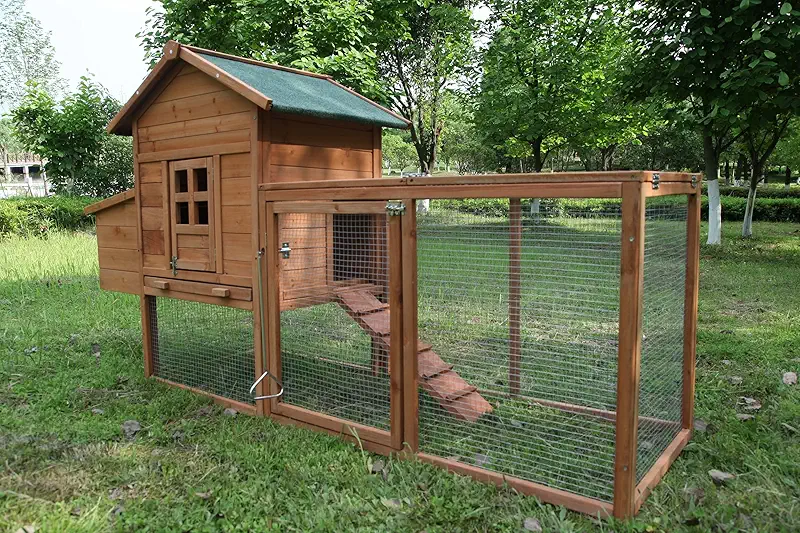
Why I Trust Diatomaceous Earth in the Chicken Coop
Let me start with a quick story. Years back, before I knew any better, I walked into the coop one evening and every hen on the roost looked restless. Feathers puffed, lots of scratching, a few bald spots on the hens that the rooster favored a bit too much. I flipped a couple of birds over and, sure enough, there they were: tiny mites running around like they owned the place.
I tried the usual farm‑store sprays. The coop smelled like a chemical factory, and my head hurt worse than Monday morning. That’s when an old neighbor of mine, Earl, leaned on the fence and said, “Son, you ever tried diatomaceous earth? My birds haven’t seen a mite in years.”
Since then, my diatomaceous earth chicken coop routine has kept mites and lice under control, calmed down odors, and left my ladies laying steady without me dumping chemicals where they sleep and lay.
- Helps control mites, lice, fleas, and other crawlers
- Keeps bedding drier and less smelly
- Makes dust baths more effective
- Helps protect roosts and nest boxes where pests like to hide
What Diatomaceous Earth Actually Is (In Farmer Words)
Diatomaceous earth, or DE if you like saving breath, is a soft rock made from fossilized tiny water creatures called diatoms. When it’s ground down, it looks and feels like a fine white powder, kind of like flour, only it’s not for baking.
Under the microscope, those tiny particles are sharp as broken glass to bugs and small parasites, but gentle on your hens when used the right way. The dry powder scrapes and dries out soft‑bodied pests like mites and lice. They crawl through it, get scratched up, lose moisture, and that’s the end of them.
Used properly, a diatomaceous earth chicken coop acts like a quiet, always‑on bouncer for unwanted bugs. No loud sprays, no strange smells, just a fine powder that does its work day after day.
Where I Put Diatomaceous Earth Inside the Coop
I don’t just throw DE everywhere and hope for the best. Over the years I’ve found a simple routine that keeps things under control without wasting product or bothering the birds.
1. Under and Around the Roosts
Mites love the roosts. They hide in the cracks, wait until dark, then crawl onto your hens when they’re half asleep. In my diatomaceous earth chicken coop, I sprinkle a light layer of DE on the floor directly under the roost bars and rub a bit onto the top surfaces of the bars themselves.
Once every couple of weeks, I scrape droppings off, let things dry, then freshen that layer of DE. If you’ve got wooden roosts with cracks, rub a little powder right into those cracks with a glove.
2. In Nesting Boxes
Nothing makes a hen sassier than a buggy nest box. I mix a small handful of DE into the nesting material as I change it. Straw, shavings, hay—whatever you use—just toss in a bit of DE and mix it so it’s not sitting there in a big pile.
I like to keep a small bucket of DE right by the coop door. That way I remember to give the roosts and nests a quick touch‑up while I’m collecting eggs. Simple habits keep the bugs guessing.
3. On the Coop Floor and Bedding
Whether you’re doing the deep litter method or cleaning frequently, a diatomaceous earth chicken coop benefits from a light dusting on the floor before you put fresh bedding down. I emphasize “light” here; you’re not frosting a cake.
I shake just enough to barely coat the surface, then spread the bedding on top. The DE helps keep the base drier and a little less smelly, and it discourages creepy crawlers from setting up shop under the litter.

Dust Baths: The Heart of a Happy Diatomaceous Earth Chicken Coop
If there’s one thing hens love almost as much as fresh feed, it’s a good dust bath. I joke that my girls are running a little day spa out by the barn. Dust bathing is how they stay clean, loosen dander, and naturally knock off some of the external parasites.
To make the most of a diatomaceous earth chicken coop, I always keep a dust bath area ready to go. Sometimes it’s an old tractor tire, sometimes a low wooden box, sometimes just a dug‑out spot under the coop roof where the rain can’t get it.
Here’s the simple mix I use for my dust bath:
- 2 parts dry dirt or sand
- 1 part wood ash (from a clean wood fire, no trash or treated lumber)
- A cup or two of food‑grade diatomaceous earth mixed in
I stir it together so the DE is evenly spread. The hens hop in, fluff around, and work that mix down to the skin where mites and lice like to hide. You’ll see them closing their eyes, rolling onto one side, and just enjoying life. If there was ever a sign of a content flock, that’s it.
How Much Diatomaceous Earth Do I Use?
Over the years I’ve learned that with DE, more isn’t always better. A diatomaceous earth chicken coop should have just enough powder to do the job without filling the air with dust.
- Under roosts: About a thin dusting you can still see the floor through.
- In nest boxes: A small handful mixed into each nest’s bedding.
- On the floor: A light shake across the floor before bedding; don’t turn it into a snowstorm.
- Dust bath: Around a cup or two mixed into several gallons of dirt/sand/ash.
I like to say: “If you can write your name in it, you used too much.” A diatomaceous earth chicken coop works best when the DE is where bugs crawl, not swimming around in the air where you and your hens are breathing.
Safety Tips for Using Diatomaceous Earth With Chickens
Simple rules that keep everybody breathing easyI treat diatomaceous earth with respect. It’s natural, but that doesn’t mean you should act like it’s powdered sugar. Here’s how I keep my diatomaceous earth chicken coop safe for everyone:
- Use food‑grade only. There’s also pool‑grade DE, which is processed differently and not for animals.
- Avoid big clouds. Sprinkle low and slow so you’re not stirring up dust.
- Wear a simple dust mask when you’re doing a big clean‑out or spreading a new layer.
- Keep it dry. Wet DE clumps and doesn’t work well until it dries again.
- Don’t overdo it on the birds. I let the hens use dust baths rather than coating them like fried chicken.
Remember, a diatomaceous earth chicken coop is about steady, quiet protection. Think of it like a watchful barn cat, not a raging bull.

I only spread DE when the birds are outside if I can help it. Let the dust settle, then invite them back in with a rattle of the feed bucket.
Real‑World Results From My Own Henhouse
When I first switched to a diatomaceous earth chicken coop, I didn’t expect miracles. I’m a farmer, not a dreamer. But after one month of steady use, I noticed a few things:
- Hens were scratching themselves less on the roost at night.
- Bald spots started to fill in, aside from the usual rooster “love marks.”
- Egg production steadied out after a rough molt and mite problem.
- The smell in the coop stayed manageable longer between cleanouts.
I still check my birds regularly. Once in a while I’ll flip a hen over, part the feathers around the vent, and look for crawling mites or clumps of eggs along the feather shafts. With DE in the mix, those checks have gotten a lot more boring—and that’s good news in my book.
Does DE solve everything? Of course not. If you let the coop get soaked and filthy, no powder on earth will save you. But used in a clean, dry, well‑ventilated coop, DE is one of the quiet helpers that keeps the whole system running smooth.
Diatomaceous Earth Chicken Coop: Choosing Setups That Work With DE
Some coop designs work better with diatomaceous earth than others. Over the years, I’ve built, bought, and cobbled together more coops than I’d like to admit. A few of them taught me what not to do real quick.
When you’re planning a diatomaceous earth chicken coop, here are features that play nicely with DE:
- Solid floors (wood or concrete) that let you sprinkle DE and bedding without it falling through.
- Removable roosts and trays so you can scrub, dry, and re‑dust them with DE as needed.
- Good ventilation high up so any dust that does stir settles out and fresh air keeps birds comfortable.
- Accessible nest boxes that you can easily empty, dust, and refill from outside or from a walkway.
Openings that bring in wind right at bird level aren’t ideal, especially when you’re using DE. Gentle airflow is what you want, not a dust storm that blasts your hens off the roost.
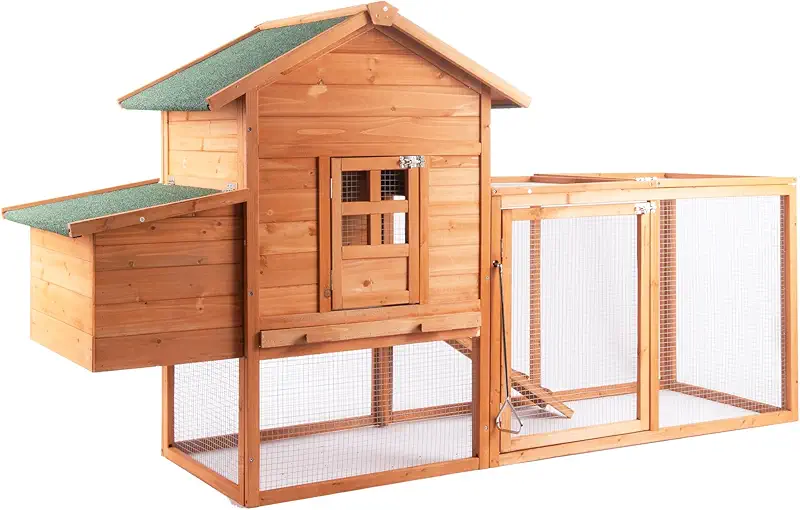
Coop Ideas That Fit a Diatomaceous Earth Routine
Every farm and backyard is different, but I’ll share three types of coops that have worked well with my DE routine. No fancy promises here—just what has held up to real weather, real chores, and real birds.

Walk‑In Coop for Bigger Flocks

Backyard Tractor‑Style Coop

Elevated Coop With Run Underneath
Common Mistakes With Diatomaceous Earth (I’ve Made Most of Them)
Building a diatomaceous earth chicken coop isn’t hard, but there are a few traps I’ve stepped in so you don’t have to.
- Dumping huge piles of DE. Looks impressive, doesn’t work better, and just kicks up dust when the birds scratch.
- Using it in a damp coop. If your roof leaks or bedding stays wet, DE clumps and loses its edge. Fix the moisture first.
- Thinking DE replaces cleaning. It doesn’t. I still scrape roosts, change bedding, and shovel out manure. DE is a helper, not a miracle worker.
- Forgetting the dust bath. Just spreading DE on the floor is only half the battle. The birds do their best work in a good dust bath.
When you avoid those mistakes, a diatomaceous earth chicken coop becomes one of those “set it and check it” systems that doesn’t steal much of your day.

My birds don’t need perfection; they just need steady habits. A few minutes with DE during normal chores saves me from big battles later.
FAQ: Diatomaceous Earth Chicken Coop Questions
Used correctly, food‑grade diatomaceous earth has been safe for my laying hens for many years. I keep the amount moderate, avoid creating dust clouds, and focus it where bugs crawl—roosts, nest boxes, floor under bedding, and dust baths. My hens keep laying and acting normal, and I still get clean, good‑shelled eggs for the breakfast table.
Some folks do, but I focus on using DE in the coop and dust bath rather than the feed bucket. I’d rather not breathe extra dust when I’m scooping feed, and my birds do just fine with DE working on the outside where mites and lice live. Talk with a poultry‑savvy vet if you’re thinking about feeding it regularly.
In my diatomaceous earth chicken coop, I touch things up about every couple of weeks, or whenever I do a bigger cleanout. Roosts and nest boxes get fresh DE when I scrape and refill bedding. The dust bath gets topped up when I notice the mix getting thin or damp. If I ever see signs of mites, I tighten up that schedule until they’re gone.
If mites have already taken over, DE by itself might not be fast enough. I’ve had times I had to deep‑clean the whole coop, change all bedding, hit cracks and corners hard with DE, and give the birds extra dust bath time. Sometimes folks add other treatments under a vet’s advice. Once the crisis passes, DE shines as the day‑to‑day partner that helps keep problems from coming back.
Yes, and I do. In a deep litter diatomaceous earth chicken coop, I put a light dusting on the floor, then add shavings or straw on top. As I turn the litter and add more, I use small amounts of DE along the way. It helps keep odors under control and discourages pests in the lower layers. Just remember, good ventilation and reasonably dry litter are still the real backbone of deep litter success.
If you’re ready to give your hens a cleaner, calmer home and build your own diatomaceous earth chicken coop, it helps to start with a coop that’s easy to clean, easy to dust, and easy to live with day after day.
Take a quiet moment, think about your flock size, your weather, and how much bending your back can handle, then look through the different coop styles available. Somewhere in there is a setup that will fit both your birds and your chores just right.
Let me browse coops