
When folks ask me about Diy chicken coop ideas, I always smile. A good coop is a bit like a good pair of work boots: it does not have to look fancy, but it needs to hold up, feel right, and make your day easier. I have built coops out of old barns, shipping pallets, and once a half-collapsed garden shed my wife swore was headed for the burn pile.
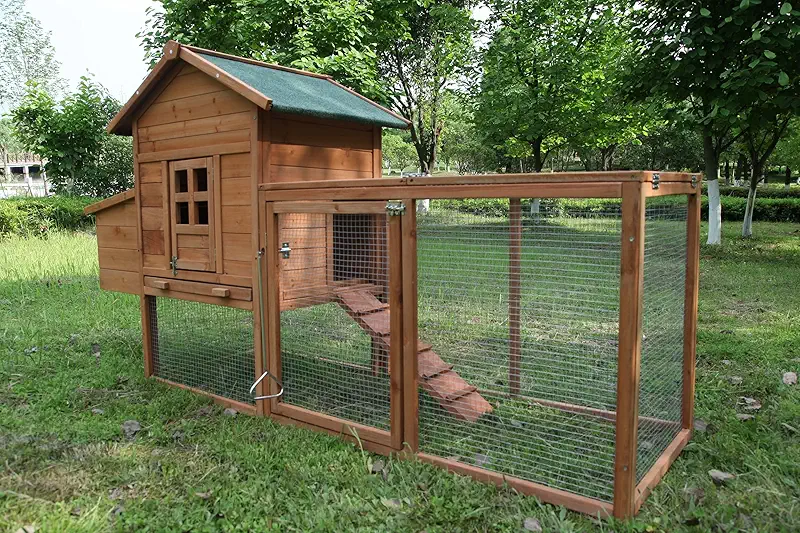
Before you cut the first board, you need to think like a chicken and like the tired farmer who has to drag himself out there in the rain. Your birds want safety, dryness, and a little privacy. You want something you can clean fast, reach into without crawling, and trust when the coyotes start singing at night. Diy chicken coop ideas that ignore those two sides will cost you feathers and patience.
Start With The Right Size And Location
Over the years, I have learned that cramped hens are cranky hens, and cranky hens peck each other and stop laying. Aim for about 4 square feet per bird inside the coop and at least 8 to 10 square feet per bird in the run. So if you want a dozen hens, think roughly a 6x8 coop and a good-sized fenced yard.
Place the coop on the highest dry spot you have. Water is the enemy of wooden coops and healthy feet. I made one mistake early on building a coop at the bottom of a little slope because it was “close to the house.” After the first spring melt, I had a mud pit, sore legs, and some very unhappy birds. I tore that coop down after two seasons and never made that mistake again.
- Keep the coop above any standing water or soggy ground.
- Face windows and pop doors toward the morning sun if you can.
- Leave enough room to push a wheelbarrow nearby for easy cleaning.
Simple Diy Layout That Just Works
You do not need a Pinterest palace to keep hens happy. Think of the inside of your coop like a tiny barn: one side for roosting, one side for nesting, and a clear path for you to walk in and clean. I like a people door on the front, a clean-out door on one side, and a little pop door for the chickens opening into the run.
Roosts: Where Your Ladies Sleep
Chickens like to sleep up off the ground. Use 2x3 or 2x4 boards laid flat, not round dowels. Flat boards keep their feet warm in winter and prevent foot problems. I usually set the roost about 18–24 inches off the floor, with at least 8–10 inches of perch space per bird.
Do not stack roosts like a ladder unless you like cleaning poop off the lower birds. I learned that the hard way, and the ladies let me know about it. Now I keep all my roosts at the same height, spaced about 12–14 inches apart.
Nesting Boxes: Where The Magic Happens
For most backyard flocks, a good rule is one nest for every three to four hens. Each box around 12 inches deep, 12 inches wide, and 12 inches tall will keep them comfortable. I like my boxes a little lower than the roosts so they do not decide to sleep in them. Nothing ruins breakfast like a nest box full of droppings.
Some of my favorite Diy chicken coop ideas come from using what you already have: milk crates, old wooden crates, even cut-down plastic barrels can make fine nest boxes. Just make sure they are sturdy, shaded, and easy to reach from the outside, so you can collect eggs without wading through the whole flock.

Ventilation: Fresh Air Without Drafts
If there is one thing new chicken keepers forget, it is ventilation. You are not building a refrigerator; you are building a small house full of warm, breathing animals that poop. Moist, stuffy air leads to frostbite and sickness.
Put vents or windows up near the roofline so moisture can escape without cold air blowing straight on the birds. On my coops, I like openings along the top of the long walls, covered with hardware cloth, with simple shutters or flaps I can close during storms. In summer, I open them wide; in winter, I leave just enough crack for air flow.
- Use ½ inch hardware cloth over all vents and windows, never regular chicken wire.
- Aim for high vents, low drafts. Birds should feel still air where they sleep.
- If it smells “chickeny” to you, it is too strong for them. Add more ventilation.

Predator-Proofing Your Diy Coop
Out here, everything seems to love chicken as much as we do. Raccoons, foxes, coyotes, dogs, weasels, even the neighbor’s cat if it is feeling brave. A coop that is not predator-proof is just a snack bar that has not opened yet. I would rather overbuild one time than find a pile of feathers one morning.
Use real hardware cloth, not chicken wire. Chicken wire keeps chickens in; it does not keep hungry critters out. I bury a hardware cloth apron about 12–18 inches out from the base of the coop and run, just under the soil or under a layer of rocks. When a fox tries to dig, it hits that mesh and usually gives up.

Doors And Latches That Outsmart Raccoons
Raccoons have hands like tiny burglars. If a toddler can figure out your latch, so can they. Use strong barrel bolts, carabiners, or locking latches on all doors and nest box lids. I like to give every outside opening two steps to open. It takes me an extra second, but it has saved a lot of chickens.
One of my neighbors lost half her flock in one night because of a simple hook-and-eye latch. That raccoon opened it like it had been reading manuals. We fixed it the very next day with proper hardware.
Flooring And Bedding: Keeping Things Dry And Manageable
I prefer a solid raised wooden floor over bare dirt for small to mid-size coops. It keeps rodents from tunneling in and makes cleaning simpler. I usually set the floor 12–16 inches off the ground, high enough for air flow under the coop and low enough that I am not climbing a ladder with a bucket.
For bedding, I am a big fan of pine shavings or dry straw. I use the deep litter method in some of my coops: I start with a clean floor, add a few inches of shavings, and turn it over now and then while adding fresh layers on top. It breaks down into a nice compost and keeps the coop warmer in winter.

- Never let bedding stay soggy. Wet litter means cold birds and health problems.
- Keep feed and water off the floor with simple stands or hanging systems.
- Use a wide door or side flap so you can rake bedding straight into a wheelbarrow.
Easy-Clean Diy Chick Coop Features
When I was younger, I did not worry much about bending and hauling. These days, my back votes in every decision. A good Diy chicken coop idea puts cleaning right at the center. If it takes you half an hour to scrape and sweep, you built it wrong. Aim for five to ten minutes of daily work and a good deep clean now and then.
I like removable roosts that lift right out for scrubbing, nest boxes I can reach from outside, and a big clean-out door so I can push a shovel straight in. One of my coops has a sliding tray under the roosts, like a big drawer. I can pull it out, dump it on the compost heap, and slide it back in. I was skeptical when I built it, but that little idea has saved a lot of time.

Small Backyard, Big Ideas
Not everyone has pasture to spare, and that is fine. I have helped plenty of folks fit a decent coop into a small yard. In tighter spaces, a tall, narrow coop over a covered run can work wonders. The birds sleep up top and spend the day scratching below.
If you go this route, make sure the run has a solid roof or good netting. Hawks are patient creatures. I lost one good hen years ago before I learned that lesson. Now I cover every run with either hard roofing or strong mesh.

When Diy Meets Ready-Made
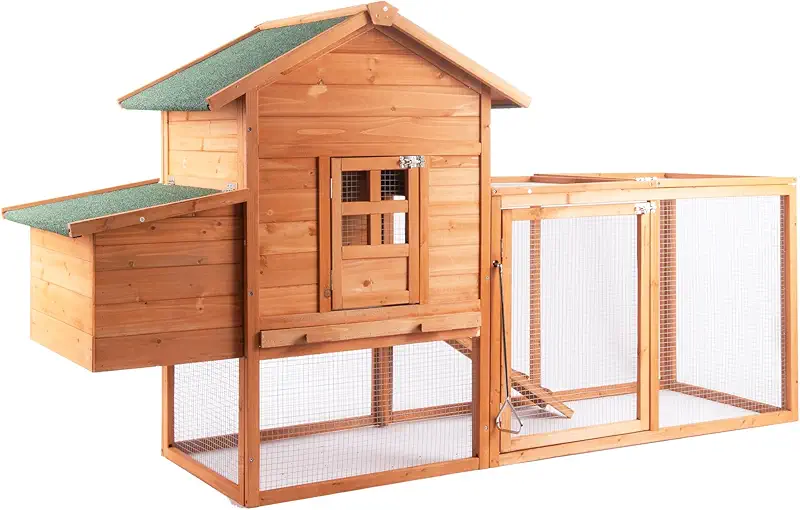
I am as stubborn as the next old farmer, but even I will admit there is a time to grab a pre-built coop or a kit and just tweak it. A lot of folks start with a ready-made coop and then add their own improvements: stronger wire, better roof, extra vents, or bigger nest boxes. That mix of Diy chicken coop ideas and a solid starting point can be a lifesaver if you are short on tools or time.
If you go that route, look for solid framing, real wood or sturdy panels, and room to stand or at least crouch without feeling like a pretzel. Do not be afraid to add braces, extra screws, or a fresh coat of outdoor paint. I have turned more than one “light-duty” coop into a strong, long-lasting home with a weekend of tinkering.