
Double chicken coop
Double Chicken Coop
Out here on my little patch of dirt, a good double chicken coop has saved me time, feed, and headaches. If you’re thinking about housing more hens, or just making life easier for the ones you’ve got, let me walk you through what I’ve learned the slow and muddy way.
I’ll share how I set up my own double chicken coop, what I’d do different if I could start over, and what I always look for before I bring a new coop home.
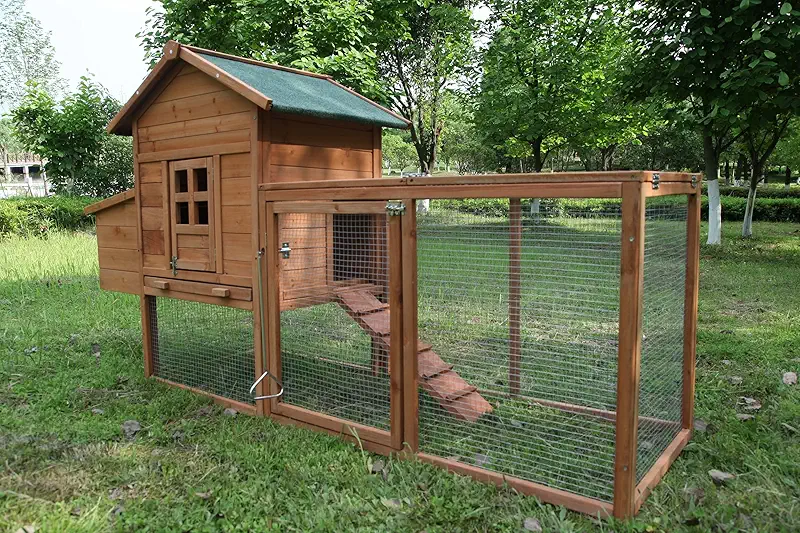
Why a double chicken coop just works on a real farm
When folks ask me why I like a double chicken coop, I usually tell them the truth: because chickens don’t read the rule book. Some hens lay early, some late. Some get bossy, some get shy. A double coop gives you options when your flock decides to act like a middle school classroom right before summer break.
I started with one small coop years ago, thinking, “How complicated can chickens be?” Well, by the first molting season, I had broody hens, cranky hens, and a rooster who thought everything was his business. I threw together a second pen with scrap wood, and that mess of a setup taught me the value of a proper, well-planned double chicken coop.
A good double setup is not just “bigger.” It’s smarter. You get two spaces you can use in different ways:
- One side for layers, one side for growing pullets.
- One for the main flock, one as a quiet “rest home” for bullied or recovering birds.
- Rotate sides to rest the ground and break up parasites.
- Keep roosters or new arrivals separate until everyone behaves like civilized poultry.
Once you’ve had the flexibility of two coops under one roof, going back to a single little box feels like trying to farm with one hand tied behind your back.
How I use my double chicken coop through the seasons
The way I use my double chicken coop changes with the weather, just like everything else on the farm. The coop stays put, but the “job description” of each side shifts as the year rolls along.
Spring: chicks and chaos
In spring, one side of my coop turns into the nursery. The main flock stays on the larger side, and the smaller side gets set up for young pullets or a broody hen with chicks. I’ve learned that giving mama hen her own space saves me from breaking up a lot of “chicken arguments.”
I keep the nursery side:
- Draft free but well ventilated.
- With lower roosts or even no roosts at first, so little legs don’t get hurt.
- With starter feed in shallow trays so everyone can reach.
The nice thing about a double chicken coop is that everyone still hears and sees each other through a safe barrier. That makes integration later a whole lot smoother. Chickens get used to each other without being able to peck each other silly.
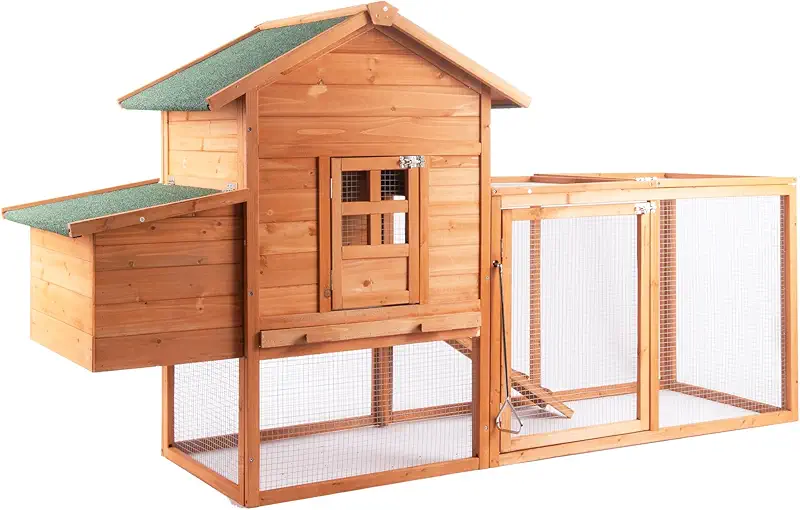
Summer: shade, fresh air, and manners
Summer is when you find out if your coop builder knew anything about heat. A double chicken coop with decent ventilation can keep your birds from cooking in their own feathers. I open up all the vents, and I like having two separate runs so the ground doesn’t turn into a bare dusty pit all at once.
When the young birds are nearly full size, I’ll put them on one side and the older hens on the other. They see each other across the wire, get used to everybody’s faces, and work out the pecking order with a lot less drama when I finally mix them. It’s like letting two groups of kids share a fence before you open the gate.
Fall and winter: staying dry and laying
When the weather turns, I use the tighter, more sheltered half of the coop for my best layers. The other side becomes my “overflow” and sometimes a spot for roosters or less productive hens. It’s not that I don’t like them; I just need the good layers to stay warm, calm, and dry.
In the cold months, I’m picky about:
- Deep bedding on both sides to keep toes warm.
- Enough perch space so nobody is sleeping in the draft.
- Feed and water arranged so I can tend both sides fast in bad weather.
Having that second space has saved more than one hen when we’ve had surprise ice storms. I’ve pulled in a weak bird or a bird with frostbitten comb and given her her own side to recover without the others piling on her.
What I always look for in a double chicken coop
I’ve fixed, patched, and cussed at enough coops to know what matters and what’s just pretty paint. A double chicken coop can look nice in a picture and still be a headache the first winter. Here’s what I personally check before I trust it with my flock.
1. Real predator protection
Out here we’ve got raccoons that could probably pick a lock and coyotes that don’t take days off. I make sure both sides of the coop have solid latches, hardware cloth instead of chicken wire in weak spots, and no big gaps around doors and roofs. A weak second compartment is no better than leaving the door open.
2. Easy doors for people, not just chickens
Sounds simple, but I’ve seen coops where you have to crawl to reach the back corner. With a double chicken coop, you’re cleaning and tending two living spaces. I want full-size access doors, or at least big swing-outs, for both sides so I can rake, scrub, and grab eggs without playing farm yoga.
3. Nest boxes on both sides
My hens do not respect “nest box assignments.” If only one side has nest boxes, the other side turns into a game of “Where did she hide them this time?” A good double chicken coop either offers nest boxes on both sides or lets you add them easily.
4. Enough room for real chickens
A lot of pictures show three fat hens in a tiny coop and call it “spacious.” I count actual square footage for roosting and for the run. My rule is simple: more space equals fewer problems. In a double setup, I figure how many birds per side I can keep without starting fights.
5. Roof, floor, and cleaning
If the roof leaks or the floor rots, you’ll be rebuilding soon enough. I like a solid, slightly sloped roof that sheds water, and floors that don’t soak up every spill. With two compartments to clean, I’m grateful for anything that lets me rake and shovel in straight lines without snagging on edges.
6. Flexible divider between sides
My favorite double chicken coops either have a solid divider with a small hatch or a removable panel. That way I can open both sides into one big space when I want, or separate them when the flock gets fussy. Flexibility is the whole reason I bother with a double setup in the first place.

Setting up your double chicken coop the first week
When you first set up a double chicken coop, it’s tempting to just toss in bedding, hang a feeder, and call it a day. I did that once. Once. After spilling feed all over and chasing birds around with a flashlight, I started planning things a little better.
Step 1: decide which side is which
Before you move a single hen, decide what each side is for:
- Side A: Layers and regular flock.
- Side B: Chicks, new arrivals, bullies in “time-out,” or sick birds.
Of course, you can swap this later. But giving each half a clear purpose helps you set up roost heights, feeders, and nest boxes the right way from day one.
Step 2: feeders, waterers, and walking space
I like to set things up so I can walk in, check birds, grab eggs, and leave without doing a dance around buckets. In both sides of the coop I:
- Hang feed where birds can reach but can’t kick bedding into it.
- Keep water away from roosts so it doesn’t turn into a poop pond.
- Leave myself a clear path to the back corners.
With a double chicken coop, remember you’ll be carrying feed and water to two spaces. A little thought now saves a lot of muttering later, usually in the rain.
Step 3: teach the birds the doorways
Chickens are creatures of habit, and not always smart habits. When I first moved my flock into the double coop, I spent three evenings gently herding the right birds to the right side, closing doors behind them so they learned, “This is my bedroom.”
After a week or so, they figured it out. Now they march into their own sides at dusk like they’re clocking out after a shift. A little patience up front makes your evenings easier for years.
Step 4: watch, tweak, and don’t be shy about changing your plan
That first week, I spend a few extra minutes each evening just watching:
- Which side fills up faster?
- Are some hens getting shoved off the perch?
- Are eggs ending up where I expected?
I’ve moved nest boxes, swapped flocks from one side to the other, and even changed which side I use in winter versus summer. A double chicken coop gives you options; use them.
Keeping hens healthy and happy in a double chicken coop
A good coop is the start, not the finish. Your hens will reward you with eggs if you respect a few simple needs: light, air, safety, and peace. Over the years I’ve learned to think like a chicken, and I’ll admit, some days it’s not that big a stretch.
Ventilation without drafts
Chickens breathe out a lot of moisture. In a double chicken coop, that’s twice the stale air if you don’t move it out. I want vents high up on both sides, so air flows across the ceiling, not straight across their backs. Dry air keeps combs and lungs happy.
Light and laying rhythm
Hens lay best when they get enough light. I like a coop that lets in some natural light on both sides. If only one half has decent light, that’s where the eggs will end up, and the other side slowly turns into a messy bedroom with attitude problems.
Managing personalities
Chickens have more personality than some people I’ve met. You’ll get bullies, sweethearts, and birds that just want to be left alone. A double chicken coop lets you:
- Move a bully to her own side for a few days to cool off.
- Give older hens some quiet away from pushy young pullets.
- Isolate a sick bird where you can watch her without risking the rest.
That flexibility saves feathers and keeps the whole flock calmer.
Common mistakes I see with double chicken coops
I’ve helped neighbors fix more than one coop problem, and I’ve made every mistake at least once myself. If you can dodge these, you’ll be ahead of where I started.
Trying to keep too many birds
A double chicken coop is not magic. If you cram in twice as many birds as you should, you get twice the trouble. Crowding leads to pecking, feather loss, stress, and fewer eggs.
I’d rather have a few birds in roomy quarters than a big flock living like commuters on a rush-hour train. Comfortable hens lay better eggs, and they’re a lot nicer to be around.
Ignoring one side of the coop
Another mistake is treating one half like the “good side” and the other like the junk drawer. Both compartments need:
- Clean, dry bedding.
- Fresh water and good feed.
- Regular checks for drafts, leaks, and droppings.
If one side gets sloppy, that’s where the mites, smells, and health problems will start.

Forgetting about future plans
When folks first start, they say, “Oh, I just want six hens.” Few months later they’re naming the chicks in the brooder and wondering where they’ll all sleep. A double chicken coop gives you some breathing room, but it’s still worth thinking:
- Will I want a separate breeding pen later?
- Do I dream of two different breeds or color lines?
- Do I ever plan on raising meat birds as well as layers?
If the answer is “maybe,” then planning your coop layout now, with that in mind, will save you from hammering in the dark later.

My daily routine with a double chicken coop
Folks sometimes think a double setup means double the work. Honestly, once it’s laid out right, it’s not much more trouble than a single coop. Here’s what my normal day looks like.
Morning
- Open both pop doors and check everyone looks bright and alert.
- Top off feeders if needed and refresh water on both sides.
- Quick glance at bedding for any wet spots or messes that need a fast rake-out.
Takes me maybe 10–15 minutes unless I stand there talking to the hens, which, I’ll admit, happens.
Midday or evening
- Collect eggs from both sides, check nest boxes for broken shells.
- Check latches, corners, and wire for any signs of digging or chewing.
- In the evening, watch who goes through which door; make sure no one is left out or stuck on the wrong side.
It’s simple but steady. A double chicken coop just means you learn two sets of habits, one for each compartment.
Choosing a double chicken coop that fits your life
Before you settle on any particular double chicken coop, I’d sit down with a cup of coffee and answer a few honest questions:
- How many birds do I truly plan to keep once “chicken math” kicks in?
- Do I want separate spaces for breeding, resting, or quarantine?
- How much time do I realistically have for daily cleaning and care?
- What kind of predators do I have, and how stubborn are they?
- Where on my land does the coop actually fit without turning into a mud pit?
A fancy roofline or cute paint job might catch your eye, but your hens don’t care about that. They care about space, safety, and comfort. If a double chicken coop checks those boxes, you and your flock will be in good shape for many seasons to come.
When I look over different double setups, I imagine walking out on a cold, wet morning and tending birds half-awake. If it still seems easy in my head in that situation, it’s probably a good design.
Double chicken coop – FAQ from one farmer to another
How many hens can I keep in a double chicken coop?
That depends on the exact size, but I like to be generous. For backyard setups, I aim for around 4 square feet per bird inside and at least 8–10 square feet per bird in the run. In a double chicken coop, I count each side separately. If one half is smaller, I give it fewer birds instead of trying to cram the same number on both sides.
Do I really need nest boxes on both sides?
Strictly speaking, no, but I’ll tell you this: my hens ignore “strictly speaking.” If you plan to keep birds sleeping or spending daylight hours on both sides, nest boxes on each side make life easier. Otherwise you’ll end up kneeling under roosts or digging through bedding to find those “special hiding spots” they come up with.
Can I keep roosters and hens in the same double chicken coop?
Yes, and a double chicken coop actually helps a lot with that. You can keep roosters on one side and hens on the other if things get rowdy, or just separate extra roosters so the hens get some peace. I’ve had seasons with a main breeding trio on one side and my general flock on the other. The key is solid dividers and strong latches, because roosters can be persistent little gentlemen.
Is a double chicken coop harder to clean?
It can be, if the doors are tiny and the layout is awkward. But with good access on both sides, it’s not that much more work. I clean one compartment, take a breather, then do the other. I also like to put both sides on the same cleaning schedule so I don’t lose track. With removable roosts or dropping boards, you can scrape things down pretty quickly.
Is a double chicken coop worth it for a small flock?
In my book, yes, as long as you’ve got the space and budget. Even with a small flock, having that second compartment gives you room to grow, quarantine new birds, or separate a sick or injured hen without scrambling for a spare crate. I started small and still wish I’d gone to a double setup sooner. Chickens have a way of multiplying on you.
If you’re ready to see how different styles and layouts look side by side, you can browse through a whole range of sturdy options and picture which one would sit best on your bit of ground.
Show me more coops


When you’re ready to dream a little bigger for your flock, take a quiet minute and look over all the different chicken coops out there. One of them is going to look like it was meant for your yard and your birds.
I’ll explore all coops