
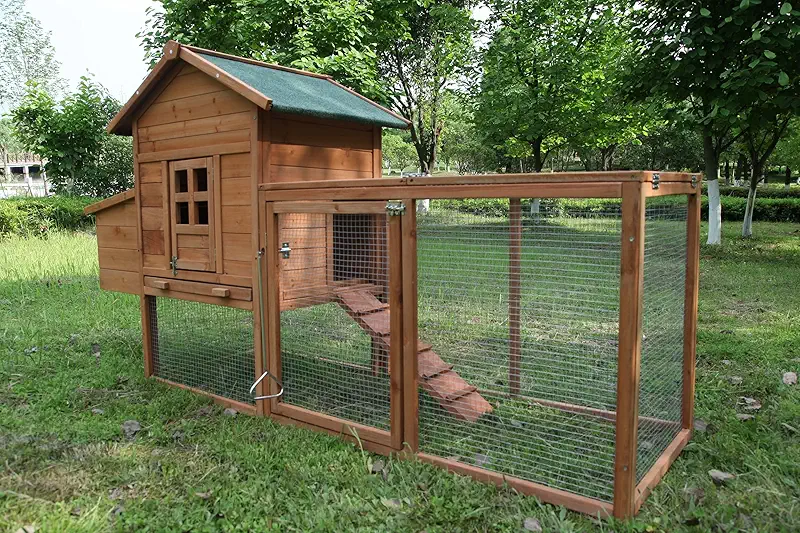
What “easy chicken coop” really means out on the farm
When folks ask me for an easy chicken coop, they usually think “cheap and quick.” Out here, easy means something a little different: it has to be easy for you, and easy on the birds, for years, not just this season.
My first coop was a real beauty in my head. In reality it was crooked, drafty, and took me 20 minutes every morning just to find the eggs. The hens hated it and I wasn’t far behind them. That’s when I started making a little checklist in my mind for what “easy” truly looks like.
The four pillars of an easy coop
- Safe: keeps out raccoons, dogs, foxes, and the neighbor’s curious kid.
- Dry and draft‑free: rain stays out, air still moves.
- Fast chores: feed, water, eggs, and cleaning in a few simple moves.
- Comfortable for hens: enough room, right height perches, quiet nest boxes.
If a coop misses one of those, it won’t feel easy for long. You’ll be wrestling doors, chasing escaping hens, or fixing broken parts when you’d rather be sipping coffee.
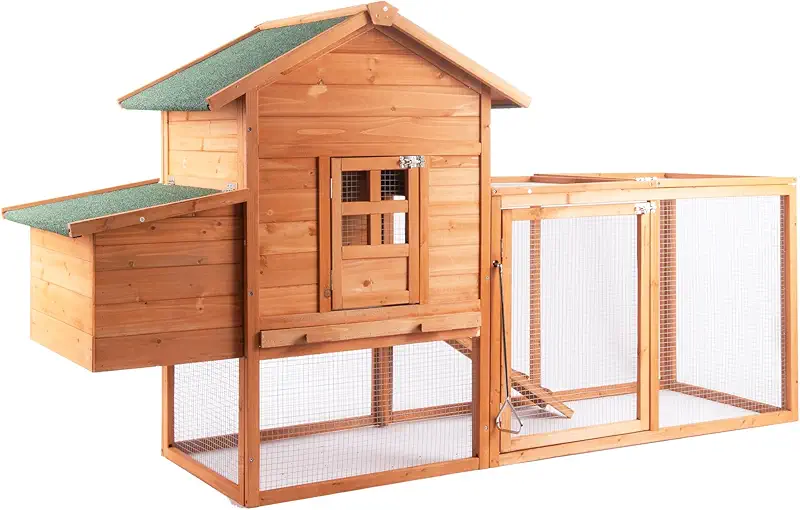
How big should your easy chicken coop be?
I always say: crowded hens are cranky hens, and cranky hens don’t lay well. There are a lot of fancy formulas, but for a simple backyard flock, these numbers work just fine.
| Flock size | Indoor coop space (min.) | Run space (min.) |
|---|---|---|
| 3–4 hens | 12–16 sq ft | 40–60 sq ft |
| 5–8 hens | 20–32 sq ft | 80–120 sq ft |
| 9–12 hens | 36–48 sq ft | 140–180 sq ft |
One of my neighbors tried squeezing eight hens into a tiny, cute little house he’d found online. Looked adorable, smelled terrible. The birds picked on each other, and the eggs dropped off. Once he upgraded to a roomier easy chicken coop, the mood in that flock changed in a week.
Don’t forget headroom and reach
Another thing folks forget is your own comfort. If you have to crawl, bend, and twist to reach eggs or feeders, every chore becomes a little wrestling match.
- If you’re tall or have a stiff back like mine, look for a coop you can walk into or at least stand nearly upright in.
- Make sure you can reach every corner with a broom or a small rake.
- Nest boxes should be at a comfortable height for you to collect eggs with one hand.

Predator‑proofing your easy chicken coop
The quickest way to stop loving your coop is to lose birds to predators. I learned this the hard way when a raccoon figured out my old wooden latch. That rascal ate better than I did that week.
Simple predator‑proof rules
- Wire matters: use 1/2" hardware cloth, not chicken wire, on windows and vents.
- Dig defense: bury wire 8–12 inches around the run, or bend it outward like a skirt.
- Real latches: use barrel bolts or carabiners, not flimsy hook‑and‑eye catches.
- Close gaps: if you can fit two fingers through a gap, a weasel can think about squeezing in.
Many premade easy chicken coop designs already include these ideas, but always look closely at the doors, the bottom edges, and the roof overhang. A coop that’s easy for you should be hard for predators.

Ventilation, light, and weather
Hens breathe out a lot of moisture. Add that to droppings, and a sealed coop turns into a damp little gas chamber. Not what we want for healthy lungs or clean eggs.
Good air without nasty drafts
- Vents should be high up, above roost level, so air moves but doesn’t blow on birds.
- Use hardware cloth on vents to keep the breeze and block the critters.
- Cross‑ventilation (two sides of the coop) keeps air fresh in summer.
On my place, I aim to smell fresh wood shavings in the coop, not ammonia. When you open the door in the morning, take a sniff. If your eyes water, you need more airflow or deeper bedding, not a stronger stomach.
Dealing with heat and cold
Chickens handle cold better than heat. I’ve seen hens scratching in the snow like it was nothing, but panting in August if the coop had poor shade and airflow.
- In hot states, make sure your easy chicken coop has shade and big vents.
- In colder climates, focus on blocking drafts and keeping the coop dry rather than stuffing it with heaters.
- A roof over the run gives hens a dry spot when the sky dumps on you.

Making life easy for your hens
A coop can be easy for you and still feel miserable for the birds. When hens are relaxed, you see it in the egg basket. When they’re stressed, you see it in bare backs, broken eggs, and noise.
Roosts that feel natural
- Use smooth 2x3 or 2x4 lumber laid flat, or rounded wooden bars.
- Give at least 8–10 inches of roost space per hen.
- Keep roosts higher than the nest boxes, or they’ll sleep in the nests and paint your eggs overnight.
Quiet, dark nest boxes
- One box for every 3–4 hens is enough. They’ll all fight for the same box anyway.
- Place boxes off the ground but lower than the roosts.
- Use plenty of clean bedding and keep the entrance a bit shaded.
In my easy coops, I mount the nest boxes at about my hip height. That saves my back and keeps the eggs out of the mess on the floor. The hens seem to like the “private booth” feeling.

Daily routine in an easy chicken coop
When you get the layout right, chores almost do themselves. My test is simple: could I take care of the flock in my slippers without getting frustrated? If the answer is yes, the coop passes.
My simple morning walk‑through
- Open the main door, say good morning, quick head count.
- Check water level and give it a quick rinse if it looks messy.
- Top off feed, shake feeder to knock down any clumps.
- Grab eggs, quick look inside nests for broken shells or mess.
- Rake big piles under the roost into a droppings tray or a bedding pile.
Done right, that whole routine can take under ten minutes even on a Monday. That’s what an easy chicken coop does for you: it turns chores from a job into a small, peaceful ritual.

Cleaning and bedding: where ease really shows
I used to dread coop‑cleaning day. Then I realized it wasn’t the chickens I hated, it was the bad design. Once I switched to coops with bigger doors and removable trays, things changed fast.
Little features that save a lot of time
- Removable droppings trays under roosts you can slide out and dump.
- Wide main doors that fit a shovel and a rake, not just your arm.
- Smooth floors that don’t trap every little bit of manure.
- Sloped roofs so rain doesn’t pool and leak inside.
For bedding, I like a mix of pine shavings and dry straw. In an easy chicken coop, you can practice a “deep litter” style: add fresh bedding on top, stir it now and then, and do a full clean‑out a few times a year instead of every week.

Should your easy chicken coop be portable?
One of my favorite setups is a light coop on wheels, moved every day or two. The hens get fresh grass, bugs, and clean ground. My yard gets free fertilizer, and I get less mud and smell in any one place.
When a mobile coop makes sense
- You’ve got grass or pasture you’d like to improve.
- You prefer a smaller flock that moves together.
- You don’t mind a quick push or pull to roll the coop to a new spot.
If your land is steep, rocky, or you’re dealing with deep snow half the year, a solid, fixed easy chicken coop might be the better friend. No shame in that; I’ve got both kinds here, depending on the season.
Easy chicken coop – common questions
How many hens can I keep in a small easy chicken coop?
For a small coop, I’d stop at three or four hens unless the run is very generous. You want at least 3–4 square feet per bird inside, and more is always better. If you find yourself thinking, “They’ll be fine,” they probably won’t. Give them a bit of breathing room and you’ll see the difference in eggs and behavior.
Do I need electricity in my easy chicken coop?
Not always. I raised birds for years without a single wire inside. Still, a safe outdoor outlet can be handy for heated waterers in winter or a small light if you’re checking on birds after dark. If you add power, keep cords where beaks and teeth can’t reach them and use fixtures meant for outdoor use.
How often should I clean an easy chicken coop?
I do a quick tidy every day or two and a deeper clean every few weeks. With deep bedding, you can go longer between full clean‑outs, especially in dry weather. The coop will tell you when it needs more attention: if you see wet spots, heavy smell, or flies starting to party, it’s time to roll up your sleeves.
Is a premade easy chicken coop strong enough for winter?
Many premade coops work fine if you match them to your climate. In snowy areas, make sure the roof is strong and well‑braced, and consider adding a windbreak on the windiest side. I like to walk around a coop and give it a gentle shake; if it jiggles like a card table, I add braces or pick a sturdier design.
Can beginners really handle building or setting up a coop?
Absolutely. I’ve helped folks who’d never held a drill put together an easy chicken coop in an afternoon. The secret is to keep it simple: don’t chase complicated roof lines or fancy trims on your first try. Solid frame, safe doors, good vents, decent roof. The chickens won’t grade your carpentry; they’ll just be grateful for a dry, safe roost.