
Enclosed chicken coop
Enclosed Chicken Coop: Keep Your Girls Safe, Calm, And Laying Strong
After a few decades of chasing hens at sunrise and locking doors at dark, I’ve learned one thing: a good enclosed chicken coop is worth more than a new pair of boots. It keeps your flock safe, makes life easier, and lets you sleep without wondering what that noise was in the backyard.
In this guide I’ll walk you through what really matters in an enclosed chicken coop, what I’d never skip, and a few mistakes I’ve made so you don’t have to. We’ll keep it simple, honest, and down‑to‑earth—just like a good farm day.
Let me see options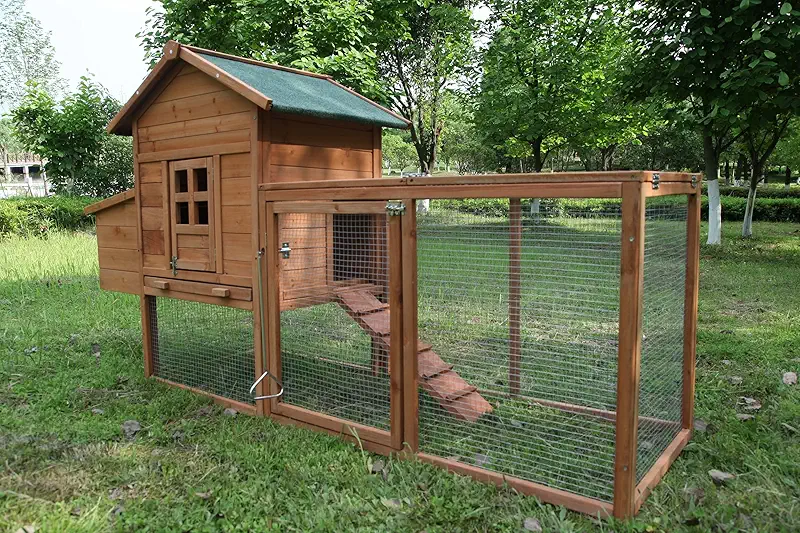
Why An Enclosed Chicken Coop Matters More Than You Think
When I was a kid, my granddad had hens that roamed all over the yard. Pretty to look at, sure, but every now and then we’d be missing one. Fox, hawk, neighbor’s dog—you name it. Back then I thought that was just “farm life.” Later on, after losing a whole batch of nice pullets in one week, I decided I was done giving free meals to the local predators.
That’s when I put together my first proper enclosed chicken coop. It wasn’t fancy, and it sure wasn’t pretty, but it changed everything. Hens were calmer, egg numbers went up, and I stopped spending evenings with a flashlight and a bad feeling in my gut.
A good enclosed coop does three big jobs:
- Protects from predators – foxes, raccoons, hawks, stray dogs, and even rats.
- Shields from weather – wind, rain, snow, and brutal summer sun.
- Keeps your routine simple – easy feeding, egg collection, and cleaning.
You don’t need to build a palace. Chickens don’t care about cute windows or fancy paint. They care about feeling safe, dry, and having just enough space to be chickens without pecking each other’s tails off.
Key Features I Look For In An Enclosed Chicken Coop
After trying homemade coops, store‑bought coops, and “What was I thinking?” coops, I’ve boiled it down to a handful of things that truly matter. Whenever I’m checking out a new enclosed coop, these are the first things I inspect.
1. Strong, Tight Wire On The Run
The enclosed run is where most folks get into trouble. Thin wire, big gaps, and weak latches turn your coop into a drive‑thru for raccoons. I’ve watched a raccoon work on a cheap latch like it was solving a puzzle for fun—and win.
- Look for hardware cloth (½ inch) instead of flimsy chicken wire.
- Wire should be stapled or screwed tightly, not just loosely wrapped.
- Bury or fold wire at the base to slow down diggers like foxes.
If I can push on the run wall and it wiggles like a loose fence, I know that coop isn’t ready for a determined predator.
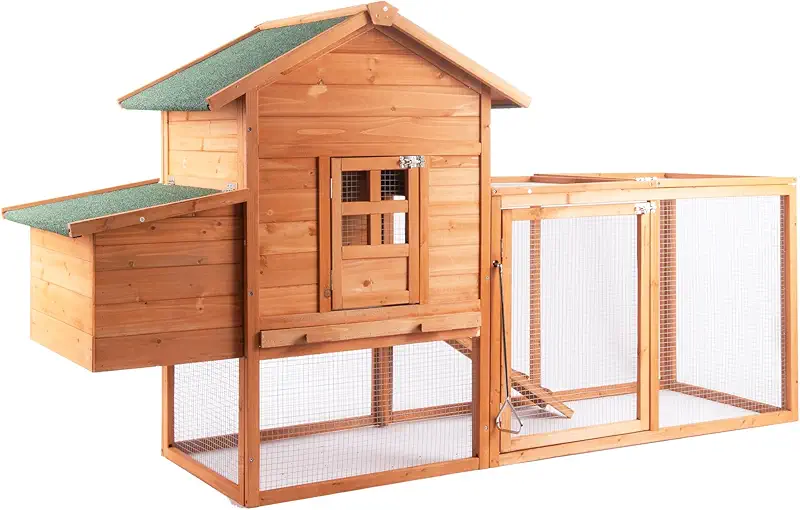
2. Solid, Dry Sleeping Area
At night, your hens want a safe, dry, draft‑free spot to roost. I like a sleeping area that’s fully enclosed with solid walls, a real door, and maybe a small vent up high. If wind blows straight through the coop and ruffles feathers in January, you’ll end up with sick, stressed birds.
- Floor stays dry, even in a heavy rain.
- Roof doesn’t leak, sag, or flex.
- No big gaps at roost level, but some gentle airflow up high.
3. Enough Room Without Wasting Space
Space is a funny thing with chickens. Too little, and they turn mean and peck each other. Too much, and you’re just cleaning extra floor for no reason. I’m a big believer in “comfortable but efficient.”
- About 4 square feet per hen inside the coop works well for most backyard flocks.
- About 8–10 square feet per hen in the enclosed run keeps them busy and happy.
- Multiple roost bars so no one gets shoved into a corner.
I always remind new keepers: you’re building for chickens, not people. If your hens have space to walk, scratch, and hop up to a roost, that’s what counts.
Ventilation, Light, And Cleanliness: The “Quiet” Details That Make A Big Difference
An enclosed chicken coop can be strong as a bunker, but if it’s dark, damp, and stuffy, your hens won’t thrive. Some of the most productive flocks I’ve had were in simple coops with good air and good light. Nothing fancy, just smart.
Ventilation: Let It Breathe Without Letting In A Draft
Chickens breathe out a lot of moisture, and their droppings add ammonia to the air. If that hangs around in a tight coop, you’ll see watery eyes, coughing, and weak birds. That’s why I always look for some small vents or windows up near the roof line.
- Vents should be above roost level so air doesn’t blow right on the birds.
- Openings should be covered in hardware cloth, just like the run.
- You want steady, gentle air exchange—not a wind tunnel.
Light: A Little Sun Goes A Long Way
Hens are like old farmers—they do best on a steady day‑length routine. A bit of natural light in the coop or run keeps them alert, active, and laying. I like an enclosed coop that has:
- A small window or clear panel, covered securely with wire.
- Light reaching the nest boxes so hens feel safe using them.
- Shaded spots in the run so they can get out of direct sun.
Cleanliness: Simple Layout Makes Life Easier
I don’t know about you, but after a full day of chores, I’m not looking for a coop that takes an hour to clean. The easier it is, the more often you’ll do it, and the healthier your birds will be. A good enclosed chicken coop helps you stay ahead of the mess.
- Wide door you can actually fit a shovel, rake, or small bucket through.
- Roosts that lift out or sit above droppings boards for quick scraping.
- Nest boxes that you can reach without crawling on your knees.
Predator‑Proofing Your Enclosed Chicken Coop
Predators don’t care how cute your coop looks in photos. They care about weak points, loose boards, and easy openings. I’ve learned to “think like a raccoon” when I walk around a new setup. If I can see a way in, so can they—probably faster.
Common Weak Spots I Always Check
- Doors and latches – I prefer two‑step latches that can’t just be flipped open.
- Gaps at corners – even a small space can be an invitation for rats or weasels.
- Roof edges – raccoons climb and pry; loose roofing is an open door.
- Under the walls – diggers love soft soil and gaps beneath panels.
One time I had a coop I thought was tight, until I found muddy paw prints on the roof. That raccoon had done a full inspection. Luckily, he didn’t find a way in—but he sure tried.

Smart Extras For A Safer Coop
You don’t have to add every gadget under the sun, but a few simple choices make a big difference:
- Buried wire apron around the run to stop digging.
- Cover over the run to block hawks and keep out climbing predators.
- Secure feed storage so you’re not attracting pests to the coop area.
- Motion lights nearby if you live where predators are bold.
Think of it like locking your truck. You may not stop every thief in the county, but you sure make it harder for them to bother you.
Keeping Layers Happy Inside An Enclosed Coop
A safe coop is the start. A happy laying flock is the real goal. Over the years, I’ve noticed that when my hens are content—good space, calm pecking order, simple routine—the egg basket tells the story.
Nest Boxes That Just Work
I’ve tried all kinds of nest boxes: buckets, old crates, fancy store‑bought setups. Hens don’t care about fancy; they care about feeling private and safe. For an enclosed chicken coop, I like:
- One nest box for every 3–4 hens.
- Boxes that are a bit dark and cozy, about 12” x 12”.
- A lip on the front to keep bedding and eggs from rolling out.
And a tip from many broken‑egg lessons: place nests lower than the roosts so hens don’t decide to sleep in them. Nobody likes a nest full of droppings.
Feed, Water, And Routine
In an enclosed setup, I like to keep feed and water under cover, so rain and snow can’t spoil things. Chickens are creatures of habit, and so am I, so I keep it simple:
- Fresh water every day—twice, when it’s hot.
- Quality layer feed always available.
- Scraps and treats in small amounts, not as their main diet.
A steady routine keeps them calm. They learn when you show up, where the food is, and where they sleep. That calm shows up as strong shells and steady laying.
Managing Boredom In The Run
In an enclosed run, birds can get bored, especially in winter or muddy seasons. Bored chickens are like bored kids—they start picking fights. I like to give them a few simple “toys”:
- A stump or branch to hop on and off.
- Hanging cabbage or a treat ball for pecking.
- Fresh straw or leaves to scratch through.
Doesn’t have to be fancy. I’ve seen hens entertain themselves with a single old shovel handle stuck in the ground like it was a new playground.
Real‑World Tips From Years Of Using Enclosed Coops
I’ve made about every coop mistake a person can make—too small, too dark, hard to clean, you name it. So here are a few lessons I wish someone had told me when I started.
Start A Little Bigger Than You Think
If you think you want four hens, you’ll probably want six. Everyone does. If your enclosed coop can only hold the smaller number, you’ll be rebuilding or upgrading sooner than you think.
I like to plan for two extra birds beyond what I have in mind. Gives me room for that “just one more” hen that always seems to show up.
Make Egg Collection Easy On Your Back
Crawling into a low, cramped coop gets old fast. I look for nest boxes with outside access or a door that lets me lean in from the outside, not belly‑crawl over bedding. Your knees will thank you in a couple of years.

Think About Moving And Mud
A lot of enclosed coops sit in one spot until the ground underneath turns to a muddy mess. If you can, pick a coop that either:
- Is easy enough to move to fresh ground from time to time, or
- Lets you add some gravel, sand, or deep litter to control mud.
I once parked a run in a low spot because it was “convenient.” By spring, it was a duck pond with chickens in it. Never again.
Plan For Your Weather
Where I live, we get hot summers and cold winters, so I look for an enclosed chicken coop that can handle both. If you’re in a windy or snowy area, you’ll want:
- Strong roof pitch so snow slides off.
- Extra bracing so panels don’t shake in the wind.
- Places to block drafts in winter while keeping vents open.
Down south, shade and ventilation are more important. Same birds, different needs—just like us.
Different Styles Of Enclosed Coops (And When They Shine)
Walk through any lineup of enclosed chicken coop setups and you’ll see a few common styles. I’ve tried most of them over the years. Each has its place, depending on your yard, your back, and your ambitions.


Compact Backyard Coops With Attached Run
These are the “all‑in‑one” setups: small house plus enclosed run in one unit. They’re handy for urban or suburban yards, or for someone just starting out.
- Good for small flocks in tight spaces.
- Easy to see and reach everything.
- Look for solid hardware and better‑than‑average wire.
Walk‑In Coops With Tall Runs
Once your flock grows, or your back starts complaining, a walk‑in enclosed chicken coop is a blessing. Being able to walk into the run and coop without bending makes chores go quicker and easier.
- Great for bigger flocks and serious egg keepers.
- More space for perches, dust baths, and enrichment.
- Usually sturdier frames that handle bad weather better.
Mobile Enclosed Coops (Tractors)
If you like the idea of moving your flock around to fresh grass, an enclosed tractor‑style coop can work well. These shine when you’re trying to keep grass under them and manure spread out.
- Best used on level ground.
- Works nicely for meat birds or smaller laying flocks.
- Look for wheels or skids that actually roll when you pull.
Frequently Asked Questions About Enclosed Chicken Coops
If you’re ready to give your hens a safer, calmer home, take a quiet look through the different enclosed chicken coop setups out there and picture what will truly fit your yard and your chores.
Show me all coops