
Extra large chicken coop for 10 chickens
I’ve raised laying hens for decades out here in the States, through blizzards, heat waves, and one very clever fox. If you want ten hens to stay happy and keep laying, the right coop size and layout matters more than any feed brand.
On paper, “extra large” sounds simple. But I’ve seen coops advertised for ten chickens that I wouldn’t put five birds in, not if I wanted good eggs and calm hens. Let me walk you through what actually works in the real world, with plain talk and a few hard‑earned lessons from my own farm.
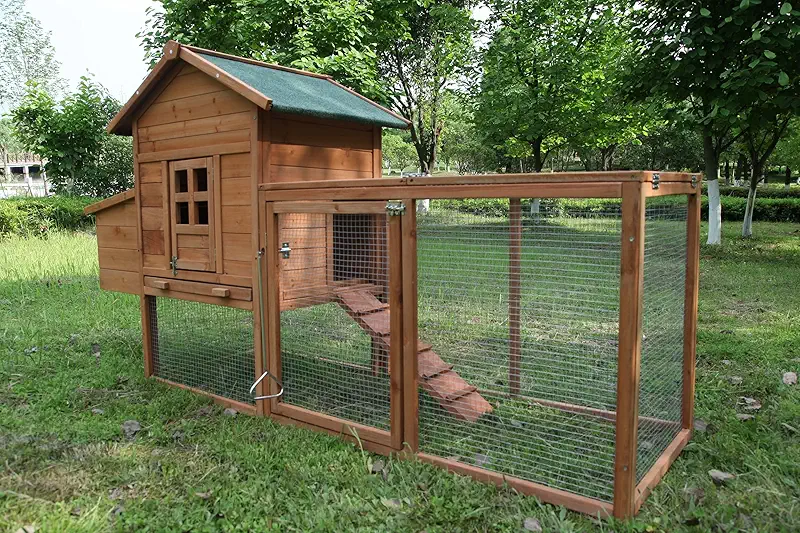
When my flock hit ten hens, everything changed. The small coop “rated” for ten birds turned my girls cranky and noisy. Extra space turned them quiet and productive again. If you’re ready to see options that actually give hens room to live, not just survive, take a slow look at what’s out there.
What “extra large” really means for 10 chickens
Out here, I judge a coop less by what the box says and more by how my hens act inside it. If they’re quiet at roost time, not breathing each other’s air too hard, and still laying steady, the space is right. If there’s feather picking, loud complaining, or birds sleeping in the nest boxes, that coop is too tight.
For an extra large chicken coop for 10 chickens, I don’t even glance at anything under these numbers:
- Indoor floor space: 40–50 square feet minimum for 10 hens (I like closer to 5 sq ft per bird).
- Outdoor run: 100+ square feet (10 sq ft per bird, 15 is nicer).
- Roost bar length: around 8–10 inches per bird.
- Nest boxes: 4 boxes is plenty for 10 hens, 5 if you’re generous.
On my place, when I gave ten hens around 60 square feet inside and a big outdoor run, the whole flock settled down. Egg shells thickened back up, and the bossy hen stopped bullying the little Cinnamon Queen in the corner. Turns out chickens are a lot like people: too many in a tiny room and somebody gets grumpy.
My first “for 10 chickens” coop mistake
Let me tell you how I learned this the hard way. Years back, I brought home a cute little red coop that proudly said it fit “8–10 large chickens.” Looked nice in the yard. My wife loved it. The problem? That thing would’ve been perfect for six bantams, not ten full‑sized layers.
The first week, my girls handled it. By week three, they were shoving and squabbling at bedtime, and two hens decided to sleep in the nest boxes just to get some elbow room. That sounds harmless until you crack open an egg covered in droppings at breakfast. Not my favorite seasoning.
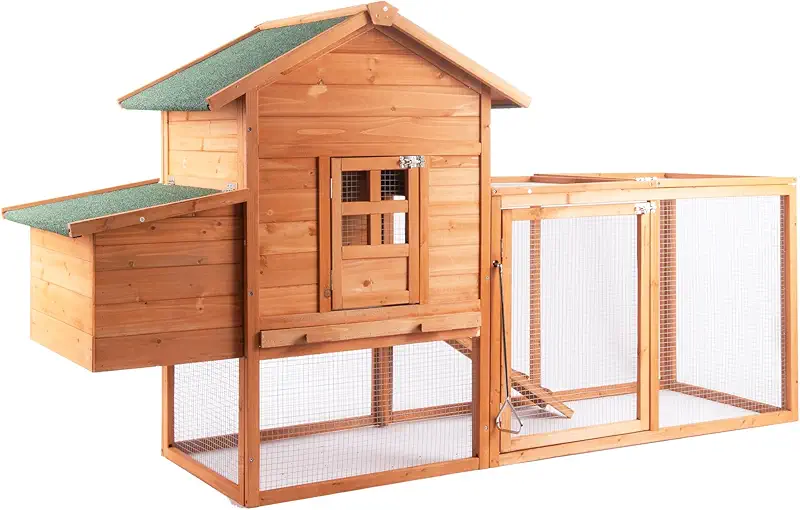
I finally swallowed my pride, admitted I’d been swayed by pretty paint, and moved them into a true extra large setup. Almost overnight, they quieted down, and the nest boxes stayed clean. That’s when I promised myself I’d never again trust the number of chickens printed on the label.
How much space each hen really needs
Folks ask me all the time, “How big should an extra large chicken coop for 10 chickens really be?” Here’s the simple version I share at the feed store when someone corners me by the layer pellets.
Inside the coop
If your birds will spend a lot of time locked in during winter or bad weather, stay on the generous side:
- Comfortable: 4–5 sq ft per bird (40–50 sq ft total).
- Cozy but workable: 3.5 sq ft per bird if they have a big run.
- Any less: you’ll likely see stress, smell, and more cleanup.
I lean toward comfort. Hens pay you back in eggs and fewer vet headaches.
In the run
Chickens love to scratch, dust bathe, and gossip. They can’t do that shoulder‑to‑shoulder.
- Minimum: 10 sq ft per bird — 100 sq ft for 10 hens.
- Better: 12–15 sq ft if you’ve got the room.
- Free‑range time: lets you get away with a bit smaller run.
On my farm, ten hens get a run that’s about 10x12 feet plus some free‑range time on weekends. I call it their “yard day.” They call it “let’s dig up the garden.”

When you’re looking at an extra large coop online, don’t just look at the picture. Scroll down to the floor dimensions. For 10 hens, I want to see something like 5x8, 6x8, or bigger for the enclosed area.
Key features I look for in a 10‑chicken coop
Space is the first thing I check. After that, there are a few details I’ve learned to never skip, especially when I’m choosing an extra large chicken coop for 10 chickens.
Strong floor and frame
Ten grown hens are not light, and neither is a winter snow load on the roof. I look for thick enough lumber or metal framing that doesn’t wobble if you lean on it. On cheaper wooden coops, I often add a few extra screws and braces. Takes an hour, saves a headache later when the wind comes rolling through.
Roost bars at the right height
My hens like their roost bars about 18–24 inches off the floor. Too high, and the heavier birds risk leg injuries jumping down. Too low, and they don’t feel as safe. I also stagger multiple roosts at different heights so all ten birds have a spot without having to pile up.
Nest boxes that stay clean
I want nests a bit lower than the roosts but not at floor level. Ten hens don’t give each other much privacy, so I like nests that are partly shielded or in a quieter corner. One time I put a nest right by the main door — hens got spooked every time I came in, and the eggs paid the price. Never again.

Good ventilation without drafts
Chickens breathe out a lot of moisture. In winter, that turns into frostbite if the air can’t escape. I look for vents up high under the eaves and windows I can open in summer but close up tight in storms. Ten chickens in a stuffy coop smell like, well, ten chickens in a stuffy coop. Your nose will tell you if there’s enough airflow.
Easy access for you
When you’re still young, crawling into a low coop seems fine. After a few decades and a couple of bad knees, you’ll wish you’d picked something with a nice big human door and removable trays or big swing‑out panels. Extra large is not just for hens; it should be extra easy on your back too.
Keeping your 10 hens safe from predators
A big coop is only good if everybody wakes up alive in the morning. Out here I deal with raccoons, foxes, hawks, the odd stray dog, and one very determined mink that nearly made me quit keeping chickens.
When you’re picking an extra large chicken coop for 10 chickens, take a close look at the wire and latches:
- Wire type: I like hardware cloth, not chicken wire.
- Wire size: 1/2 inch mesh keeps most trouble out.
- Latches: Raccoon‑proof means a two‑step latch or a carabiner on the door.
- Digging protection: Wire apron or buried wire 8–12 inches down.
I still remember the night I skipped burying wire on a new run because the ground was hard and my back was sore. Two nights later, a fox dug right under and carried off my best layer. I finished that trench the next day, sore back and all.

An extra large coop often means more doors, windows, and seams. Every opening is a chance for something with teeth to try its luck. Run your hands around every edge. If you can squeeze a few fingers through, a determined critter can probably squeeze something worse.
Designing a coop that’s easy to live with
Ten hens can be pure joy if your setup works with you instead of against you. When I’m choosing or building an extra large chicken coop for 10 chickens, I think about my daily routine first.
Feed and water placement
I like the feeder hung just low enough that the smallest hen can reach it, but high enough they’re not kicking litter into it. For water, I keep one source inside the coop in winter and another outside in the run when it’s warm. That way they’re never more than a short waddle away from a drink.
Cleaning without swearing
You’re going to clean that coop a lot over the years. Make it easy. I put down removable trays under the roosts when I can, or at least smooth flooring so the shovel slides nicely. Extra large coops often have more corners, so I like designs that keep the inside fairly simple and open.

Room to grow your flock (you will)
I’ve yet to meet a chicken keeper who stayed at exactly ten hens. Someone always finds a new breed they “have to try,” or a neighbor offers pullets they “just couldn’t say no to.” So when you look at an extra large coop for 10 chickens, ask yourself if you might want room for twelve later.
I usually size my own coop for 2–4 birds more than I currently have. Costs a bit more up front, but it sure beats starting from scratch again in a year when chicken math kicks in.
Winter and summer comfort in a big coop
Out on my place, we get everything from icy winds to hot, sticky July afternoons. A good extra large chicken coop for 10 chickens can handle both without turning into a freezer or an oven.
Winter tips
- Make sure vents are up high so the warm air can escape but drafts don’t hit the birds on the roost.
- Use deep bedding on the floor to give them something to scratch and snuggle into.
- Check for condensation on the roof in the morning. If it’s dripping, you need more ventilation.
My hens handle cold better than damp. I’d rather see them puffed up in dry air at 10°F than breathing wet, stale air at 30°F.
Summer tips
- Open every window and vent that has predator‑proof screening.
- Provide shade over part of the run so they’re not stuck in direct sun.
- Keep waterers out of the blazing sun so the water stays cool.

With ten hens, heat stress shows up fast. If I walk into the coop and hear heavy panting and see wings held away from bodies, I know it’s time for extra shade and maybe a frozen water bottle in their drinker.
Little daily habits that keep 10 hens laying strong
A fine coop is only half the story. The other half is what you do with it every day. Here’s what’s worked for me over the years, running flocks of around ten layers at a time.
- Open up early: I like to let them out soon after sunrise so they have time to stretch and scratch.
- Fresh water twice a day: Chickens are fussy about water. Clean water means better laying.
- Collect eggs often: Morning and late afternoon keeps eggs cleaner and discourages egg eating.
- Quiet time at roost: I keep evening calm so everyone settles without a fuss.
Ten hens in a properly sized extra large coop fall into an easy rhythm once you do. You’ll learn who always takes the top roost, who chatters in the nest boxes, and who insists on laying in the same corner every day no matter what you do.

One of my favorite sights is ten hens lined up on a properly sized roost, all facing the same way, murmuring to each other as the sun goes down. You get that kind of peace when everybody has enough room and feels safe.
FAQ about extra large coops for 10 chickens
Is a 4x6 coop big enough for 10 chickens?
A 4x6 coop is only 24 square feet. That’s tight for ten full‑sized hens, especially if winters are long or they’re kept inside a lot. For an extra large chicken coop for 10 chickens, I’d want closer to 40–50 square feet inside. You might squeeze ten into 4x6 on paper, but you’ll likely see stress and mess.
How many nest boxes do I really need for 10 hens?
Four is plenty. Chickens love sharing spots more than we do. On my farm, ten hens rotate through four boxes all day long, and half of them still line up for the same favorite box. More nests don’t hurt, but you don’t need one per bird.
Can I mix breeds in one extra large coop?
Yes, I’ve mixed Rhode Island Reds, Barred Rocks, and Easter Eggers in the same big coop without trouble. Just make sure the coop and run are truly extra large so timid birds can move away from bullies. Space and extra feeders help keep peace.
Do 10 chickens need an attached run if they free‑range?
I still prefer an attached run. Weather, predators, or your own schedule might keep them locked up some days. Having a roomy run means they’re not stuck shoulder‑to‑shoulder in the coop if you can’t let them out at sunrise. Think of the run as their living room and the coop as their bedroom.
Should I go bigger than I need right now?
If your budget and yard allow it, yes. Most of us end up adding a few more hens or raising a new batch of pullets. An extra large chicken coop for 10 chickens that’s sized with a bit of cushion gives you breathing room. I rarely hear anyone complain that their coop is too big.