
I’ve raised laying hens for decades out here in the States, through heatwaves, blizzards, and one particularly rude raccoon. Let me walk you through how an extra large chicken coop with run can keep your birds safe, busy, and laying strong, without turning your yard into a muddy mess.
All stories and tips here come from my own barns, muddy boots, and early-morning chores. No city theories, just real farm life.
Extra Large Chicken Coop With Run
When folks ask me why I bother with an extra large chicken coop with run, I usually smile and say, “Because the birds don’t know they’re supposed to stay where I tell them.” Chickens want room to scratch, flap, dust-bathe, and argue about absolutely nothing. If you give them space and a safe run, they stay healthier, calmer, and a whole lot quieter. Your neighbors will appreciate that part.
Back when I started, I crammed too many hens into a small coop. Eggs dropped, tempers flared, and one hen, Daisy, took up pecking toes like it was a full-time job. I learned quick that crowded birds are stressed birds. The first time I moved them into a big coop with a long covered run, the whole flock settled down in a week. Egg shells got thicker, combs turned bright red, and Daisy retired from toe-pecking.
If you’re thinking about an extra large chicken coop with run, you’re already ahead of half the backyard keepers out there. You’re planning for space, not just for today, but for the extra “few more hens” you’ll bring home after your first spring hatch. (Don’t worry, we all pretend we’re stopping at six. We never stop at six.)
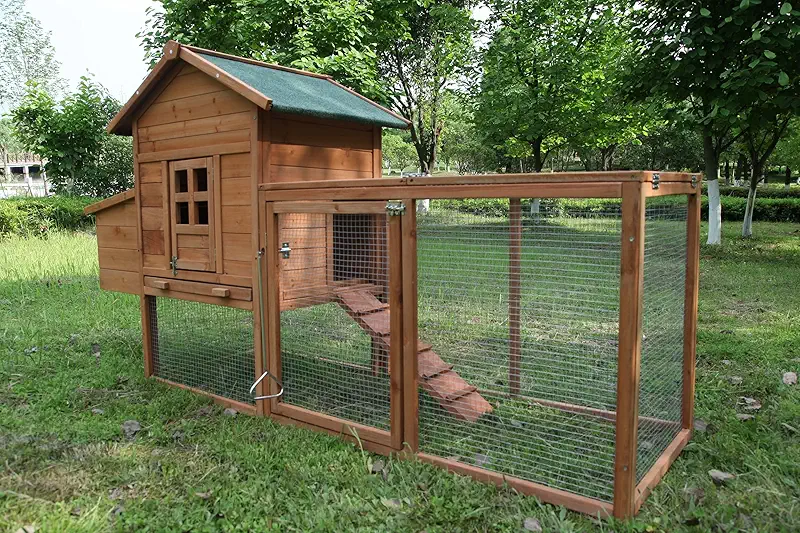
Why Size Matters More Than You Think
On paper, you’ll hear numbers like “4 square feet per hen inside” and “8–10 square feet per hen in the run.” Those are fine starting points, but they don’t tell the whole story. Real life is mud, snowdrifts, and that one bossy hen who thinks every feeder is hers.
With an extra large chicken coop with run, you’re not just giving them room on a sunny day. You’re giving them enough space when half the run is muddy, or the wind is hammering one side of the yard, or you’ve had to close off a section for repairs. Big coops give you margin, and margin is what keeps birds healthy when the weather turns.
Real-World Space Rules I Use
- Inside the coop, I aim for at least 5 square feet per standard hen.
- In the run, I like 12–15 square feet per bird when I can manage it.
- Roosters, heavy breeds, and active foragers all get a little extra room.
- If you plan on growing your flock, size for your “future” number, not today’s.
Every time I’ve gone bigger than I “needed,” I’ve been glad I did. Every time I squeezed birds in because “it’s just for winter,” I paid for it with pecking and vet bills.
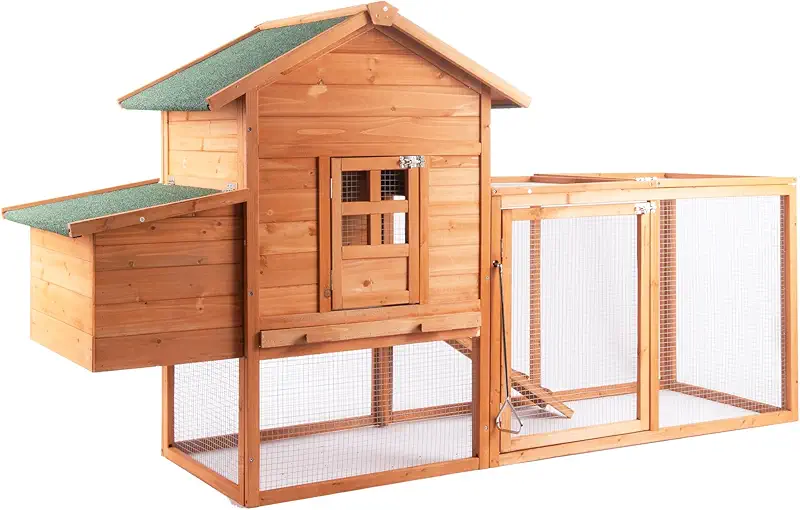
Key Features To Look For In An Extra Large Coop With Run
When you’re choosing an extra large chicken coop with run, try to picture scraping droppings in January, carrying water at dawn, and gathering eggs in a thunderstorm. If it still sounds manageable, that coop is worth a closer look.
1. Strong Frame And Predator-Resistant Run
Out here we joke that if the wind doesn’t test your coop, the raccoons will. I’ve had coyotes circle the run, foxes try to dig under, and one raccoon that opened latches like it had thumbs and a bad attitude.
- Look for thick framing lumber or strong metal tubing.
- Run walls should use real hardware cloth, not thin chicken wire.
- Buried wire “apron” or boards around the run edge help stop diggers.
- Roofed or partially roofed run keeps mud and hawks under control.

Chicken wire keeps chickens in, but it doesn’t keep hungry things out. I’ve seen raccoons reach right through, grab a bird, and pull what they can. An extra large chicken coop with run deserves proper hardware cloth on the lower panels at least.
2. Ventilation Without Drafts
Old-timers will argue about the best feed until sunrise, but almost all of us agree: good ventilation is non-negotiable. Moist air and ammonia build-up cause frostbite and respiratory trouble, especially in bigger flocks.
- Look for vents high on the walls, above roost height.
- Windows you can open in summer and close in stormy weather are gold.
- Roof overhangs help you vent more without rain blowing in.
3. Roosts, Nest Boxes, And Easy-Clean Floors
A good extra large chicken coop with run should be easy to clean and easy to understand—for the birds and for you.
- Roosts higher than the nest boxes so hens sleep on the bars, not in the nests.
- About 10–12 inches of roost space per hen, more for big breeds.
- Nest boxes at about one box per 3–4 hens, with a little privacy.
- Flat, solid floors that you can rake, scrape, and shovel without cussing.

How A Big Coop And Run Keep Hens Laying Strong
Laying hens are creatures of habit. They like routine, safety, and enough elbow room to ignore that one hen they don’t like. An extra large chicken coop with run keeps them in that sweet spot almost year-round.
Less Stress, Better Eggs
I had a flock of mixed breeds one year—Rhode Island Reds, Barred Rocks, a couple of Orpingtons—about twenty hens total. When they outgrew their smaller coop, egg production dipped, and I saw more pecked feathers on their backs and tails.
After moving them into a bigger coop with a long run, things changed fast. Birds spread out, fights dropped off, and the eggs picked up again within two weeks. Same feed, same birds, same farmer. Just more room, more fresh air, and more dry ground to scratch.
Cleaner Birds, Cleaner Eggs
With more space and a good run, droppings dry out instead of turning into a sticky, stinky mess. Chickens stay cleaner, their feet stay healthier, and the eggs don’t come in looking like they lost a fight with a mud puddle.
A covered section of the run, especially on an extra large setup, is worth its weight in gold. I like to layer straw or wood chips under that roof, so the hens always have a dry spot to scratch and dust-bathe, even when the rest of the yard looks like hog heaven.

Setting Up Your Extra Large Chicken Coop With Run
Once you’ve picked out a solid extra large chicken coop with run, the next step is choosing a smart spot and setting it up right. A good location can be the difference between “That was a good idea” and “Why is everything floating after the rain?”
Choosing The Right Location
- High, well-drained ground: Avoid low spots where water collects.
- Some shade, some sun: Trees or a shade cloth on one side works nicely.
- Wind protection: Buildings, hedges, or a fence can break cold winter winds.
- Close enough to the house: You’ll thank yourself on dark, icy mornings.
Bedding, Feeders, And Waterers
I treat the inside of an extra large chicken coop with run like a little barn. Everything should have its place, and you shouldn’t have to play “dodge the chicken” just to set a water bucket down.
- Use pine shavings or chopped straw on the floor; keep it dry and fluffed.
- Hang feeders and waterers at back height so they don’t fill with litter.
- Keep water in the run in warm months and inside in deep winter.
- Put grit and oyster shell in separate containers, available all the time.

Routine Care For A Big Coop
Folks get nervous about cleaning an extra large chicken coop with run, but done right, it’s not harder—just more walking. I’d rather walk a few extra steps in a clean, roomy coop than crawl around a cramped, stinky one.
- Scrape roost bars and droppings boards every few days.
- Rake or stir bedding weekly to keep it dry and crumbly.
- Add fresh shavings or straw as needed; full clean-outs a few times a year.
- Walk the run fence and wire weekly to check for digging or damage.

Common Mistakes Folks Make With Big Coops
I’ve made just about every mistake a person can make with chickens, and a few I had to invent myself. When it comes to an extra large chicken coop with run, here’s where people usually trip up.
Underestimating Predators
Just because you haven’t seen a raccoon, fox, or hawk doesn’t mean they haven’t seen your birds. Animals watch in silence for days before they make a move. A large run is a big, tempting target.
Ignoring Ventilation In Winter
Folks close every crack in cold weather, thinking they’re helping. What they’re really doing is trapping warm, wet air right at comb height. That’s how you get frostbite and coughing hens.
Forgetting Future Flock Plans
I’ve never met a keeper who said, “I wish I’d built a smaller coop.” I have met plenty who said the opposite. If you think you might add ducks, meat birds, or a second batch of layers someday, plan that into your extra large chicken coop with run now.

If your hens are starting to crowd the roosts, or if you just want to do this right the first time, an extra large chicken coop with run can make your daily chores calmer and your flock a whole lot happier. Take your time, picture your birds in the space, and trust that going bigger within reason is rarely a mistake.
Let me see optionsFAQ About Extra Large Chicken Coops With Runs
If you’re picturing where that extra large chicken coop with run could sit in your yard, you’re already halfway there. The right setup will save you time, keep your birds safer, and make those early-morning egg runs a little more satisfying.
Show me all coops