
Extra large chicken coop
Extra Large Chicken Coop
A roomy coop makes calmer hens, cleaner eggs, and a whole lot less work for you – spoken from a farmer who has shoveled more than enough shavings in his life.
I’ve raised laying hens on this patch of American soil for more years than I like to count. When folks ask what changed my mornings the most, I don’t say a new tractor or fancy feeder. I say a good extra large chicken coop that finally gave my birds the space they deserved.
Crowded birds are noisy, nervous, and hard on each other. Give them room to breathe, stretch, dust bathe, and nap, and they reward you with strong shells, steady laying, and a quieter yard. Around here, the coop is more than a box with a door – it’s the heart of the flock.
Let me see options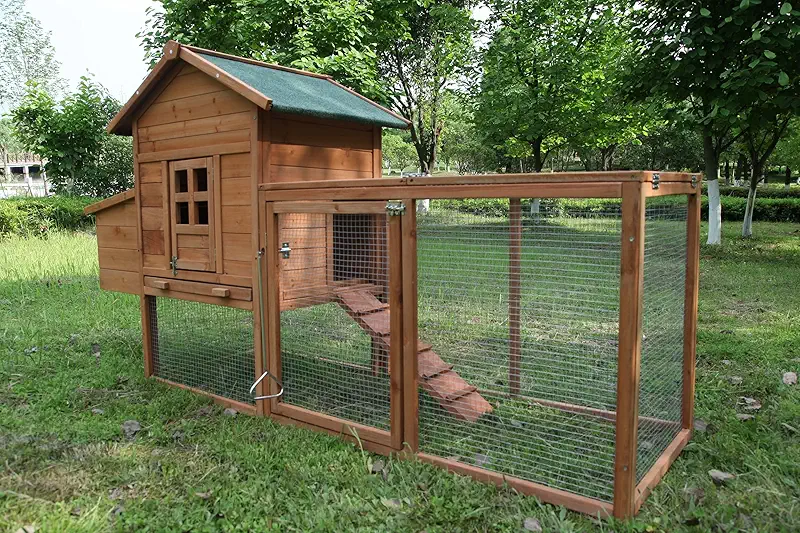
Why a bigger coop changed my mornings
Years ago, I tried to “make do” with a small coop and too many birds. Every morning felt like breaking up a bar fight at sunrise. Hens yelling, feathers flying, and one mean red hen pecking everyone’s tail. Eggs got cracked, combs got bloody, and I got plain tired.
When I finally moved the flock into an extra large chicken coop, the change was almost spooky. The bossy hens calmed down, the shy ones had places to hide, and the eggs started coming steady and clean. I still had work to do, but not nearly as much drama.
Here’s what stood out once my hens had plenty of space:
- Less pecking and bullying around feeders and nest boxes.
- Cleaner bedding that didn’t need to be changed every time I turned around.
- Fewer broken eggs and almost no poop in the nest boxes.
- Calmer evenings – birds settled themselves without me playing referee.
- Room to add a few more hens without starting a coop war.
Space doesn’t fix every problem, but it fixes a whole lot of them. Think of an extra large chicken coop as cheap insurance for both your birds and your sanity.
How much space do hens really need?
I like simple numbers, the kind you can scribble on the back of a feed bag. Here’s what has worked well for my laying flocks over the years:
Indoor coop space (minimums that I actually trust)
- 4 square feet per hen if they free-range every day.
- 5–6 square feet per hen if they’re in a run most of the time.
- 8 square feet or more per hen if winters are long and they stay inside often.
For an extra large chicken coop meant for, say, 10–12 hens, I’m aiming for at least 60–80 square feet of indoor space. That might sound big, but the first time a blizzard rolls in and the birds are stuck inside for three days, you’ll be glad for every extra board.
Run space: where the real living happens
- 8–10 square feet per hen is the bare minimum run space.
- 15–20 square feet per hen makes a huge difference in behavior and feather quality.
The more they scratch outside, the less they pick on each other inside. A big run attached to an extra large chicken coop is like giving a child a backyard instead of a closet.
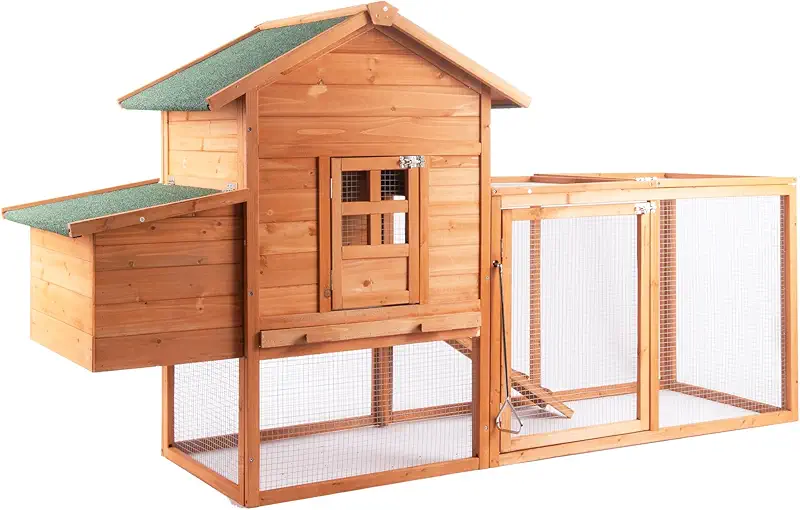
Key features I look for in an extra large chicken coop
When I study a new coop, I don’t care how pretty the picture is. I picture January mud, July heat, and a rooster that thinks he’s ten feet tall. If a coop can handle all that, then it’s worth a second look.
1. Strong frame and predator-safe build
Around here we’ve got raccoons that know how to open latches, foxes that move like shadows, and neighbor dogs that mean well but don’t behave. An extra large chicken coop needs to stand up to all of them.
- Solid framing that doesn’t wobble when you push on it.
- Real hardware cloth on openings, not flimsy chicken wire alone.
- Doors that close tight, with latches a raccoon can’t easily flip.
- Floor that’s either raised off the ground or well protected from digging.
2. Enough roosting space for every bird
Chickens like to sleep up off the ground. In a cramped coop, the low hens get pushed off the roost and end up sleeping in the shavings – or worse, in the nest boxes. That’s a fast road to dirty eggs.
- Plan 8–10 inches of roost per bird, more for big breeds.
- Roosts should be higher than the nest boxes.
- A gentle ladder or stepped roosts keep older hens from hurting their legs.
3. Nest boxes that actually stay clean
On one of my first coops, I made the nest boxes too low and too close to the feeder. The hens treated them like hangout spots and bathrooms. I spent more time washing eggs than eating breakfast.
- One box for every 3–4 hens is plenty.
- Mounted a little off the floor, darker and quieter than the main area.
- A lip on the edge to keep bedding and eggs from rolling out.
4. Ventilation without a draft
A big coop with bad air is just a big problem. You want fresh air up high to carry out moisture and ammonia, but you don’t want cold wind blasting across the roosts.
- Vents up near the roof line on two sides.
- Windows or openings you can close in severe storms.
- No gaps right at roost height where hens sleep.

A good extra large chicken coop doesn’t have to be fancy, but it should be honest. Strong where it counts, easy to clean, and built with the birds’ habits in mind.
Layout ideas that make daily chores easier
When you’re young, you don’t think about bending and lifting. After a couple of decades of chicken keeping, you start planning coops that save your back. A big coop gives you room to be smart with the layout.
Walk-in height: worth every inch
Being able to walk into an extra large chicken coop is something I’ll never give up. No more crawling on my knees with a feed bucket, bumping my head on low boards, or trying to rake out bedding from the outside.
- Room to stand and turn with a shovel or rake.
- Space for hanging feeders and waterers at chest height.
- Easy to catch a hen when you need to check a leg or treat a wound.
Keep the “dirty” side and “clean” side separate
In my larger coops, I like to think in zones:
- Clean side: nest boxes, egg collection, and storage for bags of shavings.
- Busy side: feeders, waterers, and the door to the run.
The less traffic around your nest boxes, the less dirt ends up on your eggs.

Easy access doors and drawers
On one of my favorite setups, the nest boxes open from the outside with a simple lid. I can gather eggs with my boots still on the gravel, cup of coffee in hand, and never step in the coop. Lazy? Maybe. Efficient? Definitely.
Look for designs where:
- You can reach every corner with a rake.
- The main door is wide enough for a wheelbarrow, if possible.
- Egg collection doesn’t mean climbing over a feeder.
Setting up your extra large chicken coop for happy layers
A good coop is the frame. How you set it up is the painting. Over the years, I’ve learned a few simple habits that keep my hens laying and my mornings peaceful.
Bedding that works with you, not against you
I’ve tried straw, sand, shavings, and whatever else the feed store guy was pushing that week. What I’ve come back to is this:
- Pine shavings on the floor for most coops – absorbent and easy to rake.
- Straw only if I’m careful about moisture and mites.
- Deep litter method in bigger coops, adding clean shavings and turning it regularly.
In an extra large chicken coop, deep litter really shines, because there’s room to keep it dry and managed. The birds help turn it, and the smell stays surprisingly mild if you stay ahead of it.
Feed and water placement
I like feeders and waterers near the door that leads to the run. That way traffic flow is simple, and birds don’t camp out in front of the nest boxes.
- Hang feeders at the height of the hens’ backs.
- Keep water away from bedding you want to stay dry.
- Make sure there’s room for everybody at feeding time.

Light, shade, and daily rhythm
Hens like routine. They like knowing when the sun hits the run and where the shady spots are at noon. When you set up your big coop, watch how the light falls through the day.
- Give them bright light in the morning to encourage laying.
- Make sure there are shady resting spots in the run.
- Don’t blast them with a bright light at night – let dusk do its job.
If the birds put themselves to bed before you even get your boots on, you’ve done something right.
Choosing the right extra large chicken coop for your flock
Not every coop fits every farm. A small backyard in town is different from my old pasture out here. The birds don’t care about brand names – they care about space, safety, and comfort.
Think about your future flock, not just today
Almost everyone I know who starts with chickens ends up saying, “Well… maybe just a few more.” I call it chicken math. You start with six and suddenly you’re at twelve, wondering what happened.
When you look at an extra large chicken coop, ask yourself:
- If I added 4–6 hens, would this still feel roomy?
- Is there space for a broody hen or a separate corner for younger birds?
- Could I add another roost bar later if I needed to?
Planning a little bigger now is cheaper than rebuilding later.
Weather and climate realities
Up north, I care more about keeping wind and snow out. Down south, friends of mine care more about shade and airflow. The same extra large chicken coop behaves differently depending on where you set it.
- Cold climates: tight walls, good vents up high, maybe room for a safe heat source.
- Hot climates: more windows, big shaded run, light-colored roof.
- Windy areas: set the coop so doors don’t face the prevailing winter wind.

Maintenance: will you dread cleaning day?
A big coop that’s hard to clean becomes a big mess in a hurry. When I look at designs online, I ask one simple question: “Can I clean this out in less than half an hour without cussing?”
- Removable trays or big doors make a big difference.
- Smooth surfaces inside are easier to scrape and hose.
- Room to swing a shovel without punching a hole in the wall.
If cleaning is easy, you’ll keep up with it. The hens will thank you with better health and prettier eggs.
My honest thoughts on prefabricated extra large coops
I’ve built coops from scrap lumber, turned old sheds into hen palaces, and tried a fair share of prefabricated coops too. Some of those ready-made extra large chicken coops surprised me in a good way, and a few made me shake my head.
Where prefab coops shine
- You can get birds housed quickly without learning every power tool in the barn.
- Many models already have nest boxes, roosts, and runs laid out.
- Easier to move around a yard than a heavy homemade shed.
For folks who work long hours off the farm, a solid pre-built or kit-style coop can be a lifesaver. You can start collecting eggs without spending three weekends on a construction project.
Where you still need good judgment
The pictures almost always show fewer birds than the box claims it fits. That’s your first clue. So when you look at any extra large chicken coop design:
- Use your own square-foot-per-bird math.
- Check the hardware and wire type in the description.
- Look closely at roost and nest box placement.

A small story from my own yard
I once brought home a “large” coop kit that swore it could handle 10 birds. After I put it together and stepped inside, I laughed and told my wife, “Well, it might fit 10 birds, but only if they sign up for a carpool.”
I ended up using it as a grow-out coop for young pullets and eventually added onto it. No real harm done, but it reminded me to trust my tape measure more than the label on the box.

If you keep your expectations honest and your bird numbers reasonable, a prefabricated extra large chicken coop can serve you well and save time. Just don’t be shy about reinforcing a latch, adding a bit more wire, or tweaking roosts to match how real hens behave.
Frequently asked questions about extra large chicken coops
1. How many hens can I keep in an extra large chicken coop?
That depends on the real floor space, not the word “extra large” on the box. I start with 4–6 square feet per hen inside and more if winters keep them indoors. So if your coop has around 80 square feet of floor space, I’d be comfortable with 12–16 birds, especially if they have a decent run. You can squeeze more in on paper, but the birds will let you know they’re not happy.
2. Do I really need a run if my coop is extra large?
I’d say yes, almost always. The coop is where they sleep and lay; the run is where they live their daytime lives. Even with a roomy extra large chicken coop, hens do better when they can scratch, dust bathe, and chase grasshoppers outdoors. If you can’t free-range them, a good-sized, secure run is the next best thing.
3. How high should the roosts be in a large coop?
I usually set roosts about 18–36 inches off the floor, with a little ladder or stepped setup if they’re on the higher side. The key is to keep roosts higher than the nest boxes so hens don’t sleep in the nests. In a tall extra large chicken coop, you can even build multi-level roosts, as long as there’s room for droppings to fall without hitting birds below.
4. Is an extra large coop harder to keep warm in winter?
A bigger space does take more thought in cold weather, but chickens bring a lot of their own heat if the coop is tight and well ventilated. I focus on blocking drafts at bird level, keeping bedding dry, and providing good roosts so they can fluff their feathers. In very cold climates, some folks add safe, low-level heat, but many flocks do just fine in a big coop if it’s built solid and dry.
5. What’s the biggest mistake people make with extra large chicken coops?
The biggest mistake I see is using the extra space to cram in too many birds. That turns a good coop into a crowded one real fast. Second mistake is forgetting about predators – big coops still need strong wire, tight doors, and good latches. If you respect the space, keep the head count reasonable, and build for the critters that roam your area, an extra large chicken coop becomes one of the best investments you can make for your hens.
If you’re ready to see what’s out there, take your time, trust your tape measure, and picture your hens living their best little chicken lives.
I’ll browse coops now