
Farmhouse chicken coop
Farmhouse Chicken Coop
I’ve been raising laying hens out here in the States longer than some of my neighbors have been alive. A good farmhouse chicken coop is the difference between peaceful mornings with fresh eggs and chasing birds at 5 a.m. in your pajamas.
On this page I’ll walk you through what really matters in a farmhouse chicken coop – not catalog talk, but what holds up to wind, mud, and stubborn hens. I’ll share what’s worked on my own farm, what I messed up (plenty), and how you can give your girls a safe, cozy home without overcomplicating it.
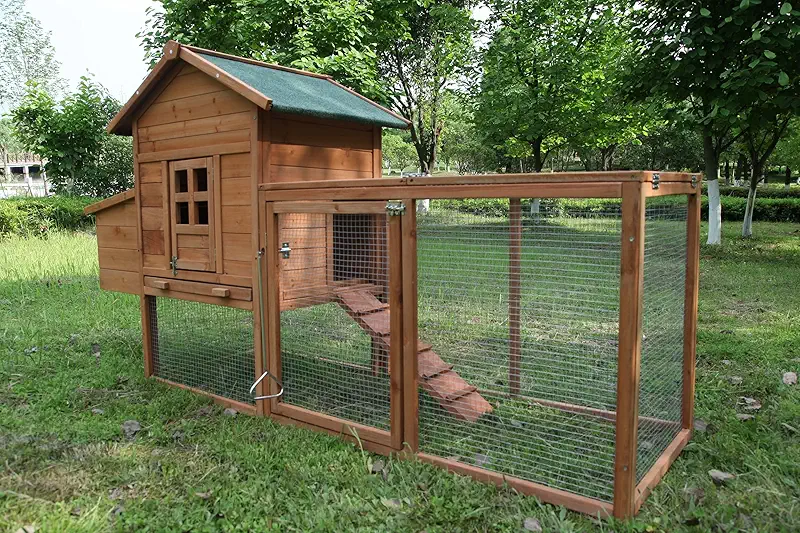
What I look for in a farmhouse chicken coop
When folks ask me what makes a good farmhouse chicken coop, I don’t start with how “cute” it looks. I start with this simple question: “Will my hens be safe and dry in the worst weather we get here?” If the answer is no, I don’t care how pretty the trim is.
Out here, we get hot summers, cold snaps in winter, and the kind of sideways rain that’ll find any weak spot. Through all that, a solid farmhouse chicken coop should keep birds:
- Dry when it pours
- Cool enough in summer heat
- Out of the wind in winter
- Safe from raccoons, foxes, and neighbor dogs
- Comfortable enough that they keep laying strong
The good news is, a well-designed farmhouse chicken coop doesn’t need to be fancy. It just needs the right mix of sturdiness, airflow, easy cleaning, and enough room that your hens don’t feel like they’ve been stuffed in a grain sack.
Size, space, and how many hens your coop can really handle
I learned about space the hard way. Years back I thought, “They’re just chickens, they don’t mind being close.” Well, they minded. Pecking, feather loss, and one very grumpy rooster later, I rebuilt my setup.
With a farmhouse chicken coop, here’s the simple rule of thumb I use these days:
- Inside the coop: at least 3–4 square feet per hen
- Outdoor run: 8–10 square feet per hen is ideal
- Roosting bar: about 8–10 inches of perch per hen
More space is always better if you can swing it. A tight coop may look “efficient” on paper, but in real life it turns into noise, stress, and fewer eggs. Hens are like family at Thanksgiving: if you cram them too close, someone’s gonna start fussing.
When you look at a farmhouse chicken coop online, check the realistic capacity. If the description says “8–10 chickens,” I ask myself, “Would I put 6 in there and feel good about it?” That little mental trick keeps me honest.
Different farmhouse chicken coop layouts can make the same square footage feel roomy or cramped. Long, open interiors with straight roosts usually work best.
Flooring, cleaning, and keeping smells under control
Let me be honest: a chicken coop will never smell like a bakery. But a good farmhouse chicken coop shouldn’t knock you over when you open the door, either.
There are three things I look at for easy cleaning and low smell:
1. Solid, raised floor
A raised wooden or composite floor keeps birds up out of mud and standing water. If you go with dirt floors, you’ll fight damp bedding, smells, and sometimes rats. I’ve been there. My best coops have floors high enough that rain never sneaks in.
2. The right bedding
I use pine shavings most of the year in my farmhouse chicken coop. They’re easy to rake, absorb well, and they don’t make the birds cough. Straw looks pretty, but it mats down, molds easier, and hides droppings.
3. Big doors and access panels
I want to be able to get a shovel, rake, or at least both hands into any part of my coop. When I check a farmhouse chicken coop design, I picture myself cleaning it after three months of busy life. If I can’t reach corners or under the roosts, I move on.
Many of the better farmhouse chicken coop models have:
- Drop-down trays under the roosts
- Large back doors for clean-out
- Removable nest box lids
These little details don’t feel exciting when you’re shopping. But six months down the road, when it’s snowing and you’re scraping poop in a headlamp, you’ll be thankful.

Good farmhouse chicken coops balance fresh air with shelter from wind and storms. Look for vents high up under the roof or along the gables.
Ventilation: the quiet hero of a healthy coop
If you remember one thing from this page, let it be this: a dry, well-ventilated farmhouse chicken coop will beat a “warm but damp” one every single time.
Hens can handle cold better than people think, but they struggle with damp, stale air. That’s what causes frostbite on combs in winter and breathing issues year-round.
On my own farm, every coop I trust has:
- Vent openings near the roofline, above roost height
- Wire-covered windows that can be opened in summer
- No drafts blowing directly at the birds while they sleep
When you study any farmhouse chicken coop photos, look for vent slits, gable vents, or windows covered with hardware cloth. If all you see is solid wall and one tiny window, that’s a red flag.
Predator protection: raccoons don’t read “no trespassing” signs
Out here, I don’t sleep well if I don’t trust my coop. Raccoons, foxes, hawks, owls, stray dogs – they all see your hens as a free buffet.
A farmhouse chicken coop has to be tougher than it looks in the photos. Here are the basics I insist on:
Strong wire, not thin mesh
I prefer hardware cloth (the stiff, welded kind) over flimsy “chicken wire.” Chicken wire keeps birds in; it doesn’t keep determined predators out. I’ve seen raccoons reach right through larger gaps.
Secure latches
Raccoons are clever little bandits. If a child can open a latch, a raccoon might manage it too. Look for:
- Slide bolts that can take a carabiner or clip
- Double latches on large doors
- Snug-fitting nest box lids
Solid framing and roof
Thin framing warps, and once things twist out of line, gaps appear. I like farmhouse chicken coops that show:
- Decent thickness lumber or panels
- Metal or shingled roofs that shed water well
- A run that ties firmly into the coop body
Many of the sturdier farmhouse chicken coop designs give you that “barn” feeling in miniature – not just a box for birds, but a little structure that belongs on a working property.
Nest boxes and roosts: where the magic (eggs) happens
I like to joke that hens are picky about two things: where they sleep and where they lay. Get those right in your farmhouse chicken coop, and a lot of problems never show up.
Comfortable nest boxes
My rule is 1 nest box per 3–4 hens. Funny thing is, they’ll still fight over the same favorite box, but the extras keep peace most days.
Good nest boxes in a farmhouse chicken coop are:
- Just off the floor so they feel safe
- Shaded or dim, not in bright sun
- Filled with soft bedding like pine shavings
Solid, level roosts
Chickens like to sleep up off the ground. I use 2x3 or 2x4 boards with the wide side up, edges slightly rounded. Round dowels can make them grip too tight, especially in cold weather.
Make sure roosts are:
- Higher than the nest boxes
- Sturdy with no wobble
- Spaced so they’re not pooping on each other all night

Many farmhouse chicken coop designs come with built-in nest boxes and roosts so you don’t have to guess at heights and spacing.
Weather, seasons, and setting your coop in the right spot
A good farmhouse chicken coop can still fail if you park it in the wrong place. I’ve moved coops more times than I care to admit, and now I think about it like choosing a campsite that never moves.
Sun, shade, and wind
I like my coop where it:
- Gets morning sun to dry things out
- Has some shade in the hot afternoon
- Uses trees, a fence, or a building as a windbreak
In summer, shade and airflow keep hens from overheating. In winter, avoiding strong wind is more important than aiming for “warmth.”
Drainage under and around the coop
If the ground under your farmhouse chicken coop turns to soup every rain, you’ll battle mud forever. Try to pick a slightly higher, well-drained spot. I’ve even laid down gravel or pallets under lighter coops to give them a dry foundation.
Access for you, not just the birds
Think about winter paths, hoses for water, and carrying feed. That lovely corner behind the shed might look peaceful now, but hauling 50-pound feed bags there in snow will change your mind real quick.

Some farmhouse chicken coop layouts are made with real chores in mind: easy egg collecting, quick cleaning, and secure doors.
Daily life with laying hens in a farmhouse coop
A lot of folks imagine cute hens and wicker baskets of eggs. That part is true, but there’s also mud on your boots and the occasional chicken who thinks your porch is the new roost.
With a well-planned farmhouse chicken coop, the daily routine stays pretty simple:
- Open the coop in the morning, check feed and water
- Quick scan for anything odd – a limp, a droopy comb, a hen off by herself
- Gather eggs once or twice a day
- Close up tight at dusk, count heads on the roost
Once a week I do a light clean – stir or top off bedding, scrape obvious messes off the roosts. Every month or so (depending on flock size), I do a deeper clean of the whole farmhouse chicken coop.
If you set things up right from the start – with good access, enough space, and solid construction – tending hens becomes a calm part of the day instead of a chore you dread.
Choosing the right farmhouse chicken coop for your flock
Not every coop fits every farm or backyard. What works for my dozen hens and plenty of yard might not fit a small suburban lot or a bigger homestead.
When I help friends pick a farmhouse chicken coop, we walk through three simple questions:
1. How many hens now…and later?
Most people start with “just four hens” and end up with eight. Hens are like potato chips; it’s hard to stop at one handful. If you can, look at a coop that fits the birds you want over the next couple of years, not just the birds you have this minute.
2. How much time do you honestly have?
If you’re busy, lean hard toward a farmhouse chicken coop that:
- Has easy egg access from outside
- Has slide-out trays or big doors for cleaning
- Doesn’t need constant patching or adjusting
A little convenience built into the coop keeps you from cutting corners when life gets hectic.
3. How tough is your weather and predator load?
If you’re in mild weather with few predators, you’ve got more flexibility. If you’re somewhere with hard winters or heavy predator pressure, go for the sturdiest farmhouse chicken coop you can manage.
The nice thing is, you can see a wide spread of designs and build quality in one place and match them to your answers.

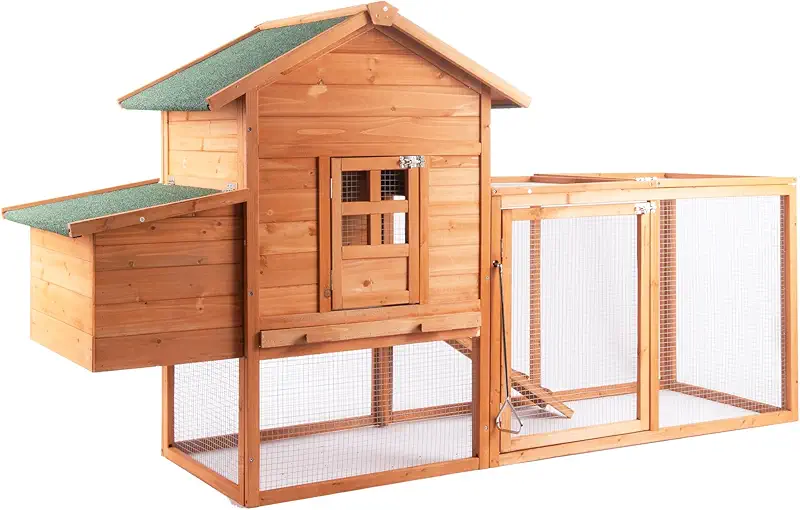
From small backyard setups to roomier farmhouse chicken coops, different models suit different flocks, climates, and yards.
Common farmhouse chicken coop mistakes I’ve made (so you don’t have to)
I’ve been at this long enough to collect a good list of “won’t do that again” stories. Here are a few mistakes I made with early farmhouse chicken coops:
- Too small, too soon: I trusted the optimistic “can hold 10–12 hens” label and packed birds in. Now I mentally subtract a couple of chickens from those numbers.
- Pretty, but flimsy: One coop looked great in the brochure but didn’t care for wind. First big storm, a panel twisted and the door never closed right again.
- Not enough ventilation: I thought fewer vents meant warmer hens. What I got was damp bedding and frostbite risk. More vents high up fixed that.
- Bad placement: I once set a coop in a low spot because it was “out of the way.” After two rains, it was more duck pond than chicken yard.
- Overcomplicated builds: I’ve built a few things that looked clever but were a pain to clean. Simple, solid, and easy to reach beats fancy every time.
When you’re looking at farmhouse chicken coops, use my bruises and lessons. Think long-term, not just “will it work this weekend.”
Farmhouse chicken coop FAQ
Why I still trust a classic farmhouse chicken coop design
After all these years, I keep coming back to the same basic style: a simple, sturdy farmhouse chicken coop with a good roof, decent walls, gentle airflow, and room for birds to act like birds.
Trends come and go – tiny coops, futuristic shapes, cute paint jobs. The hens don’t care about any of that. They care about:
- Feeling safe on the roost at night
- Having a quiet nest to lay in
- Dry feet, dry feathers, and fresh air
- Enough space to stretch, scratch, and dust bathe
A well-made farmhouse chicken coop hits all those notes without fuss. It fits into a yard or a small farm, it does its job in every season, and it lets you enjoy the best part of keeping hens: those quiet moments in the morning, the soft clucks, and the warm eggs in your hands.
If you’re ready to give your flock a place like that, take your time, look over the details, and picture your birds living in each design, not just standing still in the photos.

Classic farmhouse chicken coop styles focus on simple, honest function: shelter, safety, and easy daily chores.
Ready to find a farmhouse chicken coop that fits your life?
You’ve heard my stories, and you know what I look for: space, strength, fresh air, and simple chores. The right farmhouse chicken coop won’t just keep your hens safe; it’ll make caring for them something you look forward to every day.
When you look through different options, remember:
- Give each hen room to live, not just survive
- Trust solid materials and good hardware over fancy trim
- Put ventilation and dryness ahead of “coziness”
- Choose layouts that make cleaning and egg gathering easy
Do that, and your hens will pay you back in eggs, garden fertilizer, and more than a few moments that just plain make you smile.

Take your time, compare different farmhouse chicken coop designs, and picture your hens calling one of them home.