Seasoned farmer’s honest notes
Flat Pack Chicken Coop
Flat Pack Chicken Coop: A Farmer’s No‑Nonsense Guide
I’ve been raising laying hens since before my beard turned gray, and I’ll tell you this:
a good flat pack chicken coop can save your back, your time, and a whole lot of cussing
in the yard. If you pick it right, it goes together fast, keeps the birds safe, and
doesn’t turn into firewood after one hard winter.
Let me see options
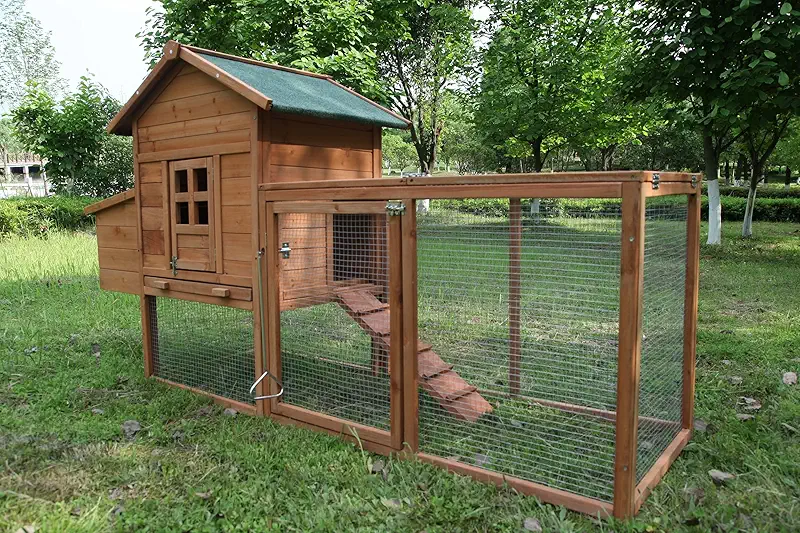
A flat pack chicken coop can come together in an afternoon if you set yourself up right and
don’t overthink every screw.
I remember the first coop I built the old‑fashioned way. Hauled lumber, cut every board,
mis‑measured half of them, and by the time I was done I had more sawdust than money
left. The birds were happy enough, but I was beat. These days, when folks ask how to
get started with laying hens, I usually point them toward a solid flat pack chicken coop
and tell them to save their sweat for the garden.
In this guide, I’ll walk you through what I’ve learned from helping neighbors put
together their flat pack coops, what really matters for egg production and bird health,
and a few mistakes I’ve made so you don’t have to repeat them. Pull up a chair, maybe
a cup of coffee, and we’ll talk coops like two farmers at the feed store.
Why a Flat Pack Chicken Coop Makes Sense for Backyard Eggs
A flat pack chicken coop shows up in boxes, fits in the back of a pickup or SUV,
and goes together with simple tools. For a new chicken keeper, that’s a game changer.
You don’t need to be a carpenter, and you don’t have to buy half the hardware aisle
to give your hens a decent home.
- Less work up front: pieces are pre‑cut and usually pre‑drilled.
- Predictable size: you know how many hens it’s meant to hold.
- Often easier to move: lighter than a full lumber build.
- Cleaner look: if you care what your yard looks like, your spouse might complain less.
Now, not all kits are equal. Some are tough as a boot, some are closer to fancy
cardboard with hinges. The trick is knowing what to look for before you put your
flock in there and learn the hard way during a windstorm.
Farmer tip: Whenever a neighbor shows me a flat pack chicken coop box,
I ignore the pretty picture on the front and go straight to the specs: material,
dimensions, and how the run is attached. Pictures don’t stop raccoons; strong
hardware does.
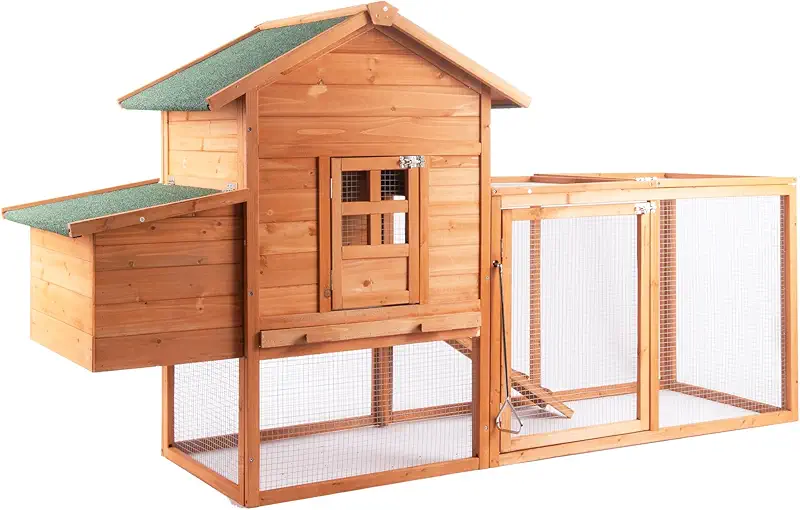
Look for solid framing, tight joints, and hardware cloth on the run. Pretty paint
doesn’t keep predators out; solid build does.
Key Features I Look For in a Flat Pack Chicken Coop
When I’m helping someone choose a flat pack chicken coop, I keep it simple and think
like a chicken. Can I roost safely? Can I lay eggs in peace? Can I stay dry, cool in
summer, and warm enough in winter? If you can say yes to those, you’re halfway home.
1. Realistic Capacity (Not Fantasy Numbers)
Box might say “up to 8 chickens.” That’s marketing talk. I read that as 4 hens
living decent, 5 if you’re pushing it. Chickens like space more than we do,
especially at night on the roosts.
Rule of thumb from my yard: about 4 square feet of coop space per bird, and 8–10
square feet per bird in the run if they’re not free‑ranging much.
2. Solid Floor and Raised Base
You want a raised coop with a solid floor, not something that sits flat on
damp ground. A raised flat pack chicken coop stays drier, gets fewer rodents,
and lasts longer. Wet wood is a coop’s death sentence.
3. Ventilation Without Drafts
I want vents up high, under the roof line, and maybe a window that can be
closed in winter. Chickens breathe out a lot of moisture. Poor ventilation
gives you frostbite on combs, even when temps aren’t that low.
4. Predator‑Proof Run
Where I live, raccoons are smarter than half the people at the county fair.
They can undo simple latches and will test every weak point. I look for
hardware cloth, not flimsy chicken wire, and solid framing around the run.
5. Easy Clean‑Out Access
If you dread cleaning day, you’ll avoid it. I like a kit with a big rear door,
pull‑out tray, or side panels that open wide. That way I can scrape bedding,
toss it in the wheelbarrow, and be back to my coffee in no time.
6. Nesting Boxes That Stay Dry
A flat pack chicken coop should have nesting boxes with a good roof overhang
and solid latches. Wet nesting boxes mean soggy bedding, messy eggs, and grumpy
hens. I’ve never met a hen who likes a damp nest.
Setting Up Your Flat Pack Chicken Coop the Right Way
Putting a kit together isn’t hard, but there are a few things that make the difference
between “nice little coop” and “why is this thing wobbling in the wind?” I’ve helped
friends on both ends of that story.
Pick the Right Spot First
Before you even open the box, walk your yard. I like a spot with morning sun and
afternoon shade if you can get it. Keep it out of low, soggy ground, and away from
where water pools after a storm. Wet feet make sick birds.
Try to keep the coop close enough to the house that you don’t dread going out in
a snowstorm or during a downpour. You’ll thank yourself when you’re checking on
them at 10 p.m. with a flashlight.
Start With a Level Base
Most flat pack chicken coop kits assume you’re setting them on something level.
If the ground is lumpy, the doors won’t line up, and panels will twist. I usually
use concrete pavers or treated 4x4s to make a simple level base.
Farmer tip: Take 30 minutes to level your base and you’ll save
two hours of fighting misaligned screw holes. I learned this the hard way on a
windy Saturday with a bad attitude.
Follow the Instructions… Mostly
Even if you’re handy, lay the parts out and follow the order in the manual, at
least the first time. These kits are like puzzles. Skip ahead and you might end
up undoing half your work. Once it’s together, then you can add your own touches.

A level base, a calm afternoon, and one patient helper turn a flat pack chicken
coop into a solid home before supper.
Daily Life With a Flat Pack Chicken Coop: Keeping Hens Happy
A coop is just the shell. The real magic is in your routine and how you manage your
laying hens. A decent flat pack chicken coop gives you the structure; your habits
give you the eggs.
Roosts, Routines, and Egg Baskets
Hens are creatures of habit. They like to roost in the same spot, lay in familiar
nests, and see you at about the same time each day. I open my coop at sunrise,
close it at dusk, and check nesting boxes morning and evening.
If your flat pack chicken coop has multiple nest boxes, start by blocking off one
or two if you don’t have many hens. They love to crowd into one favorite spot
anyway, so you might as well keep the extra boxes clean until you grow your flock.
Bedding and Cleanliness
I like pine shavings in the coop and straw in the run. Wood shavings absorb
moisture and keep the smell down. In the nesting boxes, I use a mix of shavings
and straw so the eggs have a soft landing and don’t crack on the wood.
In a small flat pack chicken coop, things get messy faster. I do a quick
clean‑up once a week: scrape the roost boards, change out the worst bedding,
and check for damp corners. A deeper clean every month or so keeps flies
and smells from getting out of hand.

Dry, clean bedding and comfortable roosts turn a simple flat pack coop into a
quiet, steady egg factory.
Feeding and Watering Around the Coop
I like to hang the feeder just inside the run, high enough that they don’t kick
bedding into it. Waterers I keep in the run too, out of direct sun. If your flat
pack chicken coop has a small run, consider an extra waterer outside for hot days.
Try not to put feed under the coop where you can’t see it. That’s where rodents
like to throw parties at night. I learned that after chasing a rat out at 5 a.m.
in my slippers. Not my proudest farmer moment.
Weather‑Proofing Your Flat Pack Chicken Coop
Flat pack kits are built to fit in boxes, not necessarily to handle every storm
Mother Nature can throw. With a few tweaks, though, you can toughen them up for
real‑world weather.
Handling Heat
In hot states, ventilation is life or death. I open every vent my flat pack
chicken coop allows in summer and make sure there’s shade on the run after
midday. A piece of shade cloth or a scrap of tin roof on the sunny side
works wonders.
Frozen water is bad, but overheated hens are worse. If you hear them panting
and see wings held away from their bodies, it’s time to cool things down:
more airflow, more shade, and cool water twice a day.
Handling Cold
Folks worry more about cold than chickens do. A dry, draft‑free coop is more
important than fancy heaters. In my flat pack chicken coop setups, I
double‑check that roosts are away from direct drafts, and add a bit more bedding
before a cold snap.
Insulation can help, but don’t seal the coop up like a Tupperware bowl.
Moisture must have a way out. Otherwise you trade cold for frostbite and mold.

Simple upgrades like extra shade, secure latches, and a windbreak can turn a
basic flat pack coop into a weather‑ready home.
Predator‑Proofing the Weak Spots
Store‑bought kits sometimes come with thin wire and cute little latches that
raccoons treat like puzzles. I usually upgrade a flat pack chicken coop the
first weekend I own it:
- Add hardware cloth around the run and bury it 6–8 inches deep as a dig‑guard.
- Swap simple twist latches for locking carabiners or barrel bolts.
- Reinforce corners where panels meet with extra screws or angle brackets.
One neighbor ignored my nagging about this and lost three birds in one night.
We spent the next day reinforcing everything. Now when I warn folks, I say it
like I mean it—because I do.
Common Mistakes Folks Make With a Flat Pack Chicken Coop
I’ve watched a lot of first‑time chicken keepers learn the same lessons I did.
If I can save you a few headaches, well, that’s worth writing all this down.
Overcrowding the Coop
Cramming too many hens into a small flat pack chicken coop is asking for trouble:
pecking, feather loss, and stress. Start with fewer birds than the box claims,
watch how they act, then decide if there’s room for more.
Ignoring the Run Size
The coop might look big enough, but if the run is tiny, your hens will pace like
prisoners. Either make sure the kit comes with a decent run or plan to attach an
extra fenced area so they can stretch their legs.
Skipping Regular Checks
People build the coop, move in the hens, and then forget to check screws,
latches, and joints. Once a month, I give the whole setup a “shake and stare”
test—gently push, pull, and see what moves that shouldn’t.
Trusting Paint Over Build Quality
A pretty paint job hides thin wood. I care more about weight, thickness of the
panels, and how the frame is joined. A good flat pack chicken coop feels solid
when you lean on it. If it wiggles like a cheap lawn chair, I move on.
How a Flat Pack Chicken Coop Fits Different Flock Sizes
Not everyone wants a whole barnyard. Some folks want three hens for weekend
omelets; others end up with a dozen birds because, well, chicken math is real.
Your flat pack chicken coop needs to match what you’re actually planning to keep.
Small Backyard Flocks (2–4 Hens)
For a small flock, most standard flat pack chicken coop kits will do fine,
as long as the run isn’t tiny. Make sure there are at least two nesting
boxes so they’re not all trying to pile into one at once.
Medium Flocks (5–8 Hens)
Here’s where you really need to watch capacity claims. Look for coops with
generous roost space and more run area. In my yard, 6 hens are about the
sweet spot for a medium flat pack coop with a decent run.

Match your flat pack coop size to your flock, not to the number printed on
the box in big, bold letters.
If you think you might add more birds later—and most people do—consider going one
size bigger on the coop right from the start. It’s easier than trying to explain
to your kids why some hens have to “move out” later.
Adding Your Own Touches to a Flat Pack Chicken Coop
One thing I like about these kits is that they give you a good base, and then
you can make it yours. Farmers love tinkering, and I’m no exception.
Simple Upgrades I Use
- Extra roost bar across the run for more perching space.
- Removable poop board under the indoor roost to speed up cleaning.
- Gutter or small overhang on one side to keep water off the doorway.
- Hook for the egg basket right by the nest box access door.
A Word on Paint and Sealer
If your kit is bare wood, I like to seal the outside with a good exterior
sealer or paint before assembly or right after. Don’t bother painting the
inside where the hens roost—it just gets dusty. Focus on the spots that
see sun, rain, and snow.

Little upgrades—a better latch here, a shade panel there—turn a basic flat
pack chicken coop into a setup that feels custom‑built.
Don’t feel like you need to do everything at once. Put the coop together,
live with it a few weeks, then note what bugs you. Fix those first. A coop
should work for you, not the other way around.
Flat Pack Chicken Coop – Frequently Asked Questions
1. How many hens can I really keep in a flat pack chicken coop?
I always cut the advertised number in half. If the box says “8–10 chickens,”
I treat it as a comfortable home for 4–5 laying hens. They’ll have enough
roost space, better air, and fewer squabbles. Hens with room lay better and
stay calmer, and calmer hens are easier on your nerves too.
2. Will a flat pack chicken coop last more than a couple of seasons?
It can, if you help it. Assemble it on a dry, level base, seal the outside
wood, touch up any thin spots, and keep the coop clean and dry. I’ve seen
flat pack coops go 5–7 years with basic care and a few reinforced joints.
Leave one sitting in wet grass and never clean it, and it’ll fall apart
sooner than you’d like.
3. Are flat pack chicken coops safe from predators?
They can be, but you shouldn’t trust the box alone. I almost always add
hardware cloth, better latches, and a buried wire skirt. Once you do those,
a good flat pack chicken coop is plenty safe for backyard flocks in most
areas. Think like a raccoon: if you see a weak spot, fix it before they find it.
4. Do I need to insulate my flat pack chicken coop for winter?
In most parts of the U.S., you don’t need fancy insulation as long as the
coop is dry, draft‑free, and your hens are healthy. They wear their own
feather coats. I focus on blocking direct drafts, adding a bit more bedding,
and keeping water from freezing. Insulation is optional; good ventilation is not.
5. Is a flat pack chicken coop good for a beginner?
It’s one of the best ways to start. You get a ready‑to‑go structure without
needing a truckload of lumber and tools. If you pick a sturdy model and set
it up right, you’ll be gathering your own eggs before you’ve had time to
second‑guess the whole idea. Just start small, learn your routine, and grow
from there.

When the coop fits your birds and your daily routine, gathering eggs becomes
the quiet, simple joy it ought to be.
If you’re ready to give your hens a simple, solid home without turning your
weekend into a full‑scale construction project, a well‑chosen flat pack chicken
coop is a fine place to start.
I’ll browse coops now