
Fox proof chicken coop
Fox Proof Chicken Coop
I’ve farmed long enough to learn one hard truth: if there’s a weak spot in your chicken coop, a fox will find it before you do. Let me walk you through how to keep your hens safe, eggs steady, and your nights quiet.
Let me see options I’ll compare a few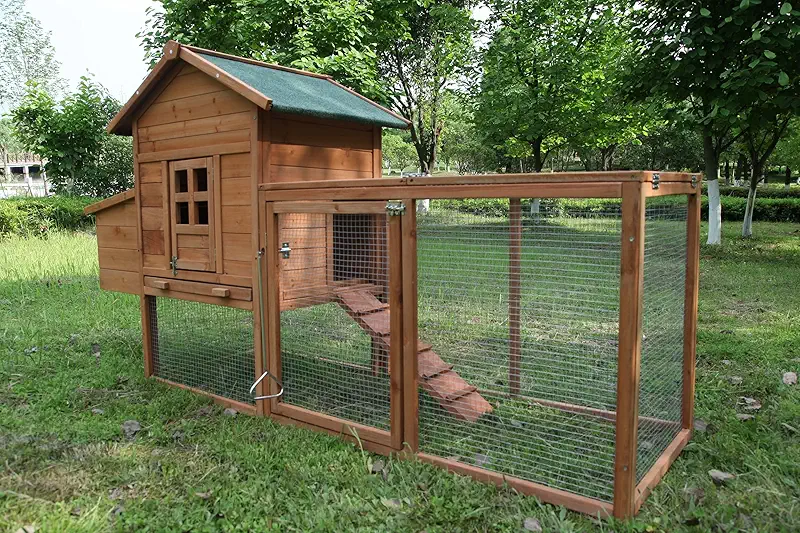
Why a fox proof chicken coop matters more than you think
Out here on my little patch of ground in the States, I’ve learned to respect foxes. They are smart, quiet, and patient. While you’re thinking about feed and egg baskets, they are studying your fence line like a puzzle they’re determined to solve. The day you leave one corner loose or one latch open, that fox will be waiting.
When folks ask me about a fox proof chicken coop, I tell them this: you’re not just buying or building a coop, you’re signing a peace treaty for your own sleep. Once you’ve heard that awful sound of hens panicking in the dark, you won’t forget it. I’ve been there, out in the yard at 2 a.m. in my boots and underwear, chasing a fox with a flashlight and a broom. Funny to picture now, but it was a hard lesson.
A good fox proof setup keeps your hens safe, but it also keeps them calm. Calm hens lay better. They explore, scratch the soil, dust bathe, and chatter like old ladies on a porch. Nervous hens hide, pick at each other, and slow down on eggs. So fox proofing is not just about stopping losses; it’s about making your flock feel like the world is a safe place.
My first fox problem (and what it taught me)
Years ago, I thought a tall fence and a cheap coop would do the trick. Then one morning I walked out with my coffee and saw feathers all over the yard. That fox didn’t go through the fence; he went under it. From that day on, I started thinking like a fox every time I looked at a new coop.
Key features of a truly fox proof chicken coop
Foxes don’t care how pretty your coop looks. They care about the weak spots. When you’re looking at a coop or planning to build one, focus on these things first. Think of this like checking the gates before you let your kids play in the yard.
1. Strong walls and tight openings
Foxes are not big animals, but they’re wiry and flexible. If their skull can fit through a gap, the rest of them usually can too. I aim for openings no larger than about half an inch for any wire parts. Anything bigger than that and you’re basically inviting them to squeeze through or chew their way in.
Look for:
- Solid wooden panels without rotten spots or wide cracks.
- Heavy-gauge wire mesh instead of cheap, thin “chicken wire” that bends by hand.
- Secure joints where walls meet the roof and floor, with no daylight shining through.
2. Proper wire mesh, not just “chicken wire”
Let me tell you a secret that hardware stores don’t always explain: traditional chicken wire is good at keeping chickens in, but not nearly as good at keeping foxes out. Chicken wire twists and bends. A determined fox can bite it, pull it, push it, and eventually widen a hole.
For a fox proof chicken coop, I look for welded or hardware cloth style wire. It stays firm, the squares are small, and once it’s stapled or screwed down tight, it doesn’t give much. I like it on windows, vents, and anywhere air needs to move, but predators might reach.
3. The fox-proof floor and buried skirt
This is where many beginners get caught. Foxes are diggers. If they can’t go through or over, they’ll go under. I’ve watched fresh tracks circle a pen, then stop right where the ground looked soft. That tells you what they’re planning.
You’ve got two main fox-proof choices:
- Solid floor: A wooden or concrete floor that the coop sits on, raised slightly to keep things dry. This makes it almost impossible for a fox to dig straight into the sleeping area.
- Buried wire skirt: A good coop run will have wire that either goes straight down a foot or two, or extends out flat at the bottom like an “apron” for 12–18 inches, covered with soil. When a fox tries to dig at the edge, it hits the wire and usually gives up.
I like a raised coop with a solid floor for the sleeping and nesting area, plus a run with a buried wire skirt. That way my girls can scratch in the dirt, but they’re still safe.
Real‑life examples of fox‑smart coop designs
Let me show you some styles that generally make life hard for foxes and easy for you. When I look at a coop, I picture a fox jumping, digging, and climbing on every corner. If I can’t see a clear way in, I’m interested.
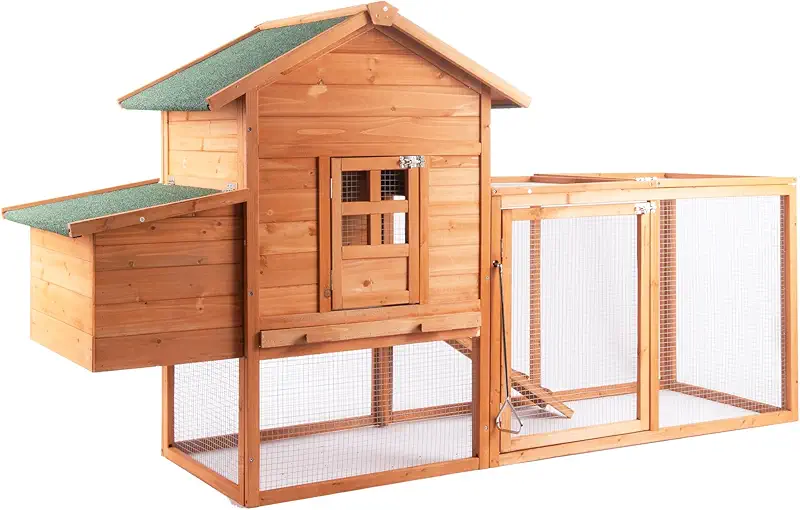
Raised coops keep hens off the ground and make digging much harder for foxes.

Look for sturdy wire runs with tight mesh and strong frames.
Raised coops with secure ramps
A raised coop gives you an automatic advantage. Foxes now have to deal with both height and structure. A solid ramp with a door at the top that locks each night is one of my favorite setups. The hens get shade under the coop during the day and a safe roosting spot at night.
Just pay attention to:
- How the ramp attaches so it can’t be pulled loose.
- Whether the upper door closes flush without big gaps.
- A latch that can’t be nudged or lifted by a curious critter.
Walk‑in coops that make your life easier
Now that I’m not as young as I used to be, I like walk‑in coops more and more. Being able to stand up, clean, and collect eggs without crawling makes chores feel like a calm morning stroll instead of a wrestling match with a spider web. A good walk‑in design can still be very fox proof if you watch the lower three feet carefully.
Strong lower panels, solid doors, and tight mesh on the run are what you want. Don’t let big spaces at ground level stay unprotected; that’s the first place a fox will test.

Walk‑in designs can be cozy for you and safe for the flock when the lower area is reinforced.

Notice the combination of solid panels and tight mesh around the base.
Hardware that keeps foxes out and eggs coming
Doors and latches are the “doorknobs” of your farm security. Foxes don’t have thumbs, but they do have time and curiosity. If a latch is simple enough for a child to bump open, a fox will eventually figure it out too.
Smart latches and locks
I like latches that need two motions to open: lift and slide, or pull and turn. A basic hook can work if it’s tight, but if it swings freely, it might get pushed open by accident. I’ve watched raccoons fiddle with hardware too, and they’re even more talented troublemakers than foxes.
Ask yourself:
- Could a strong wind jiggle this latch open?
- Could a curious animal bump it loose while climbing?
- Will it still close tight when the wood swells in wet weather?
Nesting boxes and access doors
Nesting boxes are wonderful for egg collection, but they can become a weak point if the lid isn’t solid and well‑latched. A fox that learns to push up under a loose egg box lid will have a straight shot into the coop.
Check for:
- Strong hinges that don’t wobble.
- Lids that overlap, not just sit loosely on top.
- A latch or clasp you’ll actually use every day.

Check how nest box lids close and latch, not just how cute they look.

Multiple access points are handy, but each one needs fox‑proof hardware.
Daily habits that make any coop more fox proof
Even the best fox proof chicken coop needs good habits to go with it. I always tell new keepers, “Your routine is part of the fence.” A solid coop with a lazy owner is still a weak system. It doesn’t have to be complicated; it just has to be consistent.
Close the birds in every night
I know, some evenings run long. I’ve come home late from town more than once. But predators know that dusk and dawn are their best chances. If the hens are still roaming in the run with the pop door open after dark, a fox only needs one lucky night.
Make it part of your rhythm:
- Let hens out after sunrise, not in the dark.
- Count them in and close the door around dusk.
- Do a quick walk around the coop with a flashlight once in a while.
Keep feed and scraps under control
Foxes are hunters, but they’re not above an easy meal. Leftover feed, eggs, or kitchen scraps lying around can draw them closer and closer to your coop. I try to keep the yard tidy. The less reason they have to visit, the better.
I pick up spilled feed, don’t leave cracked eggs out, and don’t toss kitchen scraps right against the fence. A bit of distance keeps wild noses from pressing right up against the run.
Walk your fence like a fox would
At least once a week, I take a slow walk around the coop and run. I look for loose boards, bent wire, fresh dig marks, or muddy paw prints. It’s a small habit that has saved me a lot of pain. I’d rather find a hole before the fox does.
If I spot a soft patch or a chew mark, I fix it that same day. Foxes remember where they made progress. If they got close once, they’ll come back.
Balancing safety, comfort, and egg production
Now, a fox proof chicken coop isn’t just a little bunker. Your hens still need light, air, and space if you want baskets full of good eggs. Think of it like building a safe farmhouse for little feathered ladies who happen to pay rent in omelets.
Enough room to move
Crowded hens are stressed hens, and stressed hens don’t lay well. I like to give at least four square feet per bird inside the coop and more out in the run. Fox proofing should never mean stuffing birds into a tiny box. They should be able to stretch, flap, dust bathe, and wander without bumping into each other all day.
Fresh air without drafts
Good ventilation is important, even in winter. Ammonia and moisture can cause more trouble than cold air if the coop is sealed too tight. The trick is to place vents higher up, covered with strong mesh. That way warm, moist air rises and leaves while the hens stay cozy and out of the breeze.
Dry bedding and steady routines
Dry bedding might not sound like a fox topic, but it is. A clean, dry coop smells less, which draws fewer curious visitors at night. I use shavings or straw and keep the roost area tidy. If you can, design or choose a coop where cleaning doesn’t feel like a punishment. The easier it is, the more likely you’ll stay on top of it.

A calm, clean coop keeps hens relaxed and laying well while still staying secure.
Fox proof chicken coop – common questions
1. Can a fox really break into a standard chicken coop?
Yes, a fox can squeeze, dig, or chew its way into many basic coops, especially cheap, light ones. If the wire is thin, the floor is just bare dirt, and the doors don’t latch tight, you’re taking a big risk. They don’t need a big hole; a small weak spot is enough. That’s why I look for solid floors, sturdy frames, and tight mesh around the lower edges.
2. How deep should wire go to stop foxes from digging?
I like to go at least 12 inches down or, better yet, lay a wire skirt out flat about 12–18 inches from the edge and cover it with soil. When a fox starts to dig right at the fence line, it hits the wire and usually gives up. It doesn’t need to be fancy, just solid and well‑secured so it doesn’t fold up when they push against it.
3. Are automatic coop doors safe from foxes?
Automatic doors can be handy, especially if your schedule is messy, but the door itself still needs to be sturdy and close fully. If there’s a gap at the bottom or the door jams in winter, a fox might take advantage. I treat an automatic door as a helper, not a replacement for checking the coop now and then. Test it at night and make sure it closes tight every time.
4. Will a fox attack during the day or only at night?
Most fox trouble happens around dawn and dusk, but I’ve seen them in broad daylight too, especially in quiet areas. If they learn your hens free‑range at certain hours, they’ll start timing their visits. Even if your run is fox proof, I don’t leave free‑ranging birds alone for long stretches without checking on them, especially in fox‑heavy areas.
5. How many hens can I keep safely in a fox proof chicken coop?
Safety isn’t just about predators; it’s also about space. I try to give at least four square feet per bird indoors and at least eight to ten in the run if they’re mostly confined. If you go smaller, they might still be protected from foxes, but you’ll invite pecking, stress, and thin egg production. A cozy flock is better than a crowded one, even in a strong, fox proof setup.
If you’re ready to give your hens a safe home and your nerves a rest, take a slow look through the different fox proof chicken coop styles and pick the one that fits your yard and your flock.
Show me every coop