
Free chicken coop plans pdf
Let me walk you through what really matters when you’re using free chicken coop plans, so your hens stay safe, dry, and laying steady all year long.
I have been raising laying hens out here in the States for more years than I care to count. I have built coops from scratch, patched up old ones, and yes, I have downloaded more than my fair share of free chicken coop plans pdf files along the way.
Some of those plans were smart and solid. Others looked like they were drawn by somebody who never chased a wet chicken in a thunderstorm. My goal here is simple: help you tell the difference, and show you how ready-made coops and good plans can work together.
If you are staring at a pile of lumber, a screen full of free plans, and a handful of curious hens, take a breath. You are in the right place, friend.
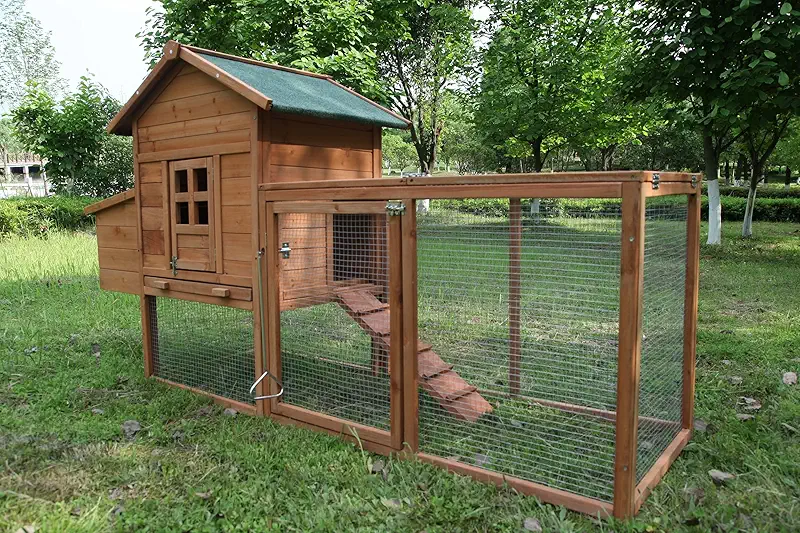
What “free chicken coop plans pdf” really give you
When folks search for free chicken coop plans pdf, they usually want to save money and feel in control of the build. I understand that. A tight budget is no stranger on a farm. But there are a few truths you learn after a couple decades of tending hens.
A good coop is not just a cute little house with a roof. It is dry when the wind blows sideways, cool in August, and not a drive‑through snack bar for raccoons. Many free plans focus on looks first and real farm life second.
Strengths of free plans
- You see the big picture layout before cutting a board.
- You get measurements that save some trial and error.
- You learn how folks arrange roosts, nest boxes, and doors.
- You can adapt them to the lumber and tools you already have.
Weak spots to watch for
- Thin materials that won’t handle snow, wind, or big predators.
- Not enough ventilation, which leads to sick, damp birds.
- Roosts and nest boxes in the wrong places, so eggs get messy.
- Door placements that make cleaning a real back‑breaking chore.
Core coop rules every pdf should follow
I judge every free chicken coop plan pdf against a handful of simple rules. These came from long evenings with a flashlight, a shovel, and a very annoyed rooster.
Room per chicken
Inside the coop, aim for at least 3–4 square feet per standard hen. I go closer to 4. Outside in the run, 8–10 square feet per bird keeps the grass from turning into a bare dirt fight club.
A lot of free plans brag “8–10 chickens!” while offering space that would barely keep four hens from stepping on each other’s tails. When in doubt, count your birds, then plan as if you had two more. Chicken math is real.
Ventilation, not drafts
Chickens handle cold better than damp. I learned that during a Midwest winter when the temperature dropped but the coop stayed dry and my hens just puffed up like little feathered footballs and kept right on laying.
- Look for vents high up on the walls, under the eaves.
- Air should move out the top and draw in low, without blowing directly on the roosts.
- Windows with hardware cloth (not flimsy chicken wire) are a big plus.
Predator‑proofing for real life
Any free plan that mentions “wire mesh” but not the size or strength makes me squint. Out here, raccoons have PhDs in breaking and entering.
- Wire should be hardware cloth, 1/2 inch or smaller grid.
- Bury a skirt of wire around the coop and run, at least 8–12 inches deep, to stop diggers.
- Use solid latches that need two motions to open. If a toddler can open it, a raccoon can too.
How I really use free chicken coop plans pdf on the farm
Let me tell you how I use those free plans in my own routine. I rarely follow one to the letter. I treat them like an idea book, the way my wife treats recipes. The page is a suggestion; the pantry and the weather decide the rest.
When I built my last layer coop, I started with a simple pdf. The sketch was nice, but the roof pitch was too low for our snow, and the nest boxes faced the wrong side of the prevailing wind. So I kept the overall footprint and changed almost everything else.
The smartest move I made was comparing that plan to a couple of sturdy ready‑made coops that I knew had worked well for other folks. That gave me a feel for practical features I did not want to skip: tall doors, removable roosts, and a pop‑door you can reach without crawling in like a raccoon yourself.
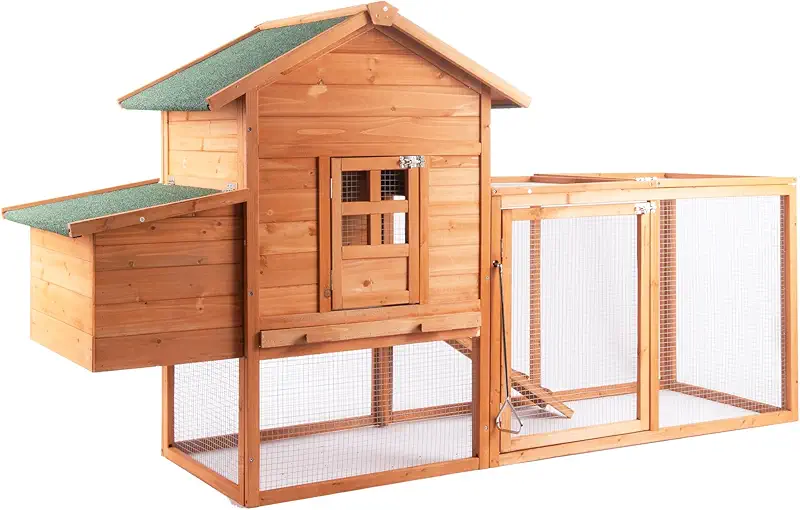


That mix of “free idea” and “proven design” saved me time and a lot of lumber. It also gave my hens a place they could count on in summer storms and winter ice.
Free plans vs ready‑made coops: what a tired farmer really thinks
I used to be proud of building everything myself. Then my back started filing complaints. These days I am more honest: sometimes free chicken coop plans pdf are perfect; sometimes a solid pre‑built coop or kit just makes more sense.
When free plans shine
- You already have lumber or old sheds to recycle.
- You enjoy building and have a weekend or two to spare.
- Your land has odd slopes and you need custom footing.
- You want to tuck the coop into an existing barn or fence line.
When a ready coop feels wiser
- Your time is tighter than your budget.
- You are new to tools and measurements.
- You need a safe home for birds this week, not next month.
- You want to start small and simple, then upgrade later.
A lot of my neighbors do a mix: start with a strong, off‑the‑shelf coop, then add a bigger run, better roof, and a few barn‑style tweaks using free plans for ideas. That way their hens stay protected while they experiment.
Reading a free chicken coop plan like a seasoned farmer
Free plans can look impressive. Clean lines, neat measurements, maybe even color. But paper never faces a raccoon, and it never stands in mud after a week of rain. You have to read between the lines.
Check the roof first
I always look at the roof before anything else. If the roof is wrong, everything underneath will be damp and miserable.
- Pitch: Steeper roofs shed snow and heavy rain better.
- Overhangs: You want decent overhangs to keep water away from doors and vents.
- Material: Plans that mention real roofing (metal, shingles, solid panels) get extra points.
Follow the water and the manure
Imagine a thunderstorm hitting that drawn‑up coop. Where does the water run? Where does the manure collect? Where do you stand while you clean?
- You should be able to clean the coop standing up, or close to it.
- Doors should open wide enough for a shovel, not just your shoulders.
- Nest boxes should be reachable without stepping in dropping piles.
Nest boxes, roosts, and run: lessons from a lifetime of eggs
If you are raising laying hens, your coop design lives or dies on three things: where they sleep, where they lay, and where they walk during the day.
Roosts: bedtime matters
Chickens like to sleep on the highest safe spot. In a crowded coop, that turns into a nightly ladder match. I learned long ago to give them plenty of straight, sturdy roost space.
- Plan 8–10 inches of roost per hen, more if you can.
- Use 2x3 or 2x4 boards with the wide side up so their feet stay warm in winter.
- Place roosts higher than the nest boxes so they do not sleep in the nests.
Nest boxes: clean eggs, calm hens
I once built a coop using a free chicken coop plan pdf that put the nests right by the pop‑door. The hens spent more time watching the yard like little feathery guards than laying eggs. I fixed that in a hurry.
- One box for every 3–4 hens is usually plenty.
- Place nests in a darker, quieter corner of the coop.
- Make the bottoms flat and easy to scrape out, with bedding you can change often.
Run space: where the gossip happens
Hens do most of their social life in the run: scratching, dust bathing, and telling each other secrets about the dog. Tight runs mean bored birds and feather picking.
- Plan for shade and sun both, so they can choose.
- Add a couple of simple perches, logs, or stumps for fun.
- Protect the top or at least part of it from hawks if you can.


Adapting free chicken coop plans to your climate
A lot of free plans float around the internet with no hint where they were drawn. Desert? Swamp? Snow belt? Nobody knows. That is where your local weather wisdom comes in.
Cold and snowy areas
I spent several winters in the north where the wind could peel paint. In that kind of place:
- Insulation in the roof and north wall can help, but do not block ventilation.
- Position windows and vents so snow does not blow straight in.
- Keep waterers from freezing with simple heated bases or inside placements.
Hot and humid regions
Down south, your main enemies are heat and damp air. Chickens handle cold better than heat, so treat shade like gold.
- Look for or add large, secure openings that can be screened in summer.
- Make sure the roof color and material do not turn the coop into an oven.
- Place the coop where it can catch breezes without facing the worst storms.
Wet and muddy ground
If your land puddles after rain, do not trust any plan that sets the coop flat on the ground. I once did that near a low spot. One spring thaw later, my coop looked like a duck blind.
- Raise the coop on blocks, skids, or a simple pier foundation.
- Use gravel or sand to improve drainage in the run.
- Keep wood away from constant splash‑back by adding gutters or longer overhangs.
Using ready‑made coops as “live” plans
One trick I share with new chicken keepers: even if you dream of building from a free chicken coop plans pdf, study a few proven coops first. Think of them as live, three‑dimensional plans that have already faced real weather.
When I walk past a neighbor’s coop, I pay attention to:
- Where the doors land on a muddy day.
- How high the nests are off the floor.
- How they attached the run and secured the roof.
Online, you can do the same thing by looking closely at photos of sturdy coops, then comparing them to the drawings in your free pdf. The closer your plan looks to a coop that has survived a few seasons, the more I trust it.


Free chicken coop plans pdf – common questions
Sometimes, but not always. Many free plans are drawn by hobbyists, not folks who have chased chickens in bad weather or dealt with coyotes and raccoons. Use them as a starting point, then add stronger wire, better latches, and more ventilation if needed. If something in the plan looks flimsy on paper, it will be worse in wood.
Ignore most “chicken capacity” claims on the plans and do your own math. Aim for at least 3–4 square feet per hen inside the coop and 8–10 square feet per hen in the run. If a pdf says “up to 10 chickens” but the floor space is only 16 square feet, treat that as a 4‑chicken coop, not 10.
You can, if you are careful and willing to adjust the design. For a total beginner, I often suggest starting with a simple, proven coop or kit, then using free plans to add on later. That way your birds have a safe home from day one, and you can take your time learning what works on your land.
Building too small and too fancy. Pretty trim and windows do not help if the birds are crowded or damp. The main mistakes I see are tiny coops stuffed with too many hens, weak wire, and poor ventilation. Focus on space, strength, and airflow before you worry about how cute the roof line looks.
I always print mine. Paper is easier to mark up with notes, changes, and real‑world measurements. I keep the printed plan in a plastic sleeve in the shop and scribble on it as I build. By the time the coop is done, the plan is usually full of mud spots and pencil marks, but it reflects what I actually built, not just what looked good on the screen.