
Galvanized steel chicken coop
I have built coops out of scrap wood, barn tin, old dog kennels, you name it. Out of all the things I have tried, a well-made galvanized steel chicken coop has given my hens the most steady eggs with the least amount of headaches. Let me walk you through what really matters when you are planning a sturdy, safe home for your birds.
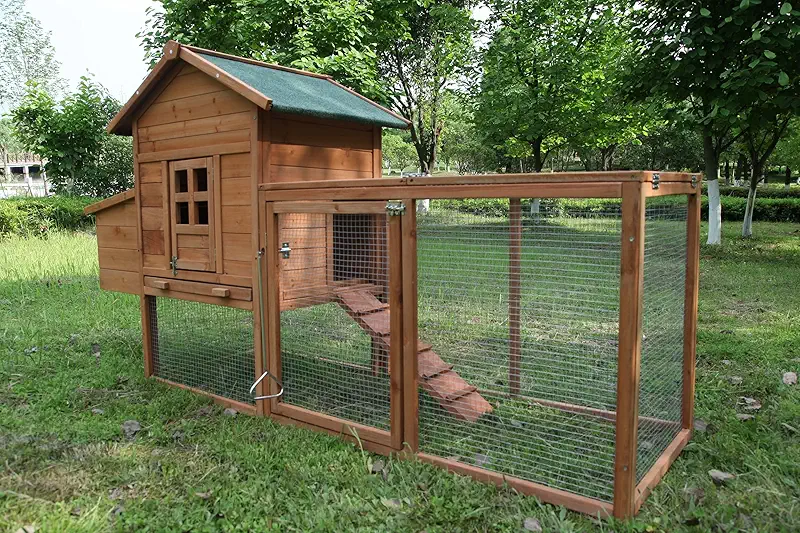
Why a galvanized steel chicken coop changed my mornings
When I started with chickens, my first coop was a cute little wooden thing I slapped together on a Saturday. It looked nice for about one season. By the second spring, the bottom boards were soft, the roof leaked, and I was patching holes like a tired carpenter with a grudge. The hens tolerated it, but predators loved it.
The first time a galvanized steel chicken coop showed up on my place, my oldest son joked, “Dad, that looks like a chicken prison.” I told him, “Yep, and we are locking up the bad guys on the outside.”
Galvanized steel has a simple charm I have grown to respect:
- It shrugs off rain and snow. The coating keeps rust away far longer than raw metal.
- Predators hate it. Teeth and claws do not do much to a solid steel frame and mesh.
- It is easy to hose down. A quick spray and the coop looks almost new, which is more than I can say about my boots.
- It does not warp. Wood twists, swells, and splits with every season. Steel just sits there and does its job.
Once I switched to steel runs and steel-framed coops, my morning chores got simpler. Instead of fixing doors and filling gaps, I spent more time actually watching the birds, checking their comb color, and enjoying that first cup of coffee with the hens gossiping in the background.
Key features to look for in a galvanized steel chicken coop
Not every galvanized steel chicken coop is built the same. Over the years, I have learned to look past the pretty pictures and check the details, the same way you would look at the hooves on a horse before bringing it home.
1. Frame strength and tube thickness
The first thing I check is the frame. I do not care how shiny the roof is if the frame feels like a soda straw. When you read the details, look for strong tubing and solid connectors. If you can wiggle the frame with one hand, a determined raccoon can do worse.
My steel coop that has survived the longest has thick, galvanized tubing with tight joints. No rattling, no wobbling, even when the wind comes across the fields like it is late for supper.
2. Mesh size and strength
The second thing to inspect is the mesh. Wide openings are an invitation for raccoon paws and weasel noses. Smaller, stronger mesh keeps the birds safe while letting in plenty of light and air.
I once lost a good little hen named Betty because I trusted flimsy wire. A raccoon pulled her right through a gap at night. Since then, I tell folks:
- Small openings make it harder for anything to reach in.
- Firm attachment of the mesh to the frame matters; no loose corners, no weak ties.
- Galvanized mesh holds up better to rain and snow than plain fence wire.
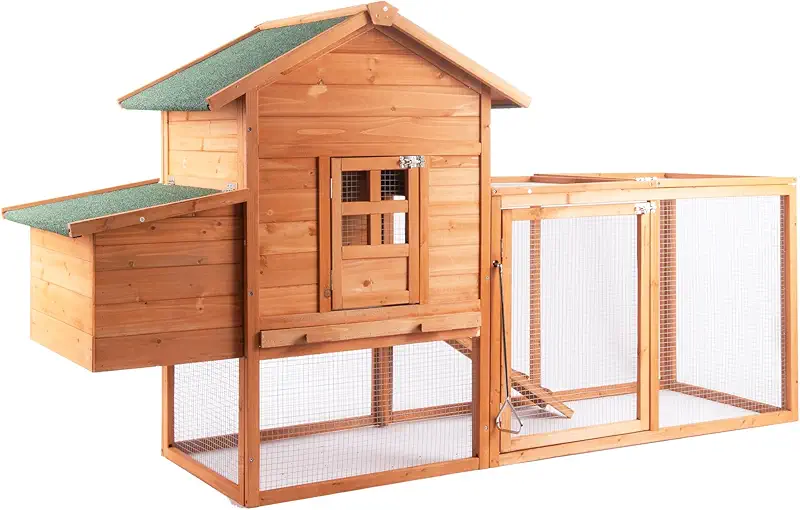


Different galvanized steel chicken coop layouts: runs, covered roofs, and roomy setups for active hens.
3. Roof and weather protection
Weather will test your coop more than any predator. In a hard rain, you will quickly see if the roof angle and design are worth anything.
- A sloped roof so water runs off instead of pooling.
- Good coverage so the birds can stay dry while still scratching around.
- Shade in summer; bright metal can get hot, so I like some cover or tarps over part of the run.
I like metal or strong fabric covers over part of the galvanized steel chicken coop. The hens get a dry spot and I do not have to stand in the rain trying to coax them back inside.
4. Doors, latches, and human access
Every morning and every evening you will use those doors and latches. If they are small, awkward, or flimsy, you will say a few words the hens do not need to hear.
- Full-height doors are easier on your back.
- Sturdy latches that a raccoon cannot open (they have clever little hands, almost like tiny bandits).
- Easy access to feeders and waterers without crawling on your knees.
On my best setup, I can push a wheelbarrow right up to the galvanized steel chicken coop, open the door with one hand, and step inside without ducking. That might not sound like much, but your knees will thank you in ten years.
How a galvanized steel chicken coop affects egg production
A coop is not just a shelter; it is a workplace for your hens. Comfortable workers lay better “products,” and in this case, the product is breakfast. A good galvanized steel chicken coop can help your hens feel safe and steady, and that shows up in the egg basket.
Safety and calm hens
Chickens are tough in some ways, but they are also nervous creatures. One raccoon visit, one dog chasing the fence line, and you will see egg numbers drop for a few days. When the coop feels rock solid, they rest easier.
In my own flock, once I upgraded their run to a solid galvanized steel enclosure, I noticed:
- Less panicked flapping in the evenings.
- Fewer hens roosting in weird corners or up in trees.
- More quiet clucking and nest-box chatter, which is the sound of content birds.
Ventilation without drafts
A galvanized steel chicken coop gives you strong structure to build around, but you still need proper airflow. Fresh air keeps moisture and ammonia down, which keeps combs bright and lungs clear.
I like:
- Open mesh runs during the day.
- Solid walls or well-placed vents in the sleeping area.
- Windows you can close down partway in deep winter.
Think of it this way: you want fresh air, not cold wind. The steel frame gives you a sturdy skeleton; you add the right covers, tarps, or wood panels where needed.
Cleanliness and disease control
One quiet advantage of a galvanized steel chicken coop is how easy it is to clean. I sprinkle some bedding in the sheltered area, but the open run is mainly dirt and gravel. When it gets messy, I scrape and hose without worrying about rotting boards.
Clean coops mean:
- Fewer mites and lice hiding in cracks.
- Less ammonia building up near eye level for the birds.
- Better eggs, with shells that do not pick up every bit of dirt they touch.
I still do a deep clean a couple times a year, but it is faster with a steel structure. I spend more time checking hen health and less time pulling out moldy boards.
You will see different galvanized steel chicken coop sizes, shapes, and roof styles. Pick what fits your yard and your flock size.
Practical hen-keeping tips for galvanized steel runs
Having a tough coop is half the job. The other half is daily care: feed, water, bedding, and a bit of common sense. I am not fancy about it, but I have learned a few things the hard way, and I would rather you did not have to.
A cramped coop means cranky hens and feather picking. With a galvanized steel chicken coop, I like at least 10 square feet per bird in the run. More if you can spare it. When in doubt, go bigger.
Steel holds up fine to mud, but your hens do not love standing in it. I put down gravel and some straw in my runs so water drains. A dry run keeps feet healthy and cuts down on stink.
Metal can get bright in summer. I hang a tarp or add a shade cloth along one side of the galvanized steel chicken coop. The hens can pick sun or shade, like choosing their spot at the beach, feathers and all.
Right before dark, I take a slow walk around the fence. I look for fresh dig marks, loose ties, or spots that look “off.” Catching a weak spot early is cheaper than losing birds.
The frame of a galvanized steel chicken coop is strong, but hens like wood under their feet when they sleep. I screw wooden perches to the frame and add simple wooden nest boxes inside the sheltered part.
Chickens like knowing what is coming. Feed at roughly the same time, open and close the coop on a schedule. Calm routine plus a steady, safe coop equals a nice basket of eggs most mornings.


Steel frames, solid mesh, and plenty of space turn a basic galvanized steel chicken coop into a happy hen village.
My own journey from wooden sheds to galvanized steel chicken coops
I still remember my first batch of hens: a mix of Rhode Island Reds and Barred Rocks, plus one oddball that looked part turkey. I built them a coop out of whatever lumber I had lying around. I was proud of it, right up until the first spring storm.
The wind drove rain sideways, and by morning, half the bedding was soaked. The hens were fine, but they looked at me like, “Buddy, you can do better.” They were right.
Over the years, the pattern repeated. Wood rotted along the ground. Hinges pulled loose. Mice chewed their way in. Patch, repair, swear under my breath, repeat. That is when I started paying attention to galvanized steel chicken coop designs.
The first steel coop I put together felt different from the start. The frame locked together like a good old farm gate. The mesh stretched tight. When the wind howled that winter, I watched the structure instead of the weather report. It did not so much as flinch.
These days, most of my birds spend their time in steel runs with sheltered sleeping quarters. I still keep some wooden elements for warmth and comfort, but the backbone is steel. I sleep better knowing a coyote would have to bring a toolbox to get through it.
If you are just starting out, or you are tired of chasing boards around the yard after every storm, a galvanized steel chicken coop is worth a serious look. It is not about having a pretty setup; it is about having one that lasts and keeps your birds safe.
FAQ about galvanized steel chicken coops
Steel itself can heat up in direct sun, but the hens are not sitting on the steel, they are living inside the space. I always make sure part of the coop has shade: a tarp, a metal roof section, or a tree nearby. With good airflow and shaded spots, my birds handle summer inside a galvanized steel chicken coop just fine. On the hottest days, I add extra waterers and sometimes a frozen jug of water for them to lean against.
The whole point of galvanizing is to slow rust way down. My oldest galvanized steel chicken coop has been outside for years, in snow, rain, and more than one hailstorm. It has a few scuffs, but it is still solid. If I see any bare metal spots from scratching or cutting, I touch them up and keep an eye on them. Basic care goes a long way.
Yes, as long as you give them a sheltered corner out of the wind. Steel is the frame; comfort comes from how you set it up. I add extra bedding, block drafts right at roost height, and make sure vents are high up. The structure does not rot, bend, or sag under snow, which actually makes winter care easier. My girls have laid eggs through some downright rude temperatures in a steel-framed coop.
That depends on the size of the coop, not the material. Steel just gives you a strong skeleton. As a handy rule, I aim for about 4 square feet per bird inside the sleeping area and 8–10 square feet per bird in the run. More space means less squabbling and cleaner feathers. If you think you might add birds later, go bigger now; chicken math is real.
Most of the steel coops I have put together come with labeled pieces and a simple diagram. It is more like putting together a big erector set than building a barn. A second pair of hands helps a lot, especially when lifting panels. Take your time, tighten everything, and do a slow walk-around when you are done. If you can assemble a bookshelf and swing a wrench, you can handle a galvanized steel chicken coop.
Choosing the right galvanized steel chicken coop for your flock
When people ask me what galvanized steel chicken coop they should get, I usually answer with more questions:
- How many birds do you have now, and how many do you think you will have in a year?
- Is your yard flat, sloped, muddy, or mostly dry?
- Do you have big predators around, or just the occasional stray dog?
- Are you away from home a lot, or do you check on the birds several times a day?
A small backyard flock might be happy in a modest galvanized steel chicken coop with a covered run. A larger country flock may need a long, walk-in run paired with a bigger henhouse. The nice thing about steel frames is how easy they are to combine with other shelters.
I have attached steel runs to old sheds, to fresh-built wooden coops, and even to a corner of my barn. The birds do not care about the architecture; they care about staying dry, feeling safe, and having a little freedom to scratch and dust-bathe.
When you look through different galvanized steel chicken coop designs, imagine your daily routine:
- Can you walk in comfortably?
- Where will you hang feed and water?
- Is there a dry place to collect eggs?
- Can you clean it out without crawling like a mole?
Answer those questions honestly and you will land on a setup that fits your life as much as it fits your hens.
Take your time comparing each galvanized steel chicken coop. Look closely at size, mesh, doors, and roof coverage, then picture your own hens walking around inside it.
Ready to explore more galvanized steel chicken coop ideas?
Whether you have three hens behind the garage or fifty birds wandering an acre, a solid galvanized steel chicken coop can be the backbone of your setup. It does not need to be fancy, just sturdy and sensible. Your hens will thank you the only way they know how: by filling the nest boxes.
If you catch yourself daydreaming about easier chores, fewer repairs, and a coop that stands up to the same weather you do, it might be time to see what is out there. Look for that good, honest steel frame, tight mesh, and a layout that makes your mornings smoother.
I have walked this road from creaky wooden sheds to reliable galvanized steel chicken coops, and I would not walk it backward. You do not need a perfect homestead to give your hens a good life; you just need a safe place for them to sleep, scratch, and gossip with each other.