
Garden Chicken Coop
Garden Chicken Coop: Turning a Corner of Your Yard into a Little Egg Factory
I’ve been raising laying hens in my own backyard and out in the fields for more years than I care to count. A good garden chicken coop can make that difference between a chore you dread and a quiet joy you look forward to every single morning. Let me walk you through what really matters, the simple way.
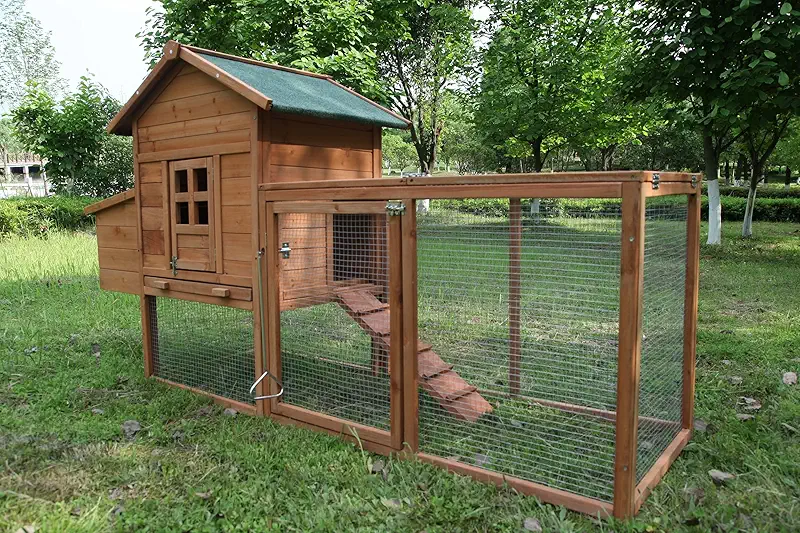
A tidy garden chicken coop keeps your hens safe, calm, and laying steady.
Why a Garden Chicken Coop Beats a Plain Old Shed
When I first started, I stuck my hens in an old tool shed. I thought, “Wood is wood, a roof is a roof, they’ll be fine.” Well, they were not fine. The air got stuffy, the floor stayed damp, and a raccoon chewed a welcome hole right through one corner. The eggs slowed down, and the hens told me exactly what they thought of my bright idea… loudly.
A true garden chicken coop is built with hens in mind. It fits into your yard without taking it over, keeps predators out, lets fresh air in, and gives you easy access to eggs and bedding. Done right, it also looks like it belongs next to your tomatoes and roses, not like a shack you forgot to tear down.
Farmer’s rule of thumb: if you dread walking out to the coop, something is wrong with the design. Your coop should invite you in, not chase you away with smell, mud, and frustration.
How Much Space Do Your Hens Really Need?
Folks ask me this all the time. Truth is, hens don’t need a palace, but they sure don’t do well in a prison cell either. A balanced garden chicken coop gives them room to move, scratch, perch, and hide when they feel nervous.
Simple space guidelines
- Inside the coop: around 3–4 square feet per hen if they also have an outdoor run.
- In the run: 8–10 square feet per hen is a comfortable starting point.
- Nesting boxes: 1 box for every 3–4 hens is usually plenty.
- Roosts: give about 8–10 inches of perch per hen.
I once tried cramming too many birds into a small coop because I “only” had a few more. Bad idea. Pecking, feather loss, and cranky squawking turned my peaceful coop into a feathery bar fight. Give them a little elbow room and they’ll reward you with quieter mornings and better egg production.
Picking the Right Spot in Your Garden
A garden chicken coop is like a good lawn chair: put it in the wrong spot, and you’ll never enjoy it. Put it in the right spot, and suddenly you’re there every day with a smile and a coffee mug.
Look for these three things
- Morning sun, afternoon shade. Hens like to wake up with the sun, but they don’t enjoy baking in it all day.
- High, dry ground. If your boots sink in after a rain, that’s not the place for your coop.
- Close enough to the house. You’ll thank yourself on cold or rainy nights when you go lock them up.
My favorite coop sits where the morning sun hits the pop door, but an old maple guards it from the harsh afternoon heat. The path stays dry, and I can see the coop right from the kitchen window. It’s a little thing, but keeping an eye on your birds at a glance saves you from a lot of surprises.

Ventilation, Light, and Comfort Inside the Coop
Chickens are tougher than most people think, but stale air and damp bedding will bring them down faster than a cold snap. A proper garden chicken coop lets moist, dirty air out without blasting your hens with drafts.
Good airflow without a wind tunnel
- High vents: openings up near the roof line let humid air rise and escape.
- Protected windows: wire mesh plus a way to close them in nasty weather works best.
- No direct drafts on roosts: birds hate a cold breeze hitting them while they sleep.
In winter, I can see their breath hanging in the air when I first open the door. That’s normal, but if I smell ammonia or feel dampness, I know I need to clean or add fresh bedding. When the coop smells like clean straw and feathers, I sleep better too.

Predator Protection: The Part You Can’t Ignore
Out here, everything thinks my chickens are on the menu: raccoons, foxes, hawks, even the neighbor’s dog. A garden chicken coop should look cute, sure, but it’s really a little fortress in disguise.
Farm-tested predator tips
- Use hardware cloth, not chicken wire. Chicken wire keeps chickens in, not predators out.
- Dig a skirt. Bury wire 8–12 inches down or lay it flat around the run to stop diggers.
- Sturdy latches. Raccoons open simple latches like you and I open a fridge door.
- Close the pop door at night. Automatic doors help if you’re forgetful like I can be.
One summer, a fox taught me a hard lesson when I left the run gate “mostly” latched. Let’s just say I don’t do “mostly” anymore. When you’re choosing a coop, look closely at the doors, the mesh, and the framing. Pretty paint doesn’t scare a raccoon.

Nesting Boxes and Roosts: Make Hens Feel at Home
Hens are funny little creatures. Give them a dark, quiet corner and they’ll lay like champs. Make them feel exposed, and they’ll find their own “perfect” spot, usually in your flower bed.
What I like in a garden chicken coop
- Nesting boxes slightly off the floor so they feel cozy but still easy to reach.
- Roosts higher than the boxes so they sleep on the perch, not in the nests.
- Removable trays or easy access under the roosts for quick cleanouts.
- External egg doors so you can collect eggs without stepping in with muddy boots.
I remember the first time my grandkids opened the egg door and found a whole row of warm brown eggs waiting. You’d have thought we discovered gold. A simple, kid-friendly layout turns your garden chicken coop into a place the whole family enjoys.

Keeping the Coop Clean Without Losing Your Weekend
I love my hens, but I don’t want to spend every Saturday shoveling after them. A well-thought-out garden chicken coop saves you work with simple features.
Look for these time-savers
- Big cleanout doors so your shovel or rake actually fits.
- Slide-out trays under roosts to catch the worst of the mess.
- Smooth, sealed floors that don’t soak up moisture.
- A little headroom so you don’t bang your head every time you go in.
I use the deep-litter method in a few of my coops: I start with a clean floor, then add dry shavings or straw regularly. A few times a year I pitch the whole mix onto the compost pile. The garden loves it, the hens stay dry, and I don’t break my back doing it.

Letting Your Coop Work with Your Garden
A garden chicken coop doesn’t just sit there; it can help your whole backyard system. Chickens turn kitchen scraps and weeds into eggs and fertilizer. Pretty good trade if you ask me.
Simple ways to team up coop and garden
- Compost corner: Keep a compost bin or pile near the coop so dirty bedding and manure turn into next year’s rich soil.
- Rotational runs: If you can, move or divide the run so hens rest and fertilize different garden patches.
- Garden treats: Toss in weeds (not poisonous ones) and surplus veggies. They come back as eggs.
I’ve had hens clean up my spent garden beds in the fall, scratching through, eating bugs, and loosening the soil. They think it’s a buffet, and I think it’s free labor. That’s what I call a fair partnership.

What I Check Before Saying “Yes” to a Coop
When friends ask me to look over a new garden chicken coop they’re considering, I always run through the same mental list. You don’t need to be a carpenter; you just need to be a little nosy.
My quick farmer checklist
- Is the frame solid? Push on it. If it wobbles empty, it’ll sag with hens and snow.
- Are doors and latches secure? No gaps, no flimsy hooks, no half-closed corners.
- Is the mesh real hardware cloth? If you can bend it easily with two fingers, I pass.
- Can I clean it in five minutes? If it looks like a puzzle to reach the floor, I move on.
- Does it fit my spot? Size, shape, and looks all matter in a garden.
You don’t need the fanciest coop on the block. You just need one that keeps birds safe, dry, and comfortable, and lets you care for them without wearing yourself out.
Garden Chicken Coop FAQ
For a small backyard, I like to see 4–6 hens in a compact coop with a run. Give them around 3–4 square feet each inside and 8–10 square feet each outside. That’s enough for a steady basket of eggs without crowding them or your yard.
That depends on where you live. In my county, you can keep a handful of hens in town with a few simple rules, but no roosters. Before you set a coop in concrete, check your local ordinances or ask the zoning office. It’s easier than smoothing things over with a grumpy neighbor later.
Only if you let feed spill and bedding stay wet. Keep feed in closed containers, don’t leave piles of grain on the ground, and change or top up bedding before it turns soggy. A well-kept coop smells like straw and feathers, not a barnyard.
I do a quick tidy every few days and a deeper clean every month or so, depending on how many birds I’ve got inside. If I notice damp corners or smell ammonia, I don’t wait for the calendar. With a smart design, you can refresh bedding in a few minutes and keep everyone comfortable.
Some coops are built as “tractors” with wheels or skids. I’ve used those to let hens graze fresh grass and fertilize different spots. If you like that idea, look for a lighter frame with good handles or wheels. If you want something more permanent and pretty in the garden, go with a sturdier coop and a fixed run.
If you’re ready to let a few hens turn kitchen scraps into breakfast and give your garden a boost, the right garden chicken coop is your first real step.
Show me all coops